
Badlands National Park 2026 Budget Checklist: Smart Allocation for Transportation, Lodging, Food & Tickets
Planning a 2026 trip to Badlands National Park? This budget checklist helps you allocate transportation, lodging, food and ticket expenses wisely. Includes detailed price ranges, value-for-money lodging picks, affordable dining options and free-entry perks—so you can enjoy Badlands National Park to the fullest without overspending.
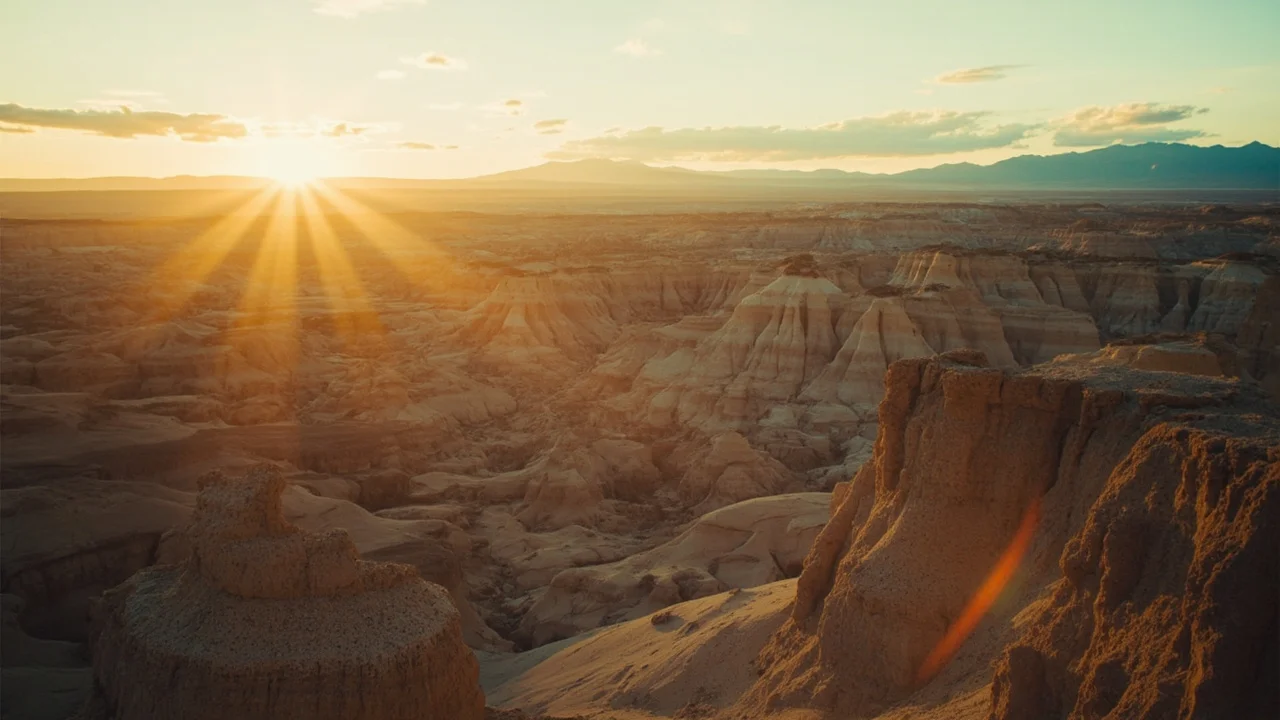
How to Split Your Badlands National Park 2026 Budget? This Checklist Breaks Down Every Dollar
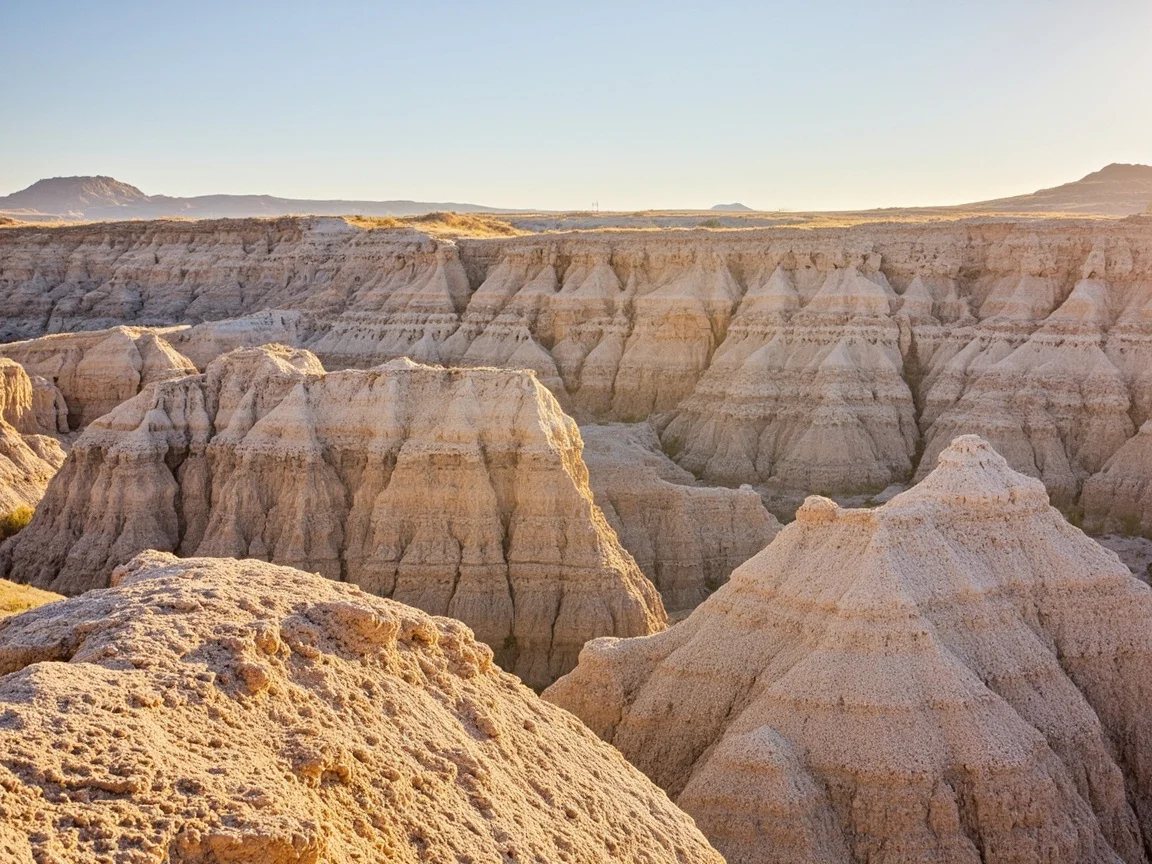
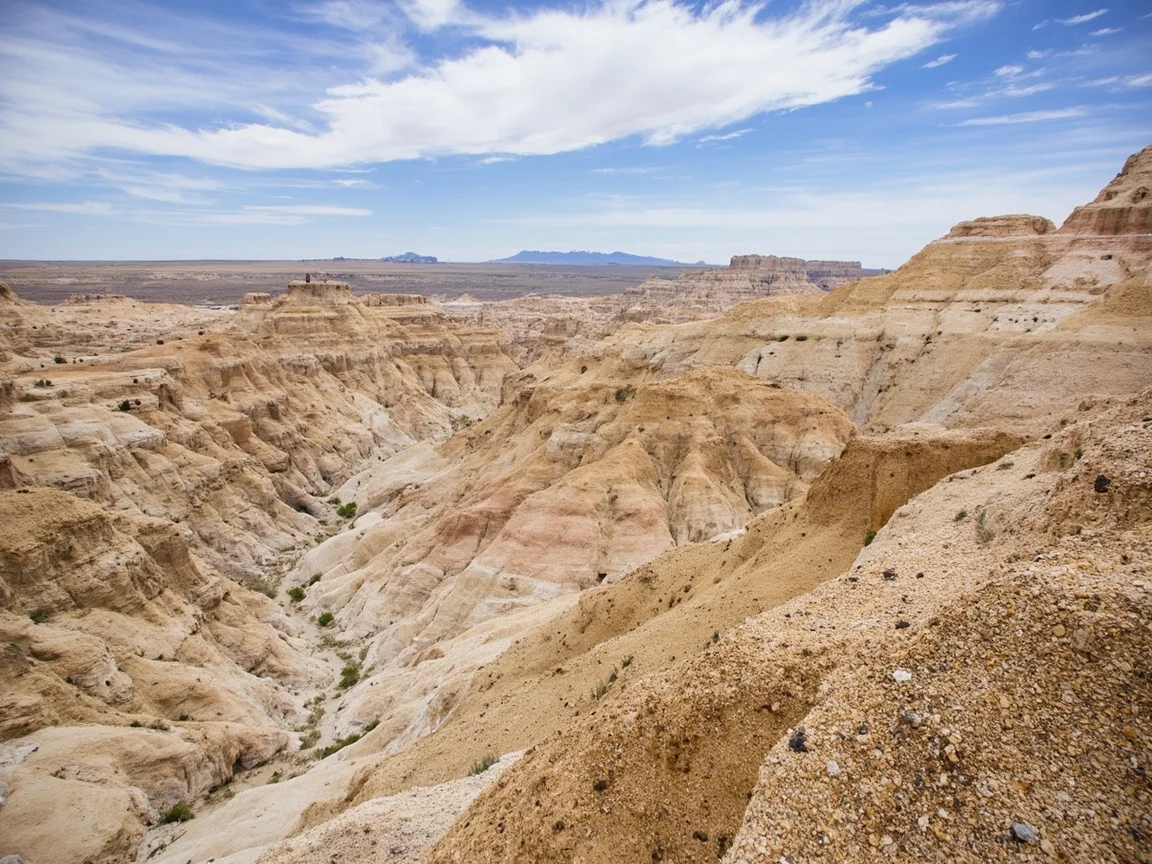
Badlands National Park is often called the "moonscape of South Dakota," with its layered colored rock formations and fossil beds drawing over a million visitors each year. According to 2025 data from the National Park Service (NPS), Badlands National Park hosted approximately 1.17 million visitors that year, with self-drive trips accounting for over 85%—showing that road travel is the mainstream way to experience this park. Most travelers' pain point isn't "what to do," but "how much should I reasonably spend." This guide breaks down the four major expense categories—transportation, lodging, dining and tickets—with 2026 reference price ranges and money-saving tips, plus a five-item "don't do this" pitfall list to help you compress your overall budget without sacrificing the experience.
How Much Does Transportation to Badlands National Park Cost by Self-Drive?
From downtown Rapid City, take I-90 and transfer to SD-240 (about 80 miles south) to reach the park's Northeast Entrance. One-way fuel costs roughly 15 (based on 2025 South Dakota average gas prices). From Sioux Falls, the round trip is about 480 miles, with total fuel costs around 60; self-drive enthusiasts often string Badlands National Park together with Mount Rushmore and Crazy Horse Memorial into a 2–3 day loop, with one-way transportation costs around 100.
For rental cars, common economy SUVs at Rapid City Regional Airport (airport code RAP) run 80 per day (2025 Hertz and Enterprise website quotes), with full insurance typically adding 30%. Book 2–3 months in advance and choose "airport pickup and drop-off" to avoid cross-location return fees. Note that parts of SD-240 inside the park are a one-way loop, and during peak season (May–September), traffic is heaviest before 8 AM and after 6 PM—off-peak travel can save significant driving time and fuel.
How Should You Allocate Your Lodging Budget Inside vs. Outside the Park?
Badlands National Park has only two official campgrounds inside the park: Cedar Pass (70–120–150–$220/night (Booking.com sample data from September 2025).
Three value-for-money lodging routes to consider: ① Stay in Wall—only a 5-minute drive from the park entrance, perfect for catching sunrise; ② Stay in the Rapid City outskirts—saves 50 per night, but requires a daily round trip of about 160 miles; ③ Choose a Scenic town B&B for an in-depth tour atmosphere, but confirm Wi-Fi and breakfast in advance. During holidays (e.g., Memorial Day, Independence Day), room rates rise 20–40%, so off-peak travel or advance booking with refundable reservations is recommended.
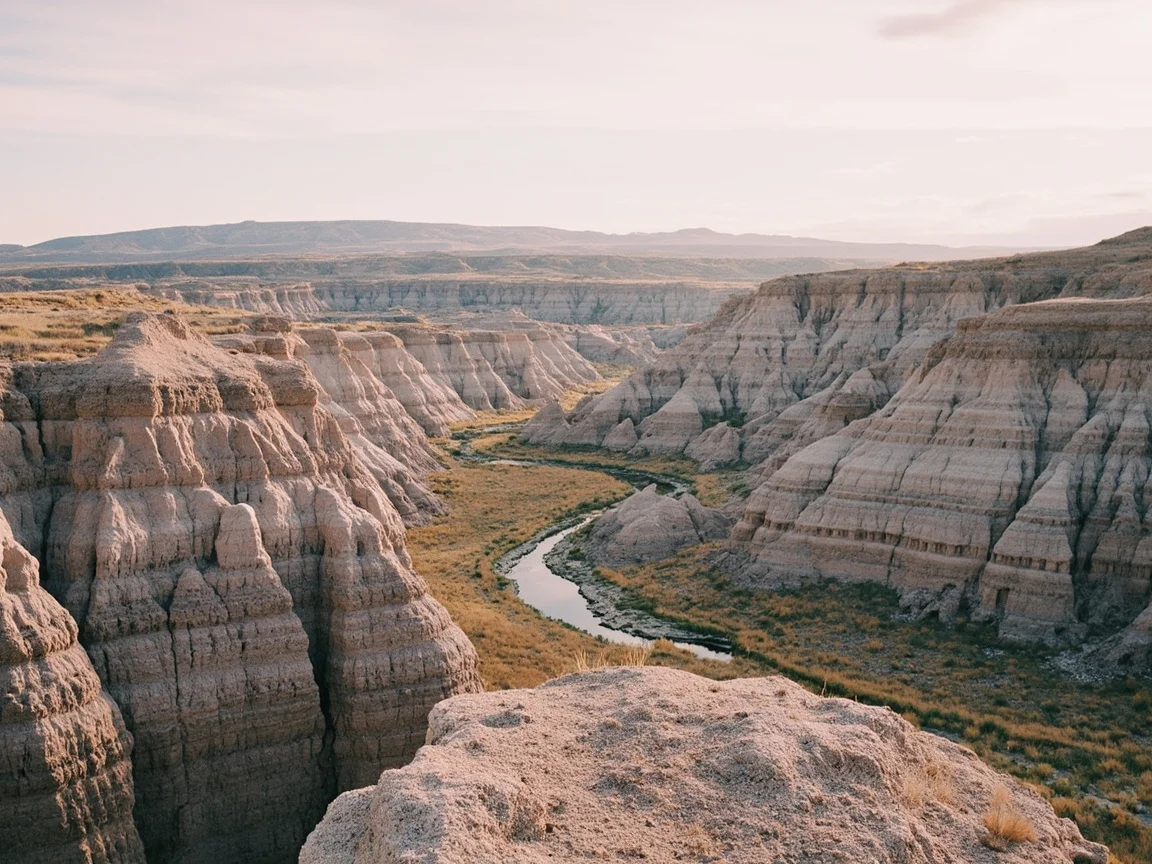
How to Keep Daily Food Costs Within 50?
Inside the park, only Cedar Pass Restaurant and a few small shops offer food, with main dishes priced at 18—generally on the expensive side. The key to budget control is self-catering: supermarkets are available in all three towns outside the park, Wall Drug (the famous roadside attraction) area restaurants serve main courses for 15, fast food runs 10, and a grocery run of three people's food for a full day costs about 35.
Specific tips: ① Stock up at a large supermarket in Rapid City or Sioux Falls before departure, including drinking water, snacks, fruit and canned goods; ② Keep in-park dining within 40 per adult per day; ③ Combine Wall Drug's "free water" perk with restaurant meals to reduce spending. Beware that the park's south side has no large supply points, so for an in-depth tour route, be sure to carry 1.5–2 liters of drinking water and emergency food.
The Latest Guide to Badlands National Park Tickets and Free-Entry Policies
Tickets are the easiest part of the budget to save on. According to 2025 NPS data, a private vehicle ticket is valid for 7 days at 25; pedestrians/cyclists 80) enjoy unlimited entry to all US national parks for a year—break-even after 4 or more visits.
Free-entry events worth noting for 2026: ① August 4 (Great American Outdoors Act anniversary)—free entry at all US national parks; ② September 26 (National Public Lands Day)—free entry; ③ November 11 (Veterans Day)—free entry; ④ Some banks and libraries issue "Fourth Category" discount passes, stackable for use. Check the official NPS calendar before departure to confirm dates. The core of ticket money-saving strategy is combining "self-drive + multi-park visits" with "annual pass + free-entry days," which can save over $50 on a single trip.
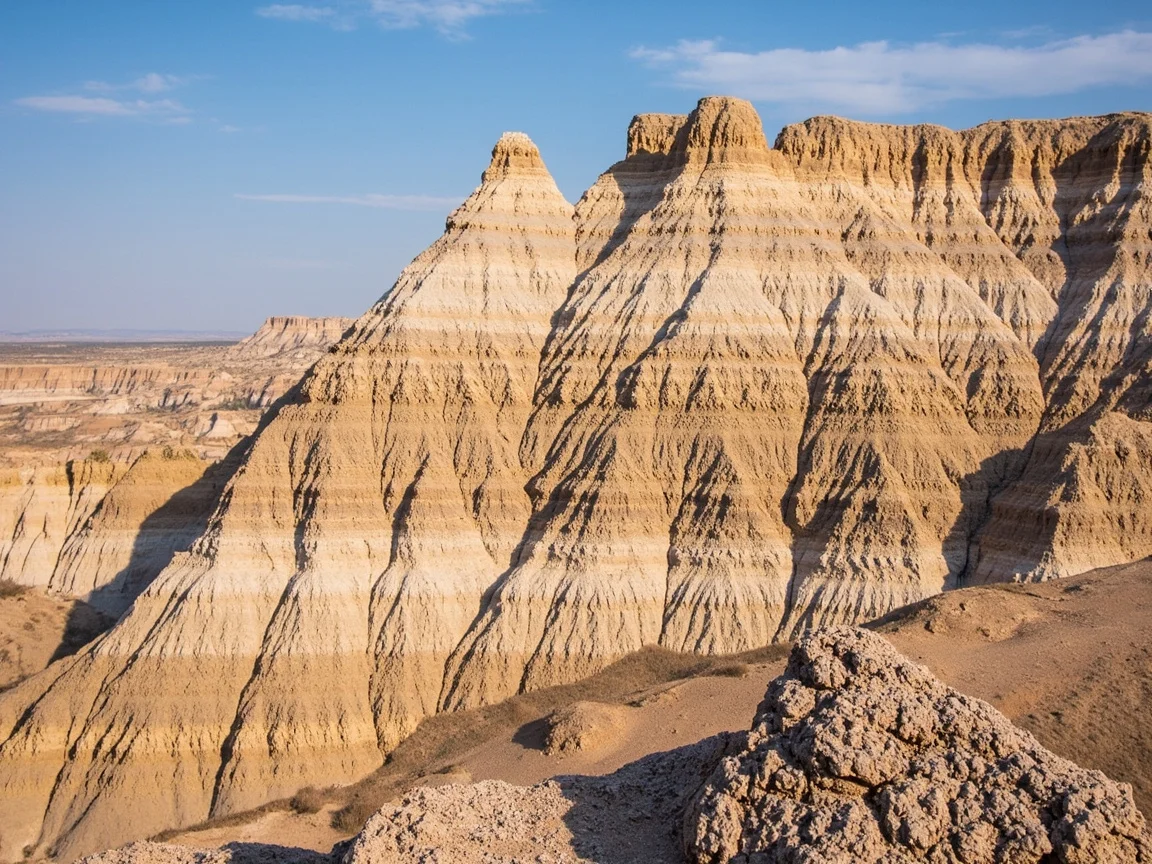
Five "Don't Do This" Pitfall Items
Don't ignore weather preparation: Badlands National Park has extreme temperature swings—summer midday can exceed 38°C while nights drop below 10°C; travelers without jackets often cut trips short due to physical discomfort. Don't rely solely on GPS signal: SD-240 and some side roads inside the park have no signal—download offline maps and bring a paper version as backup. Don't overlook refueling timing: there are no gas stations inside the park; the nearest ones are in Pinnacles or Interior, 5–10 miles from the loop entrance—always check your fuel level before entering. Don't touch fossils casually: the park is a protected area; fossil collection has been banned since 1979, with fines up to $10,000. Don't book lodging last-minute during holidays: Wall and Scenic towns are often full between Memorial Day and Independence Day, with last-minute rates surging 60% or more and limited options.
Recommended Budget Allocation Ratios for Badlands National Park
Based on the four expense categories above, here's a reference budget allocation for a family of three on a 2-day, 1-night trip: transportation 25%, lodging 35%, dining 20%, tickets and miscellaneous 10%, contingency 10%. Extending the trip to 3 days, 2 nights pushes lodging to 45%, with transportation and dining dropping proportionally. Adding in-depth tour activities (e.g., Prairie Dog Town, Black Hills geology visits) raises miscellaneous to 15%–20%. Based on 2025 medians, a comfortable experience runs about 350 per person for the full trip.
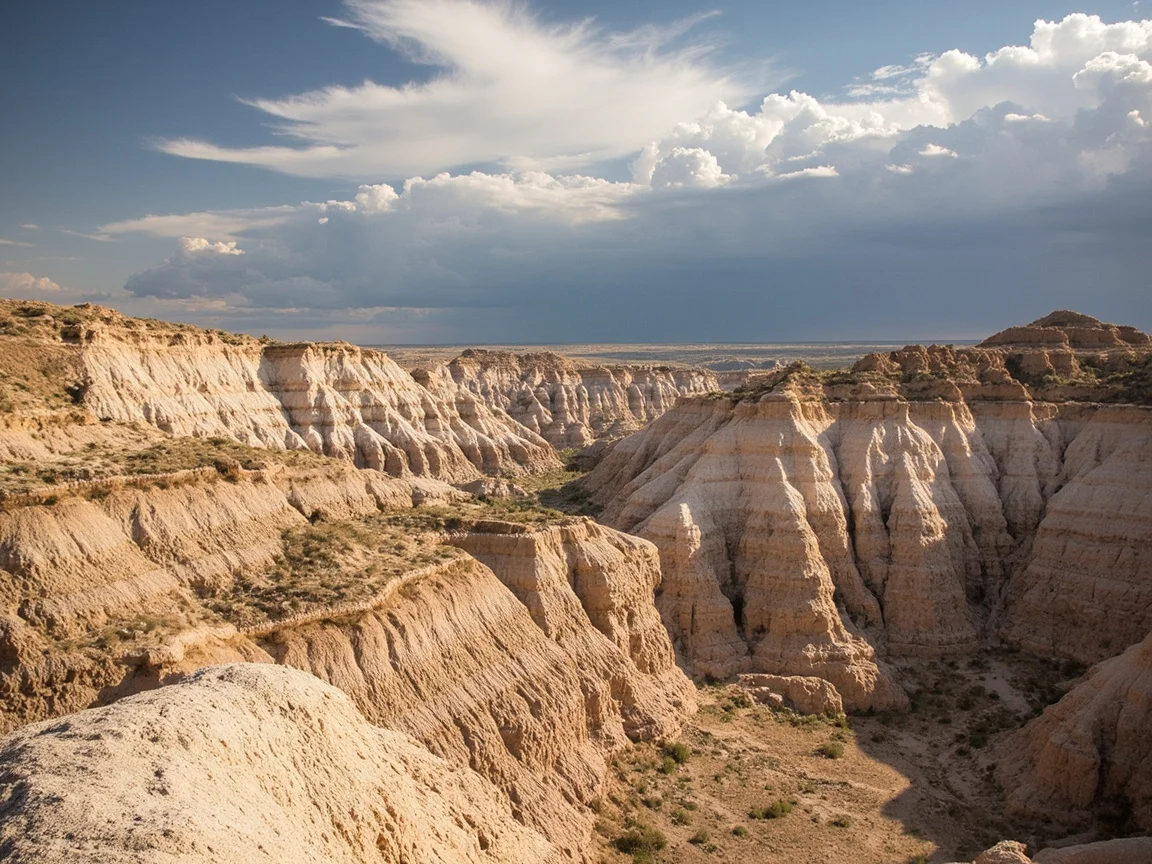
How Much Does Season Choice Affect Your Budget?
Peak season (June–September) offers comfortable temperatures but lodging and airfare rise together; off-season (November–March) sees some campgrounds close and dining options shrink, but vehicles are scarce, and tickets, lodging and fuel prices drop 15%–25%. In-depth tour travelers often target two "window periods": late April to early May, and late September to mid-October—mild weather, visitor flow spreads out, and prices return to annual mid-range levels. Combining "seasonal off-peak travel" with "annual pass + free-entry days" can compress the overall budget by 20%–30% while delivering sightseeing experiences comparable to peak season.
Frequently Asked Questions
Q1: Will Badlands National Park raise ticket prices in 2026? Based on 2025 NPS information, the $30/vehicle ticket is likely to hold for 2026, but reconfirm on the official page one month before departure.
Q2: Can I use payment methods other than cash inside the park? Ticket booths accept credit cards and mobile payments; campground reservations are mostly handled through Recreation.gov, which requires advance account registration.
Q3: Can a budget trip really stay under $200 per person? Yes—it's feasible. Use the free Sage Creek campground, self-cater all meals, and carpool to get there, but you'll sacrifice lodging comfort and dining variety.
Further Reading & References
- Badlands National Park – Wikipedia
- NPS Official Park Information & Ticket Policy
- South Dakota Tourism Official Site: Itinerary & Transportation Tips
- Lonely Planet US National Parks In-Depth Guide
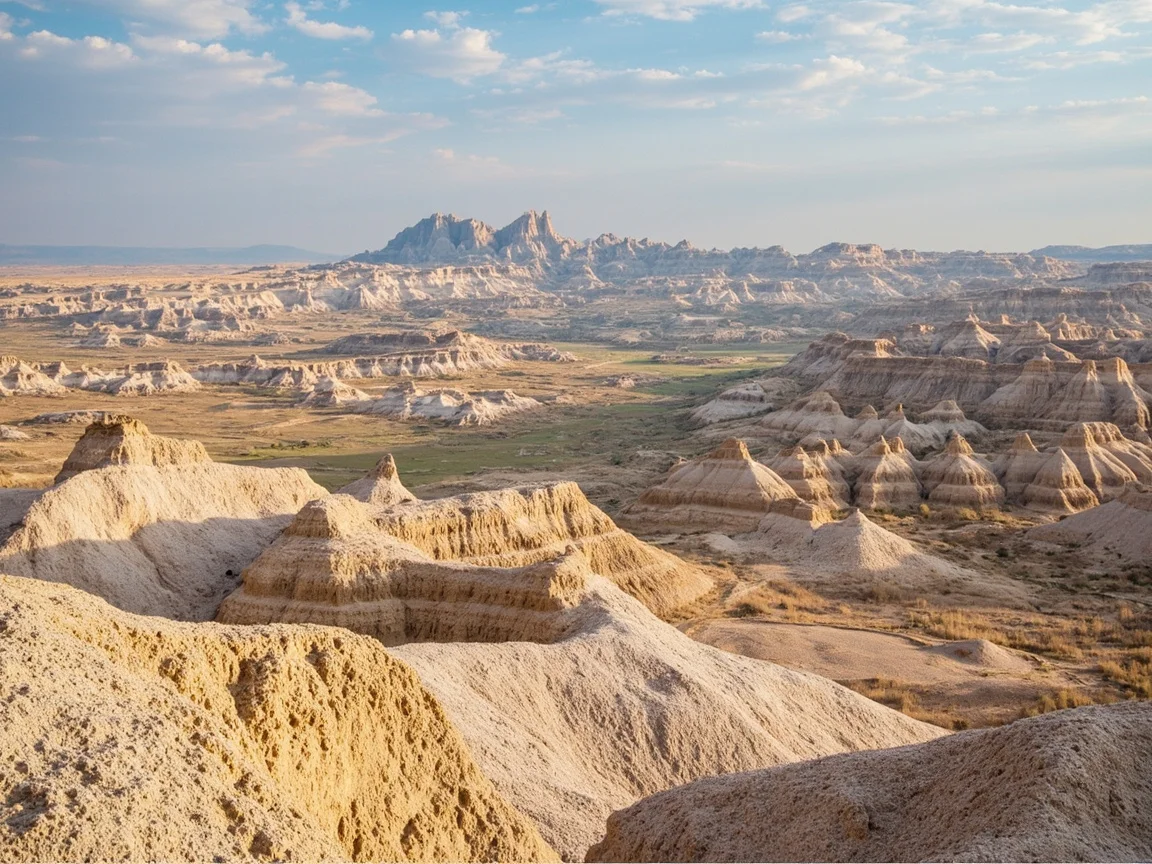
When you break transportation, lodging, dining and tickets down individually, you'll find Badlands National Park isn't expensive at all. Spending money on a sunrise morning, a quiet stretch of road, and a self-cooked dinner is far more worthwhile than blowing your budget on upscale hotels.
Research Document (Reference Sources)
(no reference document available)
Related articles
How to Visit Mount Rainier National Park with Kids: 6 Family-Friendly Activities & Pacing Tips
Mount Rainier National Park is one of Washington State's most popular family destinations — but how do you enjoy it with kids without stress? This guide covers 6 family-friendly activities and pacing tips, including hiking, sightseeing, wildlife watching, and a pitfall checklist to help parents plan an efficient trip.

Where to Stay for Summer Destinations with Kids: A Complete Guide to 4 Areas and Price Ranges
Wondering where to stay for summer destinations with kids? This guide breaks down 4 recommended areas by location and budget, covering attractions, downtown, beachfront, and suburban options. Compare transportation, safety amenities, nightly price ranges, and key room-booking tips for family travel.
8 Overlooked Details for a Denali National Park Trip: Pre-Trip, On-Site, Lodging & Money-Saving Guide
Denali National Park is Alaska's most spectacular wilderness reserve. This guide covers 8 commonly overlooked details across four stages: pre-trip planning, on-site logistics, lodging, and saving money. From essential packing lists to self-drive pitfall tips, from lodging price comparisons to park entry fee-saving tricks, it helps travelers plan ahead, avoid common mistakes, and fully experience the park's snow-capped mountains, wildlife, and aurora magic.
Big Island Hawaii vs Similar Destinations: Pros and Cons of 3 Popular Options & How to Choose
Big Island Hawaii features volcanoes, starry skies, and black sand beaches — a truly unique experience within the Hawaiian Islands. This article compares 3 popular similar destinations across climate, accommodation, itinerary, budget, and ideal traveler types, helping you choose between Big Island Hawaii and other top options at a pace that suits you.
A professional and thoughtful travel assistant website, dedicated to building a one-stop platform for trip planning and destination exploration. The platform brings together a wealth of high-quality travel resources, delivering diverse itinerary inspiration covering niche domestic getaways and popular overseas destinations. It also offers detailed and practical travel guides, including dining and accommodation recommendations, transportation tips, and pitfall avoidance advice, along with smart travel tools that customize suggestions based on trip duration, budget, and preferences, simplifying the complex preparation process and making every trip stress-free and full of new experiences.
View all articles →