
Baltimore Safety & Health: 7 Must-Know Tips for a Worry-Free Trip
A must-read before traveling to Baltimore! This article focuses on Baltimore safety and health, distilling 7 must-know tips covering crime risk awareness, emergency contacts, seasonal illness prevention, and nighttime travel precautions—so you can sidestep pitfalls in advance. Whether you're visiting for the first time or planning an in-depth tour of Baltimore, this itinerary and safety guide will help you travel with greater peace of mind.

Is Baltimore Safe? Key Data for Self-Guided Travelers
Baltimore works well for self-guided tours and in-depth exploration, but safety conditions vary significantly between neighborhoods. How should you assess your lodging area, plan nighttime routes, and call for help quickly in an emergency? According to the FBI's 2023 Uniform Crime Report, Baltimore's violent crime rate remains above the national average for major U.S. cities. The urban core, Inner Harbor attractions, and public transit aren't dangerous everywhere—the key is avoiding high-risk neighborhoods, minimizing nighttime walking, and understanding Baltimore's safety risks and emergency channels in advance.

Visiting Baltimore: Which Areas Require Extra Caution?
Common safety risks in Baltimore include property theft, vehicle smash-and-grabs, sporadic violent incidents, and nighttime public transit risks. Visitors should avoid judging safety by neighborhood name alone. Popular areas such as the Inner Harbor, Camden Yards, and Fells Point are generally lively, but harassment, theft, or alcohol-fueled altercations can still occur late at night.
When choosing accommodation for a self-guided trip, prioritize areas with higher visitor concentration such as Inner Harbor, Harbor East, Federal Hill, and Canton. Parts of Southwest Baltimore near Oriole Park get busy on game days, but walking range shouldn't be extended casually. Some neighborhoods in West Baltimore and East Baltimore, as well as areas around certain unstaffed rail stations, require extra caution at night; don't assume the area around a station is just as safe because the station is near a particular street.
First-time visitors can check same-day information through the Baltimore Police Department, MTA Maryland's official website, and local news. Map review comments can serve as a supplement, but shouldn't replace real-time risk assessment. If your hotel front desk proactively warns that a certain street has seen increased recent incidents, adjust your itinerary accordingly rather than sticking to the original route.
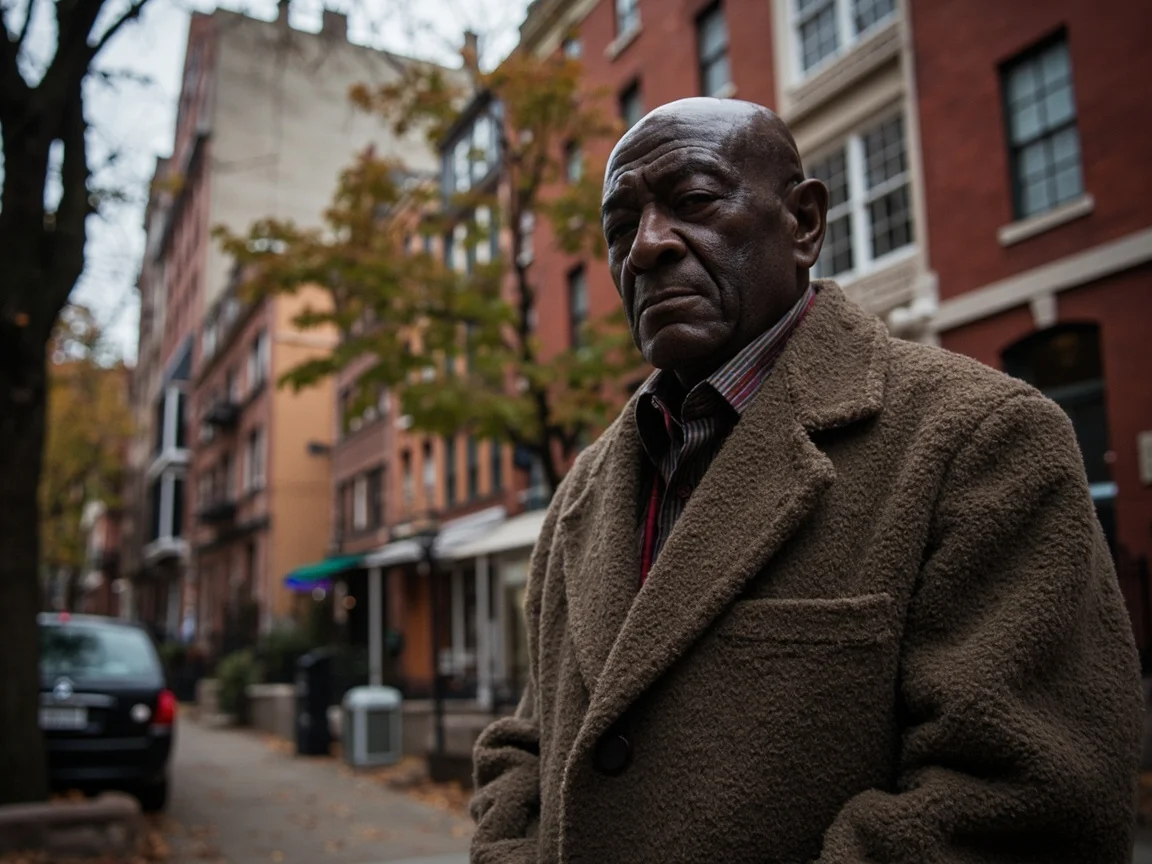
Reducing Crime Risks When Out at Night in Baltimore
At night, it's best to use ride-hailing, taxis, or walk in groups. Avoid waiting for long periods in remote neighborhoods, and don't pull out large amounts of cash on the street. After getting out of a vehicle, don't leave your phone, camera, or shopping bags in visible spots inside the car—even if you're parked for only a few minutes. Take luggage directly to your accommodation, distribute valuables in separate places, and keep your passport and main credit cards on your person.
In bar-heavy areas such as Fells Point and Federal Hill, strangers may approach you, demand money, or spark altercations at night. Keep your distance from strangers approaching you; don't provide alcohol or drugs, and don't get drawn into strangers' disputes. If you suspect you're being followed, immediately enter an open business, hotel, restaurant, or police station for help, and share your location via phone.
When taking a ride-hailing vehicle, verify the license plate, model, driver name, and trip details before getting in, and share your trip with companions. If the driver asks to change the destination, requests early payment, or tries to head to an unfamiliar area, refuse and contact the platform. When taking Amtrak, MARC, or the metro, choose well-lit areas with staff on duty, and stay away from unattended cars and exits.
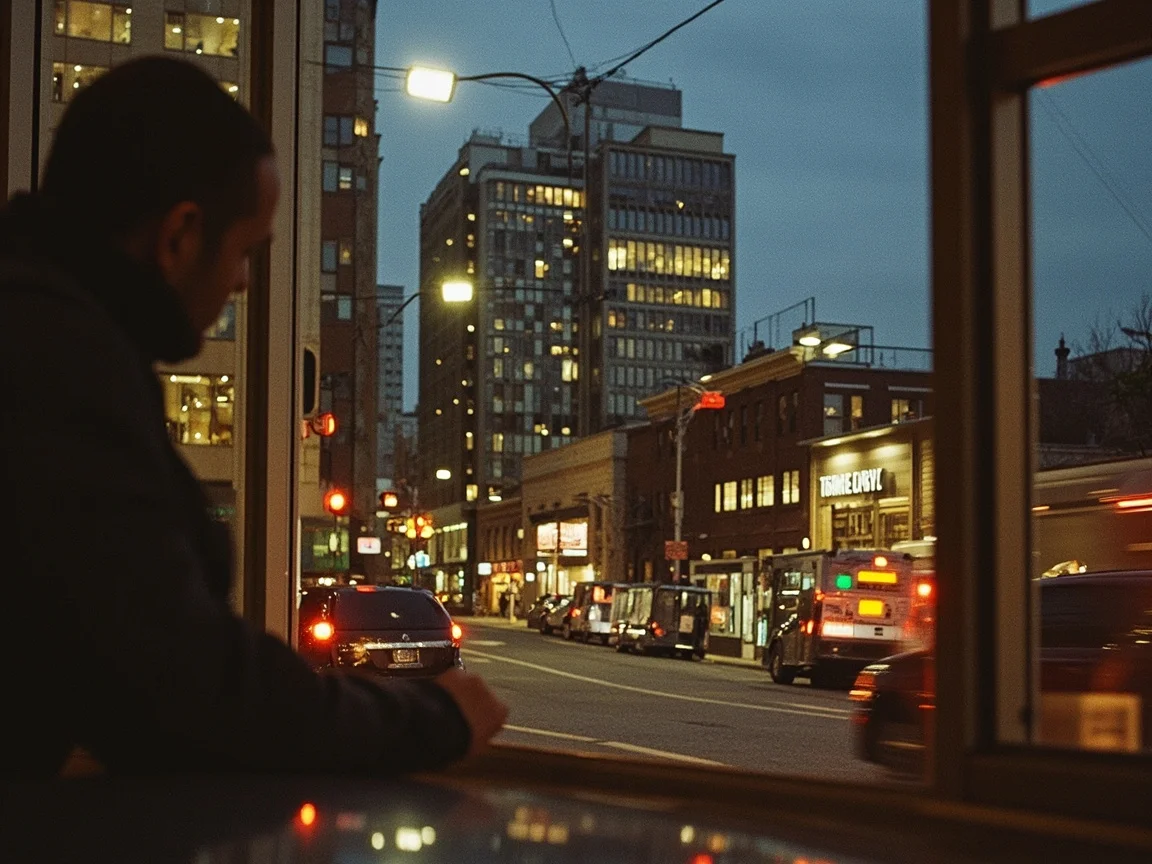
How to Plan Your Itinerary for Both Sights and Health?
Summers in Baltimore are hot and humid; winters are damp and cold. Severe convective weather and snowfall can both disrupt traffic. From June through August, the heat often feels stifling during the day—carry drinking water and sun protection, and avoid long midday walks. From December through February, low temperatures and strong winds are notable; visitors with cardiovascular or respiratory conditions should dress warmly, and check weather alerts and flight status before departure.
Pollen can trigger allergies in spring and fall, while flu and respiratory illnesses are more common in autumn and winter. Travelers can prepare over-the-counter medications, prescription drugs, and allergy medicine according to personal needs. U.S. drug names and brands may differ; prescription medications are best kept in their original packaging along with the doctor's notes. If you develop a persistent high fever, difficulty breathing, chest pain, or signs of significant dehydration, don't keep sightseeing—seek medical care promptly.
During holidays and baseball games, crowds swell noticeably at the Inner Harbor, Camden Yards, and bar areas. When booking hotels and restaurants, avoid lodging that only says "downtown" but is far from public transit. A safer approach is to arrange the day's attractions along the same metro, light rail, or short driving route, minimizing transfers and late-night walking.
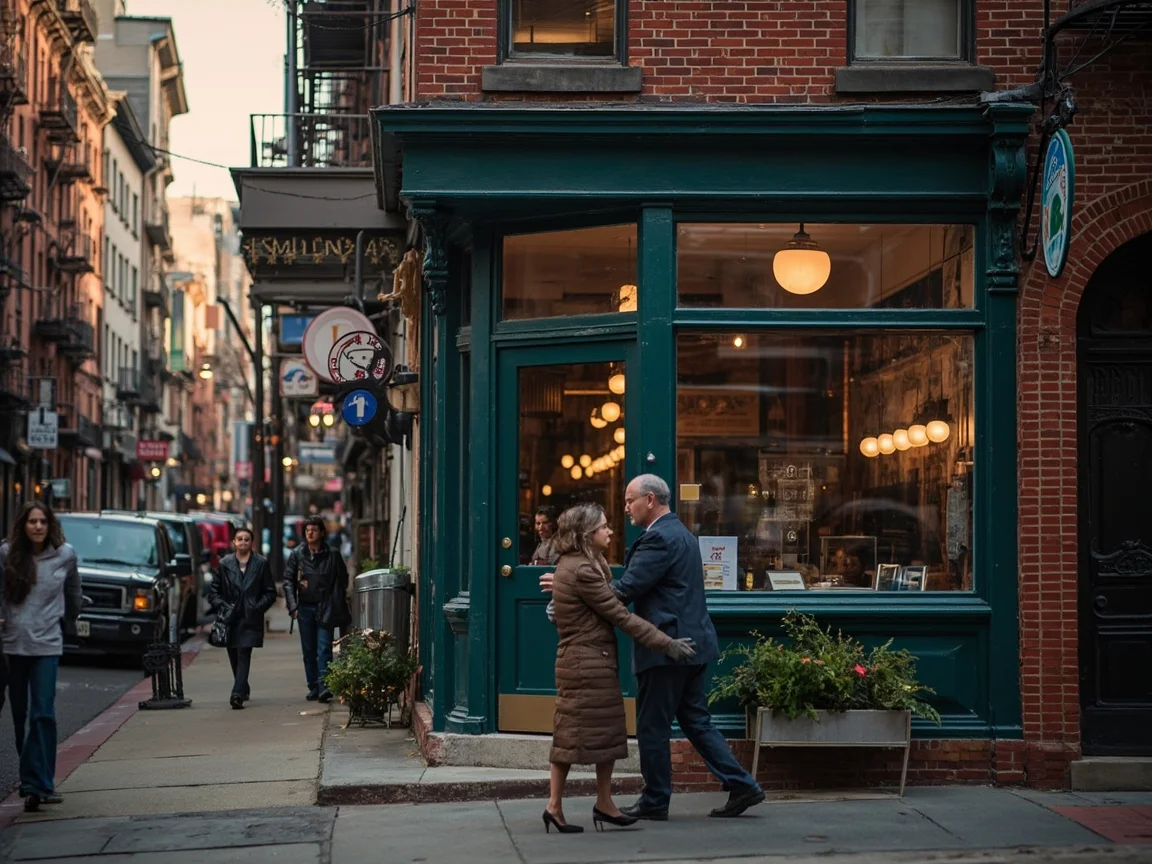
Pitfalls on a Self-Drive Trip in Baltimore: What Mistakes Do Travelers Make Most Often?
The main risks on a self-drive trip include theft of belongings inside the vehicle, illegal parking, driving into high-risk neighborhoods, and unfamiliarity with one-way streets. Never leave luggage, backpacks, shopping bags, or electronics in transparent areas on seats or in the trunk—smash-and-grab thefts often happen in seconds. Choose parking spots that are well-lit, staffed, or connected to your hotel; upon arrival, observe the exit before parking.
Some Baltimore roads have complex historic blocks and one-way lanes; even when navigation prompts a turn, watch for no-turn signs, one-way restrictions, and temporary controls. Never drive into unfamiliar narrow neighborhoods just because navigation directs you there. Familiarize yourself with the route from the parking area to your hotel during daylight, avoid frequently changing destinations at night, and don't park in unattended lots just to save a small amount on parking fees.
When you receive a ticket or notice from the rental company, distinguish between government citations and the rental company's administrative fees. After a breakdown or collision, turn on your hazard lights and move to a safe position before calling the police or your insurance company. Don't accept repair or tow suggestions from strangers at the scene. Dial 911 in emergencies; for non-injury crimes, you can also contact the Baltimore Police Department's non-emergency line.
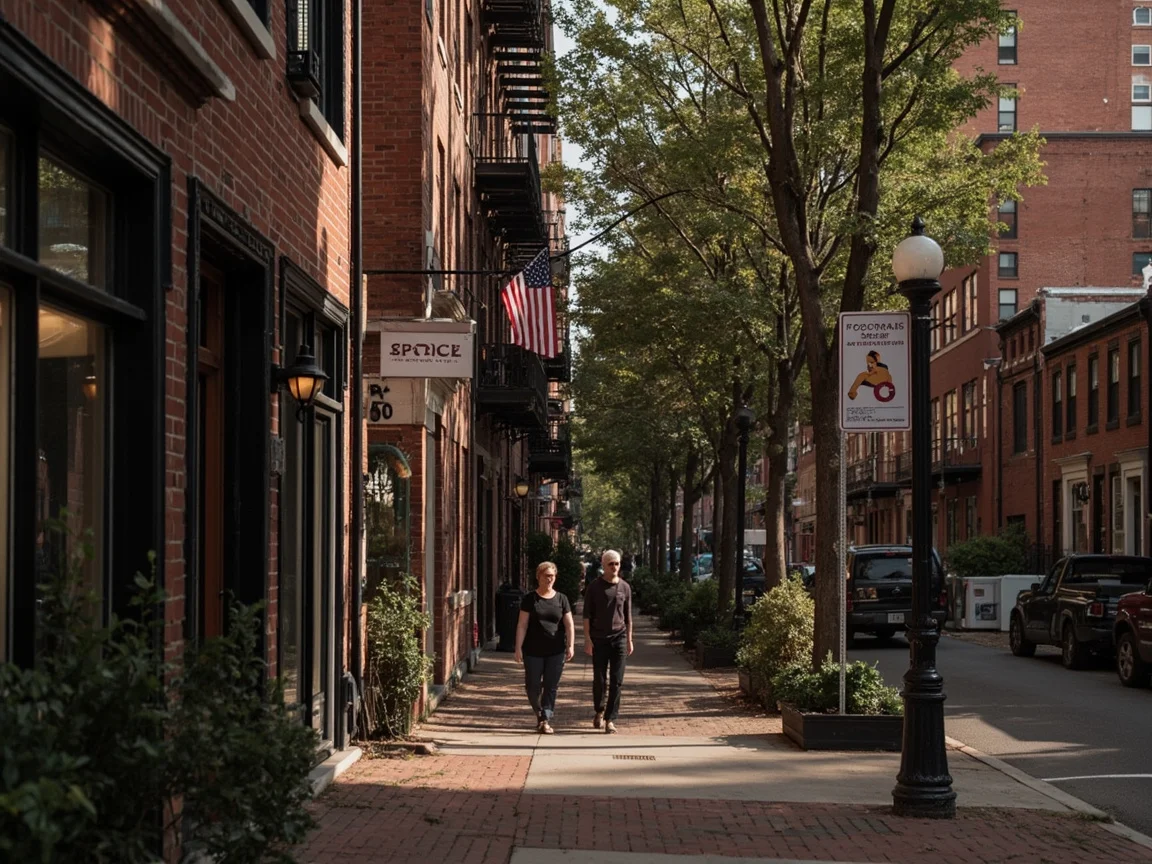
Emergency Response: In What Order Should You Act?
During a robbery, preserving your life comes first—don't risk yourself to protect belongings. Stay calm, hand over items quickly, and observe whether the assailant leaves. Avoid sudden movements or direct eye contact that could be seen as provocative. Once you're in a safe place, dial 911 and accurately state your location, description of the person, whether a weapon is involved, and whether anyone is injured. If you can't speak, show the address the dispatcher texts you to nearby staff.
After a traffic accident, first confirm everyone's safety and call for help. Even for minor scrapes, preserve scene photos, insurance information, and the police report number. If anyone is injured, vehicles are blocking traffic, or there's a fire risk, leave the roadway immediately to a safe area and arrange towing as the police require.
If your passport, credit card, or phone is lost, suspend your bank cards as soon as possible, file a police report, and contact your embassy or consulate. After recording the case number, share the location for replacement documents and transport options with your lodging. For persistent chest pain, severe difficulty breathing, altered consciousness, or heatstroke symptoms, dial 911 directly. If you need service in a language other than English, still dial 911 first, state the language you need, and the dispatch system will arrange an interpreter.
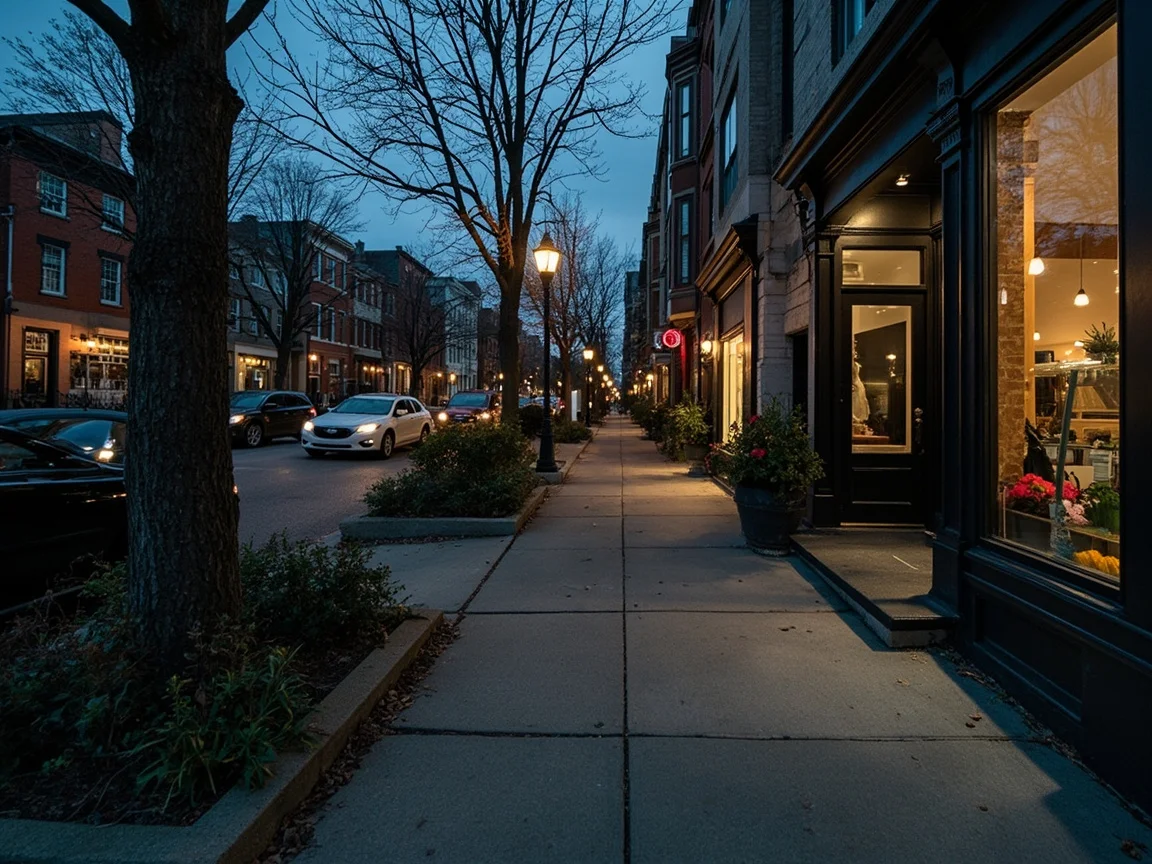
Safety Pitfall Checklist: Practices to Avoid
- Don't display valuables inside your car: Phones, luggage, paper bags, and dashboard-mounted navigation devices can all attract smash-and-grab theft.
- Don't traverse unfamiliar neighborhoods alone late at night: Significant environmental contrasts can exist even between popular attractions.
- Don't treat ride-hailing trips as private: Verify the vehicle and driver before getting in, and end the trip after you've exited.
- Don't follow impromptu parking suggestions: Use proper parking lots and avoid leaving your car in poorly lit open areas.
- Don't display cash or valuable jewelry on the street: When paying, move closer to counters, cash registers, or indoor areas.
- Don't enter abandoned buildings, private property, or rail facilities for photos: Such behavior is dangerous and may also violate regulations.
- Don't ignore physical warning signs: If heatstroke, dehydration, or hypoglycemia symptoms worsen, stop sightseeing immediately.
- Don't lump all neighborhoods into one safety tier: Lodging location, time of walking, and group size all change the risk.
- Don't set off without backups: Keep offline copies of your hotel address, emergency contacts, booking details, and policy numbers.
- Don't rely on a single source of information: Weather, crime, traffic, and attraction operating info should each be verified separately and updated dynamically.
Frequently Asked Questions
Is Baltimore walkable at night?
Popular tourist and shopping streets are relatively walkable when crowds are present, but late at night, walking in groups or using ride-hailing or taxis is still recommended; unfamiliar neighborhoods should not be explored on foot.
What should Baltimore travelers guard against most?
The most common issues are in-car theft, street harassment, and nighttime crime risks. Keep valuables on your person, avoid remote areas at night, and risk drops noticeably.
Do I need travel insurance for a trip to Baltimore?
For long international or interstate trips, insurance covering medical care, trip interruption, lost luggage, and emergency evacuation is recommended. Confirm in advance whether out-of-network medical care is reimbursable.
Further Reading / References
- Baltimore history and city overview
- U.S. National Park Service travel safety advice
- Official U.S. tourism website
- The New York Times Travel section
A note for readers: weave safety judgment into your choice of lodging, transport, and schedule. Stay alert without letting caution ruin the trip—thoughtful planning is what lets you get to know Baltimore with greater ease.
Related articles

9 Practical Tips Only Moab Veterans Know: A Hassle-Free Pre-Trip Guide
9 practical tips only Moab veterans know, written specifically for pre-trip preparation. Centered on key scenarios like lodging booking, self-drive routes, seasonal choices, dining timing, and money-saving techniques, this guide consolidates fragmented insights into an actionable hassle-free playbook—helping first-time visitors dodge pitfalls and see more, so your Moab trip goes smoother.

Complete Park City Solo Trip Guide: 7 Safe, Free, and Hassle-Free Plans
This complete Park City solo trip guide lays out 7 safe, free, and hassle-free plans for travelers going alone: covering accommodation choices, transit connections, food recommendations, seasonal packing, and holiday crowd-avoidance tips. The article provides pacing suggestions and an FAQ pitfall checklist to help you enjoy Park City's skiing and mountain hikes without getting scammed or feeling lonely. One person can also enjoy an in-depth visit to this boutique Utah town.

Things to Do in Las Vegas in October 2026: Best Month to Visit — Full-Year Weather, Crowds & Price Curve Compared
Wondering what to do in Las Vegas in October 2026 or which month is best? This article compares weather, visitor volume, and hotel price curves across all 12 months of 2026, breaking down comfort and value month by month. It covers holiday fluctuations like CES, Chinese New Year, Memorial Day, and Thanksgiving, highlights prime windows in October, March, and November, and lists practical tips for snagging October booking deals.

Maui Safety & Health: 7 Essential Tips for a Worry-Free Trip
Planning a Maui vacation? This safety and health guide covers 7 essential tips, including hidden beach currents, intense UV rays, mountain driving, tropical insects, and emergency contacts. With a practical pitfall checklist and local first-aid info, you'll spot potential hazards early and know exactly how to respond. Whether it's your first visit or a return trip, these tips help keep your Maui journey safe, smooth, and truly enjoyable.
A professional and thoughtful travel assistant website, dedicated to building a one-stop platform for trip planning and destination exploration. The platform brings together a wealth of high-quality travel resources, delivering diverse itinerary inspiration covering niche domestic getaways and popular overseas destinations. It also offers detailed and practical travel guides, including dining and accommodation recommendations, transportation tips, and pitfall avoidance advice, along with smart travel tools that customize suggestions based on trip duration, budget, and preferences, simplifying the complex preparation process and making every trip stress-free and full of new experiences.
View all articles →