
Best Time to Visit Yellowstone National Park to See Wildlife vs. Similar Destinations: 3 Popular Options Compared
Best time to visit Yellowstone National Park to see wildlife: Compare the viewing seasons, chances of spotting animals, and travel experiences across Yellowstone, Banff, and Zion, while considering blizzards, earthquakes, wildfires, remote-area medical care, insurance, and solo travel safety for women.
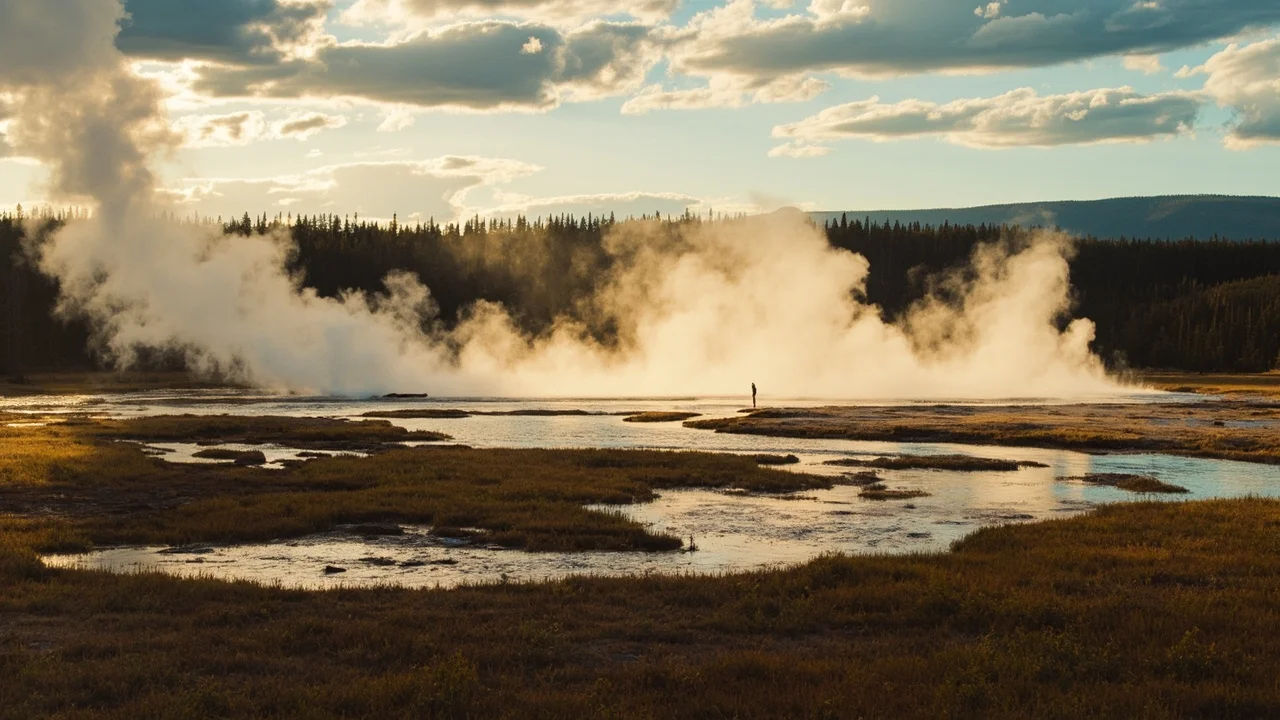
Best Time to Visit Yellowstone National Park to See Wildlife: When to Go and How to Choose Between Three Wildlife Experiences
If you are searching for the best time to visit Yellowstone National Park to see wildlife, the answer is not simply “spring, summer, autumn, or winter.” Wildlife activity periods, weather risks, road conditions, and medical support differ across Yellowstone, Banff, and Zion. According to 2025 guidance from the National Park Service, Yellowstone’s winter roads and some facilities close, and blizzards can rapidly change travel plans. Banff offers a more concentrated winter viewing experience, although extreme cold increases risks for vehicles and hikers. Zion’s summers are dry, but hot temperatures, wildfires, and thunderstorms pose hazards. The following comparison evaluates three popular choices by viewing season, safety provisions, and ease of self-guided travel.
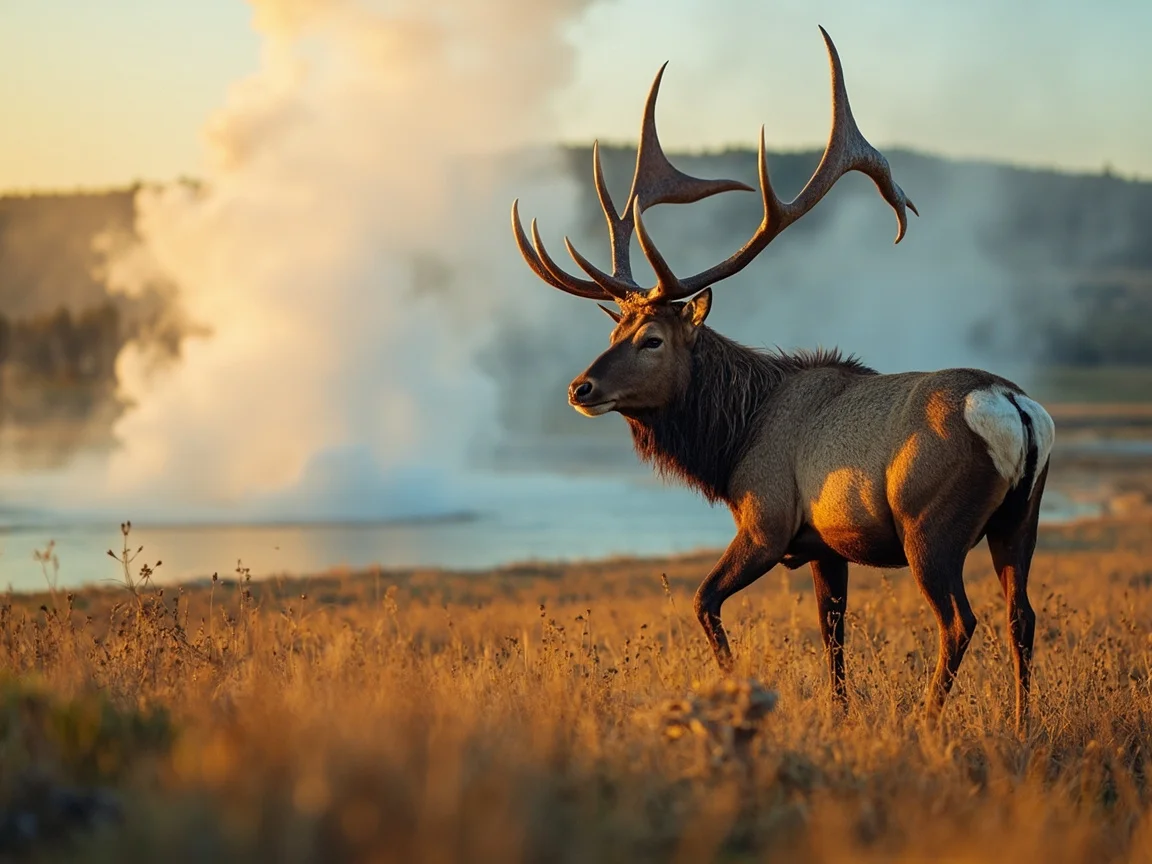
Yellowstone, Banff, or Zion: Start with Your Three Most Important Questions
First, do you want to see wolves, bears, and large cats, or would you prefer a consistently high chance of spotting wildlife each day? Yellowstone is one of the best choices for large wildlife diversity, but animals do not appear according to visitors’ schedules. Gray wolves are generally easier to observe in winter, while brown bears may be active throughout the year; their locations vary between breeding seasons and periods when food is scarce. Banff’s bears often appear near roads, rivers, and campsites, making them easier to see, while mule deer, raptors, and desert lizards in Zion are relatively easy to encounter. However, top predators are rare there.
Second, can you accept weather-related interruptions? Yellowstone’s high elevation brings spring snow, summer thunderstorms, and sudden autumn cold. Banff’s winter viewing has strong value, but subzero temperatures, blowing snow, and icy roads limit the area you can explore. Zion’s summer conditions are relatively stable, though visitors must contend with dry heat, limited water, and wildfire smoke.
Third, do you prefer an in-depth trip or a road-focused sightseeing itinerary? Yellowstone deserves seven to ten days covering several ecological zones. Banff can be explored in five to seven days through the Icefields Parkway, Lake Louise, and wildlife-viewing areas. Zion generally requires four to six days to cover both its canyons and wildlife observation. Self-guided travelers should also compare peak-season accommodation prices, rental-car restrictions, and mobile coverage before booking.
Yellowstone Wildlife Viewing: When to Go and How to Balance Animals with Risk
If large-animal numbers and landscape diversity are your main priorities, the peak season for Yellowstone wildlife viewing runs from late spring through early autumn. From May to June, snowlines remain low, and elk, bighorn sheep, and various raptors often gather near water sources. July and August offer longer daylight hours and more active nocturnal gray wolves. Visitor numbers decline from September to October, when autumn colors stand out, but early frost and temporary road closures require caution.
Travel safety in Yellowstone is complicated by its vast area, complex terrain, and limited mobile reception in some locations. Visitors should stop only at designated viewing areas, never approach bears, wolves, or animals with young on foot, and always maintain a distance of at least 25 meters. Use a telephoto lens rather than moving closer for photographs. The National Park Service’s 2025 advisory warns that both black bears and gray wolves may actively approach human food sources, so all rubbish must be stored in bear-resistant containers.
Regarding weather, most park roads open from late June through September, while many vehicle services close in winter. If a blizzard occurs, do not rely on last-minute tire purchases or four-wheel drive. Check road reports before departure and leave a margin for fuel and warm clothing.
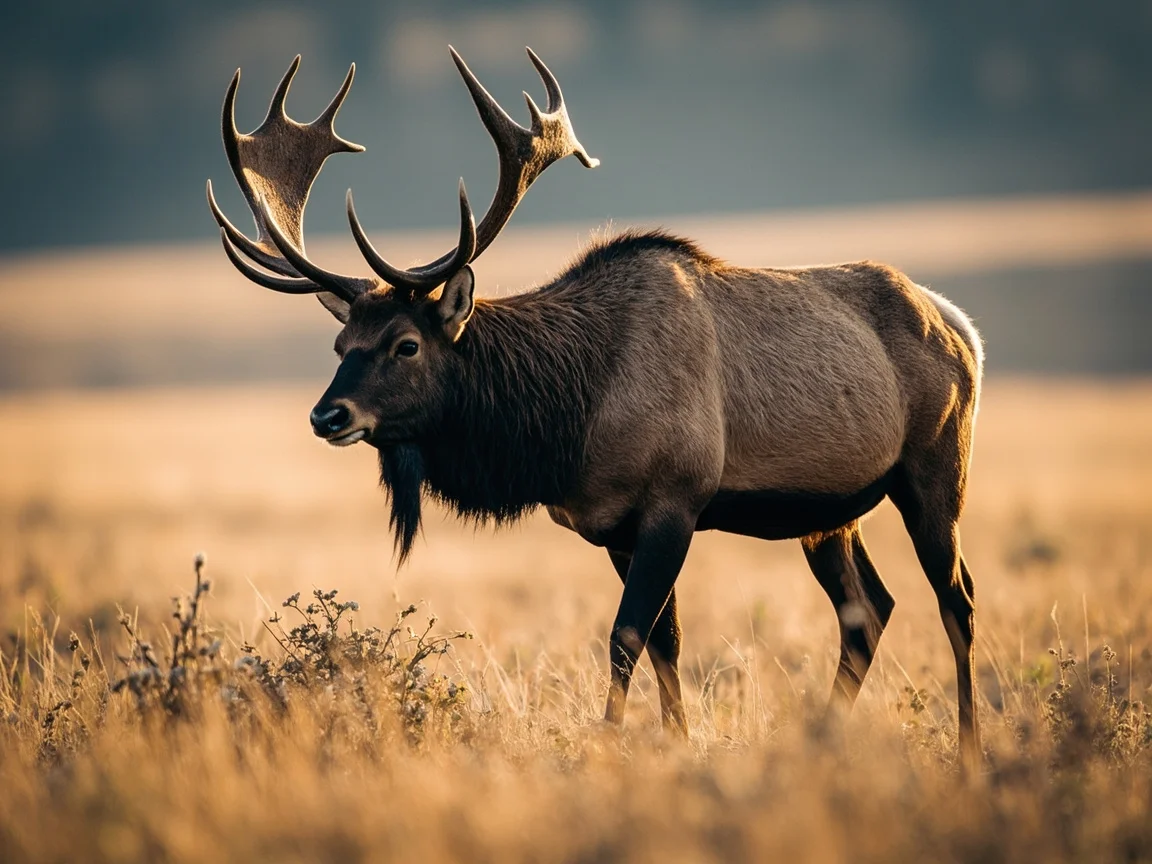
Banff Wildlife Viewing: Are Bears Easier to See in Winter?
Among the three destinations, the clearest advantage of Banff wildlife viewing is continued winter access along the Icefields Parkway toward Lake Louise. Winter traffic is relatively busy, and in good visibility it is easier to spot bighorn sheep, elk, and moose along the roadside. Grizzly bears frequent river valleys and well-fed resting areas, but GPS coordinates are only useful for planning and cannot replace judgment in the field.
Banff National Park will continue requiring winter access permits in 2025 and may impose restrictions or closures depending on snowfall and road conditions. The park also advises visitors not to leave vehicles to follow animals or stand in the middle of traffic lanes for photographs. Chasing or feeding animals can result in substantial fines.
Self-drive travelers should take extra precautions against common Canadian winter hazards such as freezing rain, blowing snow, and black ice. When renting a vehicle, confirm that it has winter tires, a first-aid kit, and roadside assistance. Purchase insurance that includes roadside recovery and download offline maps for areas without mobile reception. Medical resources in Banff town are more comprehensive than those in remote valleys, but visitors entering the national park should still carry basic medication and purchase visitor medical coverage as recommended by Canadian health authorities in 2025.
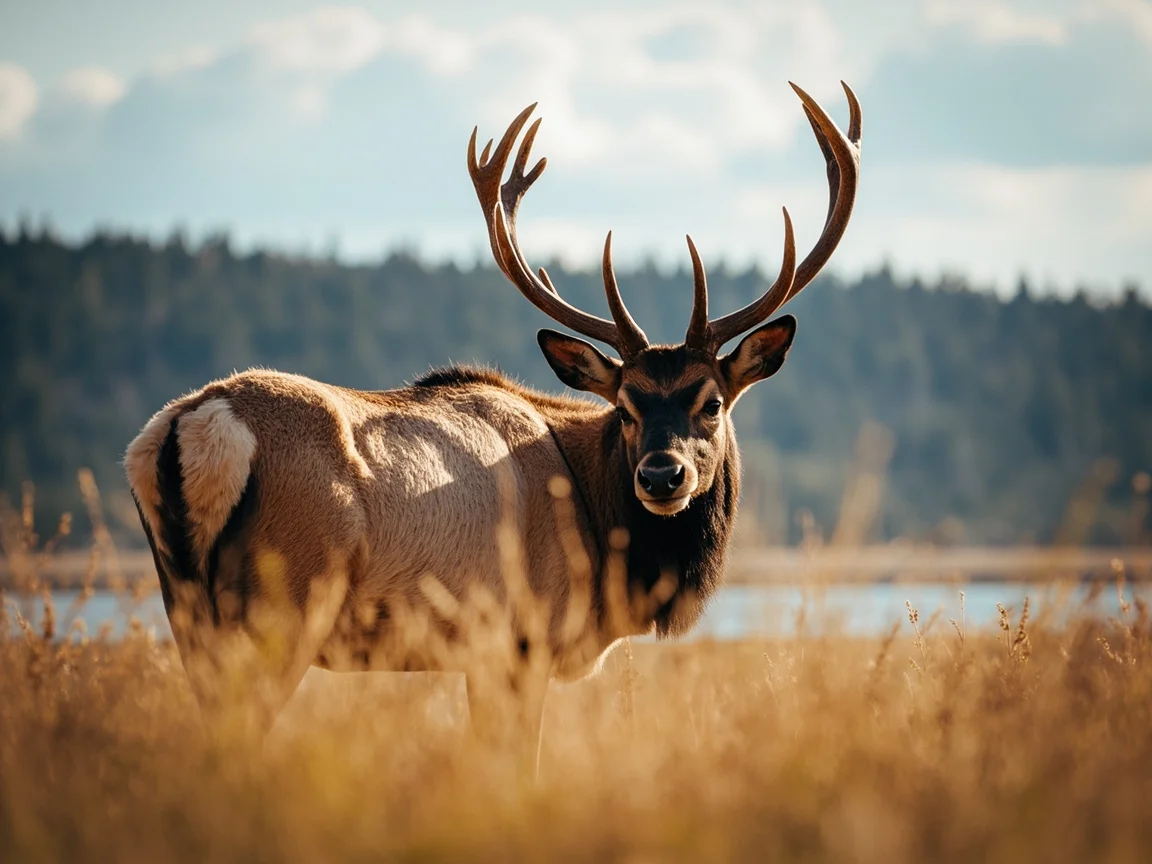
Zion Wildlife Viewing: Is Summer More Reliable Than Autumn?
The central experience of Zion wildlife viewing is not chasing rare large animals but observing how mule deer, bighorn sheep, mountain lions, gray foxes, and raptors interact with the canyon environment. Narrow canyons concentrate animal activity, and sightings are generally more frequent near rivers and in low-elevation shrublands. Spring brings fresh vegetation and richer birdwatching, early summer features active waterbirds, and when temperatures exceed 35°C in midsummer, wildlife is more likely to be active around dawn.
Autumn brings fewer visitors, and some animals move toward water and lower elevations, but overnight lows increase the risk of icy roads. Zion National Park’s 2025 guidance recommends carrying sufficient water, sun protection, and heat-emergency supplies during summer. During frequent thunderstorms, leave isolated trees and exposed rock surfaces near canyon rims immediately. Throughout wildfire season, monitor public alerts continuously and do not enter closed areas based solely on an app’s route suggestions.
Most Zion accommodation is concentrated in Springfield, near park entrances, and in surrounding small towns. Respect local cultural conventions when entering Zion National Park, Zion, or Indigenous lands. Do not approach sacred sites, ceremonial areas, or private property. Medical services within the park are limited, and serious cases require transfer to a city such as Springfield.
Solo Travel for Women, Valuables, and Emergency Contacts: Are All Three Destinations the Same?
The key to solo-travel safety is not a destination label but your route, driving time, accommodation, and communication plan. Some canyons and trails in Yellowstone and Zion are far from towns, and women should not treat an invitation from a stranger as a safe shortcut. Banff’s mountain areas present similar concerns. Choose accommodation with a staffed front desk, overnight security, and public transportation, and avoid detached rentals in overly remote locations.
Theft prevention depends on small details. Vehicle break-ins occur in national parks and surrounding towns throughout the United States, so even when parking for only a few minutes, do not leave luggage, cameras, or power banks in view. Confirm your vehicle’s condition and accommodation insurance requirements upon arrival. Store important documents separately from backups, and while driving, choose well-lit parking lots with clear exits rather than treating your vehicle as a long-term storage unit.
In an earthquake, blizzard, wildfire, or animal conflict, follow the principles of staying away from danger, recording information, and seeking help early. In an emergency, dial 911 in the United States or Canada. Yellowstone Visitor Services and park police can also provide information. Before departure, send friends and family your itinerary, accommodation address, and vehicle registration number, and prepare a paper contact list that does not depend on network access. When entering a trail alone, carry a tracking device, whistle, first-aid supplies, and warm layers.
Pitfall Checklist: These Practices Are More Dangerous Than Missing an Animal
Do not stop in the middle of the road at dawn or night to look for bears. Pull into a designated viewing area, turn off the engine, and use a telephoto lens. If an animal enters the road, stop and wait. Do not honk to drive it away or cross between moving vehicles.
Do not hike to search for bears, wolves, or mountain lions. Yellowstone and Zion have recorded cases of visitors being injured after getting too close to animals. Keep food sealed on hikes, avoid strongly scented meat products, and follow behavioral guidance issued by park authorities.
Do not assume four-wheel drive guarantees absolute safety. Winter roads in Yellowstone and Banff may be icy, snow-covered, or closed because of blizzards, while Zion’s summers can bring wildfires, thunderstorms, and extreme heat. Use tires appropriate for the season, allow extra time in the itinerary, and never push into remote areas with insufficient fuel.
Do not overlook insurance exclusions. Basic rental coverage may not apply when a vehicle enters an unopened road, or for tire damage, broken glass, recovery costs, or trip cancellation due to severe weather. Yellowstone and Zion may also impose temporary closures because of earthquakes, wildfires, or floods. When comparing policies, check terms covering camping, remote-area towing, and natural disasters.
Do not underestimate congestion and accommodation pressure during holidays. Rates near the parks often rise, parking becomes scarce, and restaurants have long queues during Thanksgiving, Labor Day, and the Christmas and New Year period. For an in-depth trip, reserve refundable accommodation well in advance and prepare alternative plans for popular viewing areas.
Frequently Asked Questions
Which destination is best for a first-time wildlife-viewing trip?
For a first visit, Banff is a strong choice because its roadside viewing areas are concentrated and the chance of seeing bears is relatively high. Choose Yellowstone for greater diversity of large animals, or Zion if you prefer birds, mule deer, and canyon scenery.
Is seeing gray wolves in Yellowstone in summer better than seeing bears in Banff in winter?
The experiences are different. Yellowstone provides more room for nocturnal activity in summer, while Banff offers convenient roadside viewing in winter, although extreme cold and road closures reduce itinerary flexibility. Choose based on your preferences and driving experience.
What extra preparation should women make when driving solo through Yellowstone, Banff, or Zion?
Stay at staffed accommodation, avoid isolated trails at night, and share your itinerary before departure. Carry offline maps and warm first-aid equipment, and confirm that your insurance covers remote-area recovery.
Further Reading and References
- Official Yellowstone National Park safety and travel information
- Official Banff National Park wildlife-viewing guide
- Official Utah Travel website
- Yellowstone National Park background information
There is no single best time to visit Yellowstone National Park to see wildlife. Choose Yellowstone for large animals, Banff for convenient winter road viewing, or Zion for a stable and easy-to-plan overall experience. Wherever you go, put animal distance, weather alerts, insurance terms, and emergency contacts at the top of your itinerary.
Related articles
best time to visit yellowstone for fall colors 2026 Budget Checklist: Sensible Allocation for Transportation, Lodging, Dining, and Tickets
A best time to visit Yellowstone for fall colors 2026 budget checklist to help plan transportation, lodging, dining, and ticket expenses, with guidance on safety, medical resources, insurance choices, and responses to blizzards and earthquakes for a worry-free autumn trip.

hotels in nashville on broadway: 8 Often-Overlooked Travel Details for Before, During, and After Your Stay
When choosing hotels in nashville on broadway, focus on safety, medical resources, emergency contacts, and natural disaster alerts. This FAQ and pitfall checklist covers pre-trip preparation, safety on the go, solo travel for women, theft prevention, and ways to save on accommodation while reducing risks and handling unexpected situations confidently.

weather in orlando in november 2026 Travel Guide: Top Attractions, Routes, and Essential Tips for 2026
A complete weather in orlando in november 2026 travel guide covering November’s climate, crime data, healthcare and insurance options, hurricane and storm response procedures, solo travel and valuables security advice for women, plus must-visit attractions, routes, and practical tips for a safe and efficient 2026 itinerary.

Columbus 2026 Budget Checklist: Smart Allocation for Transport, Accommodation, Dining and Tickets
This Columbus 2026 budget checklist provides detailed allocation advice for the four major expense categories: transport, accommodation, dining and tickets. Combined with Columbus money-saving tips and value-for-money evaluation methods, it helps you master Columbus budget allocation techniques and keep travel costs under control. Whether it's a short weekend getaway or an in-depth self-guided tour, you'll find a Columbus spending optimization plan that fits, making every dollar count.
A professional and thoughtful travel assistant website, dedicated to building a one-stop platform for trip planning and destination exploration. The platform brings together a wealth of high-quality travel resources, delivering diverse itinerary inspiration covering niche domestic getaways and popular overseas destinations. It also offers detailed and practical travel guides, including dining and accommodation recommendations, transportation tips, and pitfall avoidance advice, along with smart travel tools that customize suggestions based on trip duration, budget, and preferences, simplifying the complex preparation process and making every trip stress-free and full of new experiences.
View all articles →