
Big Island Hawaii Safety and Health: 7 Must-Know Tips for a Worry-Free Trip
Safety and health are essential when traveling to Big Island Hawaii. This guide compiles 7 must-know tips covering volcanic zones, ocean activities, weather changes, and medical emergencies to help travelers avoid risks in advance. Whether self-drive or self-guided tour, mastering these practical points will make your Big Island Hawaii trip safer and smoother—be sure to bookmark before departure.
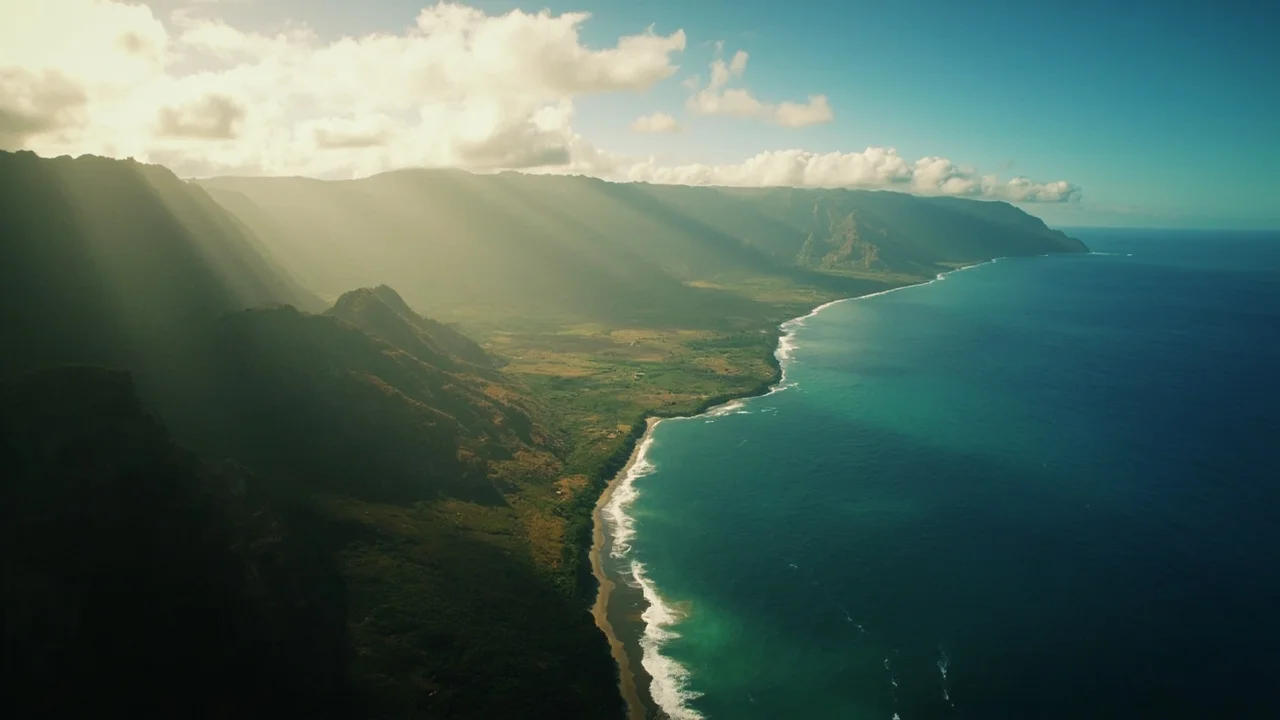
Hiking in the Volcano National Park: How to Avoid Pitfalls?
The most irreplaceable experience on Big Island Hawaii is stepping into Hawai'i Volcanoes National Park. According to a 2025 announcement by the National Park Service (NPS), park trails may close temporarily due to gas concentrations, rockfalls, or changes in lava flow paths—but the park typically posts notices at entrances and on its official website 24 hours in advance. Before heading out, check the "Current Conditions" on the Hawai'i Volcanoes National Park official page—it's more useful than any travel guide.
A few easily overlooked points while hiking:
- Peak gas hours: Sulfur dioxide (SO₂) tends to accumulate on the downwind side during early morning and evening. Visitors with asthma or who are pregnant should avoid these times.
- Safe distance from lava: Even if a lava surface appears "cooled," it may still retain high temperatures beneath, and stepping on it can burn through your shoe soles.
- Loose rock: Scoria trails are loose and unstable—wear sturdy hiking boots rather than sandals.
In case of emergency, the main entrance (Kīlauea Visitor Center) has an emergency call point connected directly to NPS dispatch.
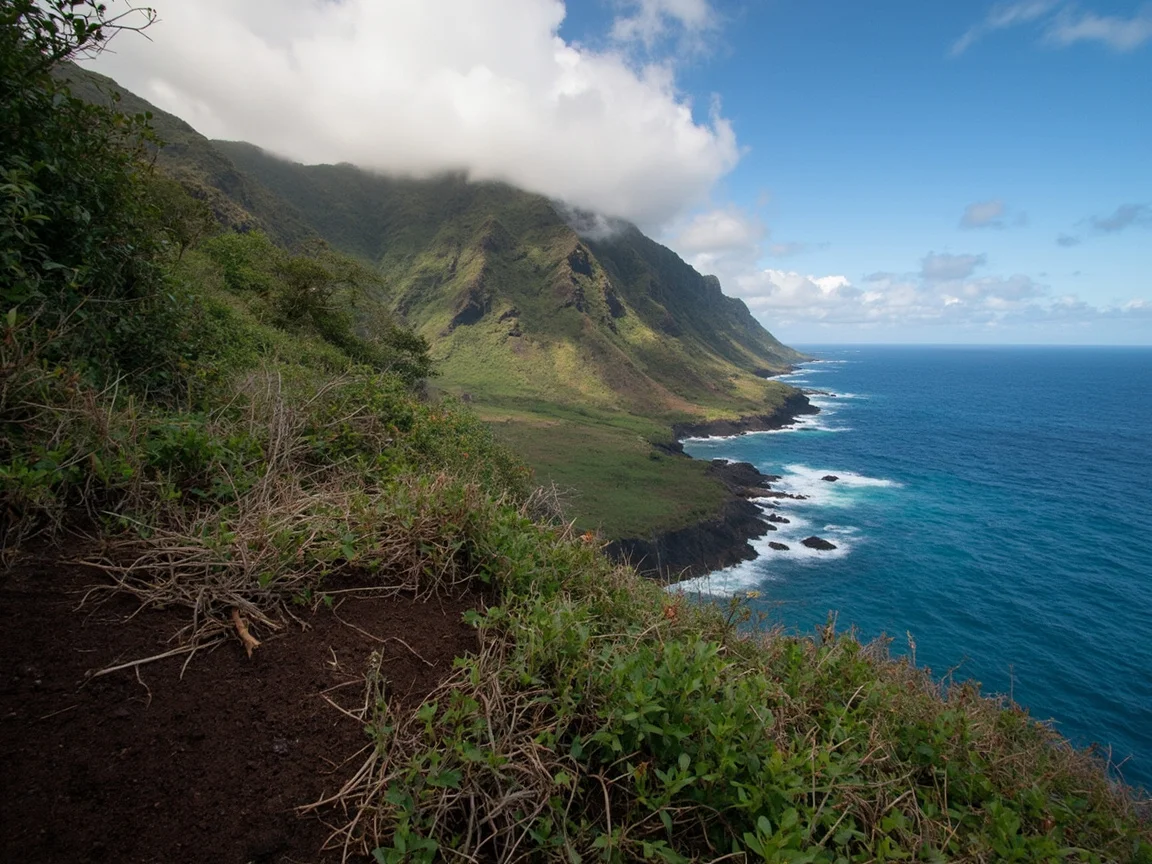
Coast and Ocean Activities: When Should You Head Back to Shore?
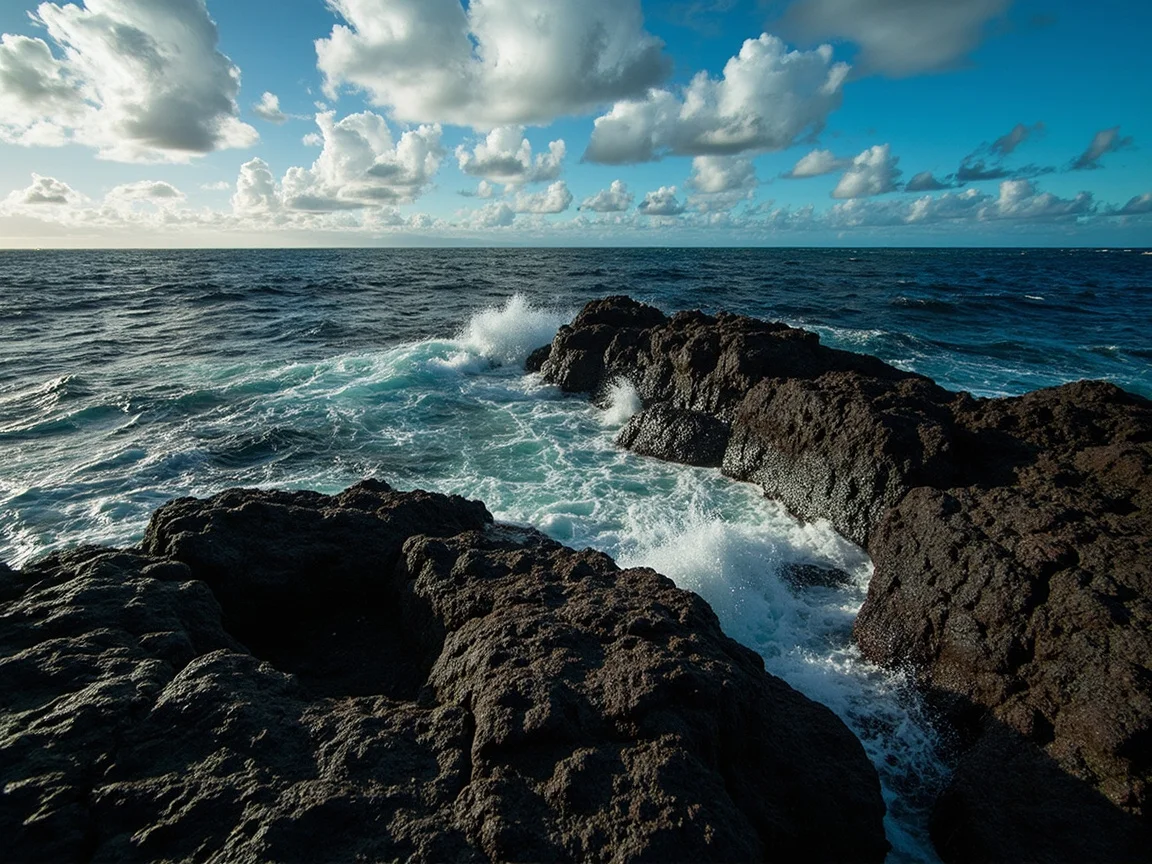
Big Island's coastline is diverse, with black sand and green sand beaches among the most popular photo spots. Ocean risks are more pronounced at lesser-known bays and unstaffed beaches—there are no lifeguard towers, and currents are stronger than at well-developed beaches like Waikīkī. Before heading out, check the daily ocean safety bulletin on Hawaii County Ocean Safety.
- Rip currents are the leading cause of drownings on Big Island. If caught in one, swim parallel to the shore rather than directly back to land.
- Green Sand Beach requires hiking about 5 km on an unpaved trail—dehydration is common when fatigued or in hot weather.
- Glass-like basalt particles on black sand beaches can cut bare feet.
If your itinerary includes snorkeling or diving, confirm whether local "tide pool—no entry" signs are posted, and avoid touching toxic sea anemones and sea urchins.
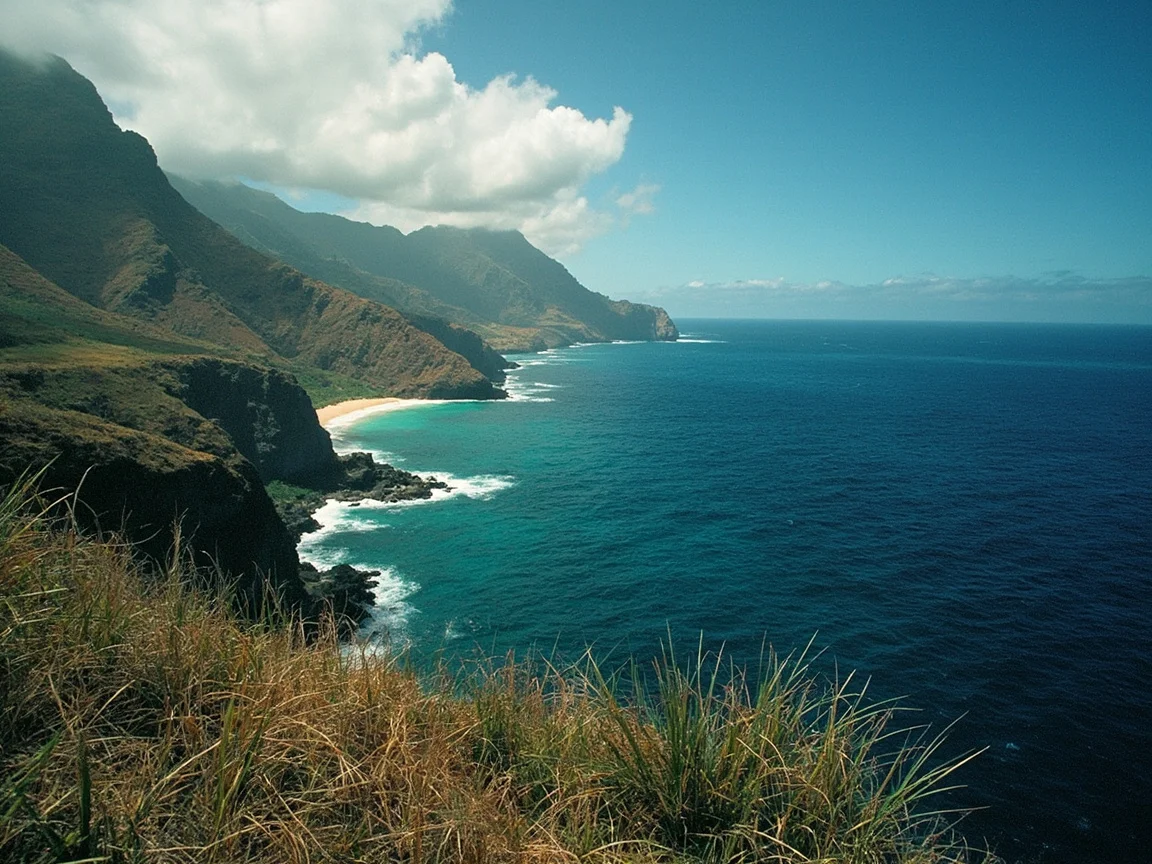
Weather and Seasonal Changes: How to Avoid Being Caught Off Guard?
Big Island spans 11 climate zones—you can experience rain in Hilo, wind in Waimea, and sunshine in Kona all in one day. According to data from the National Weather Service (NWS), the windward side of the island can receive over 3,000 mm of annual rainfall, while the leeward side gets less than 250 mm—a dramatic difference.
- Rainy season (November–March): Sudden downpours in mountain areas can trigger local flash floods and landslides.
- Hurricane season (June–November): Peak months are July–September; hotels and B&Bs generally notify guests 48 hours before arrival if evacuation is needed.
- Elevation differences: At the 4,205 m Mauna Kea stargazing point, temperatures can be more than 20°C lower than at sea level.
Check the "Area Forecast Discussion" from the NWS Honolulu office each morning—it's more accurate than mobile weather apps.
Driving Routes and Vehicles: What "Small Oversights" Can Ruin Your Day?
Most self-guided tour visitors choose to circle the island by self-drive. The Big Island "self-drive" route is about 360 miles (around 580 km), with Saddle Road (Daniel K. Inouye Highway) connecting Hilo and Kona as the preferred shortcut. When renting a car, it's worth confirming:
- Whether insurance includes roadside assistance: Some Big Island roads are remote with weak cell signal, and rescue response times for flat tires or breakdowns are long.
- GPS signal: On parts of Saddle Road, standard navigation can lose accuracy—an offline map backup is safer.
- Fuel planning: Outside Kona and Hilo, gas stations are sparse; refuel when the tank drops below half.
For parking, popular spots like Akaka Falls State Park are usually full after 9 a.m.—off-peak visits or carpooling saves hassle.
Medical and Emergency: What to Prepare Before Departure?
Big Island's main hospitals are located in Hilo (Hilo Medical Center) and Kona (Kona Community Hospital); medical costs have no cap for foreign visitors. Before departure, consider:
- Travel insurance: Confirm coverage for emergency medical evacuation (medevac), especially for volcanic mountain areas or diving accidents.
- Basic medications: Sunscreen (SPF 30+), insect repellent (containing DEET), motion sickness pills, stomach medicine.
- Vaccines and health declarations: No special vaccines required, but Hawaii State strictly enforces agricultural inspections on entry—meat and seed products are often confiscated.
For a list of English-speaking clinics, refer to the public page of the Hawaii State Department of Health.
Local Culture and the "Do Not Do" List
This final section is for those who don't want to offend locals. Hawaiians hold the land (āina) and culture in the highest regard. Even if no one calls you out on the spot, it's best to avoid the following:
- Do not take volcanic rocks or black sand: Legend says it brings bad luck, and it also violates state law.
- Do not enter private viewing platforms without permission: Many photo spots are in residential areas.
- Do not spray-paint "I was here" in non-designated areas: Graffiti fines inside Volcano National Park can run into thousands of dollars.
- Do not trespass on closed trails: NPS closes trails for safety or cultural reasons.
- Do not pitch tents overnight on the roadside: Some Big Island areas are private ranches or protected zones.
Following these points will save you a lot of trouble on your Big Island Hawaii trip and make you more welcome among locals.
FAQ
Q: Do I need to bring sunscreen to Big Island? A: Yes, it's a must. Choose SPF 30+ reef-safe sunscreen and avoid products containing oxybenzone.
Q: Can volcanic activity affect flights? A: Possibly. During heavy volcanic smog, volcanic ash clouds can disrupt airport operations—check airline and state government notices before departure.
Q: How many days are ideal for a self-drive circle-island trip? A: 5–7 days is comfortable, covering volcanoes, stargazing, coastlines, and small towns without frequent hotel changes.
Further Reading and References
- Hawaii Volcanoes National Park — Wikipedia
- Big Island Hawaii Popular Experiences — Tripadvisor
- Hawaii Island Official Travel Page — Go Hawaii
- Big Island Hawaii Travel Guide — Lonely Planet
Check the weather, insurance, and volcano notices one more time before you go. Big Island Hawaii always has more to offer than any guidebook can capture.
Related articles

Hotels in Phoenix AZ: How to Get There Most Conveniently — A Comparison of 4 Main Transportation Options and Ticket Booking Guide
Planning to visit hotels in Phoenix AZ but unsure how to get there most conveniently? This article systematically compares 4 main transportation options — flights, self-drive, trains, and long-distance buses — across multiple dimensions including travel time, cost, comfort, and flexibility, with ticket booking channels, fare ranges, and pitfall-avoidance tips for each option, helping you quickly lock in the best travel plan.
Sanibel Island TOP 10: Ranking of Popular Experiences & Dedicated Travel Guide
Sanibel Island is the shelling paradise on Florida's Gulf Coast. This TOP 10 ranking of popular experiences lays out whether a dedicated trip is worthwhile. Covering must-see attractions, itinerary planning, lodging, dining, and seasonal tips—helping you avoid the crowds and plan an efficient in-depth tour route, so even first-time visitors can experience all the island's highlights.
9 Practical Tips Only Minneapolis Veterans Know: A Hassle-Free Pre-Trip Guide
Don't fall into common pitfalls on your first trip to Minneapolis! This article compiles 9 practical tips only seasoned travelers know, covering flight booking, accommodation location, local transport, must-try food, and seasonal clothing—helping you save time and money across the board. After reading this pre-trip guide, even beginners can explore Minneapolis like a local, planning a smoother and more enjoyable itinerary while avoiding common mistakes and hidden traps.
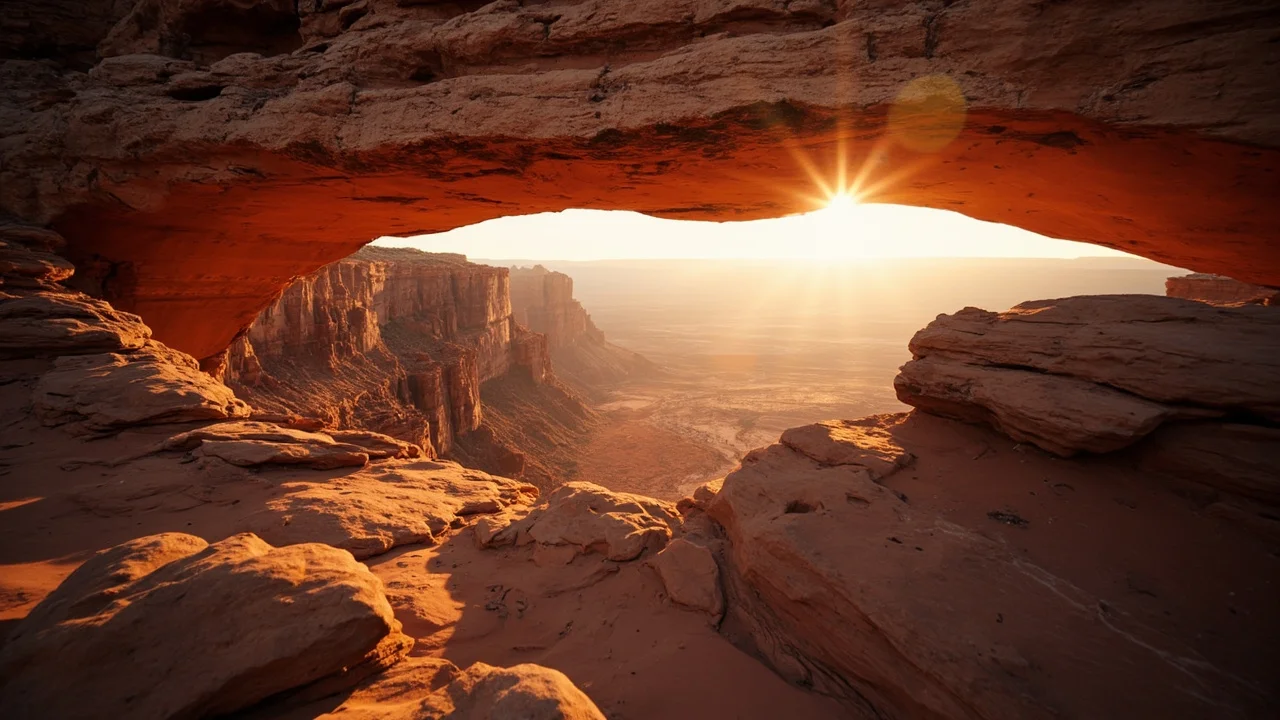
Complete Moab Solo Travel Guide: 7 Safe, Free, and Hassle-Free Arrangements
Moab solo travel is actually more charming than you'd expect. This guide centers on 7 safe, free, and hassle-free arrangements, helping you solve core issues like route planning, accommodation choices, seasonal timing, and self-drive details. It also includes off-the-beaten-path activities suited for solo travelers and hassle-free tips, so a solo trip can deeply experience Moab's national parks and wilderness beauty.
A professional and thoughtful travel assistant website, dedicated to building a one-stop platform for trip planning and destination exploration. The platform brings together a wealth of high-quality travel resources, delivering diverse itinerary inspiration covering niche domestic getaways and popular overseas destinations. It also offers detailed and practical travel guides, including dining and accommodation recommendations, transportation tips, and pitfall avoidance advice, along with smart travel tools that customize suggestions based on trip duration, budget, and preferences, simplifying the complex preparation process and making every trip stress-free and full of new experiences.
View all articles →