
Black Canyon of the Gunnison National Park Safety & Health: 7 Must-Know Tips for a Worry-Free Trip
Planning a visit to Black Canyon of the Gunnison National Park? This safety & health guide compiles 7 must-know tips covering cliff-hiking risks, sun protection, altitude sickness, emergency contacts, and wildlife precautions to plan ahead. Whether you're on a self-drive or in-depth tour, handle unexpected situations with confidence and enjoy a safe, fun trip for the family.
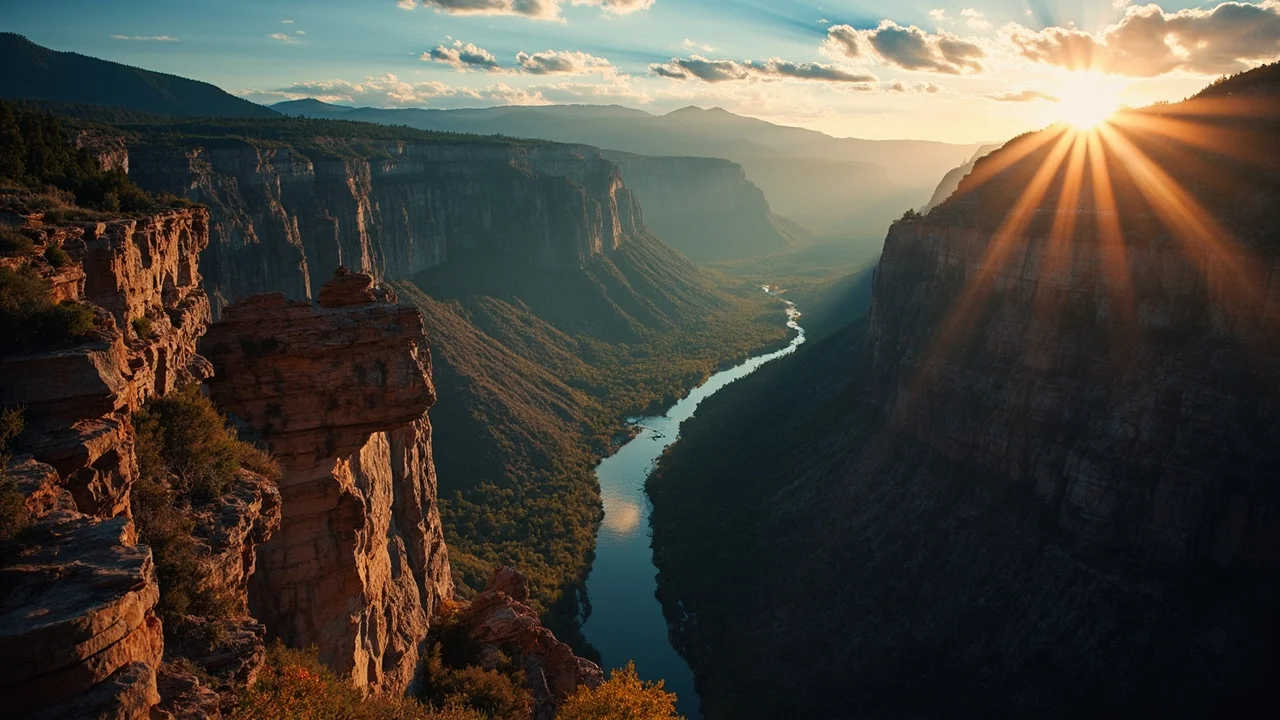
Hiking Safety at Black Canyon of the Gunnison National Park: Handling Cliffs and Canyon Terrain
The Black Canyon is famous for its sheer cliffs and deep gorges, with some trails built along the rim featuring drops of several hundred meters. On the North Rim's Chasm View Nature Trail, the path is only about 1.2 meters wide, with nearly vertical rock walls alongside (according to 2025 NPS on-site surveys). Whether you're on a day trip or a multi-day in-depth tour, putting safety first is the prerequisite for having fun. Below are the most common scenarios visitors encounter.
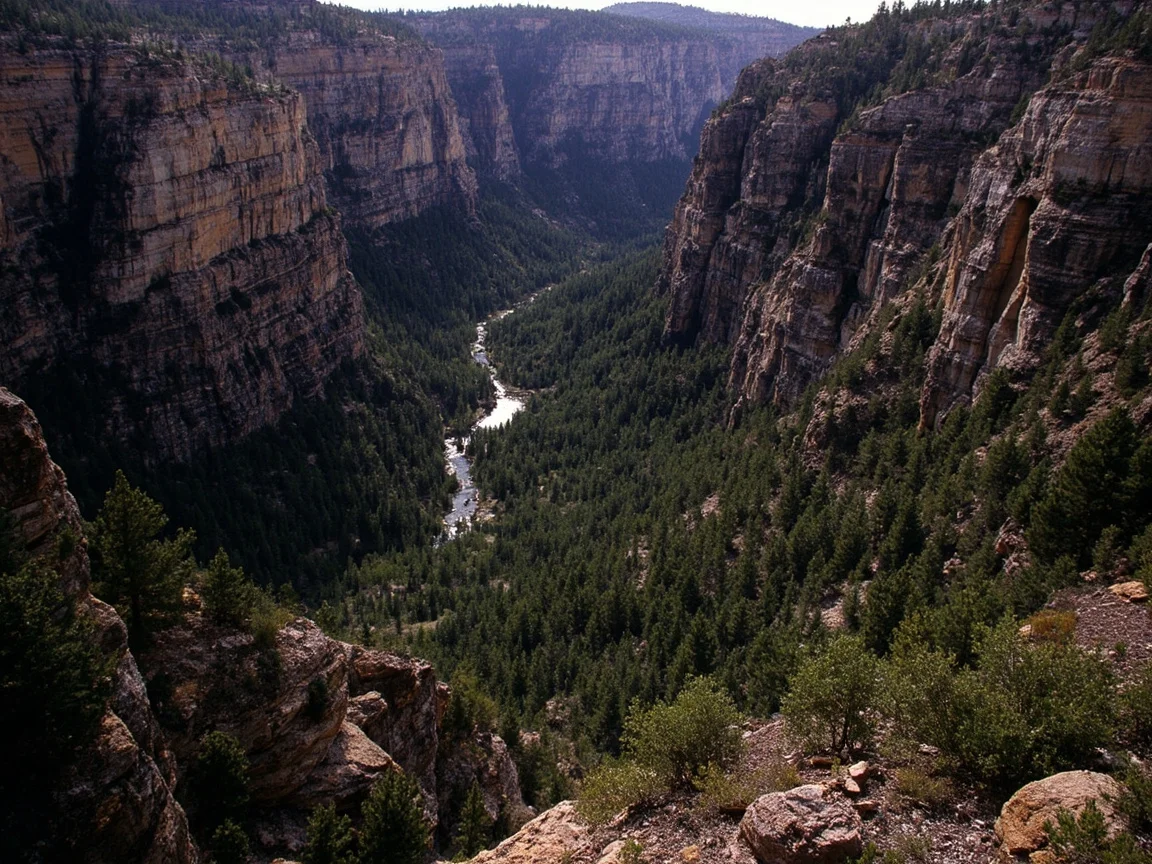
Q1: Is it safe for children and seniors to walk the South Rim's Rim Rock Trail?
A: This 1-mile (about 1.6 km) paved trail is relatively gentle, with railings and viewpoints along the way at an elevation of about 2,000 meters, making it friendly for most families. Seniors and children should hold hands or grip the railings the entire time—avoid running on curves. Summer thunderstorms usually appear in the afternoon; rock walls become slippery after rain, so plan to hike in the morning.
Q2: Can I get heatstroke hiking in high temperatures?
A: Yes. In summer, afternoon surface temperatures in the canyon area often exceed 38°C, and UV rays are stronger due to reflection from the deep gorge. It's recommended to set out between 6:00–9:00 AM, bring electrolyte water, and apply high-SPF sunscreen every 15 minutes. Heatstroke symptoms include dizziness, hot dry skin, and rapid pulse—if noticed, immediately move to the shaded Visitor Center.
Q3: Is altitude sickness serious? Do I need a few days to acclimatize in advance?
A: The North Rim reaches about 2,560 meters at its highest point, and some visitors flying in from lowlands on a self-drive trip may experience mild symptoms like headaches and insomnia. It's recommended to stay overnight in Montrose or Gunnison town the night before, drink plenty of water, and avoid strenuous exercise.
Sun Protection Tips for Black Canyon: Skin and Eye Care During Long Outdoor Exposure
The rock walls of Black Canyon are dark gray and black, absorbing heat intensely, with UV reflectivity 15%–20% higher than typical mountain areas (according to 2025 NPS field monitoring). Even in the "shoulder seasons" of April or October, high-altitude sun remains scorching. Visitors on in-depth tours or multi-day trips should treat sun protection as a fixed part of their morning routine.
Sun protection is more than just applying sunscreen. SPF 50+, PA++++ physical sunscreen is recommended, paired with wide-brim hats, UV400 sunglasses, and UPF 50+ quick-dry long sleeves. For infants and toddlers, prioritize shade canopies and mineral sunscreen. Eye protection is often overlooked—snow blindness can occur in the canyon too; staring at reflective rock surfaces for prolonged periods can burn the retina.
Don't neglect your lips and the back of your neck. Cracked, bleeding lips affect eating and sleeping—outdoor lip balm should be reapplied every two hours. The back of the neck, ears, and the tops of feet are commonly forgotten exposed areas; spray sunscreen can be applied in advance. Bring plenty of water and electrolyte powder, sipping 150–250 ml every 20 minutes—this maintains fluid balance better than gulping large amounts at once.
Altitude Sickness and Fitness Management at Gunnison National Park: Pace Yourself Gradually
Flying from Denver to Montrose and then self-driving 2 hours into the park, elevation jumps from about 1,600 meters to 2,560 meters, with noticeable pressure changes in a short time. Young, fit travelers tend to underestimate altitude effects: staying overnight at the North Rim campground the first night, some experience shortness of breath and shallow sleep; the next day's hike sends heart rates soaring, making slips and falls more likely.
It's recommended to stay in Montrose (about 1,770 meters) or Gunnison (about 2,350 meters) the night before arrival to let your body acclimatize. The South Rim Campground and North Rim Campground inside the park are both above 2,300 meters; for in-depth tours, plan by day, starting light and progressing to harder hikes: warm up on day one with Rim Rock Trail or Cedar Point Trail, then tackle more strenuous climbs like Warner Point Nature Trail on day two.
If you experience persistent headache, vomiting, or confusion, descend immediately to the lower-elevation Montrose hospital (the park's official website lists partner medical institutions' contact numbers; dial 911 for emergencies). Patients with chronic cardiopulmonary conditions should consult a doctor before departure and bring a portable pulse oximeter for monitoring throughout the trip.
Emergency Preparation at Black Canyon National Park: Communications, Gear, and Wildlife Precautions
Cell signal inside the park is unreliable—Wi-Fi is offered near the South Rim Visitor Center and Lodge, but most viewpoints and trailheads are dead zones. Downloading offline maps (Gaia GPS or AllTrails) and telling non-companions your daily plan is a key part of emergency preparation.
Gear should include at minimum: 3+ liters of drinking water per person, high-calorie snacks, a headlamp, a first aid kit (bandages, antiseptic wipes, antihistamines), a whistle, and a lightweight rain jacket. Autumn morning temperatures can drop near 0°C, while summer afternoons carry thunderstorm risks—layered clothing is most practical.
For wildlife, mule deer and black bears are common in Black Canyon, with bear sightings most frequent from May to July. Carry bear spray and make noise while hiking; avoid running on trails and startling animals. If camping, food and toiletries must be stored in your car or in a bear-proof canister—check the campsite for animal traces before bed. If you encounter a rattlesnake, keep your distance and walk around it; never try to drive it away or take photos.
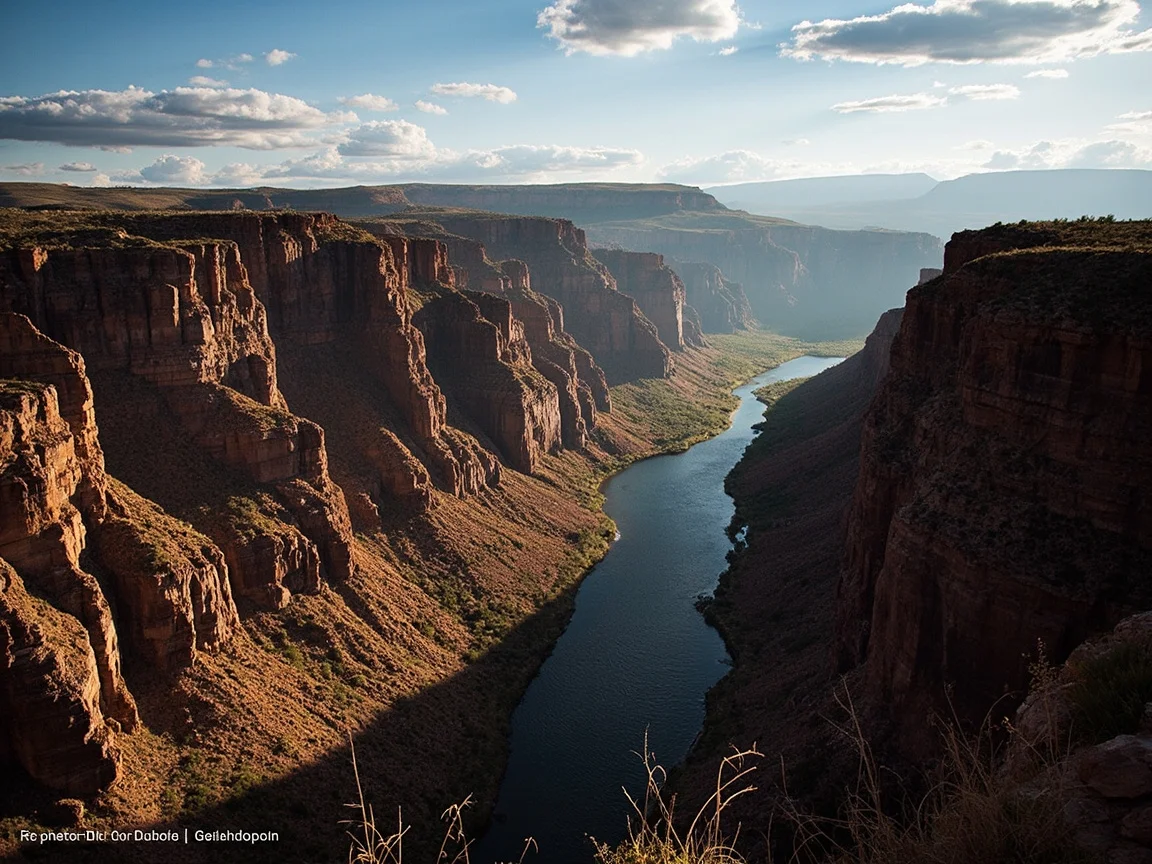
Travel Precautions and Family Self-Drive Tips: Trip Pace Determines the Experience
Black Canyon's beauty needs to be savored slowly. Trying to squeeze both South Rim and North Rim into a single-day self-drive tour, with about 2 hours of winding mountain road each way plus trail time, makes a relaxed experience nearly impossible. Plan at least two days: Day 1 for the South Rim, Day 2 for the North Rim with a stop at Curecanti National Recreation Area along the way.
During holidays and seasonal peaks (June–August), visitors crowd in and parking at Painted Wall viewpoint is hard to find after 10 AM. Book South Rim Campground in advance on recreation.gov, or choose lodging in Montrose or Gunnison town as a base for daily round trips. When self-driving, use low gears to decelerate on winding mountain roads to avoid brake overheating.
Families with children can prioritize Junior Ranger activities (pick up the activity booklet at the Visitor Center), letting kids learn canyon geology through fun. Self-guided tour visitors can join the park Rangers' guided walks—about 90 minutes, free, and offering the most authoritative safety knowledge.
Avoid These Practices: Common Safety Mistakes Checklist
To keep your trip worry-free, here are the most common pitfalls visitors fall into—please avoid them:
- Don't cross guardrails at cliffside viewpoints for photos—weathered rock debris is loose, and accidents happen every year.
- Don't hike unmarked trails in the Wilderness Area alone—the park sees multiple search-and-rescue incidents each year, most related to straying from trails.
- Don't leave pets in the car—interior temperatures can reach deadly levels within 10 minutes in summer.
- Don't take thunderstorm warnings lightly—tall rock walls are lightning hotspots; return to the Visitor Center or car during storms.
- Don't camp outside designated sites—the park has a strict permitting system for Wilderness Camping.
- Don't drink untreated surface water—high-altitude water sources contain minerals and microorganisms and need to be filtered or boiled.
- Don't store food or toiletries inside the tent—black bears have an acute sense of smell and will approach camps.
FAQ
What is the safest month to visit Black Canyon of the Gunnison National Park?
May and September–October have stable weather, dry trails, and fewer visitors; summer brings afternoon thunderstorm risks, and winter sees some park road closures.
Can I bring pets on hikes?
No. Pets are prohibited on all Black Canyon trails and are only allowed in parking lots and paved viewing platforms—see the official website's Pets page for details.
Is there a hospital or first-aid station in the park?
There is no hospital inside the park, but Rangers are present at the South Rim Visitor Center. The nearest Montrose Regional Hospital is about a 1.5-hour drive away; dial 911 for emergencies.
Further Reading & References
- Black Canyon of the Gunnison National Park – Wikipedia
- NPS Official Safety & Trail Information
- Colorado Tourism Official Website (in-depth US travel reference)
- Lonely Planet US Western National Parks Guide
The grandeur of Black Canyon deserves to be appreciated with care—and protected with thorough preparation. A reliable safety guide ensures your US trip is both enjoyable and worry-free.
Related articles

Best Time to Visit Las Vegas Sign: How to Get There Most Conveniently — A Comparison of 4 Main Transportation Options and a Ticket Booking Guide
What's the most convenient way to get to the best time to visit las vegas sign? This article breaks down Las Vegas transportation, systematically comparing 4 main options — self-drive, flight, train, and long-distance bus — in terms of travel time, cost, and best-fit travelers, and provides a detailed booking guide and a pitfall checklist to help you plan the best itinerary.

Traverse City TOP 10: Popular Experiences Ranked & Dedicated Trip Guide
The Traverse City TOP 10 popular experiences ranking is officially released, covering bay winery tastings, Cherry Festival food, Sleeping Bear Dunes National Lakeshore, downtown old-street shopping, and other must-visit picks. This guide is designed for travelers making a dedicated trip, ranking the top ten by popularity and reputation. Each entry includes a highlight breakdown and recommended audience, along with best seasons, transportation options, and itinerary pacing suggestions to help you savor the essence of Northern Michigan in a single trip.
9 Practical Chicago Tips Only Veteran Travelers Know: A Hassle-Free Pre-Trip Guide
Planning a trip to Chicago but worried about making costly mistakes? These 9 practical tips from seasoned travelers cover everything from food neighborhoods and transit passes to hotel pitfalls and seasonal clothing. Whether it’s your first visit or an in-depth self-guided trip, these insights will help you travel smarter and enjoy every corner of the Windy City with less stress.
Things to Do in Phoenix This Weekend: Best Month to Visit — Full 2026 Weather, Crowd, and Price Curve Comparison
Which month is the most cost-effective for a Phoenix weekend? This article lays out a complete side-by-side comparison using three 2026 curves across 12 months — weather temperatures, attraction crowds, and average hotel rates — marks the best and worst months, and gives desert-climate dining windows, monsoon-season pitfalls, and holiday price peaks, so you can optimize both the cost and experience of your weekend trip at once.
A professional and thoughtful travel assistant website, dedicated to building a one-stop platform for trip planning and destination exploration. The platform brings together a wealth of high-quality travel resources, delivering diverse itinerary inspiration covering niche domestic getaways and popular overseas destinations. It also offers detailed and practical travel guides, including dining and accommodation recommendations, transportation tips, and pitfall avoidance advice, along with smart travel tools that customize suggestions based on trip duration, budget, and preferences, simplifying the complex preparation process and making every trip stress-free and full of new experiences.
View all articles →