
Bryce Canyon Complete Guide: Day-by-Day Routes & Timing
This Bryce Canyon travel guide breaks down 1–4 day routes, covering Sunrise Point, Sunset Point, the Queens Garden + Navajo Loop combo, with hiking durations, self-drive mileage, and best photo times for each segment. Also covers the best months to visit Bryce Canyon, in-park Bryce lodging options, and altitude sickness pitfall avoidance tips — helping you make the most of every day, skip the crowds in peak season, and avoid mistakes in the off-season.
Bryce Canyon Complete Guide: Day-by-Day Routes & Timing
When planning your first Bryce Canyon trip, the biggest question is usually not "what to see," but "how many days are enough, and how do I connect each day." The park isn't large (approximately 145 sq km according to 2025 NPS data), but elevation ranges from about 2,000 m to over 2,800 m, and combining viewpoints with hikes makes a full day feel anything but easy. This Bryce Canyon travel guide breaks things down by 1–4 days, covering mileage, duration, and best timing for each route — so self-drive and self-guided tour travelers can follow it directly.
How to Fit Bryce Canyon Must-Sees into 1 Day
If you only have 24 hours, the recommended route is the classic "Sunrise–Queens–Navajo–Sunset" loop. In the morning, head to Bryce Point for sunrise (around 5:50 in summer, 7:40 in winter) — the angled light makes the Hoodoo formations look their most three-dimensional. Then park at Sunset Point and descend to the Queens Garden Trailhead. It's about 2.9 km one way with roughly 150 m of elevation loss. Connect with the Wall Street section of the Navajo Loop to return to Sunset Point — the full route is 4.6 km round trip, taking 2.5–3 hours at a comfortable pace. This short self-drive route is also widely recognized as the "half-day for the highlights" option.
In the afternoon, spend time at the three Inspiration Point viewpoints and Rainbow Point, a Bryce Canyon must-see. Drive the park's southern Scenic Drive (18 miles / about 29 km) all the way to the end — one-way driving with viewpoints takes about 1.5 hours. Return to Natural Bridge or Paria View 40 minutes before sunset; these are the most overlooked photo spots in any Bryce Canyon travel guide.
2-Day Itinerary: Catch Both Sunrise/Sunset and Dark-Sky Stargazing
Splitting sunrise and sunset across two days is the best-value approach in any Bryce Canyon schedule. Day 1 focuses on Sunset Point and Inspiration Point. In the afternoon, shoot sunset at Sunset Point (around 20:50 in summer, 17:25 in winter), then head to a park-certified dark-sky stargazing spot — Paria View or the Bryce Point parking lot. Bryce Canyon is an IDA-certified International Dark Sky Park; the best naked-eye Milky Way viewing is around the new moon in summer, with nighttime temperatures of just 5–10°C — a down jacket is essential.
Day 2 is reserved for the Fairyland Loop. This 12.9 km loop with about 450 m of elevation change normally takes 4–5 hours — it's the "fewest crowds, densest scenery" trail in the park. If your fitness is average, just stop at the Fairyland Point viewpoint and Tower Bridge, then return to Sunrise Point for the second day's sunrise. This two-day split neatly strings together both the Bryce Canyon must-sees and the lesser-known photo spots.
3-Day Itinerary: Add the Peekaboo Loop
Day 3 is when you should step up the hiking difficulty. The full Peekaboo Loop is about 8.8 km with roughly 460 m of elevation change. You can drop in from Bryce Point or Sunset Point and make a full loop passing Wall Street, The Cathedral, The Alligator, and other Hoodoo clusters. This route appears frequently in the "advanced version" of Bryce Canyon travel guides — mainly because it offers both full views of the Amphitheater and close-up access to narrow formations like the Wall of Windows.
Across three days, daily mileage is best kept under 8 km, with a midday rest or resupply at your Bryce lodging. The only historic hotel inside the park is Bryce Canyon Lodge, which needs to be booked 6–9 months in advance during peak season. If you can't get a room, the towns of Tropic and Cannonville are both 20–30 minutes' drive outside the park and serve as common alternatives for Bryce lodging.
4-Day Itinerary: Link Up Zion and Escalante
Saving Day 4 for out-of-park "extras" makes the entire Bryce Canyon itinerary feel more relaxed. On the morning of Day 4, consider the Mossy Cave short hike (about 1.6 km round trip, gentle terrain). Though it's not on the main Scenic Drive, it features Hoodoos and small waterfalls — one of the few family-friendly options rarely mentioned in Bryce Canyon travel guides. In the afternoon, drive west on US-89 for 2 hours to reach the Kolob Caves section of Zion National Park, or head east for 1.5 hours to Zebra Slot Canyon in Grand Staircase–Escalante for a short hike.
Note that round trips from Bryce to surrounding areas add 200+ km of self-driving per day — it's best to pick just one extension on Day 4 to avoid fatigue. Regarding elevation, the park's south entrance (near Ruby's Inn) sits at about 2,340 m, while Rainbow Point is around 2,775 m — a difference of about 430 m. Those with sensitivity should keep oxygen cans and electrolytes on hand for the first two days.
Avoid These Mistakes: 5 Bryce Canyon Pitfalls
- Don't hit all the viewpoints first and hike later: arriving at Sunrise Point 1 hour before sunrise produces far better photos than any daytime slot.
- Don't only visit Rainbow Point at the end of Scenic Drive: the 13 viewpoints along the southern route each have their own character — the real Bryce Canyon must-sees are actually Natural Bridge and Agua Canyon in the middle stretch.
- Don't underestimate altitude sickness: the north entrance sits at about 2,440 m, so keep Day 1 hikes under 6 km.
- Don't enter the park on a Friday afternoon in peak season: According to 2025 NPS traffic statistics, the northern stretch of Scenic Drive averages over 800 vehicles/hour between 14:00–18:00 on summer Fridays. Enter before 7:00 or after 17:00 instead.
- Don't book Bryce lodging without air conditioning: outside the park, Tropic and Cannonville can see indoor temperatures above 30°C on summer afternoons. No AC means poor sleep, which directly affects your high-altitude hiking the next day.
FAQ
What is the best month to visit Bryce Canyon? May–June and September–October are ideal, with temperatures of 10–20°C and comfortable hiking. July–August brings afternoon thunderstorms but excellent stargazing. From November, some high-elevation sections may close due to snow.
Do I need to rent an SUV for a Bryce Canyon self-drive? No — a regular car is fine. However, from November through April, a 4WD is recommended, as some Scenic Drive sections may require tire chains at short notice.
Can I do a day trip from Las Vegas or Salt Lake City? Both are over 400 km one way — staying at least one night is recommended. A same-day round trip costs you at least 4 hours of driving and won't allow time for any of the core hikes in this Bryce Canyon travel guide.
Further Reading / References
- Bryce Canyon National Park – Wikipedia
- Bryce Canyon official NPS page (alerts, road conditions, elevation data)
- Bryce Canyon guide by Utah Office of Tourism (self-drive, lodging, seasonal tips)
- Lonely Planet Bryce Canyon travel guide (hiking routes and nearby excursions)
Save the sunrise for Sunrise Point, the stars for Paria View, the hike for Navajo Loop, and leave one day for the unexpected — Bryce's Hoodoos will give you their best colors at the moment you didn't plan for.
Related articles
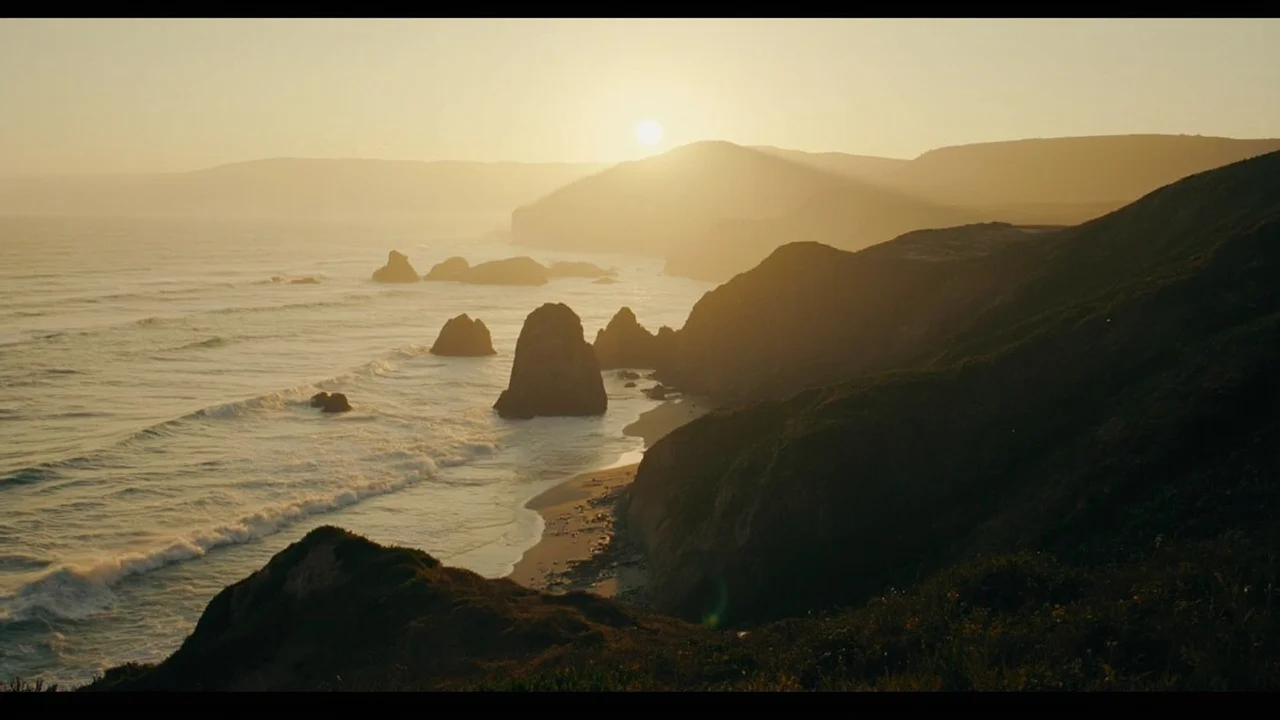
Best Time to Visit Big Sur CA: How to Get There Most Conveniently – Comparison of 4 Main Transportation Options and Ticket Booking Guide
Want to visit Big Sur but unsure how to get there? Centered on the travel needs for best time to visit Big Sur CA, this article systematically compares 4 main options. From the flexibility of self-driving California's Highway 1, to connecting routes via rental car, train, or bus after flying into San Francisco, it breaks down the travel time, fares, booking platforms, and pitfall tips for each method—helping you pick the option that best fits your budget and pace.
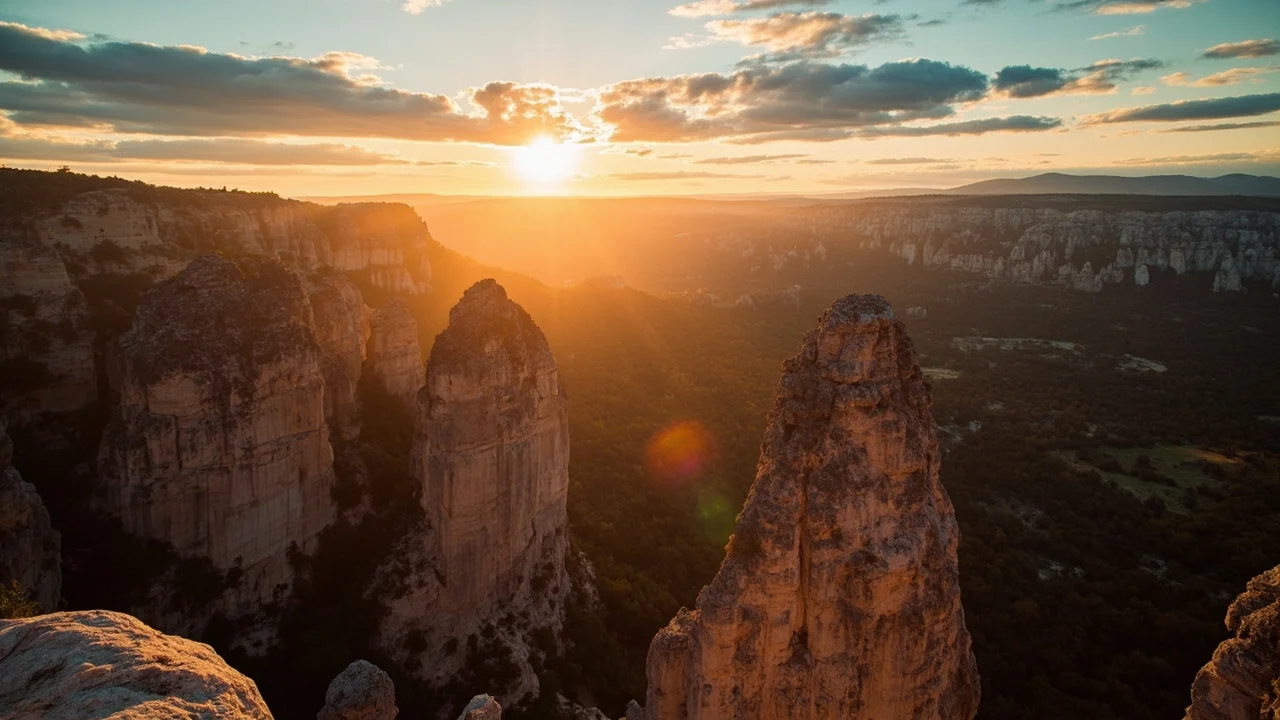
Pinnacles National Park TOP 10: Top Experience Rankings & Dedicated Trip Guide
A complete Pinnacles National Park TOP 10 experience ranking—all you need for a dedicated visit. This guide ranks the top ten must-do experiences by playability, accessibility, and seasonal suitability: rock spire hikes, cave exploration, cliff stargazing, wildlife watching, and more. Each experience includes a quick highlight overview and recommended audience, helping you quickly assess trail intensity. Whether you're a self-drive visitor heading there for the first time or an in-depth tour national park enthusiast, this Pinnacles National Park dedicated guide will help you find the right way to play, avoid the crowds, and enjoy a pitfall-free California outdoor trip.
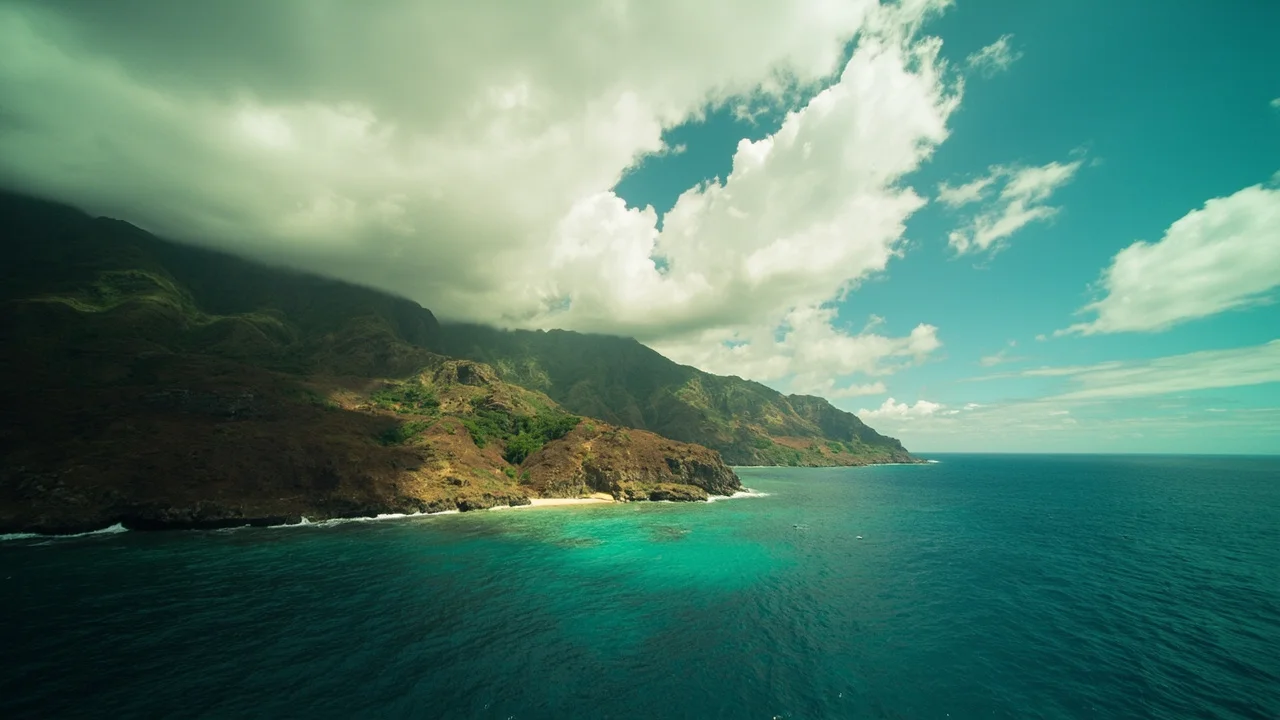
9 Practical Tips Only Molokai Veterans Know: A Hassle-Free Pre-Trip Guide
Planning a trip to Molokai but worried about pitfalls? These veteran tips help you clear every blind spot before you go. From airport transfers and lodging choices to car rentals and local dining, this guide distills 9 hard-won Molokai lessons covering details that self-guided and self-drive travelers most often overlook, plan your itinerary with ease, dodge common mistakes, and soak up authentic island charm.

Complete Florida Keys Solo Travel Guide: 7 Safe, Free, and Hassle-Free Itineraries
Wondering how to travel solo in the Florida Keys safely and freely? This guide covers 7 hassle-free itineraries, including self-drive routes, accommodation choices, seasonal weather, and food recommendations—helping you avoid common pitfalls and easily plan your solo trip across the Florida island chain.
A professional and thoughtful travel assistant website, dedicated to building a one-stop platform for trip planning and destination exploration. The platform brings together a wealth of high-quality travel resources, delivering diverse itinerary inspiration covering niche domestic getaways and popular overseas destinations. It also offers detailed and practical travel guides, including dining and accommodation recommendations, transportation tips, and pitfall avoidance advice, along with smart travel tools that customize suggestions based on trip duration, budget, and preferences, simplifying the complex preparation process and making every trip stress-free and full of new experiences.
View all articles →