
Capitol Reef National Park with Kids: 6 Family-Friendly Activities and Pacing Tips
Wondering how to explore Capitol Reef National Park with kids? This guide covers 6 moderately easy, scenic family activities — from short hikes and orchard visits to stargazing and scenic drive stops — plus daily pacing, midday rest plans, kid gear checklists, and tips to avoid the heat.
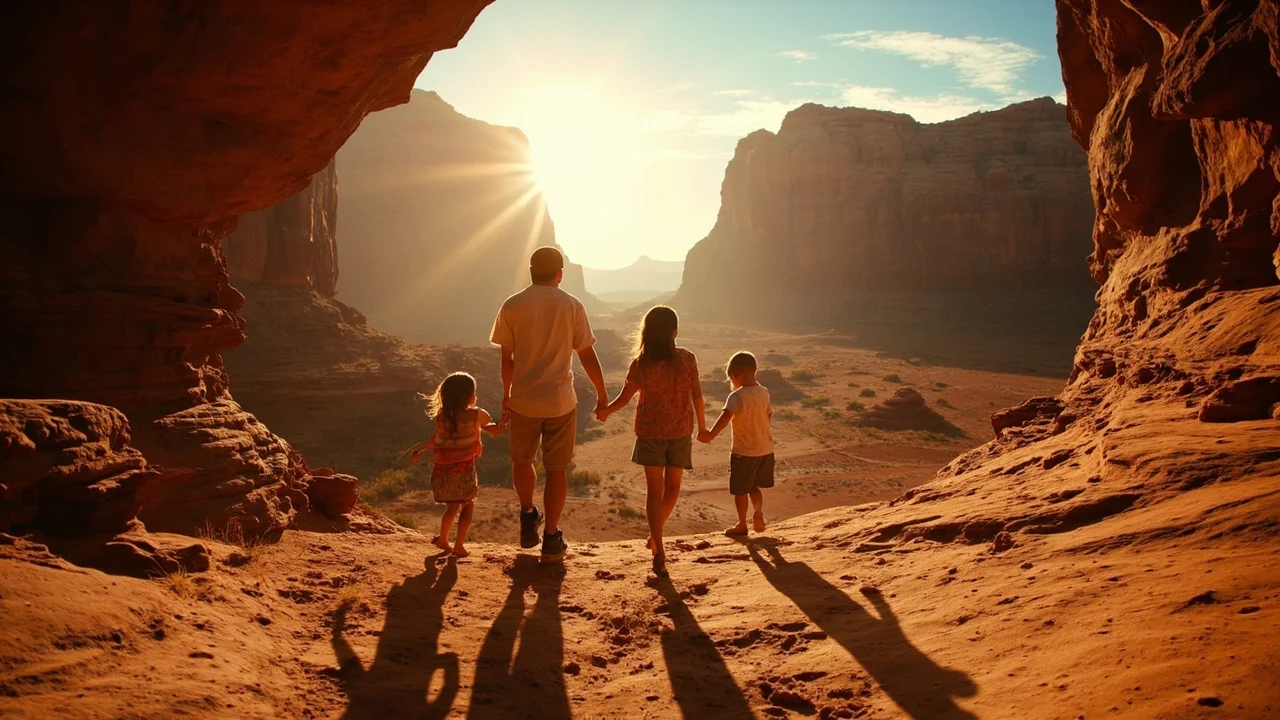
Capitol Reef National Park One-Day Itinerary and Short Routes: 3 Common Family Scenarios
Capitol Reef National Park has the lowest visitor density of Utah's five national parks (according to 2024 NPS data, annual visits are around 1.4 million — far fewer than Zion's 4.7 million), which is a natural advantage for families with kids: easy parking, short trails, fewer crowds. The routes below link the core scenery, orchards, and stargazing spots into a relaxed pace, so kids under 6 don't melt in the midday sun.
Scenario A: Only 4-5 Hours, Entering and Exiting via Torrey After arriving in the morning, head to Gifford Homestead (a historic cabin with fresh-baked peach pie), then walk the Fremont Culture Petroglyphs Panel trail (0.8 km / 0.5 mi flat path with ancient rock art). Return to town for lunch and escape the heat. Re-enter the park after 4 PM and drive the Scenic Drive to Capitol Gorge, where you can walk 1.6 km / 1 mi to see the "Pioneer Register" carved into the rock. Total hiking on this route is under 3 km.
Scenario B: A Full Day Including the Orchard Area Enter the park at 7 AM while it's cool, and walk the lower section of Grand Wash first (a gentle 2 km / 1.2 mi stretch between Navajo sandstone walls). By 9 AM, head back to the Orchard Area to pick seasonal fruit (cherries in June, peaches and apples July–September; NPS allows self-picking, priced by box — around $3–8/lb in 2025). Avoid the 12–3 PM heat, then visit the Petroglyphs Boardwalk in the Fruita Historic District (an accessible wooden boardwalk), and wade in Sulphur Creek at dusk (ankle-deep; look for shaded spots).
Scenario C: With Toddlers Under 3 Skip any trail over 1 km and focus on three stops: the Visitor Center fossil wall (indoor, air-conditioned, with kid-touchable exhibits) → Gifford Homestead (open lawn for running around) → Panorama Point (park-and-look viewpoint with the entire Waterpocket Fold laid out before you). Have lunch in Torrey at Slate Rock Grill or Hunt & Gather Restaurant, then return to the hotel for an afternoon nap. Come back out at dusk to watch the sunset turn the cliffs red.
Capitol Reef Best Seasons and Midday Rest Schedule: Avoiding Heat and Thunderstorms
July–August afternoon thunderstorms plus 38°C / 100°F highs are Capitol Reef's twin dangers (according to 2024 NOAA climate data, the chance of afternoon thunderstorms in south-central Utah in summer is about 35%). The most reliable windows for families are April–May and September–October: daytime temperatures of 18–25°C / 64–77°F, nighttime 5–10°C / 41–50°F, and almost no thunderstorms. In winter, the Scenic Drive occasionally closes after snow, but most Fruita trails remain walkable, and kids can see frozen waterfalls.
Suggested Daily Schedule (Summer)
- 6:30–8:30 AM: The only window for longer trails or elevation gain. Carry plenty of water (NPS recommends 1 liter per person per hour of hiking).
- 8:30–10:30 AM: Orchard area, Visitor Center, indoor activities.
- 10:30 AM–3:30 PM: Mandatory rest + indoor/hotel time to escape the heat. Most Torrey lodgings have pools — a lifesaver at 38°C / 100°F.
- 3:30–6:00 PM: Resume hiking, focusing on shaded canyons (Capitol Gorge and the afternoon stretch of Grand Wash are nearly fully shaded).
- After 7:30 PM: Stargazing. The park is a certified IDA Dark Sky Park; the Milky Way is visible to the naked eye, and a child's first glimpse will stay with them forever.
Things to Watch Out For
- Don't plan lunch inside the park — the only option is the Pleasant Creek Place snack bar (seasonal), with a limited and pricey menu.
- Don't believe anyone who says "Scenic Drive takes 30 minutes" — there are 11 stops along the way, each worth a look; allow 2.5–3 hours in reality.
- Don't let kids wear new shoes into Sulphur Creek — water shoes + quick-dry clothing are the way to go.
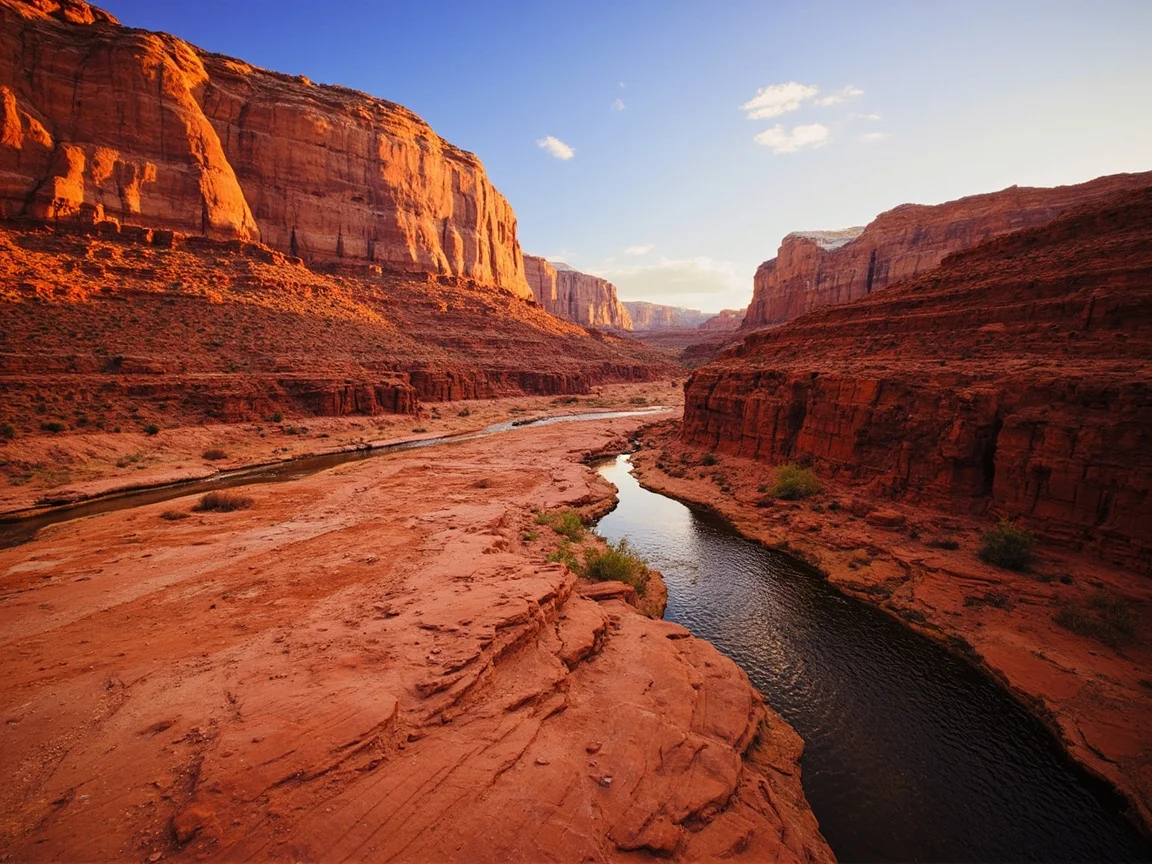
Capitol Reef Kid-Friendly Hiking Trails: 3 Age-Tiered Routes
The core principle of hiking with kids: shorter is better, slower is better. Capitol Reef's trail difficulty spans a wide range — here are three picks tiered by age.
Ages 3–5 (Total ≤ 1 km, Fully Flat) Petroglyphs Boardwalk (0.4 km / 0.25 mi, accessible wooden boardwalk): the easiest option, letting kids get close to ancient Fremont rock art with NPS interpretive signs along the way — even the youngest can complete it. At the end, the Fremont Culture Petroglyphs Panel is just a short walk in the same direction on a flat path to see the real carvings. The parking lot has restrooms and is open year-round.
Ages 6–9 (Total 1.5–3 km, No Single Segment Over 800 m) Hickman Bridge Trail (1.7 km / 1.05 mi round trip, 130 m / 425 ft elevation gain): a classic family route, taking 2–3 hours. The trail starts near the Visitor Center and follows the Fremont River to a natural stone bridge, with shade under the arch and a natural "exploration base" in the alcove. Note: the final 400 m has continuous uphill — kids under 6 will complain. Bring trekking poles and 2 liters of water per person.
Ages 10+ (Up to 5 km Challenges) Cohab Canyon Trail (3.4 km / 2.1 mi round trip, 180 m / 590 ft elevation gain): starting from the edge of Fruita, the trail climbs to the canyon rim with views over the entire orchard area. The overlook at the top is most beautiful in autumn with full fall colors. There's a 50 m / 165 ft narrow section in the middle that only fits one person — not recommended for kids under 10.
Safety Note: All trails lose cell signal in summer (per NPS's 2025 announcement, only the Visitor Center and main junctions have signal) — download offline maps or carry a walkie-talkie.
In-Park Lodging vs. Torrey Lodging: 3 Practical Comparisons
Capitol Reef lodging falls into two categories: the sole in-park campground, Fruita Campground, and hotels/vacation rentals in Torrey, just outside the park's east entrance.
Fruita Campground (Operated by NPS)
- 71 sites, first-come, first-served; 2025 fee $20/night (per NPS website)
- Pros: 5-minute walk to the orchard for sunrise picnics; close-up stargazing; a child's first "sleeping outdoors" experience is unforgettable
- Cons: No power, no showers (only flush toilets); tents turn into ovens at 38°C / 100°F in summer; bring all your own gear
- Best for: Well-equipped families with car camping experience
Torrey Town Hotels/B&Bs
- Recommended: Capitol Reef Resort (5 minutes from the park entrance, cliff-view rooms) and Skyridge Hotel & Suites (newly opened in 2024, spacious rooms with a pool)
- Pros: Air conditioning, fridge (for storing fruit and snacks), pool is a lifesaver; walkable to town restaurants
- Cons: Daily park entry/exit; prices double in peak July–August
- Best for: First-time U.S. national park visitors with kids who prefer a no-fuss setup
Torrey Area Airbnb Farmhouses
- Average $150–250/night, sleeps 4–6, full kitchen
- Best for: Families staying 3+ nights who want to cook and save, with slightly older kids
Things to Watch Out For
- Don't book just one night — Capitol Reef's real charm lies in "slowing down"; at least 2 nights are needed to feel the rhythm.
- Don't search for lodging last-minute between Thanksgiving and New Year's; Torrey has only about 200 rooms, so book 4 months ahead in peak season.
Capitol Reef Family Gear List: Heat, Sunburn, and Dehydration Are the Three Killers
Capitol Reef sits at 1,700–2,100 m / 5,580–6,890 ft elevation, where UV is about 30% stronger than at similar latitudes (per EPA's 2024 UV Index report). Sun protection, sunscreen, and hydration matter more than any other gear.
Essentials (Per Child)
- Wide-brim sun hat + UV400 sunglasses (adults too — sandstone glare is intense)
- SPF 50+ sunscreen (reapply every 2 hours, don't skimp — Utah is among the highest skin-cancer rates in the U.S.)
- 1.5–2 L of water per person + electrolyte powder (Nuun, Pedialyte, etc.)
- Quick-dry long sleeves (avoid direct sun; cotton T-shirts stay wet once soaked)
- Water shoes (required for Sulphur Creek) + sandals (for campground)
Recommended (Quality-of-Life Boosters)
- Red-light flashlight (for stargazing; preserves others' dark adaptation)
- Binoculars (for rock art details and distant wildlife)
- Offline GPS (e.g., Gaia GPS with Utah offline maps downloaded in advance)
- Kid-sized backpack (so they can carry their own water + snacks + small toy — builds the "I carry my own stuff" habit)
Don't Bring
- Cotton denim jeans (once soaked, they don't dry for 6 hours — kids risk hypothermia)
- Regular sneakers into the water (slippery when wet + sand and gravel get in)
- Any strongly scented sunscreen or bug spray (attracts yellowjackets, which are highly active in Capitol Reef during August–September)
Safety Kit (Per Adult)
- Basic first-aid kit (band-aids, iodine, gauze)
- Snake-bite reference card (rattlesnakes are common in rock crevices — keep 2 m / 6 ft distance and back away slowly)
- Spare phone power bank
Don't Do This: 5 Real Pitfalls of Capitol Reef Family Trips
1. Don't try to chain Capitol Reef, Zion, and Arches as "one park per day." Each park-to-park drive is 3–4 hours, and forcing the pace with kids breaks everyone. Capitol Reef alone deserves 2–3 days — it is a destination, not a "drive-through."
2. Don't hike any exposed trail between 11 AM and 3 PM. In August, sand-surface temperatures can hit 65°C / 149°F; a child's bare feet can burn in 5 seconds. Even short trails should be paused for a midday break — this rule matters more than any "must-see" stop.
3. Don't leave after only driving the Scenic Drive. Many day-trippers assume "drive a loop and you're done," then miss the orchard picking, rock art, and stargazing — the experiences kids love most. Capitol Reef's essence is slow pacing, not scenic density.
4. Don't let kids wander off-trail in Sulphur Creek. Both sides of the creek are private ranchland and sensitive habitat; kids easily wander off out of curiosity. One family was stranded for 4 hours before being found (documented in NPS's 2023 rescue report). Hold wrists at all times.
5. Don't ignore weather and elevation. Capitol Reef isn't high-altitude, but the dry air at 2,100 m / 6,890 ft and strong sun will dehydrate and mildly headache even adults. Kids may not show clear symptoms but get cranky — that's their body signaling discomfort. Keep Day 1 gentle and watch for adjustment.
Frequently Asked Questions
What age is Capitol Reef suitable for? Kids 3 and up can all find something to do. Under 3, focus on the town and short viewpoints; ages 6–9 are the sweet spot — they can handle Hickman Bridge and enjoy rock-art stories; 10+ can take on the full Cohab Canyon trail.
How many days do you need with kids? A minimum of 2 nights / 3 days. Suggested: Day 1 to acclimate around town and on short trails; Day 2 for core experiences (orchard area + Hickman Bridge); Day 3 morning for viewpoints and afternoon departure.
Can I bring pets into the park? No. NPS rules prohibit pets on all trails, in the orchard area, and at viewpoints (service dogs excepted); pets are only allowed at Scenic Drive pullouts, parking lots, and outside the campground. This is one of the most commonly broken rules by families — consider leaving pets at your Torrey lodging.
Further Reading & References
- Capitol Reef National Park — Wikipedia
- Official NPS Capitol Reef page (trail & orchard season info)
- Utah Office of Tourism — Official Picks
- Lonely Planet — Capitol Reef Travel Guide
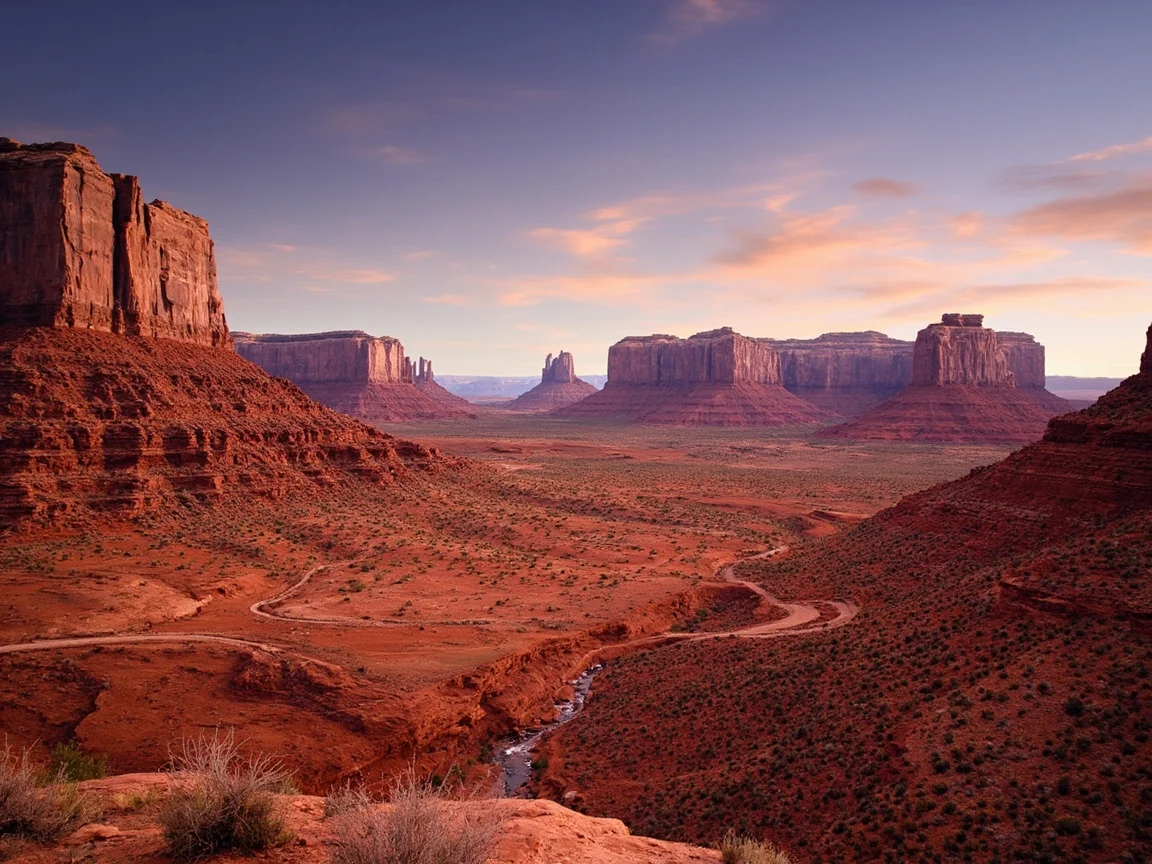
The core rhythm of a Capitol Reef family trip is "fewer stops, longer stays": pick one short trail, one orchard, one night of stargazing, and let your child decide how long to sit on any given rock — that's closer to the essence of travel than racing through 10 sights.
Related articles
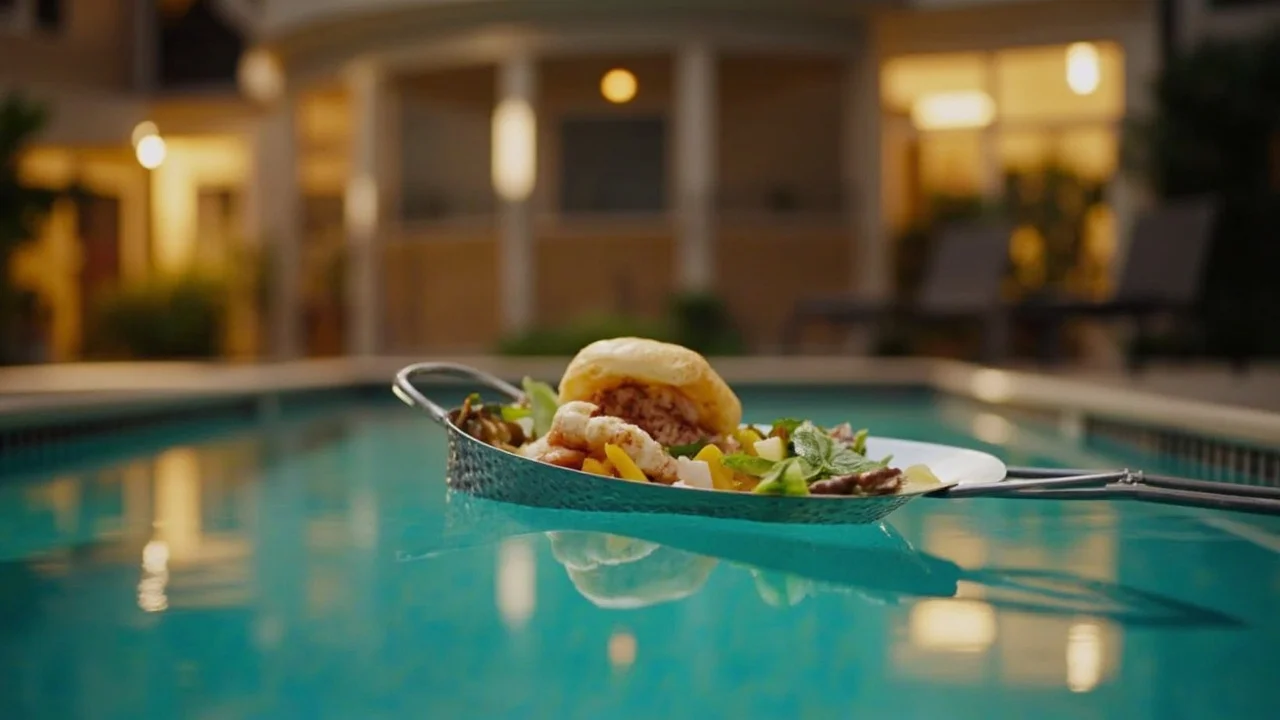
hotels in charleston with a pool Food Map: 7 Must-Try Local Dishes and Hidden Street Gems
Looking for local flavors near hotels in charleston with a pool? This food map highlights 7 must-try Charleston dishes and hidden street eats, covering classic seafood, light-meal spots, and century-old establishments, with per-person price ranges and dining time suggestions. Whether it's a casual bite after relaxing by the pool or street food before a night out, you can follow the map to avoid disappointments and make your Charleston trip as delicious as it is comfortable.
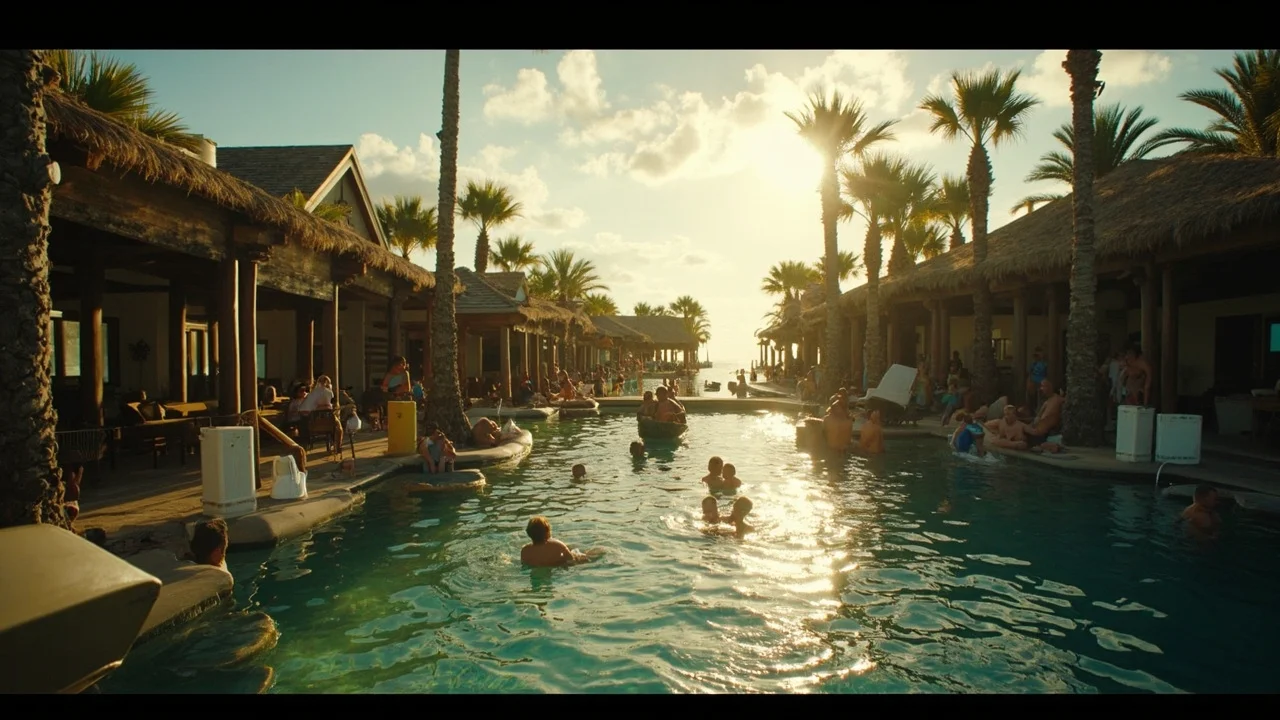
best vacation spots in the us for adults: Where to Stay — 4 Areas & Price Ranges Compared
This guide focuses on lodging choices for best vacation spots in the us for adults, covering four convenient areas along with hotel and vacation rental price ranges. Combined with budget, season, and itinerary tips, it helps you avoid overpaying and common booking pitfalls.
Black Hills vs Similar Destinations: Pros, Cons & Selection Guide for 3 Popular Options
Where is the most cost-effective airport to fly into for Black Hills? This article compares Black Hills with 3 similar popular destinations across 8 practical dimensions — airline selection, best booking timing, price comparison platforms, ticket changes, refund rules, off-peak vs peak price gaps, baggage allowance, and connecting flights — providing clear pros/cons lists and a selection guide to help you lock in the optimal Black Hills flight plan in the shortest time.

things to do in phoenix arizona in october Food Map: 7 Must-Try Local Dishes and Hidden Street Flavors
How to enjoy Phoenix in October? This food map highlights 7 must-try local dishes and hidden street flavors, covering classic Phoenix restaurants, local snacks, and seasonal specialties. The article also includes dining time slots, reservation tips, and pitfall-avoidance advice to help you skip tourist traps and taste truly authentic Phoenix flavors.
A professional and thoughtful travel assistant website, dedicated to building a one-stop platform for trip planning and destination exploration. The platform brings together a wealth of high-quality travel resources, delivering diverse itinerary inspiration covering niche domestic getaways and popular overseas destinations. It also offers detailed and practical travel guides, including dining and accommodation recommendations, transportation tips, and pitfall avoidance advice, along with smart travel tools that customize suggestions based on trip duration, budget, and preferences, simplifying the complex preparation process and making every trip stress-free and full of new experiences.
View all articles →