
Death Valley National Park with Kids: 6 Family-Friendly Itineraries and Pacing Tips
How to plan a Death Valley National Park family trip? This guide covers 6 kid-friendly activities, daily pacing tips, schedules that avoid the scorching midday heat, easy sightseeing paired with short hikes, and a self-drive pitfall checklist to help parents plan a relaxed national park family vacation.
Death Valley National Park with Kids: When to Go with Children for the Least Suffering
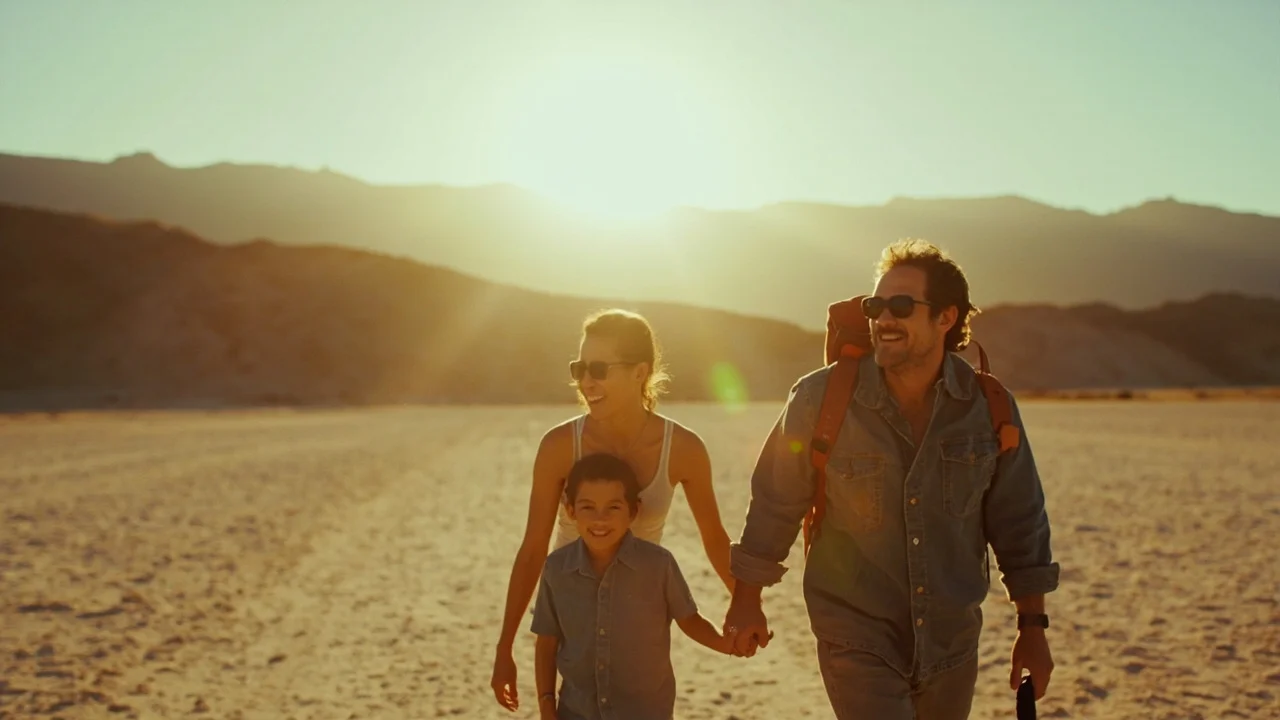
Taking my two kids (ages 6 and 9) into Death Valley National Park, reality hit hard on the first night: at 4 p.m. the dashboard read 47°C, both kids were crying in the car, and even the AC on full blast couldn't keep out the rolling heat. According to 2025 National Park Service (NPS) visitor data, Death Valley's annual average high is 33°C, with June–August afternoon ground temperatures often exceeding 52°C, making it one of the hottest places in North America. After revisiting with the kids, I restructured the family-friendly experiences into 6 pacing recommendations, written specifically for parents who don't want to spend their vacation in an air-conditioned room.
Which Seasons Are Best for Visiting Death Valley National Park with Kids
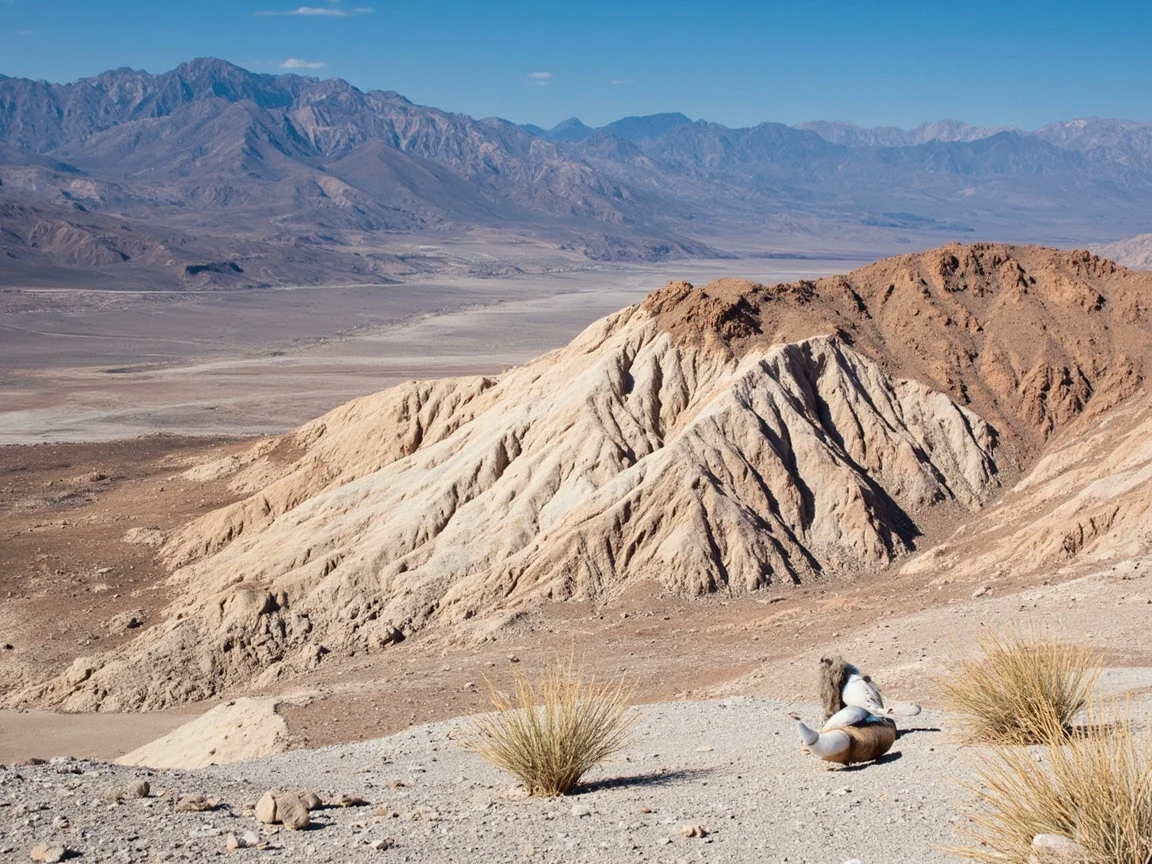
Bottom line: November through March is the best window for Death Valley National Park families — you avoid the scorching midday heat, and the pace is easiest to manage. During this period daytime highs usually sit between 18-25°C, dropping to 5-10°C at night, so hiking and stargazing won't be cut short by extreme heat. When self-driving a national park with kids, it's recommended to squeeze outdoor activities into the two hours after sunrise and the two hours before sunset, retreating to the car or visitor center during the middle of the day.
A family itinerary can be arranged like this: Day 1 — arrive at Furnace Creek in the morning, spend the afternoon only at the pool and visitor center; Day 2 — devote the full day to low-intensity viewpoints like Dante's View and Zabriskie Point, where you step out of the car and the view is right there; Day 3 — head into Mesquite Flat Sand Dunes early in the morning to play in the sand, pulling out by 9 a.m. Cap each viewpoint at 30-45 minutes — kids won't get fussy, and parents will still get photos they're happy with.
Short Hikes Suitable for Kids on a West Coast National Parks Family Trip
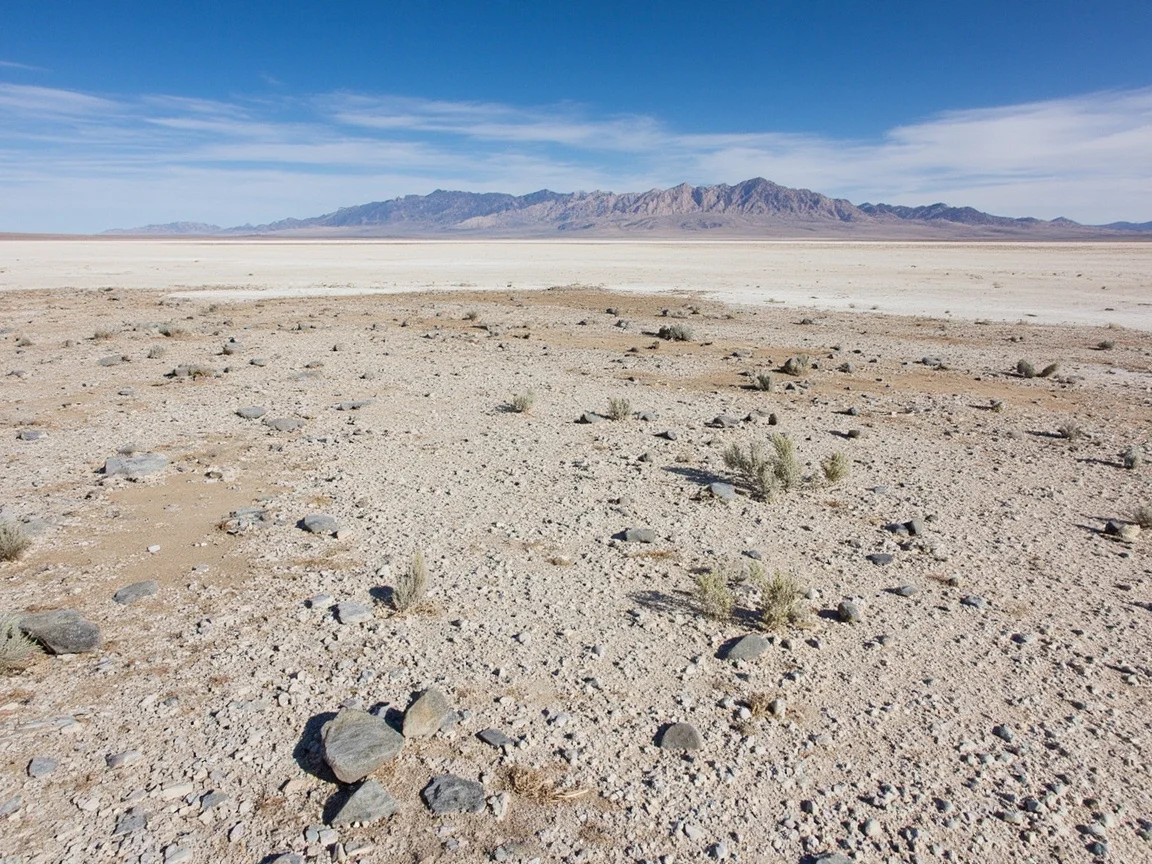
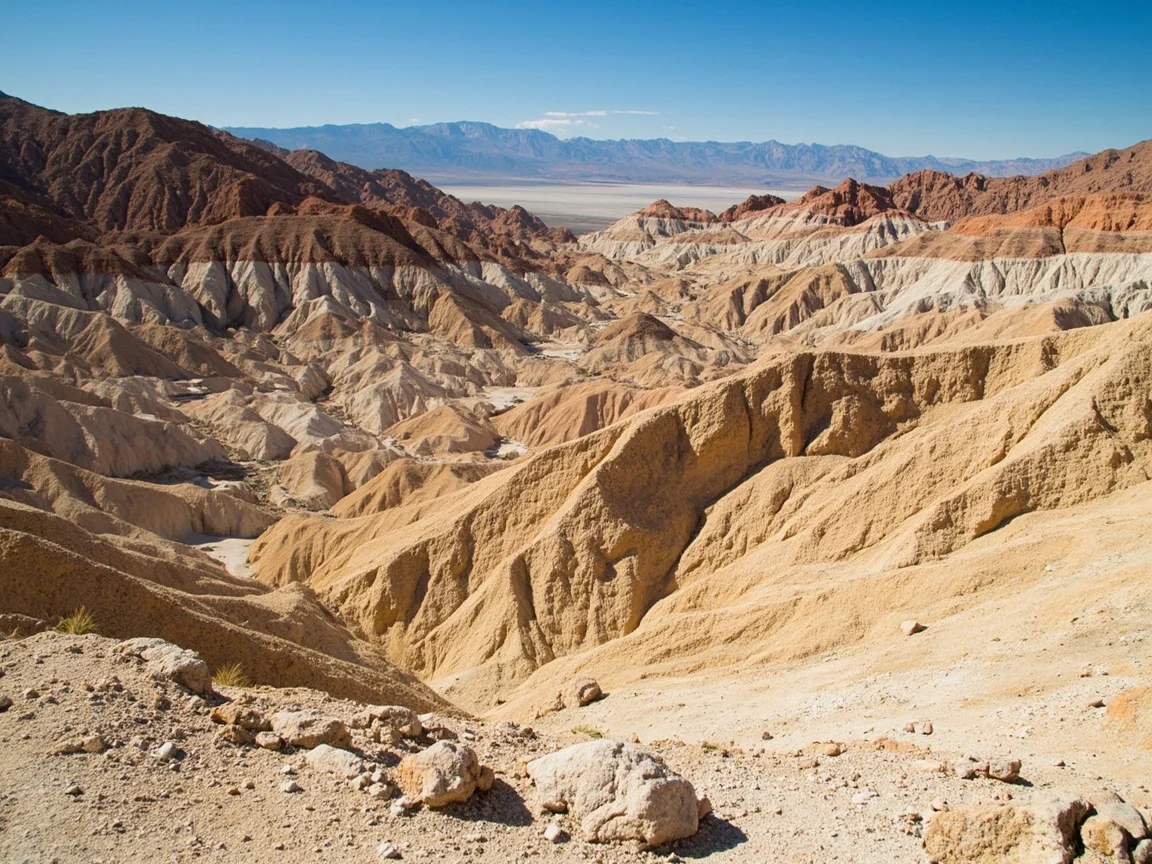
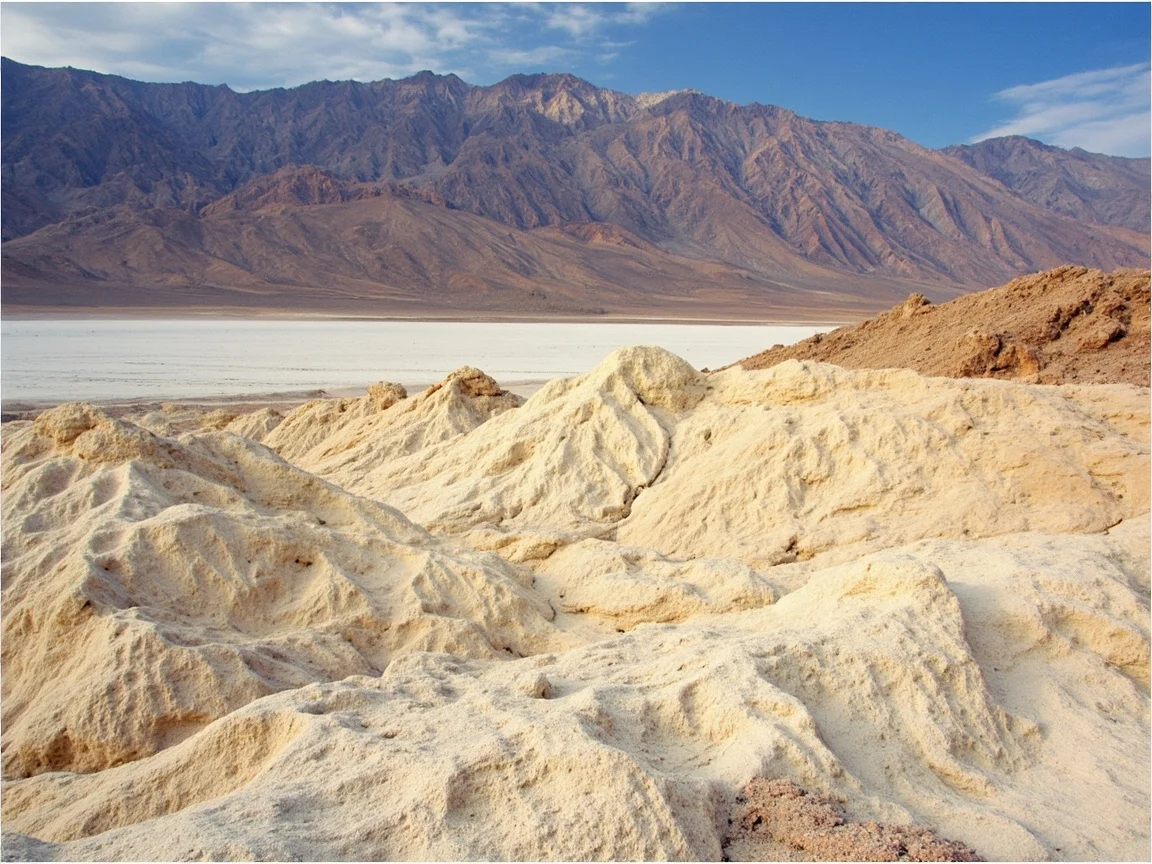
Death Valley doesn't offer a huge number of family hiking options, but these three are the best fit for children. The first is Salt Creek Interpretive Trail — an 800-meter boardwalk with no elevation change, where you can spot the endangered Death Valley pupfish. The second is Badwater Basin Salt Flats — a flat 1.6 km out-and-back walk across hexagonal salt crystals; kids get excited, but sun protection needs to be watched closely. The third is the first dune at Mesquite Flat Dunes, less than 500 meters round trip. Climbing the sand is a bit tiring, so bring the kids a pair of sandals and a spare pair of socks.
On California family travel routes, Death Valley is often linked into a triangle with Yosemite and Sequoia. It's recommended to spend only 2-3 nights in Death Valley, then move on to a higher-elevation park to let the kids recover — that way the whole family is less likely to burn out.
Self-Drive Routes and Gas Stops for Visiting Death Valley with Kids
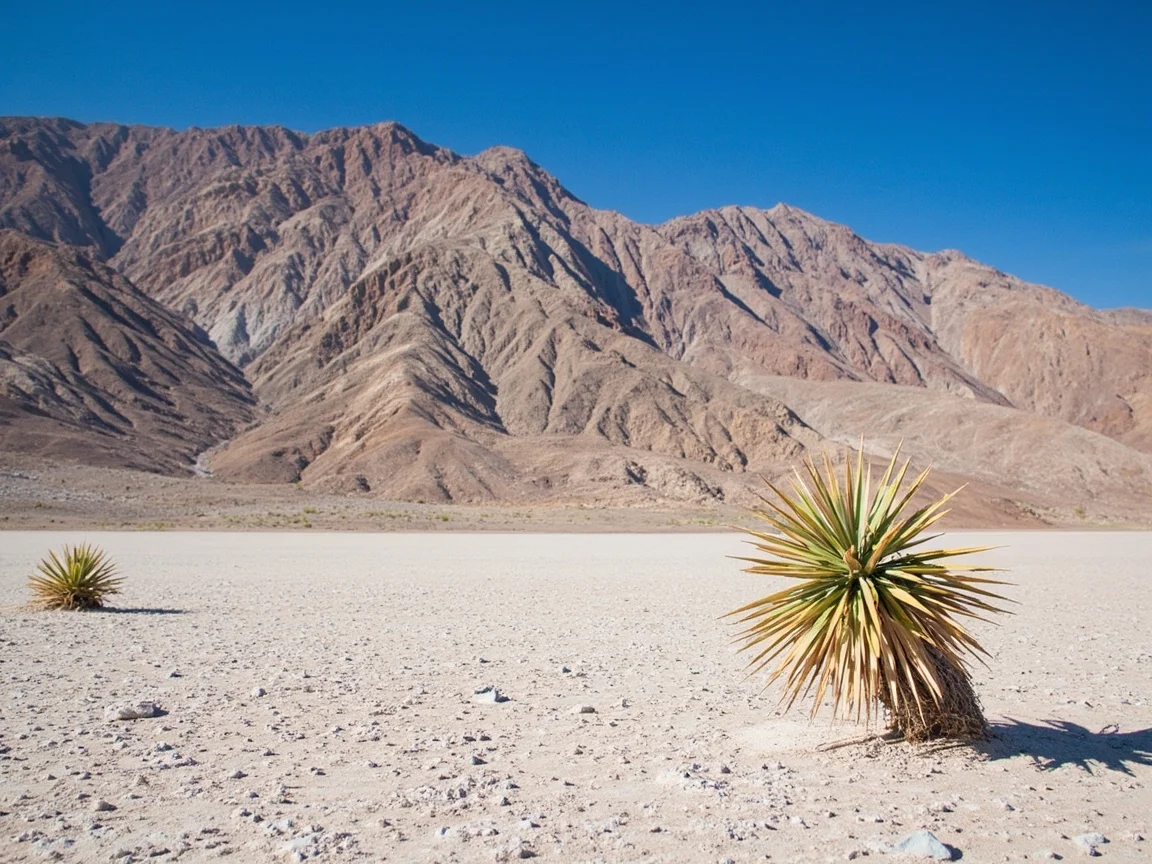
Gas stations inside Death Valley are sparse — this is the easiest pitfall when self-driving a national park with kids. Currently there are only three gas stations inside the park: Furnace Creek, Stovepipe Wells, and Panamint Springs. Prices run 30%-50% higher than outside town, and some only accept cash or carry limited fuel grades at certain hours. In terms of family itinerary pacing, it's best to fuel up in Beatty, Amargosa Valley, or Lone Pine outside the park, fill up before entering, and then only top off once at Furnace Creek inside.
Distance reference: Las Vegas to Furnace Creek is about a 2-hour drive; from Los Angeles, take I-15 and transfer to Highway 127 for roughly 4.5 hours. Kids tend to get bored on the Las Vegas–Pahrump stretch, so pack some snacks and offline audio stories.
How to Choose Death Valley National Park Family Lodging Without Regrets
Lodging options are limited but clearly tiered — once you distinguish the three types, you won't go wrong. The first is Furnace Creek Resort, the in-park hotel with a pool, restaurant, and visitor center — the most hassle-free but the most expensive (according to 2025 public Booking listings, family rooms in peak season often run 280-420 USD). The second is Stovepipe Wells Village — mid-range value, with a simple pool and convenience store, ideal for families focused on the sand dunes. The third is motel lodging in the towns of Beatty or Lone Pine outside the park — nearly half the price, but factor in about 1.5 hours of daily round-trip driving.
Peak season (December to February, Easter, Thanksgiving) should be booked 4-6 months ahead; off-season only needs 1-2 months. When in-park lodging is tight, you can split nights into a rhythm of "two nights outside the park + one night inside," which also gives kids a change of atmosphere.
The 5 Most Common Mistakes Families Make on a Death Valley Trip with Kids
Here's an "avoid doing this" checklist parents can follow directly. First, don't force a visit in June–August — even if adults can handle it, kids face a very high heatstroke risk. Second, don't schedule any outdoor activity between 11 a.m. and 4 p.m. Third, don't only focus on Furnace Creek — Dante's View and Ubehebe Crater are actually the most spectacular family viewpoints in Death Valley National Park. Fourth, don't let kids walk barefoot on the salt flats or sand dunes — salt crystals and scorching sand can both scratch skin. Fifth, don't forget water and snacks — prepare at least 4 liters per person per day, plus an emergency case of drinking water in the car.
One last tip: around your Death Valley trip you can fold in a deeper American West travel route — for example, head to Lone Pine in the evening to photograph the Sierra Nevada range, or take a rest night before heading to Red Rock Canyon.
FAQ
What age is appropriate for kids visiting Death Valley? 5 and up is recommended. Younger kids have limited heat tolerance and endurance, the itinerary intensity can't be dialed down, and it often ends up with adults carrying them the whole time.
Do I need to worry about extreme heat taking kids into Death Valley? From November through March, almost no concern; in other months you must strictly schedule activities around the two "early morning + dusk" windows.
How many days are enough for Death Valley National Park? For a family self-drive trip, 2 full days and 3 nights works well — the pace isn't rushed, and kids won't get cranky from getting in and out of the car repeatedly.
Further Reading and References
- Death Valley National Park - Wikipedia
- Death Valley National Park Official Page - NPS
- Death Valley Travel Guide - Visit California
- Death Valley Travel Tips - Lonely Planet
Taking kids to Death Valley, pacing matters more than sights. One extra hour early, more rest at midday, and head back out at dusk — when it's all over, the whole family will remember the desert's starry sky, not that scary number on the dashboard.
Related articles
Bryce Canyon National Park出行常被忽视的 8 个细节:行前·行中·住宿与省钱指南
去Bryce Canyon National Park只看Hoodoo岩石?那就错过了太多细节。本文整理出行前常被忽视的8个要点:行前准备清单、必带物品、安全提醒、避坑指南全收纳,住宿省钱与行程安排一次讲清,自驾游与自由行都适用。

Weather in Phoenix This Week Food Map: 7 Must-Eat Local Dishes and Hidden Street Flavors
Your weather in Phoenix this week food map is here! From both tourist and local perspectives, this guide picks 7 must-eat Phoenix signatures and hidden street gems, covering Mexican tacos, BBQ, Cubano sandwiches, and more. Each dish comes with the restaurant address, hours, average price, and ordering tips, plus a weekday-vs-weekend best dining time table so you can eat your way through Phoenix in a week.
Mississippi Delta 2026 Budget Checklist: Smart Allocation for Transport, Lodging, Food & Tickets
This Mississippi Delta 2026 budget checklist focuses on the four core spending categories—transport, lodging, food, and tickets—offering practical allocation ratios and actionable plans. Combined with 2026 trends in gas, airfare, and B&B pricing, it provides scenario-based budget tables, budget-friendly alternatives, and a pitfall-avoidance list to help travelers complete an in-depth Mississippi Delta self-drive or self-guided tour within controlled costs without overspending.
Things to Do in Orlando Other Than Disney: Where to Stay for Convenience — A Complete Guide to 4 Areas & Price Ranges
Planning a trip to Orlando but skipping Disney? This accommodation guide picks 4 convenient areas covering International Drive, Downtown, Universal Studios vicinity, and upscale resort zones, with nightly price ranges, pros and cons comparisons, and transport tips — helping you find the right place to stay within a reasonable budget and avoid common booking pitfalls.
A professional and thoughtful travel assistant website, dedicated to building a one-stop platform for trip planning and destination exploration. The platform brings together a wealth of high-quality travel resources, delivering diverse itinerary inspiration covering niche domestic getaways and popular overseas destinations. It also offers detailed and practical travel guides, including dining and accommodation recommendations, transportation tips, and pitfall avoidance advice, along with smart travel tools that customize suggestions based on trip duration, budget, and preferences, simplifying the complex preparation process and making every trip stress-free and full of new experiences.
View all articles →