
Florida Keys Safety & Health: 7 Must-Know Tips for a Worry-Free Trip
A must-read before heading to the Florida Keys! This guide compiles 7 safety and health tips covering sun protection, mosquito prevention, diving risks, marine transport, hurricane season, and self-drive routes. It also provides emergency contacts and medical advice to help you enjoy the coral reefs and sunset highway while minimizing risks—making your Florida Keys trip safer and more enjoyable.

Florida Keys Self-Drive Pitfalls: Peak Season Traffic, Medical Gaps & Diving Risks
Planning to head south from Miami along the Overseas Highway, crossing seven ocean-spanning bridges toward Key West? This so-called "most beautiful ocean highway in America" draws tens of thousands of self-drive and self-guided tour travelers every day. But behind the Keys' coral reefs, sunsets, and seafood lie plenty of safety details easily overlooked in typical guides. According to 2024 Monroe County tourism statistics, approximately 4.2 million visitors enter the Florida Keys by land each year, with over 60% of medical and roadside rescue incidents concentrated south of Marathon. This article compiles 7 commonly overlooked safety and health tips for travelers heading to the Florida Keys, helping you steer clear of frequent pitfalls.
1. Sun & Mosquito Protection: Why Sunscreen Alone Isn't Enough for the Keys' Dual "Skin Challenge"?
Many assume the Keys, like Caribbean islands, have uniformly strong UV year-round—but overlook the mosquito problem. The Keys are a subtropical wetland environment, with active mosquito season running from April through November. After sunset especially near the woods and mangrove edges around Bahia Honda State Park and Big Pine Key, mosquito density is notably higher than in downtown Miami.
For sun protection, use SPF 50+ broad-spectrum (UVA + UVB) sunscreen with 80+ minutes water resistance, reapplying every two hours. After disembarking from water activities—snorkeling, diving, glass-bottom boats—reapply immediately. For mosquito protection, bring a repellent containing 20%-30% DEET, or opt for Picaridin-based products; those with sensitive skin can use Oil of Lemon Eucalyptus (OLE) formulas, though these require more frequent reapplication due to shorter duration. A long-sleeve rash guard is also recommended—it provides both sun and insect protection.

2. Diving & Snorkeling Safety: Beyond "Don't Touch the Coral"—What Else Should You Know?
The Florida Keys are the only living coral barrier reef diving destination on the U.S. East Coast, with John Pennekamp Coral Reef State Park and Looe Key as popular sites. However, according to 2025 water safety data released by the National Park Service (NPS), approximately 35% of water rescue incidents around the Keys are related to divers ascending too quickly or skipping safety stops, with nearly 20% involving the lack of surface signaling devices.
Before diving, always confirm: hold a C-card or equivalent certification; inspect tank dates, second stages, and backup air sources when renting gear; snorkelers must wear a buoyancy vest and carry a whistle or surface marker buoy; consult local dive shops about that day's current direction and tide times before entering the water. It's strongly recommended to purchase travel insurance covering diving liability and emergency medical evacuation—the only hospital in the Keys (Fishermen's Community Hospital in Marathon) is roughly 50 miles from Key West, and serious injuries require helicopter evacuation to Miami, with single-trip costs potentially reaching tens of thousands of dollars.
3. Hurricane Season & Sudden Weather: Is June Through November Really "Off-Limits"?
Many self-guided tour guides will tell you to "avoid the Keys from June through November," but the reality isn't that simple. The Keys' official hurricane season runs June 1 through November 30, with the peak typically mid-August to late September. Even without a direct hurricane hit, heavy rain, thunderstorms, and small tornadoes from outer rain bands can temporarily close the Overseas Highway.
It's recommended to monitor tropical disturbance bulletins from the National Hurricane Center continuously starting 72 hours before departure; self-drive vehicles should keep the tank at least half full for flexible rerouting when roads close; prioritize accommodations with 24-hour front desks and flexible rescheduling policies; download the FEMA and Weather Underground apps—the former for official emergency alerts, the latter for minute-by-minute radar updates. If your trip coincides with a Named Storm, follow local mandatory evacuation orders—don't try to "gamble."

4. Self-Drive Routes & Vehicle Choice: When Must You Switch to an SUV?
The Overseas Highway spans roughly 113 miles and looks flat-open at first glance, but it includes 42 bridges, including the famous Seven Mile Bridge. Sedans generally handle it fine, but wet bridge surfaces and strong crosswinds make taller SUVs more stable. Additionally, when picking up your rental at Miami Airport, it's worth adding a Zero/Deductible policy, as towing and out-of-area drop-off fees along the route can be costly.
When renting, always confirm whether the contract includes cross-county towing coverage—towing companies in Monroe County and Miami-Dade County fall under different jurisdictions. If you plan to overnight at Bahia Honda or Long Key State Park, check in advance whether park parking requires separate reservations—many popular campsites book up 3 months ahead during holidays.
5. Medical Care & Emergency Contacts: Where to Go When You're Sick in the Keys?
Medical resources in the Florida Keys are relatively limited: Key West, Marathon, and Tavernier each have one major hospital, while Islamorada and Key Largo rely mainly on clinics. If you develop persistent skin redness, itching, or diarrhea after water activities, seek medical care within 24 hours—coral cuts, sea urchin punctures, and Vibrio infections are common reasons for delayed treatment. It's recommended to carry: iodine povidone swabs, antibiotic ointment, waterproof bandages, antihistamines, and anti-diarrheal medication; those with allergy histories should carry an EpiPen.
In emergencies, dial 911 to reach Monroe County emergency dispatch; for non-urgent medical inquiries, contact the Keys medical hotline. Cell coverage becomes weak in the middle section of the Overseas Highway (roughly 30 miles south of Marathon)—download offline maps before departure and photograph important contact numbers as backup.
6. Marine Transport & Boat Rentals: Which "Money-Saving Tricks" Actually Cost More?
The Key West–Dry Tortugas National Park ferry, the Miami–Key West marine bus, glass-bottom boats, and jet ski rentals are the four main marine transport scenarios. The Dry Tortugas ferry takes about 2.5 hours one way, and operators may cancel on short notice in poor sea conditions—confirm refund policies before booking. Jet ski rentals look thrilling, but Florida law requires operators to be at least 18 years old and complete on-site training; those who don't comply face heavy fines after incidents.
When choosing a boat rental, confirm: whether life jackets and a first-aid kit are provided; whether fuel policies are clearly stated (many companies require full-tank returns or charge 3x market rate otherwise); whether a written liability agreement is signed; and whether the operator is registered with the Coast Guard.
7. Nighttime Travel & Wildlife: What to Watch Out For After Sunset?
Key West is one of the few U.S. cities where walking around at night is safe and legal, but highway segments south of Marathon have limited nighttime visibility with frequent wildlife crossings. The Keys are home to Key Deer (the smallest deer species in the Americas), especially concentrated around Big Pine Key—most collisions occur within one hour after sunset, so strictly observe speed limits.
Additionally, while the Keys' night skies are beautiful, beach night fishing and reef night diving carry extremely high risk for inexperienced visitors—join licensed guides instead. Never go into the ocean alone at night: the combination of currents and submerged reefs can drag an adult hundreds of yards offshore in just 5 minutes.
Frequently Asked Questions
What is the safest month to visit the Florida Keys?
Generally, December through April is considered the safest window for Keys travel—hurricane season is avoided, temperatures stay between 24-28°C, and mosquito density is low. Tourist numbers spike during holidays, so book accommodations well in advance.
Do I need special insurance for self-driving in the Florida Keys?
Most U.S. rental car companies don't include Zero/Deductible coverage by default. When driving the Overseas Highway and diving offshore, supplemental full coverage and medical evacuation insurance are recommended.
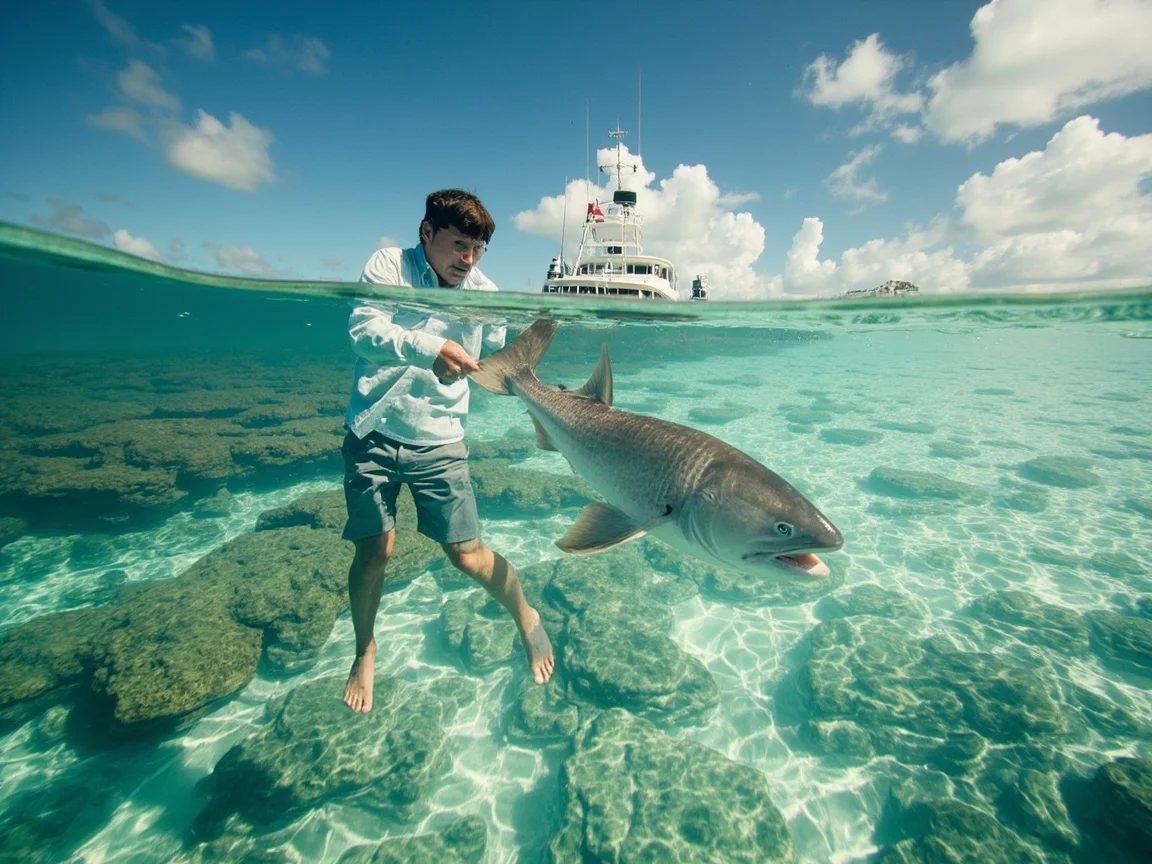
Are there sharks in Keys waters? Is snorkeling safe?
Yes—nurse sharks and lemon sharks inhabit Keys waters, but documented unprovoked attacks on humans are extremely rare. Snorkeling in pairs, avoiding dusk, and skipping reflective jewelry significantly reduce risk.
What Not to Do: 7 Behaviors That Can Derail Your Florida Keys Trip
- Entering the water without checking tide tables: many reefs are exposed at low tide, appearing safe—but hidden currents can pull you toward deep water.
- Ignoring sun protection: even on cloudy days, UVA penetrates cloud cover, and extended time on the water leads to easy sunburn.
- Last-minute decisions to camp or overnight at sea: campsites and marine activities during holidays typically need to be booked 2-3 months ahead.
- Stopping randomly on the Seven Mile Bridge to take photos: the bridge has explicit no-stopping signs—violators are fined and disrupt traffic safety.
- Not carrying cash or backup payment methods: some Keys island gas stations, small vendors, and ferries are cash-only.
- Rinsing coral cuts with fresh water: rinse initially with seawater, then disinfect with iodine povidone—fresh water may worsen foreign-body reactions.
- Feeding wildlife without authorization: feeding Key Deer and wild pelicans is illegal and may result in heavy fines.
Further Reading & References
- Florida Keys Geography & History Overview (Wikipedia)
- John Pennekamp Coral Reef State Park Official Introduction (NPS)
- Florida Keys & Key West Tourism Bureau Official Site
- Lonely Planet Florida Keys In-Depth Travel Guide
A Note for Readers
Leave the Florida Keys to those who understand and respect the rhythm of the ocean. Check the weather one extra time before departure, buy one tier higher insurance, and keep one extra measure of patience—the coral reefs and Seven Mile Bridge will respond to you in the gentlest way.
Related articles
When Is the Best Time to Visit Austin, TX? 2026 Weather, Crowds and Price Comparisons
When is the best time to visit Austin, TX? This guide compares monthly temperatures, rainfall probability, festival crowds, flight and accommodation prices for all of 2026, with tips for summer escapes, spring blooms and budget travel to help you choose the ideal month.
weather in yellowstone national park 10 days: The Most Convenient Way to Get There — 4 Main Transportation Options and Ticket Guide
Looking for the most convenient way to travel for weather in yellowstone national park 10 days? This guide compares self-driving, flying, train, and private car options, covering who each suits, routes and travel times, costs, booking channels, and seasonal restrictions. It also includes practical tips on park access, parking, and traffic delays to help you plan a smooth 10-day Yellowstone itinerary.

Summer Travel Pants Solo Travel Guide: 7 Safe, Flexible, and Stress-Free Arrangements
=== EXERCISE ===

summer vacation ideas on a budget: 7 Essential Safety and Health Tips for a Worry-Free Trip
When it comes to summer vacation ideas on a budget, safety and health should come first. This guide presents 7 essential tips covering itinerary planning, transportation, accommodation, food, heat protection, and emergency preparation to help you avoid common risks and enjoy a safe, smooth summer trip without exceeding your budget.
A professional and thoughtful travel assistant website, dedicated to building a one-stop platform for trip planning and destination exploration. The platform brings together a wealth of high-quality travel resources, delivering diverse itinerary inspiration covering niche domestic getaways and popular overseas destinations. It also offers detailed and practical travel guides, including dining and accommodation recommendations, transportation tips, and pitfall avoidance advice, along with smart travel tools that customize suggestions based on trip duration, budget, and preferences, simplifying the complex preparation process and making every trip stress-free and full of new experiences.
View all articles →