
Grand Teton National Park with Kids: 6 Family-Friendly Activities and Pacing Tips
Wondering how to visit Grand Teton National Park with kids? This guide recommends 6 family activities with concentrated scenery and manageable difficulty, plus daily pacing suggestions. It also covers altitude sickness prevention, weather changes, wildlife distance rules, gear, and emergency prep—balancing nature experiences with kids' energy levels.
Grand Teton National Park with Kids: 6 Low-Effort Activities and Daily Pacing
Taking a 6-year-old into the Rocky Mountains, parents fear most not the exhaustion but the combo of "altitude sickness + rain + wildlife + traffic." A smooth family trip often depends on pacing rather than the number of stops. According to the NPS 2024 visitor survey, family visitors with children make up about 38% of Grand Teton National Park's summer crowd, with Jenny Lake and Mormon Row being the two areas where visitors linger longest. This article uses "concentrated scenery and manageable difficulty" as its filter, offering 6 kid-friendly activities, daily energy allocation, and weather and wildlife safety essentials—so you can enjoy a Rocky Mountain family vacation without burning out.
1. Day 1 Half-Day Warm-Up: Moose-Wilson Road + Mormon Row (Wildlife Safety)
Moose-Wilson Road runs about 13 miles and is the park's slowest stretch where moose and black bears are most likely to appear, with dense vegetation and limited sightlines on both sides. When bringing kids on this route, the point isn't "how many animals you see" but "keeping the right distance once you do." NPS rules set the minimum distance at 91 meters (100 yards) from bears or wolves, and 23 meters (25 yards) from bison or moose; any chasing for photos, feeding, or approaching young animals is a violation.
The T.A. Moulton Barn at Mormon Row makes a great wrap-up: open pasture, mountain backdrop, and room for kids to run a bit after getting out of the car. The pacing tip is to arrive before 9 a.m. to avoid the tour-bus rush after 10 a.m. Bring a pair of binoculars (8x42 recommended—lightweight and kid-friendly) and turn "spotting animals" into a mission for your child to take their mind off any queue stress.
2. Jenny Lake Loop Hike: Hidden Falls Out-and-Back (Family Hiking)
Jenny Lake is Grand Teton National Park's classic low-effort lakeside loop. Hidden Falls is about 1.1 miles (1.8 km) one way, with only around 50 meters of elevation gain, on paved or packed-dirt trails—manageable for kids 6 and up to walk on their own. The shuttle ferry round-trip costs 10 for children aged 5–15 (per 2025 NPS pricing for Jenny Lake Boating), saving you the 5-km one-way hike.
In July and August the days are long, and after 4 p.m. the light on the lake starts to warm up—prime photo time. Pack non-slip sandals or low-cut hiking shoes; the lakeside is 5–8°C warmer than the Grand Teton peaks. Follow the west shore's trail markers for Hidden Falls and avoid drifting onto the Cascade Canyon main route—that one runs 12+ km round-trip and isn't recommended for families without enough water and sun protection.
3. Sunrise at Signal Mountain: Signal Mountain Summit Road (Lakeside Picnic)
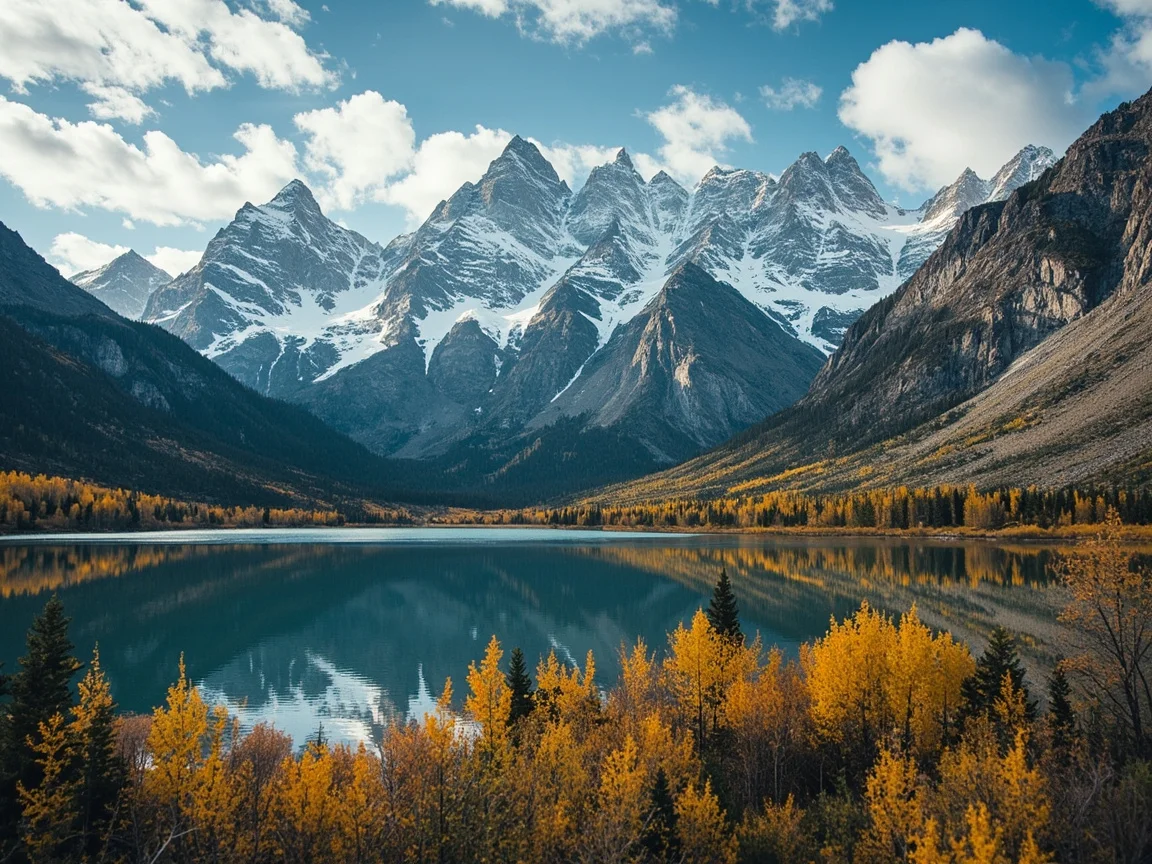
Signal Mountain is one of the few peaks in the park you can drive to the top of. Summit Road is 5 miles long with gentle switchbacks, and a 1.8L family car can handle it. From the top you get a panoramic view of Jackson Lake and the main Teton Range ridgeline—arguably the park's most iconic photo spot. Leave 60 minutes before sunrise, bring a thermos, hot chocolate, and some rolls, and you've got a picnic at 2,382 meters of elevation.
The park has only two hard rules for picnicking: no eating or drinking within 200 feet (≈61 m) of water or within 100 feet (≈30 m) of trails; all food must be stored in your vehicle or a food locker, with fines of $5,000+ for violations. The Signal Mountain summit lot has concrete picnic tables and restrooms—it's one of the very few spots in Grand Teton National Park that checks both the "scenic" and "convenient" boxes for a picnic.
4. Rainy-Day Backup: Colter Bay Visitor Center + Indian Arts Museum (Weather Prep)
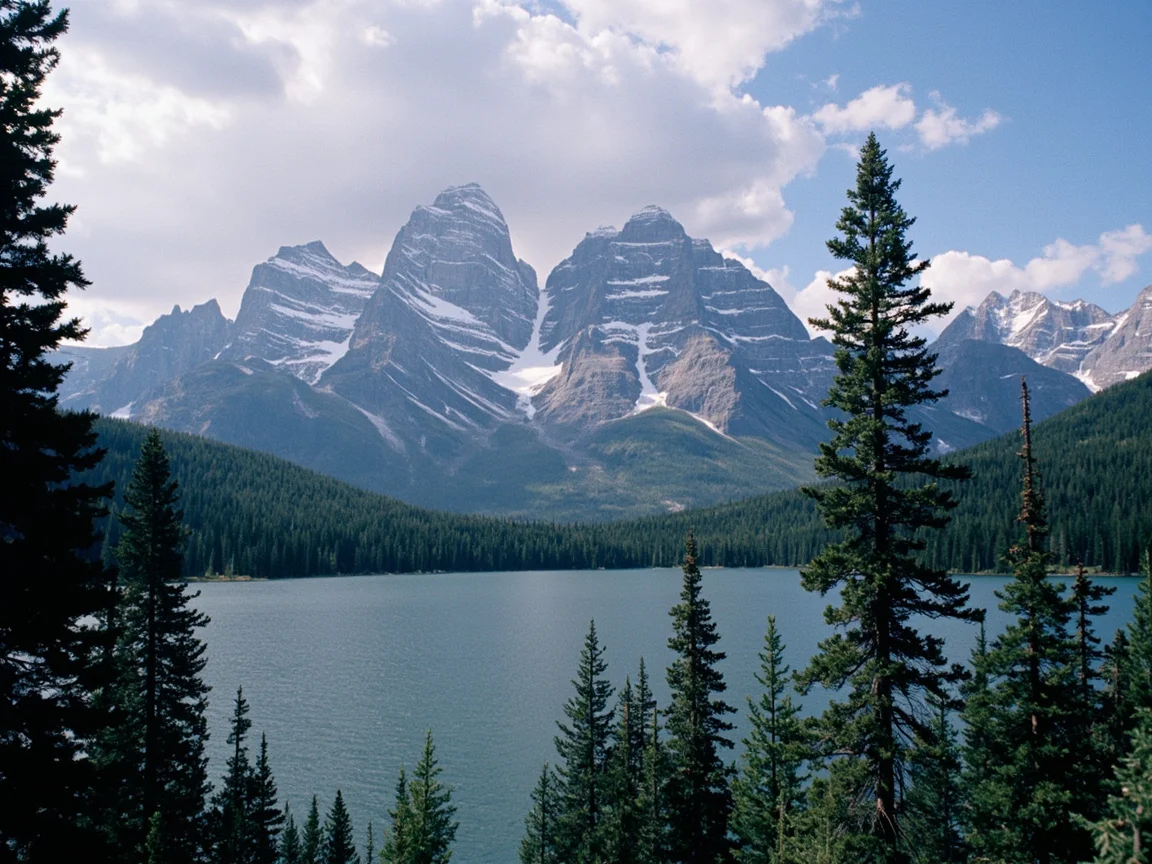
Afternoon thunderstorms are common in the Teton area, and from June through August scattered showers between 14:00–17:00 are nearly daily. When cold air sweeps over from the Yellowstone Plateau to the north, temperatures can drop 8–10°C in a short time. The most reliable rainy-day plan is to head into the Colter Bay Visitor Center. Inside you'll find a free Native American craft exhibit, a Teton Park video, a terrain sandbox, and a kids' interactive area that can easily fill 1.5–2 hours.
Colter Bay also has solid campground and RV facilities and is one of the more moderately priced lodging options in the park; standard rooms typically run $250–360/night in peak season (2025 summer rates—check the official site for live pricing), about 30% less than comparable rooms at Jackson Lake Lodge. If your child is sensitive to weather, pull up NOAA on-demand forecasts for Colter Bay and Moran the day before and split the day: Jenny Lake in the morning, visitor center + exhibits in the afternoon.
5. Gondola to the Top: Bridger-Teton Views (Nature Viewing Distance)
There are no major gondolas inside the park itself, but the Bridger-Teton Gondola in Jackson Hole (technically a tram ride just beyond the park boundary) is a solid add-on for families. The gondola climbs to a roughly 3,000-meter observation deck with full views of the Teton Range, and the Red Dog restaurant on the way down is kid-friendly around lunchtime. You can pick up the Jackson Hole Mountain Resort summer pass (or similar option).
Temperature note: the summit is usually 12–15°C cooler than downtown Jackson, and even in summer temperatures can dip below 5°C, so bring a fleece and windbreaker for the kids. The observation deck has railings along the edges, but you may still encounter pikas and golden eagles—following the three rules of "don't feed, don't chase, don't take" is enough. A pair of binoculars makes spotting moose and elk on the mid- and far-distance ridges safer.
6. Final Morning: Snake River Float or Riverside Lawn (Lakeside Picnic)
On the morning of departure day, many families opt for a Snake River float operated by local outfitters such as Lifeline Rafting or Mad River. The 2-hour family calm-water float runs about 35–55 per child based on 2025 quotes; kids under 6 aren't recommended for the float, but they can stroll the lawn at the Pacific Creek river section instead.
In winter (November through April) the summer routes aren't worth forcing: several park roads close due to snow, though the Mormon Row section stays walkable year-round while Owen-Brigade and parts of Signal Mountain close at times. For a winter visit, bring snow chains and warm layers.
Family Travel "Don'ts" Checklist (Pitfall Avoidance)
- Don't push wake-up to 3:30 a.m. to catch sunrise—kids under 10 are more prone to heatstroke and emotional meltdowns when sleep-deprived. Schedule sunrise at a closer spot like Signal Mountain summit or Schwabacher Landing instead of a long drive.
- Don't let kids under 8 walk the Yellowstone South–Teton boundary trails alone. Coyote and black bear activity hotspots in Grand Teton National Park cluster in the mountains between 5–8 a.m., so no movement without a parent in close sight.
- Don't leave food outside the car, on the dashboard, or in cardboard boxes. NPS requires all food in Grand Teton to go in your trunk or a food locker; beyond the fine, it teaches animals to break into cars and raises the risk of human-bear conflicts.
- Don't skip sun protection and altitude prep. Much of the park sits at 2,000–3,000 meters with strong UV reflection, and kids dehydrate faster than adults. Top up with 100–150 ml of water per hour and don't swap plain water for caffeinated drinks.
- Don't save the souvenir shop for the last day. Colter Bay and Jenny Lake Visitor Centers both have kid-friendly souvenirs, and the Little Teton Map Booklet is a popular take-home geography primer.
- Don't rely on cell signal. Most of the park has no 4G/5G coverage, so detailed weather lookups and tow requests rely on satellite or park alert points. Download offline maps before you go.
FAQ
What age is Grand Teton National Park best for kids? The sweet spot is 5–10 years old: old enough to understand wildlife distance rules, strong enough to handle 1–2 hour hikes. Younger kids call for shorter itineraries and campground-based downtime.
Will I hit Yellowstone crowds if I visit Grand Teton in summer? Yes. The two parks share many routes, and weekends from mid-July to mid-August are especially busy. Spend weekdays in Grand Teton, use the buffer zone for Yellowstone, and enter Grand Teton after 2 p.m. to dodge the morning rush.
What should I do if I encounter wildlife? Step one is always to keep the NPS-mandated distance from the animal; step two is to get your child back into the car or return to the trailhead. No flash photography, no shouting, no throwing rocks to drive them off—in both Grand Teton and Yellowstone these behaviors bring fines and injury risk.
Further Reading & References

- Grand Teton National Park – Wikipedia
- Plan Your Visit – National Park Service
- Wyoming Official Travel Guide – USA Travel
- Grand Teton In-Depth Travel – Lonely Planet
When I took my 9-year-old daughter into Grand Teton National Park and followed the pacing in this guide through all six stops—no rushing, no grinding—we came home with a family album of Signal Mountain sunrise, Jenny Lake cruise, Moose-Wilson binoculars, Mormon Row sunshine, rainy-day Colter Bay, and Snake River, to enjoy long after the trip.
Related articles
travel trends 2026 amadeus where to stay: full guide to 4 accommodation areas and price ranges
Focused on travel trends 2026 amadeus lodging needs, this guide systematically reviews safety data, medical facility distribution, and seasonal price fluctuations across 4 popular areas, covering both hotels and homestays. It also provides safety tips for solo female travelers and natural disaster response, along with a detailed emergency contacts and price range table to help you book a convenient and worry-free stay.
8 Overlooked Details for Florida Beaches Travel: Pre-Trip, On-Site, Lodging & Money-Saving Guide
8 often-overlooked details for Florida Beaches trips, all explained at once: from pre-trip essentials, on-site safety and medical emergencies, and lodging pitfalls, to solo female travel and theft prevention of valuables. This full guide covers hurricane preparation, insurance choices, and money-saving tips to make your Florida Beaches trip more worry-free.
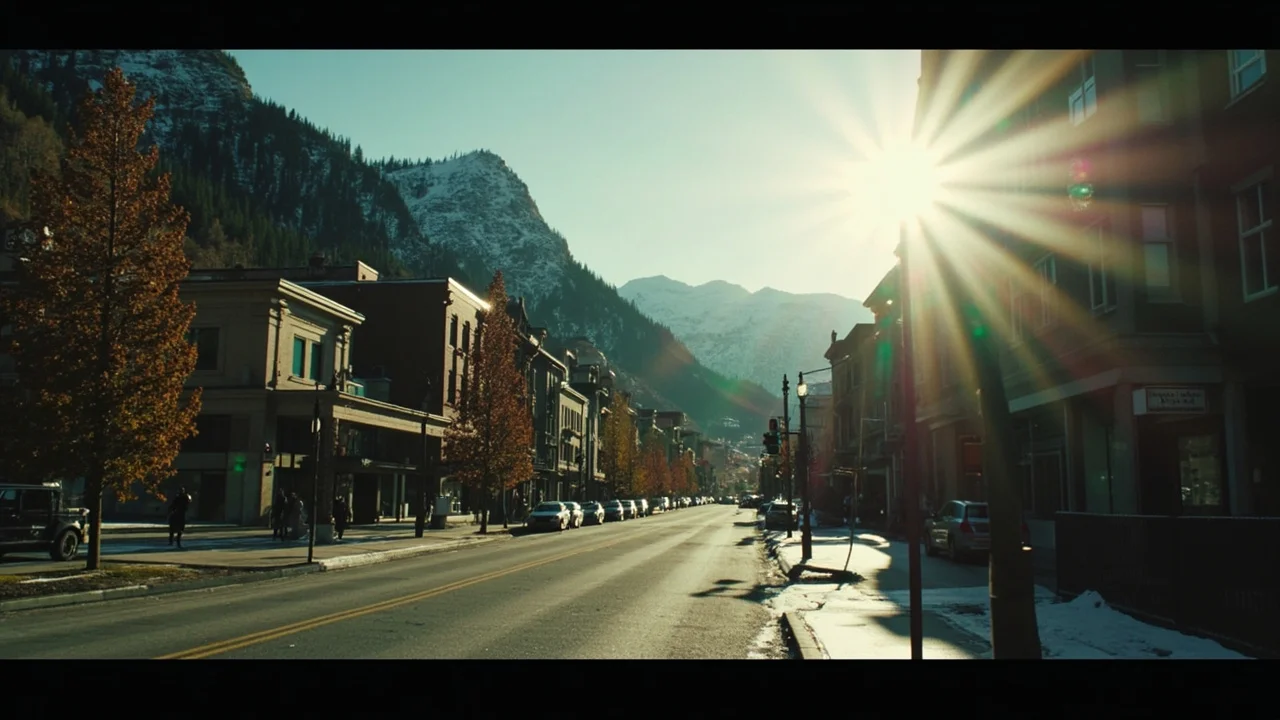
Park City vs Similar Destinations: A Pros & Cons Comparison of 3 Popular Options and Selection Guide
Wondering how to choose between Park City and similar destinations? This article compares the safety pros and cons of 3 popular alternatives across seven dimensions: crime statistics, medical resources, insurance plans, natural disaster response (blizzards, etc.), emergency contacts, solo female travel, and theft prevention for valuables. It provides a clear pitfall checklist and scenario-based selection recommendations to help you quickly determine whether Park City is right for your next trip.

travel deals october 2026 Food Map: 7 Must-Try Local Dishes and Hidden Street Flavors
Built around the travel deals october 2026 theme, this food map covers 7 must-try local dishes and hidden street flavors, from neighborhood spots to night market stalls and family-run kitchens. Each dish is tagged with block location, opening hours, and price range, plus practical pitfall tips on ordering language, queueing tactics, and hygiene choices. Paired with the US fall travel discount window, it helps you stay on budget while eating like a local, syncing itinerary and palate without stepping on a landmine.
A professional and thoughtful travel assistant website, dedicated to building a one-stop platform for trip planning and destination exploration. The platform brings together a wealth of high-quality travel resources, delivering diverse itinerary inspiration covering niche domestic getaways and popular overseas destinations. It also offers detailed and practical travel guides, including dining and accommodation recommendations, transportation tips, and pitfall avoidance advice, along with smart travel tools that customize suggestions based on trip duration, budget, and preferences, simplifying the complex preparation process and making every trip stress-free and full of new experiences.
View all articles →