
Hawaii Big Island Family Travel with Kids: 6 Kid-Friendly Activities & Daily Pacing Tips
How to travel the Hawaii Big Island with kids and stay worry-free? This family guide covers two tracks—safety and pacing. First, it outlines local public safety, medical resources, and natural disaster preparedness. Then it offers 6 kid-friendly activities and daily itinerary pacing tips to help parents avoid common mistakes and plan a smooth, fun Hawaii Big Island family trip.
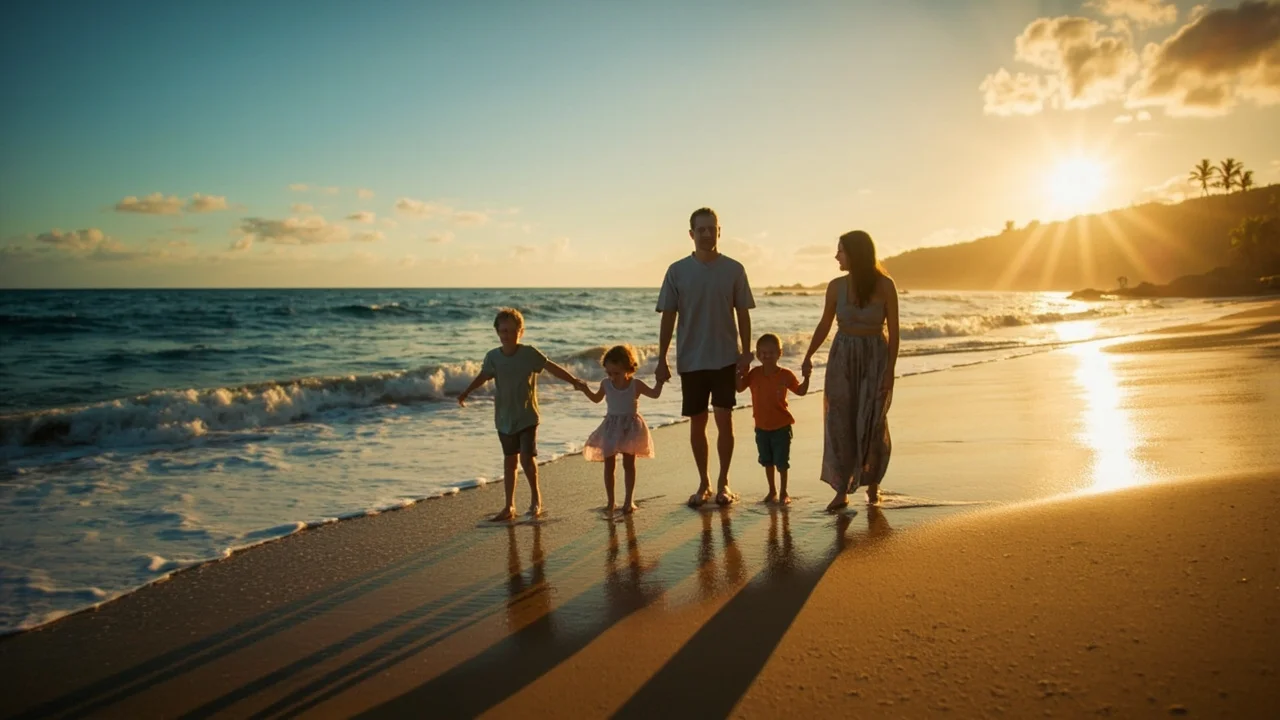
Taking a 3-Year-Old to the Hawaii Big Island: Rental Car & Self-Drive or Book a Day Tour?
The Hawaii Big Island (referred to below as the Big Island) is twice the combined area of Hawaii's other main islands, but public transit is sparse—family travelers almost have to rely on rental cars or chartered vehicles. According to the Hawaii Tourism Authority (HTA), 2025 data, the Big Island receives roughly 860,000 family visitor arrivals annually, with self-drive travel accounting for over 70% (according to 2024 Hawaii State Department of Transportation statistics). This article first lays the groundwork across public safety, medical care, and natural disasters, then offers 6 kid-friendly activities and pacing tips on how to plan a Big Island family trip. A rental car is flexible but requires a child safety seat; booking a day tour is hassle-free yet often misses the best early-morning window. Weigh the tradeoffs clearly before booking, and you can save a lot of back-and-forth transfer time.
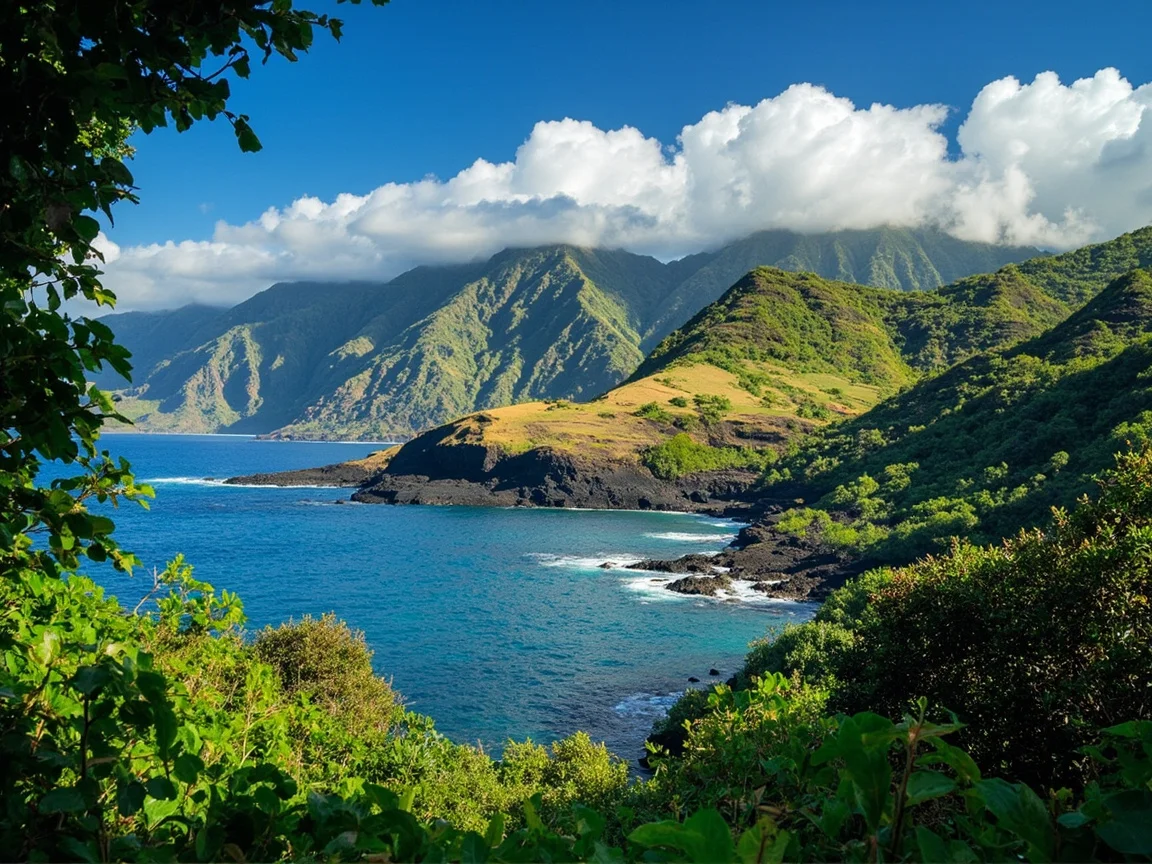
Hawaii Big Island with Kids: 6 Safe, Kid-Friendly Activities
Activity 1: Low-Intensity Loop at Hawaii Volcanoes National Park
Hawaii Volcanoes National Park (referred to below as the Volcano Park) is the marquee stop of any Big Island family itinerary, but with kids aged 3-7 the Kīlauea Iki Trail is not recommended—it runs 4 miles round-trip with a 300-meter elevation change (according to the 2025 NPS official trail description). A safer option is a short section of Crater Rim Drive (10 miles, 2 hours) plus Thurston Lava Tube (0.3-mile loop, 30 minutes). The visitor center at the entrance offers a free Junior Ranger booklet, and completing 4 tasks earns an official National Park Service badge (according to the 2025 NPS webpage). Plan 3-4 hours on site; past 5 hours kids get fatigued. The park sits at about 1,200 m elevation, where temperatures run 8-10°C lower than the coast, so pack a light jacket for the kids.
Activity 2: Half-Day Water Play at Hapuna Beach or Mauna Kea Beach
The Big Island's west coast is home to one of the finest white-sand beaches in the Hawaiian archipelago. According to the 2024 Hawaii State Division of Coastal Lands data, Hapuna Beach State Recreation Area has an average wave height of 0.6-1.2 m, suitable for toddlers to wade in the shallows—but rip current probability rises after 14:00. Plan to arrive between 9:00 and 11:30 in the morning to avoid harsh midday sun. Beach showers, restrooms, and changing rooms are all available (according to the 2025 Hapuna Beach official facilities guide). Must-bring items for families with kids: SPF 50+ kids' sunscreen, UV-blocking long-sleeve swimwear, a wide-brim hat; avoid regular sandals around the reef area.
Activity 3: Sunset & Stargazing at the Mauna Kea Visitor Information Station
The summit observatory zone of Mauna Kea at 4,205 m elevation is not recommended for very young children (altitude sickness risk), but the Mauna Kea Visitor Information Station (VIS, at about 2,800 m) is a safe compromise. VIS hosts the free stargazing program at the Onizuka Center for International Astronomy on most Saturday evenings from 19:00 to 21:00 (according to the 2025 VIS official announcement). Families can use portable telescopes here to observe Saturn's rings and the Milky Way. Bring a thick jacket (overnight temperatures can drop below 5°C), a red-light flashlight (to preserve night vision), and a thermos for hot drinks. For kids under 10 who don't tolerate cold or altitude well, limit the visit to about 1 hour.
Activity 4: Kona Coffee Farm Tour & Coffee Bean Discovery
The Kona coast of the Big Island is one of the main growing regions for arabica coffee beans (accounting for approximately 99% of U.S.-grown 100% Kona Coffee production, according to 2024 USDA statistics). Several family-friendly coffee farms are open to visitors, such as Mountain Thunder Coffee Plantation and Kona Coffee Living History Farm. Kona Coffee Living History Farm sits at 500 m elevation, with admission at $10 per person and free entry for kids under 5 (according to the farm's 2025 official website). Kids can take part in hands-on coffee bean sorting and watch traditional roasting demonstrations—experience length is about 1.5 hours. The surrounding shaded woodlands make it a great spot for a slow-paced 2-5 hour stop.
Activity 5: Rainbow Falls & Panaewa Rainforest Zoo in Downtown Hilo
Hilo on the east side of the Big Island is one of the wettest cities (annual rainfall around 3,200 mm, according to NOAA 2024 climate data), and its natural scenery differs sharply from the west coast. Rainbow Falls is a 10-minute drive from downtown, with free parking and a 30-45 minute visit. Panaewa Rainforest Zoo is the only tropical rainforest zoo in the United States, with free admission (according to the 2025 Hawaii County announcement), home to over 80 species with a focus on the nēnē goose (Hawaii's state bird)—an endemic Hawaiian species. Afternoon showers are common in the Hilo area (annual average afternoon rain probability about 38%), so plan to visit in the morning.
Activity 6: Captain Cook Snorkeling Experience (Ages 8+ Only)
Captain Cook Monument Bay off the Big Island's west coast is one of the top-rated snorkeling spots in Hawaii, with year-round water clarity of 20-30 m visibility (according to the 2024 HTA water quality report). Note: snorkeling requires some basic swimming ability from kids; children under 8, non-swimmers, or easily anxious kids are not advised to enter the water (according to the 2025 Hawaii State Ocean Safety guidelines). The snorkeling site is reached either by hiking downhill or kayaking from Kealakekua Bay (about 1.6 km one way), and the uphill return can be tiring. Be sure to book with a local operator holding lifeguard credentials and equipped with kids' masks and life vests.
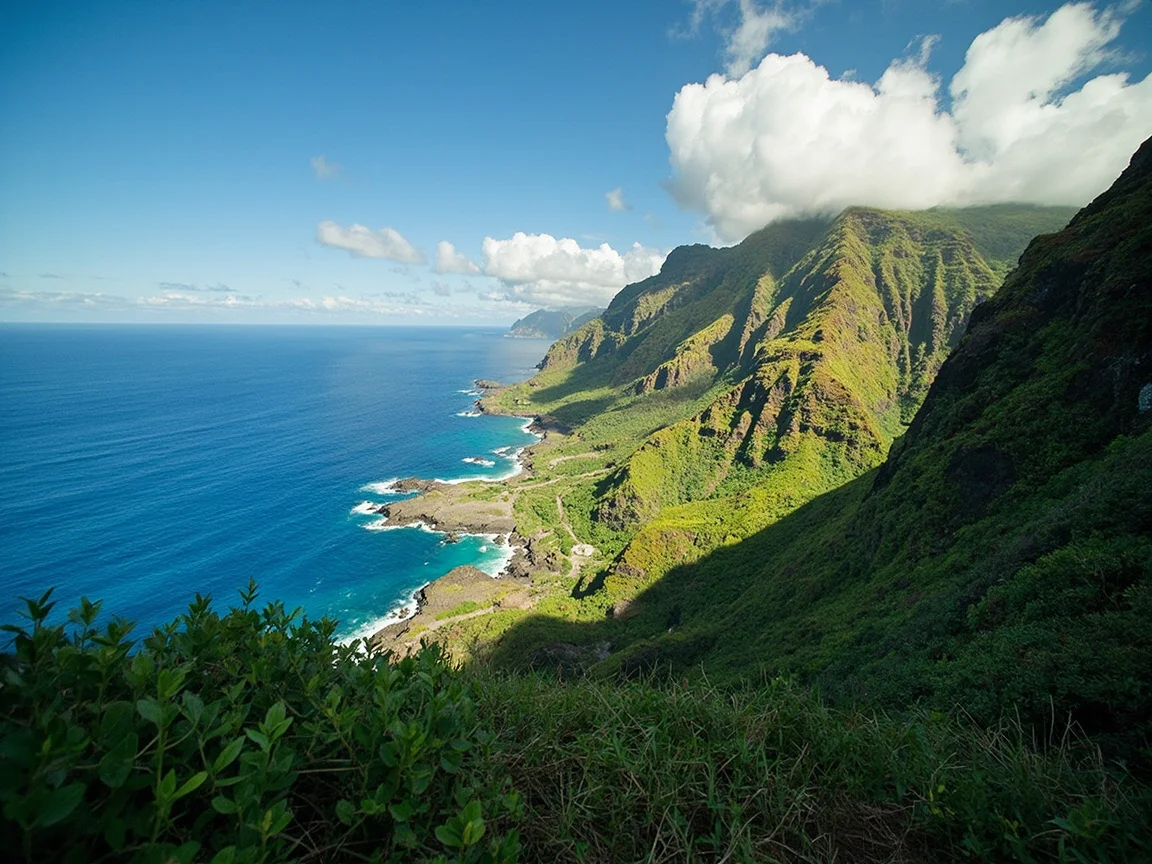
Hawaii Big Island Public Safety & Medical Resources: What Families Need to Know First
Public Safety Overview
The Big Island is generally safe, but theft incidents cluster around tourist-heavy areas. According to the FBI's 2024 Uniform Crime Report, the Big Island's annual violent crime rate is about 248 incidents per 100,000 residents, below the U.S. national average. Common safety risks: valuables left in rental cars leading to smashed windows (most common at Hapuna Beach and Volcanoes National Park parking lots), and theft of items left on the beach (typically cameras and phones). When leaving your rental car, don't leave any belongings inside—even in the trunk, avoid leaving bags if possible.
Medical Resources
The Big Island's main medical facilities are concentrated in Hilo (Hilo Medical Center, a Level III trauma center) and Kona (Kona Community Hospital). Both hospitals operate 24-hour emergency departments (according to the 2025 Hawaii State Department of Health facility list). Common visitor medical needs include sunburn, minor scrapes, marine-life stings, and dehydration. Purchase a U.S.-valid travel health insurance policy with accidental coverage of at least USD 100,000.
Natural Disaster Preparedness
Natural disaster risks on the Big Island center on volcanic activity, tropical storms, and tsunamis. According to USGS Hawaiian Volcano Observatory 2025 monitoring data, Kīlauea volcano is currently in an intermittent-activity phase—primary risk zones are limited to closed areas inside the Volcano Park, but stay tuned to the official volcano alert level. For tropical storms (hurricane season June through November, peaking in August-September), follow real-time advisories from the Central Pacific Hurricane Center. Tsunami risk is low (according to the NOAA 2024 tsunami assessment report).
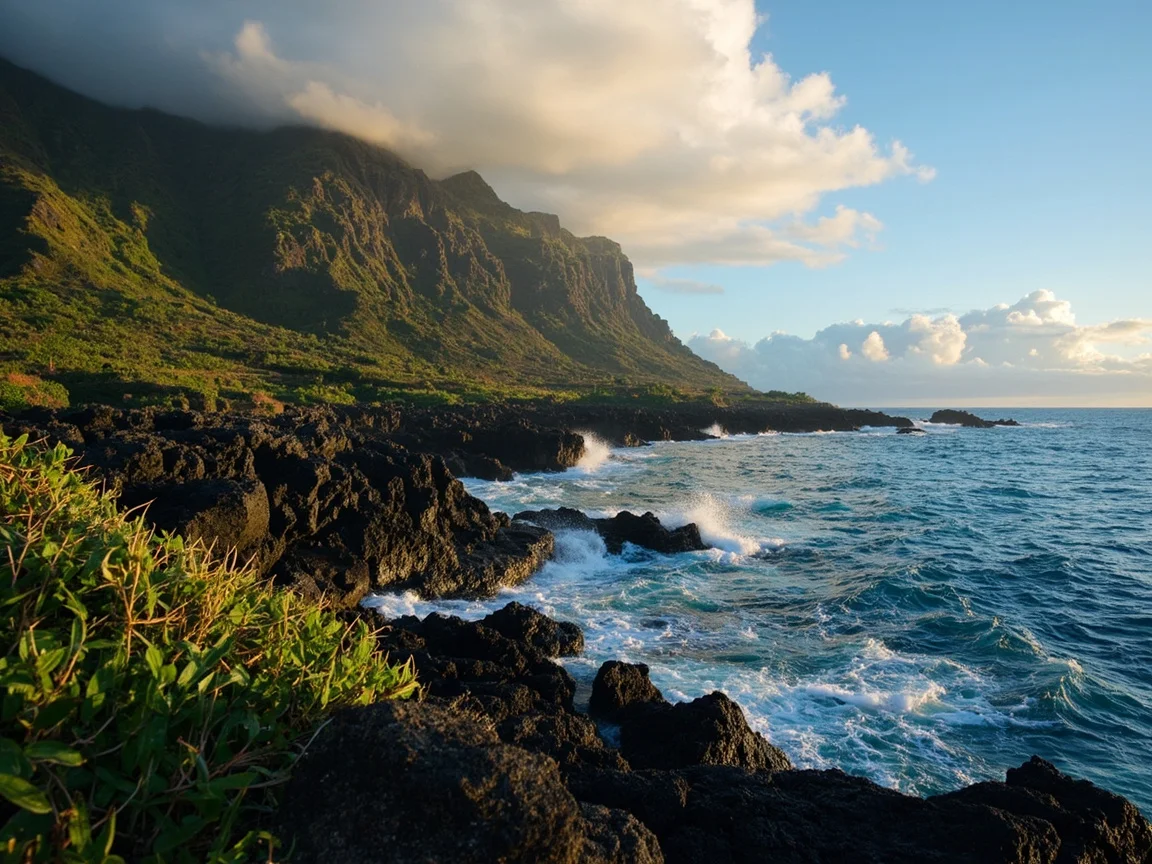
Hawaii Big Island Family Itinerary Pacing Tips: 1-2 Activities per Day Is Plenty
The Big Island spans a vast geography: the drive between Kona and Hilo is about 2.5 hours (according to Google Maps 2025 measured data), so back-and-forth same-day travel is not recommended. Plan by region clusters:
- Day 1: Arrival + settle in + short beach stop
- Day 2: Volcano Park (early-morning departure)
- Day 3: Kona coffee farm + west coast beach
- Day 4: Hilo area (Rainbow Falls + Zoo)
- Day 5: Mauna Kea VIS (late afternoon + night)
- Day 6: Captain Cook snorkeling (age-appropriate)
Leave at least 3 hours between activities, and avoid long drives or harsh midday sun during kids' nap times.
Hawaii Big Island Family Travel: Pitfalls to Avoid
- Don't leave anything in the rental car. Even an empty bag can lead to a smashed window.
- Don't schedule long outdoor sun exposure between 12:00-14:00. The UV index can reach 11+ (according to 2024 UV Index data), and kids' skin burns easily.
- Don't let kids enter the water alone. Even in shallow areas, rip currents can sweep people away from shore within seconds.
- Don't ignore altitude sickness. Mauna Kea VIS isn't extreme altitude, but some kids may still get headaches or nausea. Limit stops to no more than 2 hours and keep them hydrated.
- Don't overlook volcano alert levels. Check the USGS website before departure and obey any official closures.
- Don't skip the child safety seat. Hawaii state law requires child safety seats for kids under 8 or shorter than 4 feet 9 inches (according to Hawaii Revised Statutes §291-11.5). Rental companies can pre-arrange them at about $10/day.
- Don't overpack the itinerary. For family trips, 1-2 main activities per day is enough.
- Don't forget to pack kids' common medications. Pharmacies are scarce on the island, so bring common kids' fever reducers and motion-sickness medicine from home.
Frequently Asked Questions
Q1: What age is best for taking kids to the Hawaii Big Island? A: Ages 3-10 are the sweet spot for Big Island family trips. Under 3, long-haul flights plus high-altitude itineraries are not advised; kids over 10 can generally join snorkeling and light hiking.
Q2: Do I need to tip on the Hawaii Big Island? A: Yes. Standard tipping is 15-20% of the bill at restaurants and bars, 2-5 per night for hotel housekeeping.
Q3: When is the best season to visit the Hawaii Big Island? A: April-May and September-November offer the most stable weather. Avoid the August hurricane peak and the December-February North Pacific giant-swell season (according to NOAA 2024 climate data).
Further Reading & References
- Hawaii (island) geographic overview - Wikipedia
- Hawaii Volcanoes National Park official guide - NPS
- Hawaii Tourism Authority family visitor information
- Lonely Planet Hawaii Big Island family travel guide
When traveling to the Big Island with kids, what matters most isn't how many sights you check off—it's slowing the pace and putting safety first. Prioritize low-intensity, well-equipped activities, adjust the plan when storms or volcano alerts hit, and the whole family will come away with warm Hawaii memories.
Related articles

How to Plan a Family Trip to Memphis: 6 Kid-Friendly Activities & Pacing Tips
What's the easiest way to explore Memphis with kids? This guide picks 6 kid-friendly activities for families, with daily pacing recommendations covering attraction routes, rest stops, and managing kids' moods—plus common pitfalls and safety tips parents should know.
Where to Stay in Phoenix, Arizona with Kids: Complete Guide to 4 Neighborhoods & Price Ranges
Must-read before traveling to Phoenix with kids: This guide covers safety, medical access, and emergency contacts, selecting 4 family-friendly safe areas to stay including Scottsdale and North Mountain, with nightly price ranges for each, plus solo female travel tips, anti-theft techniques, and heat precautions to help parents efficiently find a worry-free place to stay.
Capitol Reef National Park vs Similar Destinations: Pros & Cons of 3 Popular Options and a Selection Guide
Capitol Reef National Park has gone viral for its unique geological landscapes, but what travelers care about most is safety. This article compares the pros and cons of 3 popular similar destinations across 6 dimensions—crime data, medical resources, earthquake & blizzard response, emergency contacts, solo female travel, and theft prevention of valuables—to help you quickly decide whether Capitol Reef National Park fits your itinerary, along with clear selection advice and a pitfall-avoidance checklist.

North Cascades National Park Travel Guide 2026: Must-See Attractions, Routes & Practical Tips
This comprehensive safety guide for North Cascades National Park features the latest 2026 security data, local medical resource distribution, travel insurance recommendations, and practical response plans for natural disasters including earthquakes, blizzards, and landslides. It covers anti-theft techniques for valuables, solo female travel tips, and 24-hour emergency contacts — an essential read before heading to the park.
A professional and thoughtful travel assistant website, dedicated to building a one-stop platform for trip planning and destination exploration. The platform brings together a wealth of high-quality travel resources, delivering diverse itinerary inspiration covering niche domestic getaways and popular overseas destinations. It also offers detailed and practical travel guides, including dining and accommodation recommendations, transportation tips, and pitfall avoidance advice, along with smart travel tools that customize suggestions based on trip duration, budget, and preferences, simplifying the complex preparation process and making every trip stress-free and full of new experiences.
View all articles →