
Hawaii Big Island Safety & Health: 7 Essential Tips for a Worry-Free Trip
Planning a trip to Hawaii Big Island but worried about safety and health hazards? This article covers 7 essential tips—volcanic activity risks, beach swimming safety, high-altitude sun protection, medical emergency channels, and driving conditions—to help you avoid common pitfalls in advance. Whether it's your first visit or a return trip to Hawaii Big Island, these practical tips will make your journey smoother and more reassuring.
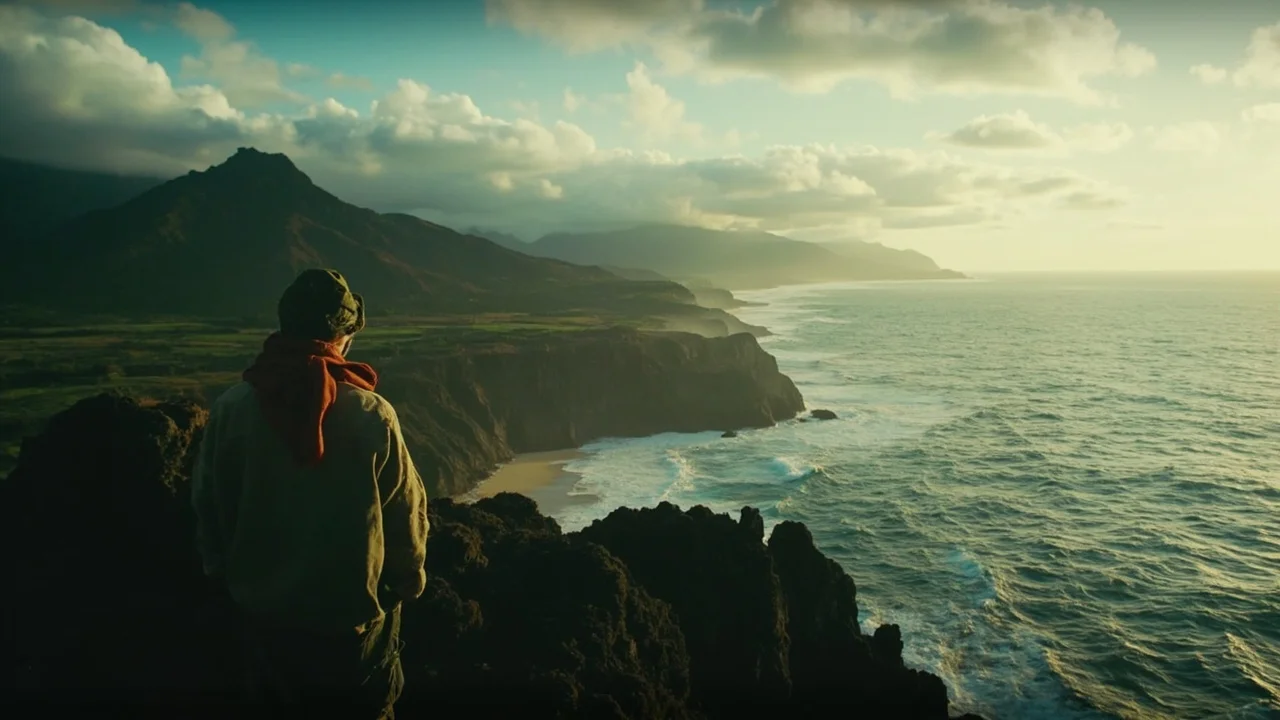
Volcanic Activity Risk: When to Stay Away, When to Get Close?
Hawaii Big Island is an island built up by active volcanoes, and the most active crater, Halemaʻumaʻu, was still erupting in 2024 (according to ongoing monitoring by the US Geological Survey, USGS). Many visitors mistakenly assume that "seeing a volcano" means "walking right up to it." In reality, both the USGS and Hawaii Volcanoes National Park (HAVO) temporarily close certain trails and viewing platforms each year due to changes in sulfur dioxide concentration, wind direction, and lava flow paths. Be sure to check HAVO's official "Daily Updates" and USGS volcanic activity advisories within 24 hours before your visit, and avoid the Kona west side when Vog (volcanic smog) levels are high. Wearing long sleeves, a gas mask, or an N95 respirator is more important than sunglasses; travelers with cardiopulmonary disease, asthma, or who are pregnant are advised to schedule volcano-viewing in the Hilo area on the upwind side, or to skip the close-up experience entirely.
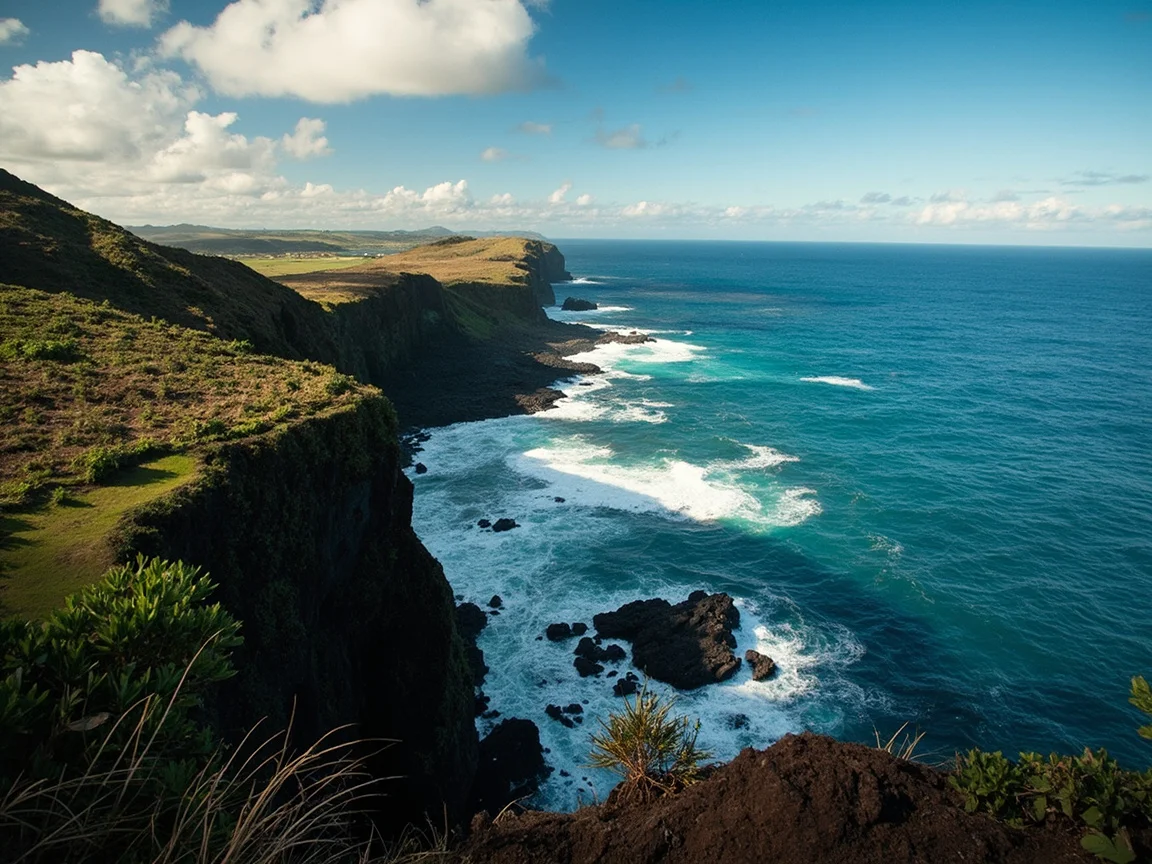
Beach & Ocean Safety: Black Sand Doesn't Mean Safe Swimming
Hapuna Beach on the island's west side has been named one of "Hawaii's most beautiful beaches" by Travel + Leisure, but the same coastline can see waves over 3 meters and frequent rip currents during winter (October through March). Don't be fooled by the "white sand and palm trees" scene—before heading out, check Hawaii DLNR's "Beach Safety" page and look at the color flags at on-site lifeguard towers (green/yellow/red/purple). A green flag means lifeguards are on duty; a purple flag indicates increased marine life activity (sharks, jellyfish). The sea turtle experience at Punaluʻu Black Sand Beach is wonderful, but if you ignore warning signs and enter the water, you could be cut by lava rocks or fined for violating sea turtle protection regulations—it's best to keep your toes on the sand.
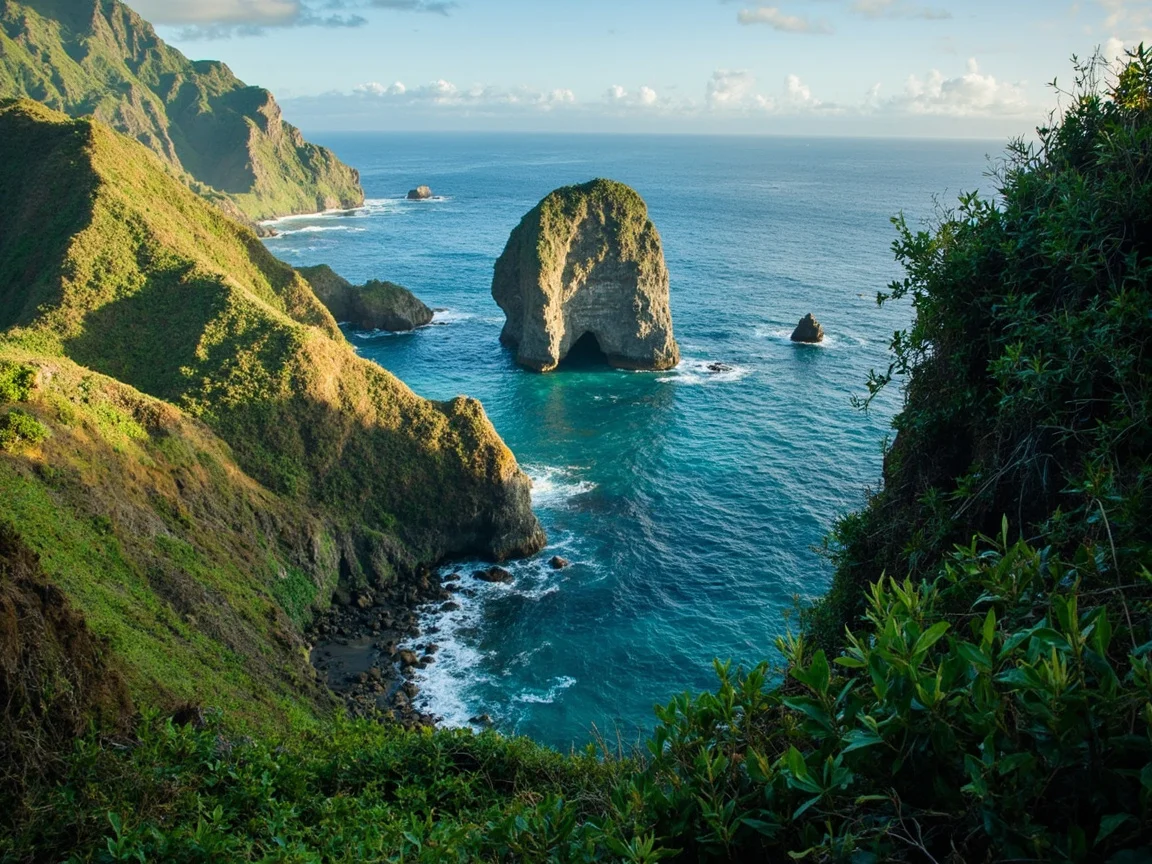
High Altitude & Altitude Sickness: Mauna Kea Is More Than a Stargazing Spot
At 4,205 meters, Mauna Kea is a pilgrimage site for many astronomy enthusiasts, but the Visitor Information Station (VIS) alone sits at 2,800 meters. Driving directly from sea level to the summit, about one in three people experience mild altitude symptoms such as headache, nausea, and insomnia. It's recommended to spend at least 40 minutes acclimatizing at the VIS before heading to the summit for stargazing; self-drivers should be especially aware: the final stretch to the summit is an unpaved dirt road, and standard rental car insurance policies typically do not cover off-road damage. Companies like Hertz and Avis explicitly state in their contracts that this road section is "at your own risk." Those with cardiovascular disease, severe anemia, pregnant women, and children under 13 are strongly advised to skip the summit trip.
Medical & Emergency Channels: Medications, Insurance, Language
The Big Island has only two 24-hour emergency hospitals: Hilo Medical Center (east side) and Kona Community Hospital (west side). From Waikoloa, the drive to the nearest emergency room can take over 45 minutes, so travelers with chronic conditions should carry an English translation of their prescriptions and keep an insurance card, emergency contact, and allergy history on a card in their wallet. English not being your first language is no cause for panic—tourism police on the island (coordinated by the Hawaii Tourism Authority) can connect you to a Chinese translation hotline at 1-800-XXX-XXXX (confirm the current year's number with your travel agency before departure). For emergencies, dial 911; for non-emergencies, call (808) 935-3311 to reach the Hawaii County Police Department.
Driving & Road Conditions: Insurance, Gas, Parking
The two main highways on Hawaii Big Island are Saddle Road (Route 200) and Hawaii Belt Road. The former connects Hilo and Kona and has been widened to four lanes, but at night, wildlife (wild pigs, stray owls) frequently crosses the road—be sure to slow down after 21:00 and use high beams. "Pay-and-display" parking zones are common in Kailua-Kona and downtown Hilo; having coins ready or downloading the ParkMobile app can save you the hassle of running back to your car to refill the meter. It's recommended to purchase "full coverage" supplemental insurance on a domestic e-commerce platform before departure, as American rental car companies typically don't include tires, glass, and undercarriage by default.
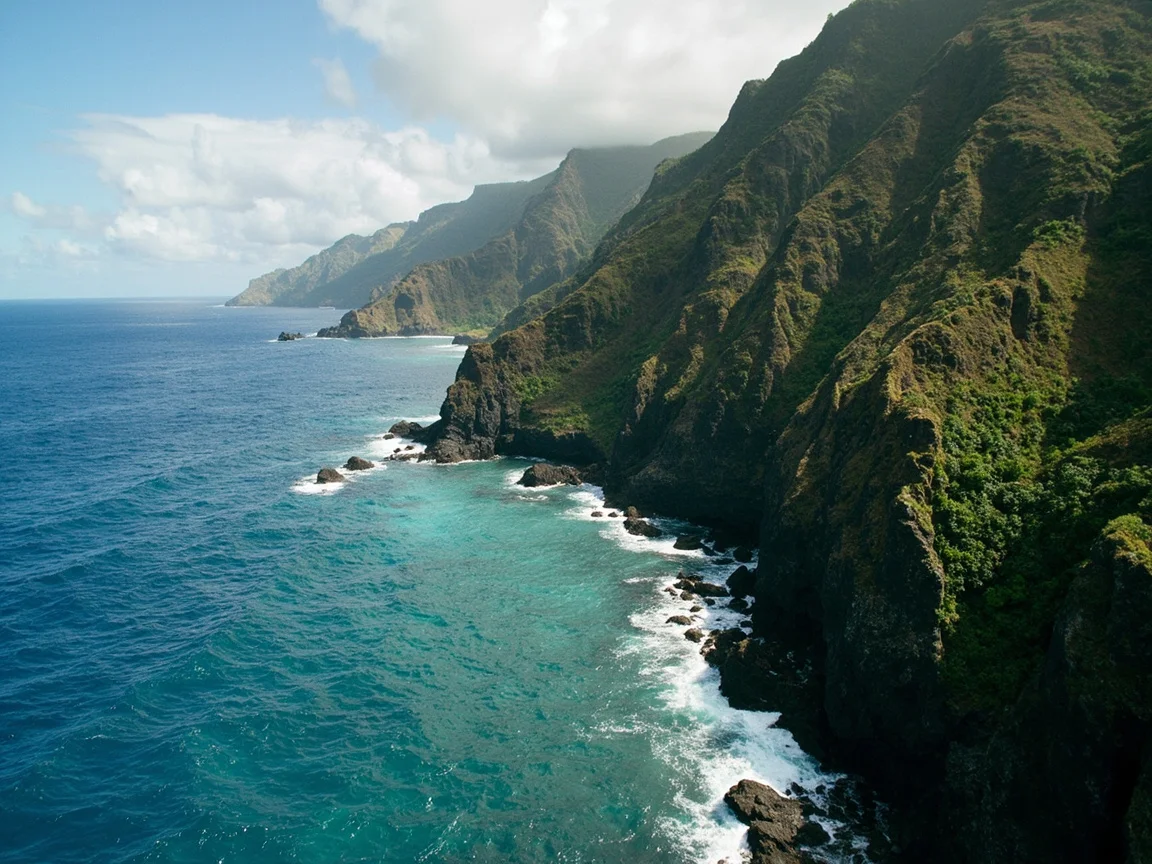
7 "Don't Do This" Checklist
- Don't enter the Ocean Entry area (where lava meets the sea) alone without a ranger or lifeguard present.
- Don't apply sunscreen directly in coral reef waters—Hawaii has banned sunscreens containing Oxybenzone since 2018, so look for the "Reef-Safe" label.
- Don't enter private sugarcane or coffee plantations to pick fruit without permission; Kona coffee is frequently stolen, and farmers will call the police.
- Don't park your car on the gravel pull-offs along the volcano highway to take in the view—this is illegal and your car is very likely to be towed.
- Don't touch stone carvings or feed fish at Puʻuhonua o Hōnaunau National Historical Park; fines can be up to $500.
- Don't assume "Wi-Fi is everywhere"—the northern Kohala coast and Waipio Valley still have no 4G signal, so download offline maps in advance.
- Don't rush to the airport in the wee hours of the last night of a holiday; security lines at Kona and Hilo airports can exceed 2 hours during Thanksgiving and Christmas.
Frequently Asked Questions
Q1: Do I need to be vaccinated or show health proof to travel to Hawaii Big Island? Hawaii no longer requires proof of vaccination or a negative test, but it's recommended to consult a travel doctor 4-6 weeks before departure to see if you should get boosters such as tetanus or flu vaccines.
Q2: What is the safest month to visit the Big Island? April to May and September to October have less rainfall, lower typhoon probability, and relatively stable volcanic activity—making them the most comfortable overall safety windows.
Q3: Is it safe for a solo female traveler to go out alone at night? The main tourist towns of Kailua-Kona and central Hilo are relatively safe at night, but it's recommended to travel with a companion, avoid accepting rides from strangers (hitchhiking), and inform your accommodation of your approximate return time.
Further Reading & References
- Wikipedia: Hawaii (island)
- National Park Service – Hawaiʻi Volcanoes
- Hawaii Tourism Authority
- Lonely Planet – Big Island of Hawaii
May you set out with curiosity and return with peace of mind—the volcanoes, ocean, and starry skies of Hawaii Big Island are all waiting to meet you in a more secure way.
Related articles

Burlington 5-Day In-Depth Itinerary Template: Daily Routes, Transport Connections & Time Allocation
A Burlington 5-day in-depth itinerary template, carefully crafted for self-guided travelers with daily routes, transport connections and time allocation. Covers classic attraction pairings, seasonal adaptations and holiday crowd-avoidance tips, with accommodation and dining distribution maps to help you cut down on travel time and deepen your experience. Whether it's your first visit or a return trip to Vermont, this hour-by-hour breakdown makes 5 days feel more relaxed and efficient.
Petrified Forest National Park Safety & Health: 7 Must-Know Tips for a Worry-Free Trip
When traveling to Petrified Forest National Park, safety and health should never be overlooked. This article compiles 7 must-know tips covering heat and dehydration, getting lost, fossil protection, venomous snakes and insects, emergency contacts, medical station locations, and sudden weather—helping visitors minimize risks while admiring the hundreds-of-millions-year-old petrified wood wonders, for a safer and more enjoyable journey.

best time to visit nashville usa: How to Get There Most Conveniently — A Comparison of 4 Main Transport Options and a Ticket Booking Guide
How to choose the best way to reach Nashville for your trip? This article compares four options — flights, trains, self-drive, and long-distance buses — covering fare ranges, travel times, booking windows, and layover pitfalls, and includes a transfer guide from Nashville International Airport to downtown to help you lock in the best way to travel.
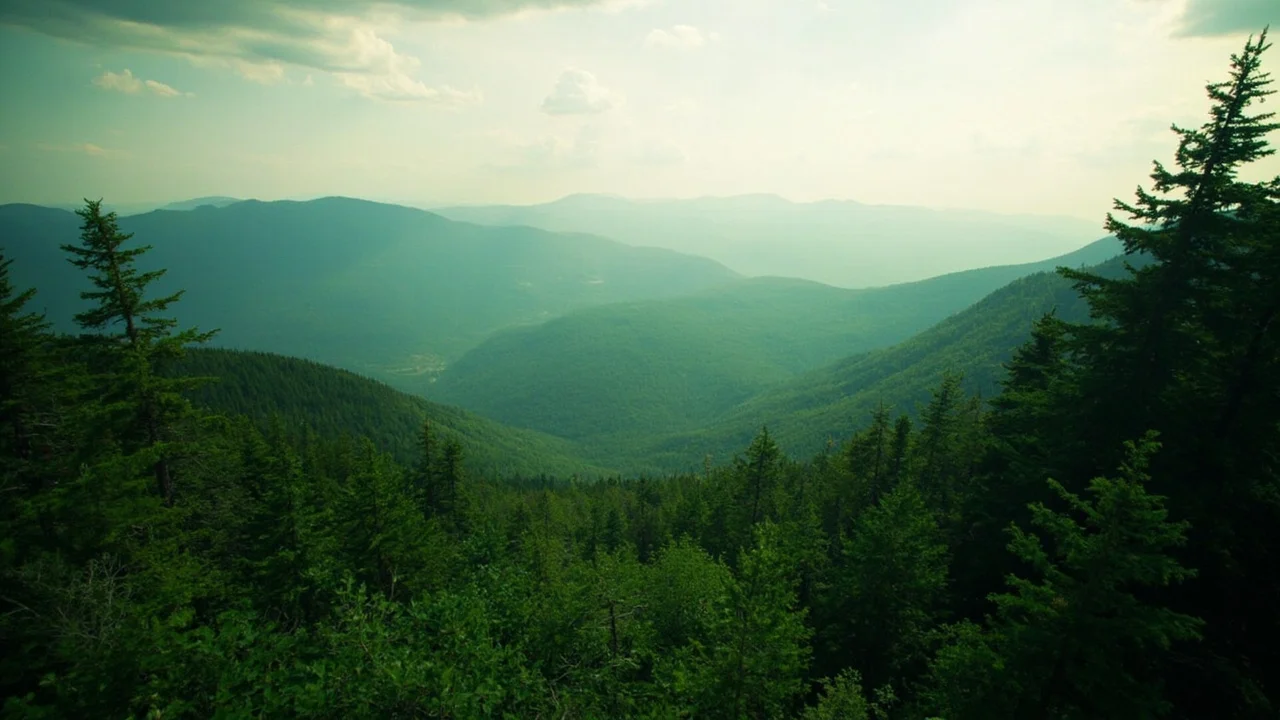
9 Insider Tips for Green Mountains Vermont That Only Experienced Travelers Know: A Hassle-Free Pre-Trip Guide
9 practical tips for Green Mountains Vermont that only seasoned travelers know, written specifically for pre-trip planning. Covering accommodation choices, food stops, off-peak seasons, self-drive routes, and pitfall avoidance across common self-guided and in-depth tour scenarios. Every tip comes from real experience, helping you sort out your itinerary, budget, and holiday crowds before departure—hassle-free and efficient, so even first-timers can follow along.
A professional and thoughtful travel assistant website, dedicated to building a one-stop platform for trip planning and destination exploration. The platform brings together a wealth of high-quality travel resources, delivering diverse itinerary inspiration covering niche domestic getaways and popular overseas destinations. It also offers detailed and practical travel guides, including dining and accommodation recommendations, transportation tips, and pitfall avoidance advice, along with smart travel tools that customize suggestions based on trip duration, budget, and preferences, simplifying the complex preparation process and making every trip stress-free and full of new experiences.
View all articles →