
9 Practical Tips Only Molokai Veterans Know: A Hassle-Free Pre-Trip Guide
Planning a trip to Molokai but worried about pitfalls? These veteran tips help you clear every blind spot before you go. From airport transfers and lodging choices to car rentals and local dining, this guide distills 9 hard-won Molokai lessons covering details that self-guided and self-drive travelers most often overlook, plan your itinerary with ease, dodge common mistakes, and soak up authentic island charm.
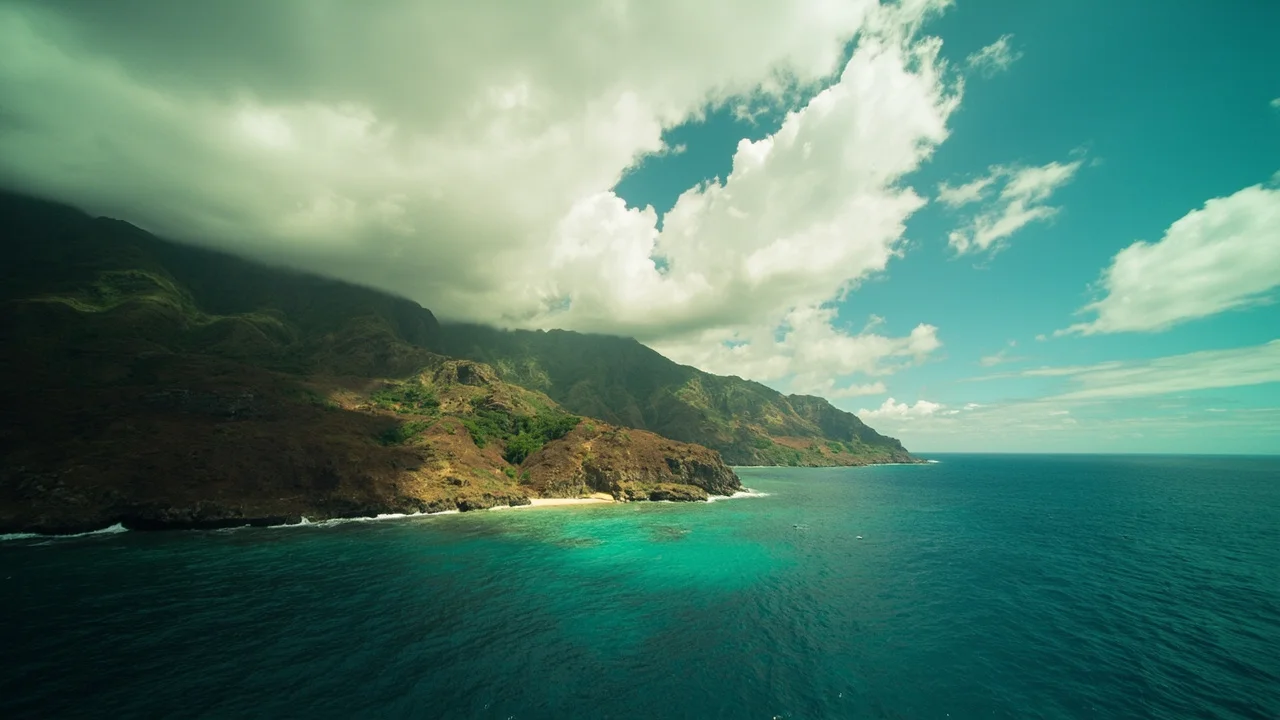
How to Experience Molokai Without the Pitfalls: 5 Questions to Clarify Before Departure
Travelers planning a Molokai trip often pause for a few seconds when asked "Why this island?"—because it has neither Waikiki's neon lights nor the chain resorts lining Maui's highways. Instead, it is known for the world's highest sea cliffs, the slowest pace of life, and an atmosphere closest to Native Hawaiian culture. According to 2024 visitor statistics from the U.S. National Park Service (NPS), international visitors to Molokai account for less than 3% of total visitor traffic across the Hawaiian Islands, meaning most guidebooks don't necessarily apply to this "island of authenticity." The 5 real scenarios below are the most-asked questions Molokai veterans receive in email replies and comment sections. Thinking them through before you leave can cut your trip anxiety in half.
Q1: Is Molokai suitable for a first-time Hawaii visitor?
Not necessarily. Molokai has almost no large shopping centers, no chain fast food, and Kaunakakai's main street can go pitch-dark after 8 PM—that's exactly its charm, but it can be a "pitfall" for visitors used to convenience. If you're after beach resorts, spas, and nightlife, Oahu or Maui are better fits; Molokai is best for travelers who "want a slower pace and are willing to self-drive."
Q2: How many days do you need for a self-guided Molokai trip?
Most veterans say 3–4 nights. Under 2 nights, you'll basically just arrive, drive a loop around the island, and leave. More than 5 nights, and it's easy to fall into the illusion of "nothing left to do"—in reality, Kalaupapa National Historical Park requires advance application, and the eastern end of the island has 30+ km of unpaved road, both of which need buffer time.
Q3: Where should you book lodging on Molokai?
The island has only three lodging clusters: Kaunakakai, Maunaloa, and Kaluakoi (near Kepuhi Beach). The first is convenient for transit, the others offer dramatic ocean views. If you plan to self-drive around the island, staying in Kaunakakai offers better value-for-money; if you just want the beach and don't need to head into town, the small condos or B&Bs in Kaluakoi are quieter.
Q4: Do you need to rent a car on Molokai?
Yes—it's a must. There's no Uber on Molokai, and no island-wide public transit. The Maui Bus only runs between Kaunakakai and the airport, with sparse schedules. Self-drive visitors typically fly in via Maui or Honolulu first, then connect to Molokai, but you still need a rental car on the island.
Q5: What experiences on Molokai should not be missed?
These include: a Halawa Valley cultural hike (local guide required), Papohaku Beach (one of Hawaii's biggest white-sand beaches), the "Face of Molokai" (Phallic Rock) inside Palaau State Park (a culturally sensitive local site—treat it with respect), and the Saturday morning Kaunakakai Farmers Market.
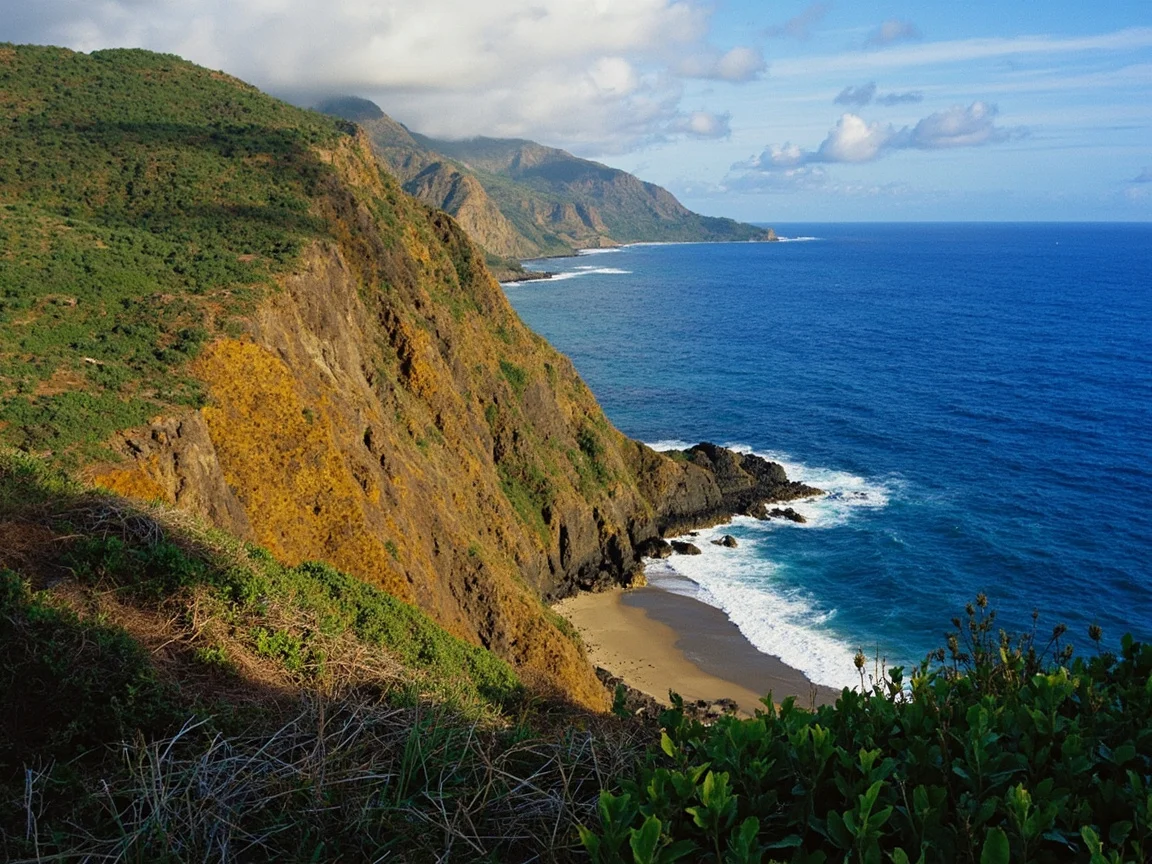
Molokai Itinerary & Season: When Is the Most Comfortable Time to Visit?
Molokai has a tropical dry-wet seasonal climate. April–September is the dry season and the top choice for most self-guided travelers. In NPS's 2025 Hawaiian Islands tourism report, Molokai's average daily visitor count in May–July runs about 1.4x that of November–January, yet hotel rates are 30%–50% lower than comparable Maui properties—offering clear value-for-money advantages.
If you want to avoid U.S. mainland holiday crowds (Thanksgiving, Christmas, Easter), consider mid-to-late January or early September—the weather still allows swimming, and the Kaunakakai Farmers Market has the most local stalls. A special note: November through March is the North Pacific swell season (North Swell), and big-wave spots on Molokai's north shore like Papohaku Beach develop dangerous rip currents, so veterans usually avoid swimming in those areas.
For pacing, consider spending the first night in Kaunakakai to adjust to the time difference. On day two, head out early on the west route to Kepuhi Beach for sunset. Day three, hire a driver or self-drive to the eastern end for a Halawa Valley cultural excursion. Day four, save it for Kalaupapa National Historical Park (requires a permit applied for by email months in advance) or a Pali Coast helicopter tour—Molokai's must-do experiences often depend on advance reservations.
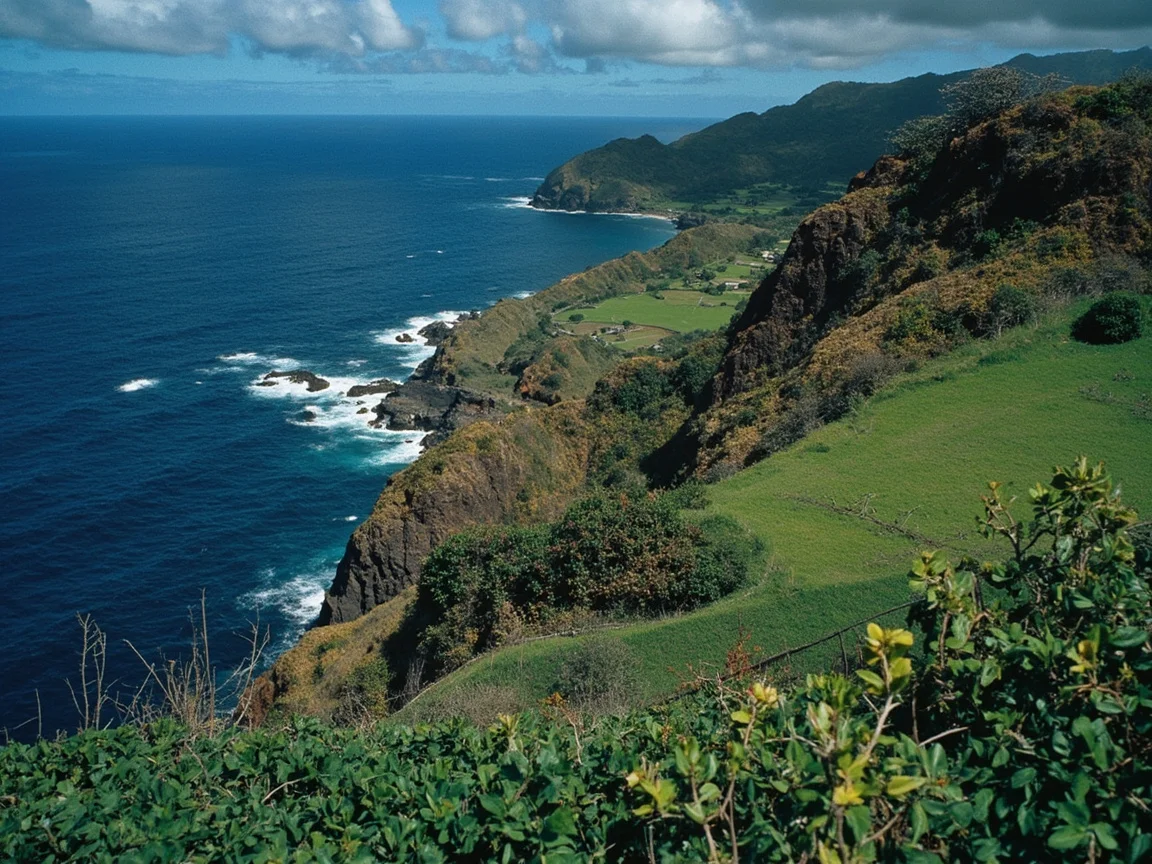
How to Choose Molokai Lodging: Veterans' "Pitfall Checklist"
Lodging is where Molokai self-guided trips most often go wrong. Because the island has very few hotels—many are long-term rentals or tied into resort membership systems—only a small portion of total inventory is actually bookable to regular travelers on Booking or Airbnb. The three tips below come from veterans' repeated experience:
- Don't judge by star rating alone: a Molokai "B&B" may just be a converted fishing village cottage with inconsistent hygiene; a condo listed the same way may lack air conditioning or a hot water kettle. When viewing photos, pay extra attention to window orientation and kitchen facilities.
- Prioritize properties within walking distance of Kaunakakai: there are no food-delivery apps on the island, so dinner must be self-prepared or a walk to one of the few restaurants in town. The closer your lodging is to Kaunakakai, the easier emergencies are to handle.
- If you're self-driving around the island, consider 1 night on the west coast at Kaluakoi: this stretch's Kepuhi Beach is the best sunset spot on Molokai, close to Maunaloa town, and the drive back down to Kaunakakai the next day is only 30 minutes.
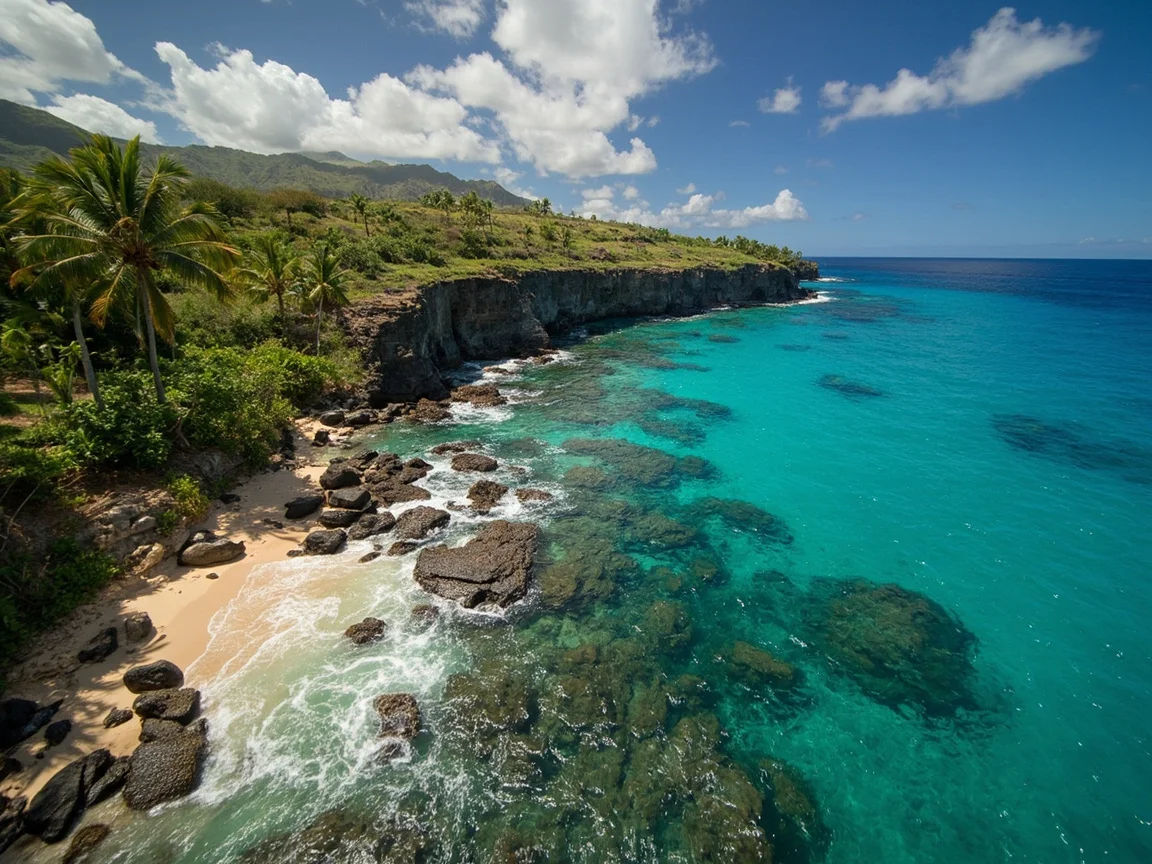
Molokai Self-Drive & Transfers: 5 Details Most Likely to Trip You Up
Molokai's transport system is not particularly friendly to self-guided or self-drive travelers. Knowing the following details in advance can save you a lot of time.
-
The only airport-to-Kaunakakai shuttle: Molokai Shuttles offers fixed runs from the airport to the main town, around $25 one-way, but schedules are tied to flights—if you miss it, a taxi is your only option. Maui SpeediShuttle also provides transfers from Maui airport, but requires booking at least 48 hours in advance.
-
Very few rental car companies: there are only 2 local rental companies inside Molokai airport (Budget and Alamo). Vehicles are limited and the fleet is older—book at least 1 month ahead. There are no Tesla or EV charging stations on the island; rentals are standard gasoline cars.
-
30 km of unpaved road on the eastern end: from Kaunakakai, follow Highway 450 east toward the Halawa Valley lookout—the final stretch is gravel. A regular sedan can handle it, but in rain an SUV is recommended.
-
No island-wide public transit on Molokai: apart from the airport shuttle, there's only the Maui Bus line on the island, and the schedule is extremely sparse. Self-driving or hiring a driver is the only realistic option.
-
Only 2 gas stations in Kaunakakai: fill up in the main town before heading out on the west coast—there are no gas stations near Kepuhi, and no service at night.
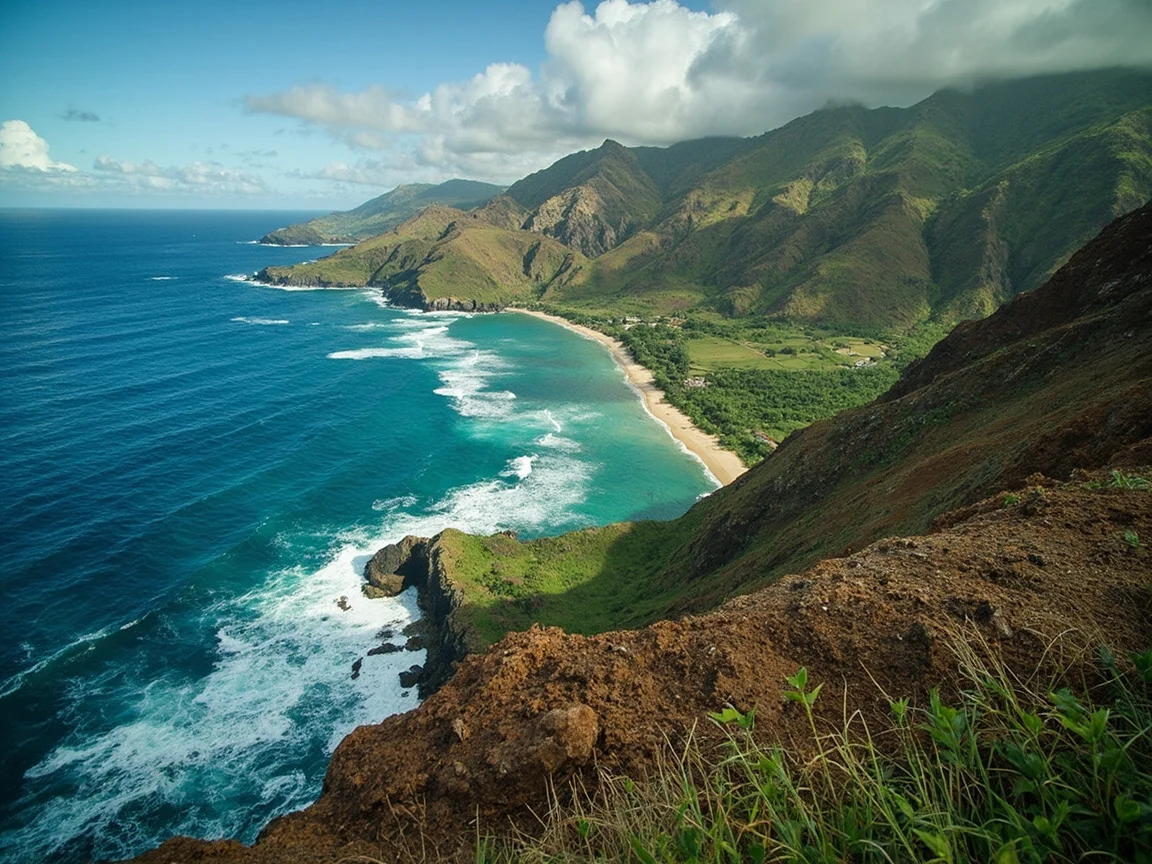
Molokai Food & Local Etiquette: Details Self-Guided Visitors Most Often Miss
Dining on Molokai is one of the island's most common complaint topics. On Kaunakakai's few main streets, there are only 5–8 proper restaurants, among which Molokai Pizza Cafe, Hot Breadheads (a local recommendation), Paddlers Restaurant, and Hiro's Ohana Grill are relatively reliable choices. The west coast Kepuhi area has only hotel restaurants, with hours that shift seasonally—confirm in advance.
Veterans usually recommend bringing your own breakfast—the only chain supermarket in Molokai's main town is Misaki's Grocery, but selection is limited and prices are on the high side. The Saturday morning Kaunakakai Farmers Market is the best place to experience local food: fresh poke, banana bread, local honey, and more.
A special note: Molokai has the highest Native Hawaiian population share of any island. Cultural sites such as heiau (ceremonial temples) and Phallic Rock strictly forbid photography, climbing, or removing any items. Locals also have lower tolerance than on other islands for "tourists photographing locals"—don't photograph strangers or private homes without permission. Veterans on Maui and Big Island have reminded travelers of this rule repeatedly.
What Not to Do on Molokai: A Pitfall Checklist for Self-Guided Visitors
The final 5 items are the most-asked "don'ts" Molokai veterans receive via email and social media DMs:
- ❌ Don't enter Halawa Valley without a local guide: the site is a private cultural area; those without a prior reservation will be turned away at the trailhead.
- ❌ Don't treat Kalaupapa as a "drive-by" stop: getting from the main town to Kalaupapa requires hiking + mule descent, or a small aircraft. Showing up with zero reservations means you'll be refused entry outright.
- ❌ Don't head out on a holiday (May Ho'olaule'a, November Thanksgiving) without booking lodging first—rooms fill up early on the island.
- ❌ Don't combine Molokai with Maui in one itinerary: there's no bridge or direct ferry between the two; you must fly or route through Oahu, costing half a day to a full day.
- ❌ Don't force a regular sedan onto unpaved roads: accidents from slippery conditions on the eastern Highway 450 in rain show up on social media almost every year.
Frequently Asked Questions
Does Molokai require a separate visa? Molokai is part of the U.S. state of Hawaii and falls under the same U.S. visa policy as the mainland. Visitors from mainland China need a B1/B2 visa, with a maximum stay of 6 months.
Is Molokai suitable for kids? Overall suitable for children 6 and up with an interest in the outdoors; the island's medical facilities are limited, so bring your own common medications for young children. Note that Kalaupapa and Phallic Rock are not appropriate for very young children.
Is Molokai safe? Molokai is one of the safest islands in Hawaii—walking alone at night is generally safe—but still watch out for sun protection, hiking safety, and ocean rip currents.
Further Reading & References
- Molokai — Wikipedia
- Kalaupapa National Historical Park — National Park Service
- Visit Hawaii Official Travel Site
- Lonely Planet — Molokai Travel Guide
Before you pack your bags for Molokai, set aside your expectations of a typical Hawaii "resort vibe"—what this island gives you isn't convenience, but time slow enough to hear the waves.
Related articles
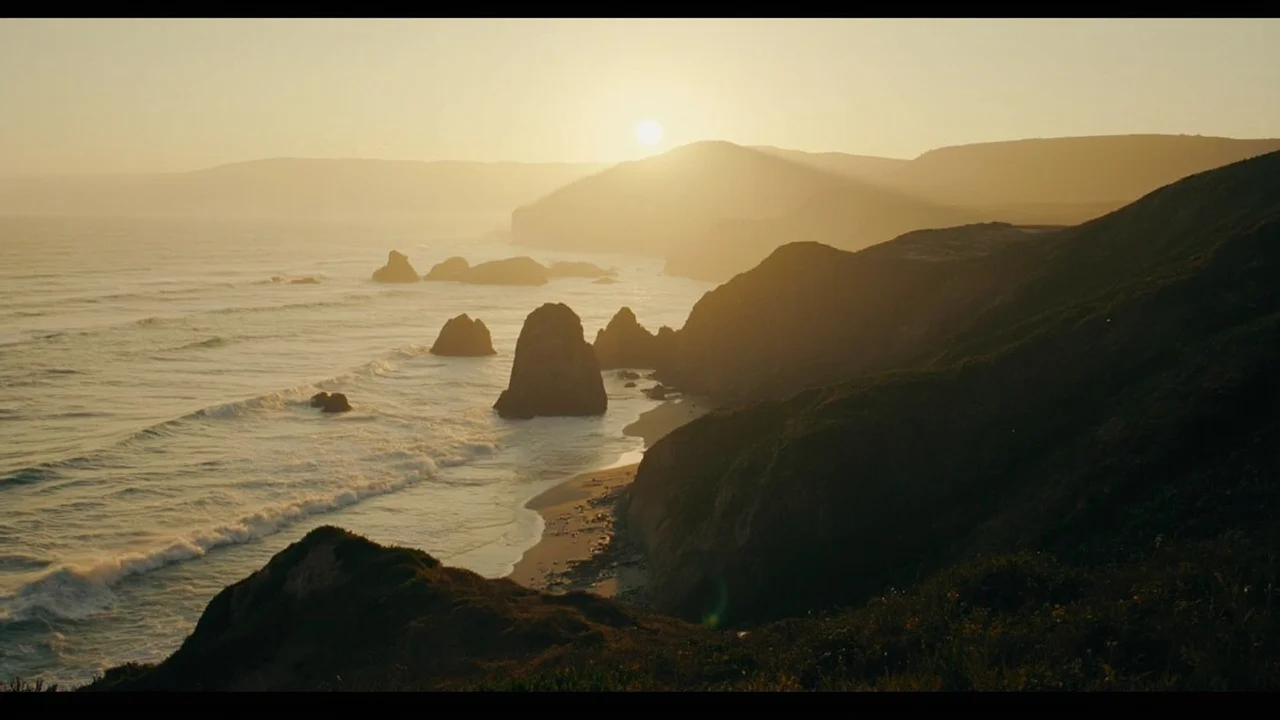
Best Time to Visit Big Sur CA: How to Get There Most Conveniently – Comparison of 4 Main Transportation Options and Ticket Booking Guide
Want to visit Big Sur but unsure how to get there? Centered on the travel needs for best time to visit Big Sur CA, this article systematically compares 4 main options. From the flexibility of self-driving California's Highway 1, to connecting routes via rental car, train, or bus after flying into San Francisco, it breaks down the travel time, fares, booking platforms, and pitfall tips for each method—helping you pick the option that best fits your budget and pace.
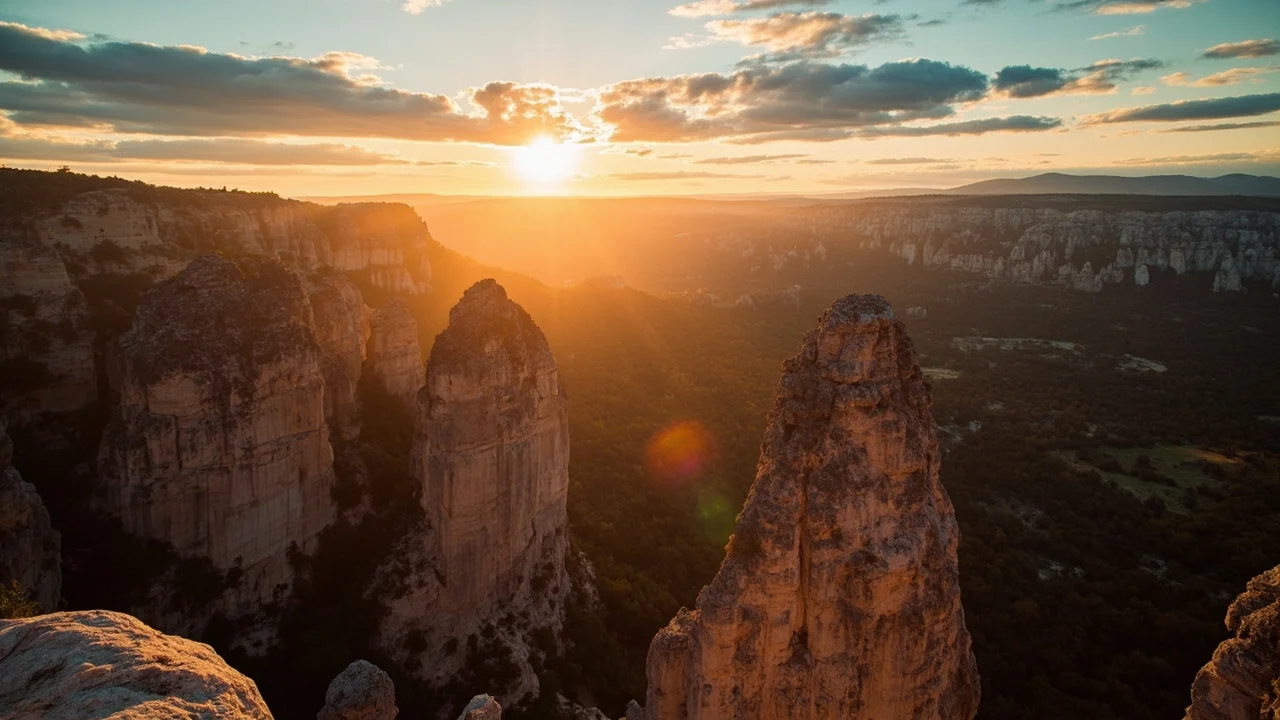
Pinnacles National Park TOP 10: Top Experience Rankings & Dedicated Trip Guide
A complete Pinnacles National Park TOP 10 experience ranking—all you need for a dedicated visit. This guide ranks the top ten must-do experiences by playability, accessibility, and seasonal suitability: rock spire hikes, cave exploration, cliff stargazing, wildlife watching, and more. Each experience includes a quick highlight overview and recommended audience, helping you quickly assess trail intensity. Whether you're a self-drive visitor heading there for the first time or an in-depth tour national park enthusiast, this Pinnacles National Park dedicated guide will help you find the right way to play, avoid the crowds, and enjoy a pitfall-free California outdoor trip.
Complete Florida Keys Solo Travel Guide: 7 Safe, Free, and Hassle-Free Itineraries
Wondering how to travel solo in the Florida Keys safely and freely? This guide covers 7 hassle-free itineraries, including self-drive routes, accommodation choices, seasonal weather, and food recommendations—helping you avoid common pitfalls and easily plan your solo trip across the Florida island chain.
Hotels in Maui with Free Parking: Best Month to Visit — Complete 2026 Weather, Crowd & Price Curve Comparison
Planning a trip to Maui but unsure when to go? Centered on the topic of "hotels in maui with free parking," this guide consolidates 12 months of 2026 weather rain-or-shine charts, airport passenger heatmaps, and hotel average price fluctuations, clearly showing the price gaps between peak, off-peak, and rainy seasons. Whether you're a surfer, honeymoon couple, or family with kids, you can use this to lock in the month with the most abundant free-parking hotel supply and the best value, with a practical checklist to avoid Christmas and spring-break premiums and book off-peak.
A professional and thoughtful travel assistant website, dedicated to building a one-stop platform for trip planning and destination exploration. The platform brings together a wealth of high-quality travel resources, delivering diverse itinerary inspiration covering niche domestic getaways and popular overseas destinations. It also offers detailed and practical travel guides, including dining and accommodation recommendations, transportation tips, and pitfall avoidance advice, along with smart travel tools that customize suggestions based on trip duration, budget, and preferences, simplifying the complex preparation process and making every trip stress-free and full of new experiences.
View all articles →