
9 Insider Tips for Mount Rainier National Park: A Hassle-Free Pre-Trip Guide
Mount Rainier National Park is often called the most beautiful volcano in the continental U.S., but crowds and unpredictable weather can trip up first-time visitors. This guide rounds up 9 insider tips from seasoned travelers—covering ticket reservations, in-park transportation, the best seasons to visit, lodging choices, hiking gear, food supplies, and warnings on popular photo spots. Spend a few minutes reading this Mount Rainier pre-trip guide before you leave, and you'll save time, money, and stress while taking in the snow-capped sunrise, trails, and wildlife in one go.
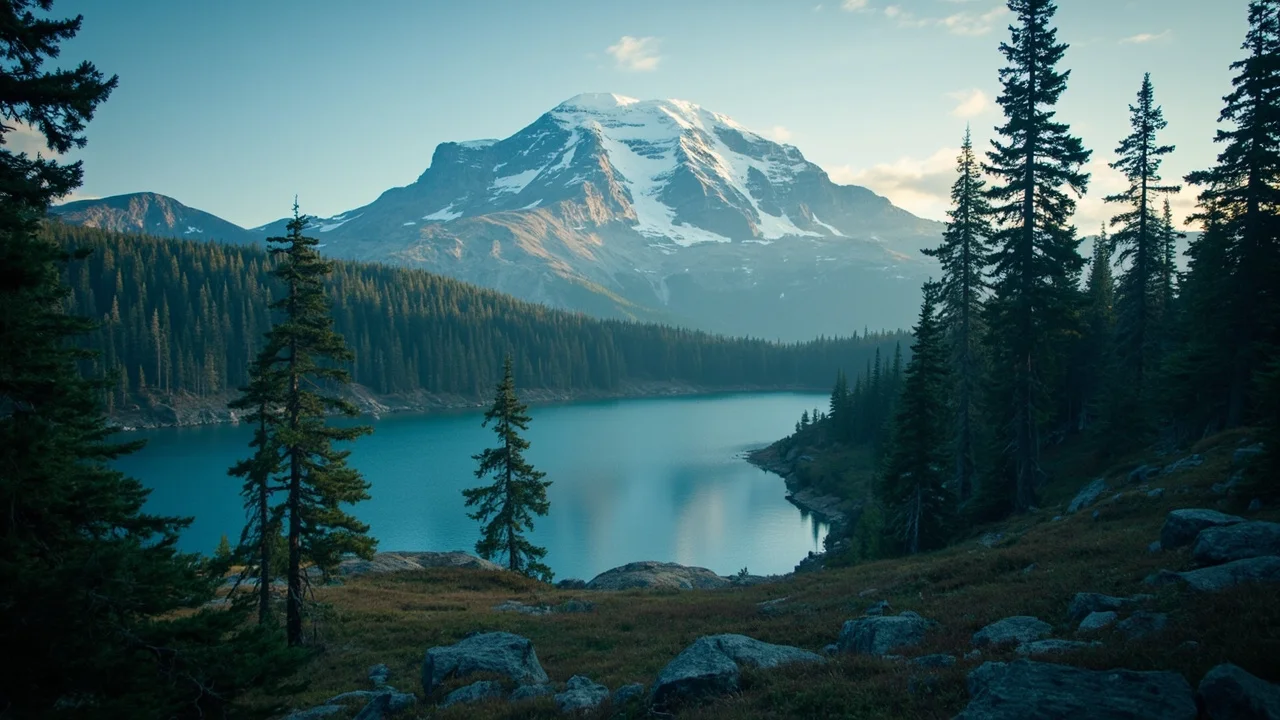
Feel Lost the Moment You Enter Mount Rainier National Park? Run Through These 5 Scenarios First
The moment you drive through the gate of Mount Rainier National Park (the most striking stratovolcano in the continental U.S.), first-timers typically face this scene: long lines at the entrance kiosk, parking lots already taken, a ghostly snow peak drifting in and out of the fog, spotty cell service, and a campsite sign flashing "Sold Out." According to 2025 statistics from the National Park Service (NPS), the park now sees over 1.5 million visits a year, and during the July–August peak the Paradise parking lot is essentially full by midday. The five high-frequency scenarios below decide whether you'll enjoy a relaxed visit or spend the whole day putting out fires.
Scenario 1: Arriving at Paradise at 10 a.m. on a peak-season weekend—the lot is full, you have to detour to an overflow area 2 km away, then wait 20 minutes for a shuttle back.
Scenario 2: Forgetting crampons in early June—hard-packed snow lingers on the Skyline Trail, and without crampons you can only make it to the first two overlooks before turning back, missing the Panorama Point view.
Scenario 3: Not downloading offline maps—the park is full of signal dead zones, and one wrong turn can cost you an extra half hour.
Scenario 4: Not waterproof-testing your tent—in the Pacific Northwest mountains showers come out of nowhere, and damp gear is enough to give you a cold overnight.
Scenario 5: Scheduling your visit around Thanksgiving—most roads and visitor centers close, and you'll be met by ice, snow, and locked gates.
Use these five scenarios as a self-checklist. Each one matches a pitfall-avoidance action in the list below, and ticking them off can take a first-time Mount Rainier experience up a level. (https://www.nps.gov/mora/)
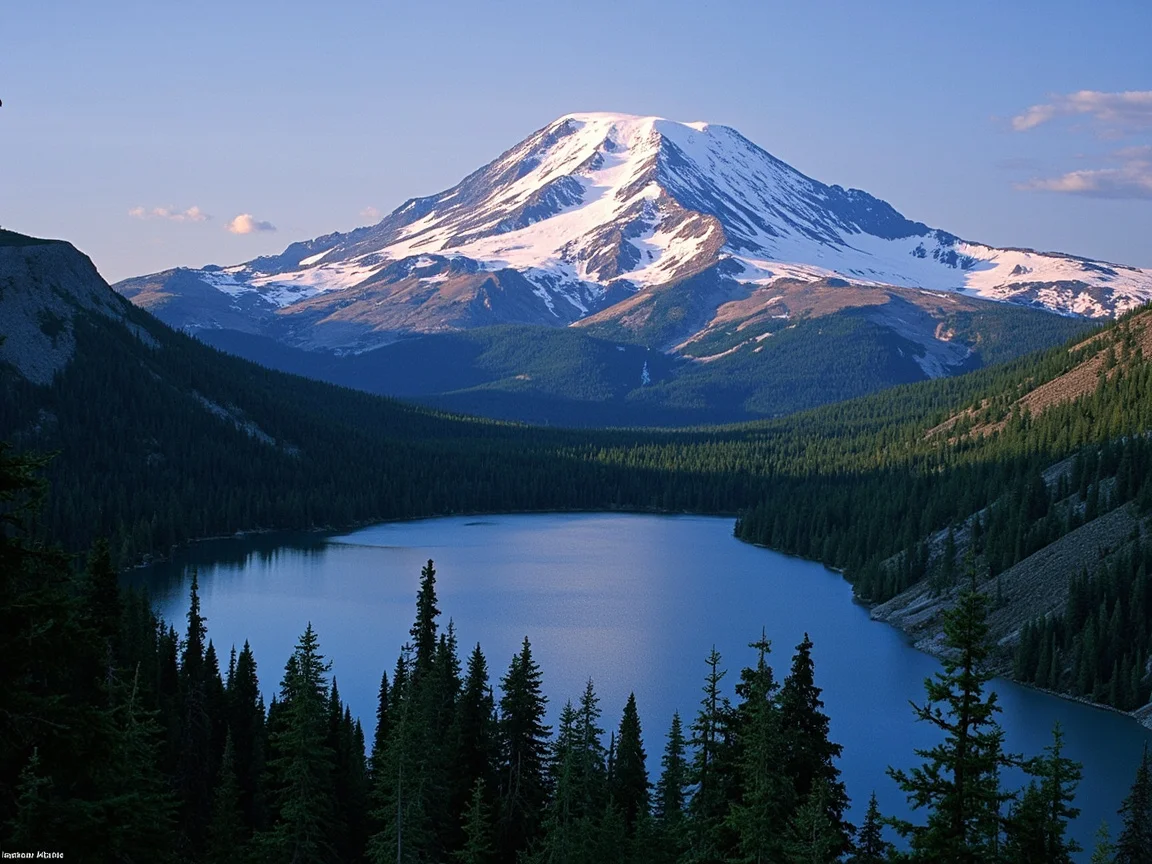
Tickets and Reservations: How to Buy Steadily—The Step Self-Drivers Most Often Miss
Mount Rainier National Park adopted a timed-entry permit system starting in 2024, and during the peak season (July–September) some trails and sunrise time slots require a separate Timed Entry Permit. Before driving in, the steadiest sequence is:
- Entry ticket: 25 for motorcycles, $15 per person for pedestrians or bicyclists, free for visitors under 15. You can scan a code on-site or buy online, and the ticket is good for re-entry within 7 days.
- Timed-entry permit: If you plan to enter the Paradise or Sunrise zones between 7 and 11 a.m. in peak season, grab a slot on recreation.gov well in advance—popular peak-season dates sell out 30–60 days ahead.
- Annual pass: Travelers who frequently visit U.S. national parks can get an America the Beautiful pass for $80, valid at over 2,000 federal fee sites nationwide—better value than buying entry tickets one by one.
- Free entrance days: NPS releases several Free Entrance Days each year (e.g., Juneteenth on June 19, Anniversary of the Great American Outdoors Act on August 4). If your schedule allows, use them to dodge the crowds.
Don't believe the myth that "buying at the gate is enough"—peak-season lines can easily eat up 30-plus minutes, and your golden-hour window is just that one hour. (https://www.booking.com/)
Getting Around the Park: The Easiest Way to Self-Drive
Self-driving is the most liberating way to enjoy the park in depth, but mountain roads have their own personality:
- Nisqually Entrance (southwest): About 2.5 hours from Seattle, the main road leads straight up to Paradise—where most visitors head.
- Carbon River Entrance (northwest): Bumpy road conditions, suited to experienced hikers heading for Mowich Lake.
- Chinook / Cayuse Entrance (southeast): Leads to the Sunrise area, the highest-elevation scenic drive; it closes earlier in fall, so check NPS real-time road reports before you leave.
Gas stations inside the park are limited to Ashford, Packwood, and the Paradise area. Top off in Seattle or Enumclaw before heading up—the elevation change plus cold starts will burn an extra 10%–15% of fuel. During the rainy season (October–May), chain requirements can be activated at short notice, and vehicles without chains will be turned away—a point self-guided travelers often overlook. (https://www.usa.travel/)
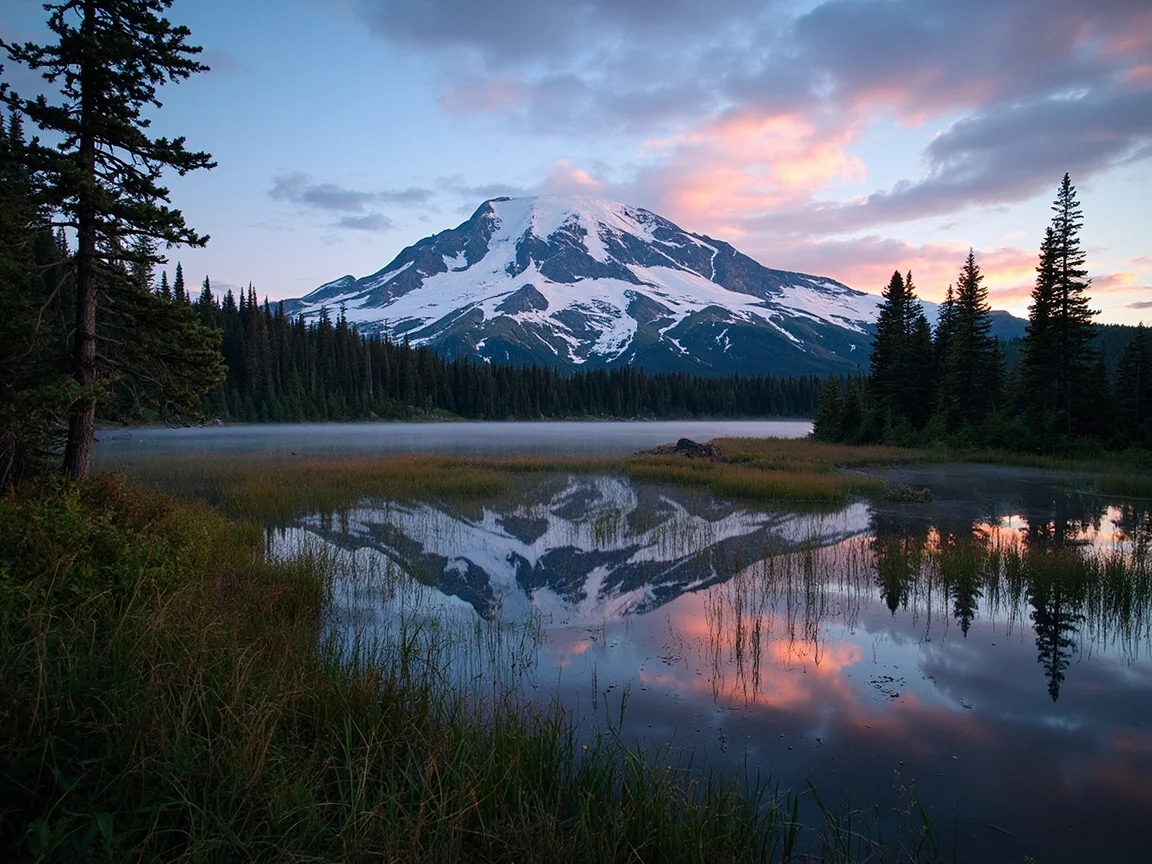
Where to Stay: Inside vs. Outside the Park
Lodging around Mount Rainier falls into three tiers, each suited to a different style of trip:
| Type | Representative Locations | Best For | Price Range (Reference) |
|---|---|---|---|
| Historic in-park hotels | Paradise Inn, National Park Inn | Visitors chasing sunrise shots and an in-depth tour of the snow peak | 400/night in peak season |
| In-park campgrounds | Cougar Rock, Ohanapecosh | Self-drivers with their own gear | 30/night; reserve 6 months ahead |
| Small-town stays outside the park | Ashford, Packwood, Greenwater | Self-guided travelers and budget-conscious visitors | 200/night |
Seasoned travelers will tell you: lock in peak-season lodging at least 3 months early, and for in-park campgrounds be ready to click the moment the booking window opens on recreation.gov. If you're only staying 1–2 nights, basing yourself in Ashford is far less hassle than driving back and forth from Seattle every day—mountain driving at night is more tiring than you'd expect.
Seasonal Play: When to Come for the Best Value
The park's four seasons are distinct, but what's playable varies dramatically:
- July–August (summer peak): Wildflowers in bloom, all trails open, ideal for hiking, stargazing, and sunrise photography.
- Mid-September to early October (autumn): Crowds thin, foliage turns color, sunshine probability rises—seasoned travelers call it the "best season."
- December–March (winter): Paradise becomes a snowshoe and cross-country ski playground; bring or rent your own snow gear.
- May–June (spring snowmelt): Hard-packed snow lingers on the upper Skyline Trail, so bring crampons or rent snowshoes.
For holidays, the Labor Day weekend is the visitor peak—shift your trip to a weekday in mid-to-late September for the same lodging at roughly 30% off and half the crowds.
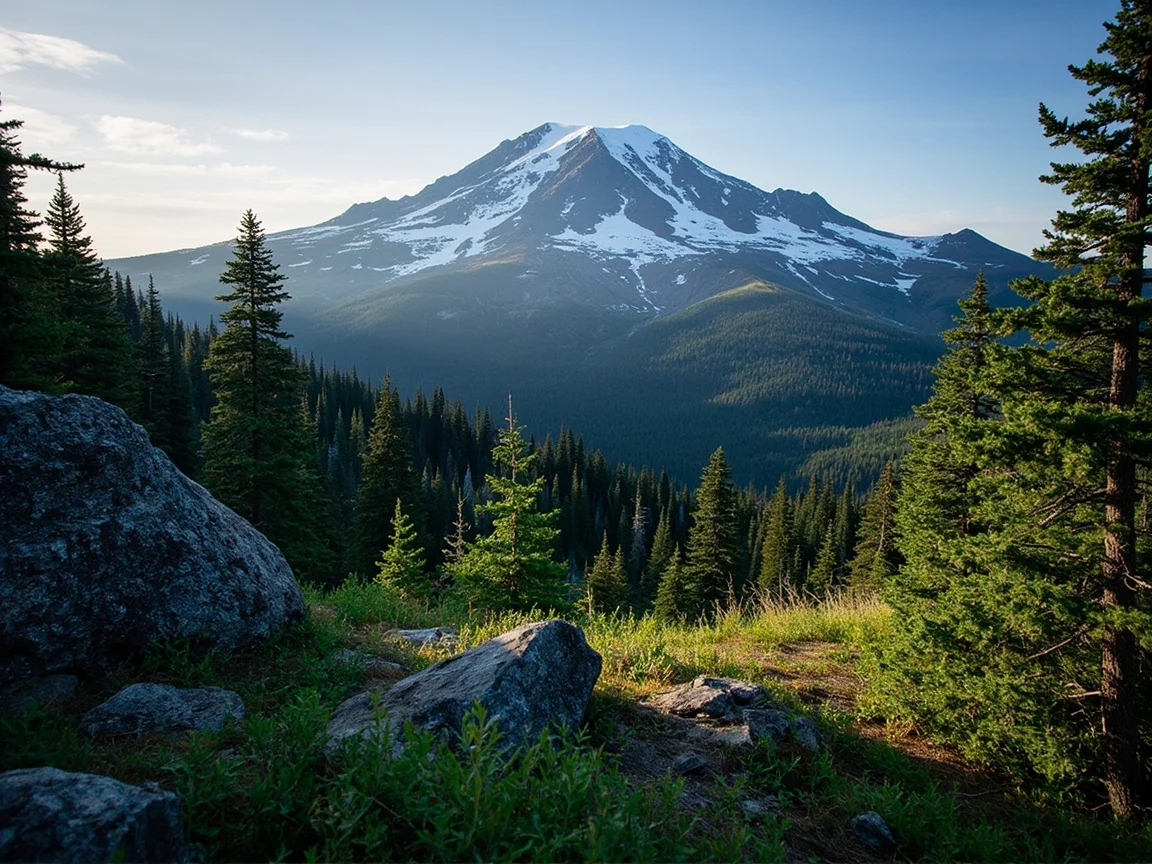
Pitfall Checklist: 9 Insider Tips Only Seasoned Visitors Know
Pin these nine tips to your dashboard in priority order and you'll save plenty of on-the-fly scrambling:
- Crampons and trekking poles—even in July, high-elevation sections like Sourdough Ridge can hold snow; rentals are available at the Gateway Visitors Center.
- Offline maps—download Gaia GPS or AllTrails offline layers; AT&T signal is weakest in the park, T-Mobile is better.
- Three-layer clothing system—temperature swings at the summit often exceed 15°C; your outer shell must be wind- and waterproof.
- Bear canister—on any hike longer than 1 km, use a bear canister; rentals are free, fines start at $200.
- Sunrise window—July sunrise is around 5:15 a.m.; stay at Paradise or Sunrise the night before to make it in time.
- Food and supplies—park restaurants cluster around Paradise Inn; peak-season lunch lines are long, so packing your own saves time.
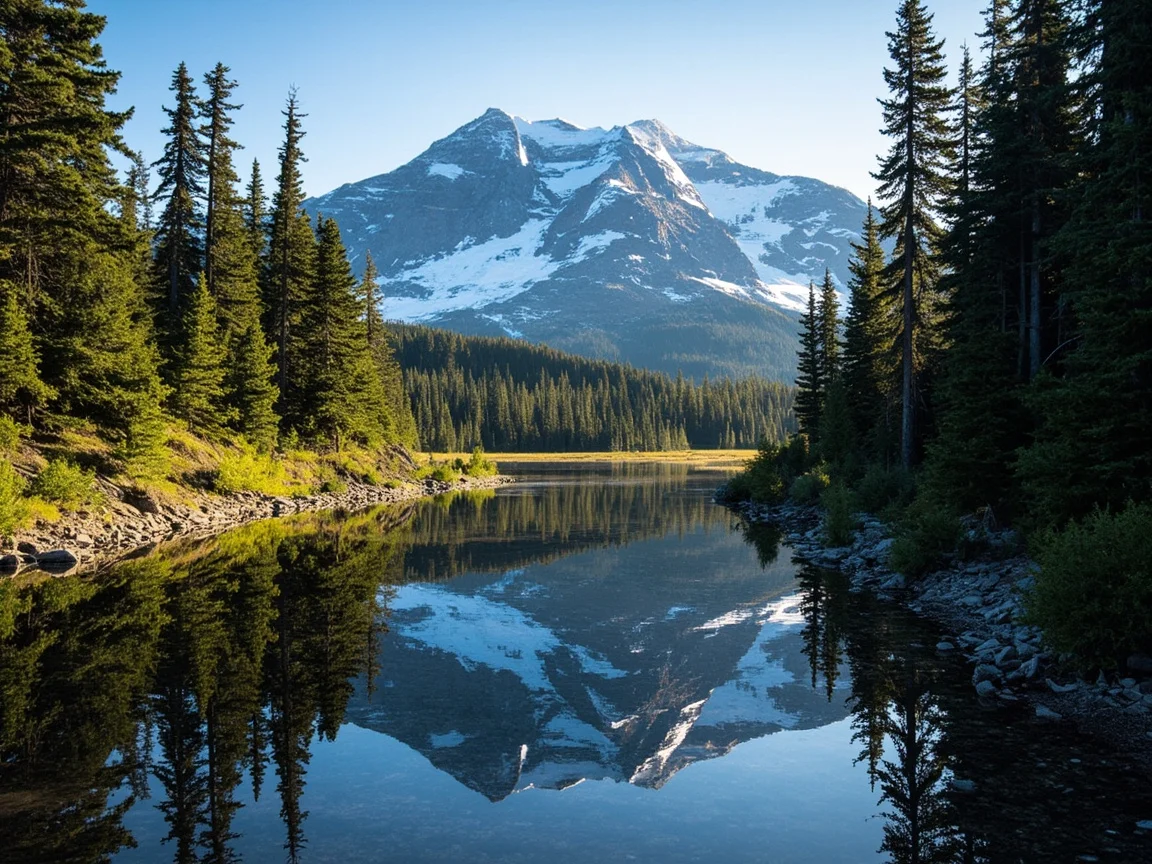
- Photo-spot pitfalls—the classic Reflection Lakes mirror shot needs both a windless lake and a cloud-free peak; afternoons tend to be windy and rarely produce a clean image.
- Wildlife distance—keep at least 25 m from marmots and coyotes; do not feed them—violators face fines up to $5,000.
- Pack out your trash—"Pack It In, Pack It Out" is the basic rule; pit toilets are only provided on designated trails.
Save this checklist to your phone's photo album, read it alongside the FAQ section below, and you'll cover about 90% of what a first-timer asks.
FAQ
Q1: How many days should I spend at Mount Rainier on my first visit?
We suggest 2 nights and 3 days: arrive on day 1 and do a light afternoon hike to acclimate; on day 2, shoot the sunrise at dawn and hike the full Skyline Trail; on day 3, visit the Sunrise area in the morning before heading back down.
Q2: Can I fly a drone inside the park?
No. All unmanned aircraft are fully prohibited within national park boundaries; violators face fines up to $250 and possible federal enforcement action.
Q3: Can I drive up to Paradise in winter?
Yes, but you must carry snow chains or use snow tires, and some road segments close temporarily. Check the NPS website or social media for real-time road updates before you leave.
Further Reading and References
- Wikipedia: Mount Rainier
- National Park Service official site: Mount Rainier National Park
- Washington State tourism: Visit Washington State
- Travel reference: Lonely Planet Seattle & Pacific Northwest
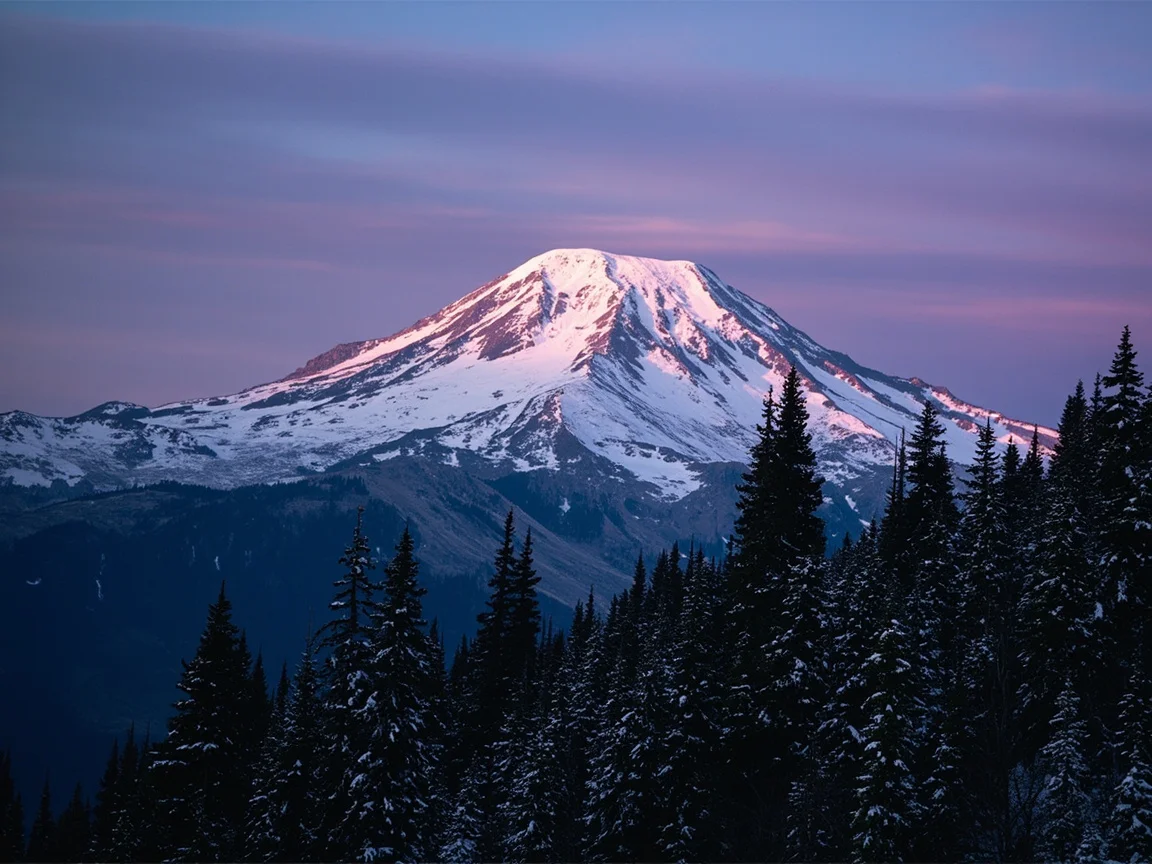
Treat Mount Rainier as a mountain where "the weather calls the shots": check the forecast once a week before departure and again the day before for road updates. Everything else, this guide has you covered. Here's hoping your snow-peak sunrise lands in a single frame.
Related articles
The Complete Berkshires Solo Travel Guide: 7 Safe, Free, and Hassle-Free Itineraries
Wondering how to travel solo in the Berkshires with peace of mind? This guide lays out 7 safe, free, and hassle-free complete itineraries, covering lodging, food, and seasonal planning — tailored for solo travelers in the Berkshires, with transport, safety, and pitfall-avoidance tips so you can deeply experience the forests and small-town charm of western Massachusetts on your own.
things to do in miami oklahoma: best months to visit — 2026 full-year weather, crowd, and price curve comparison
Miami, OK in northeastern Oklahoma may not be as famous as the Florida counterpart, but it is a hidden gem along Route 66. This article focuses on things to do in miami oklahoma, breaking down the 2026 monthly temperature, precipitation, visitor density, and flight/hotel price curves. It clearly identifies the best travel windows and the months to avoid, and includes a three-day, two-night itinerary along with money-saving booking tips to help you plan everything in one go.
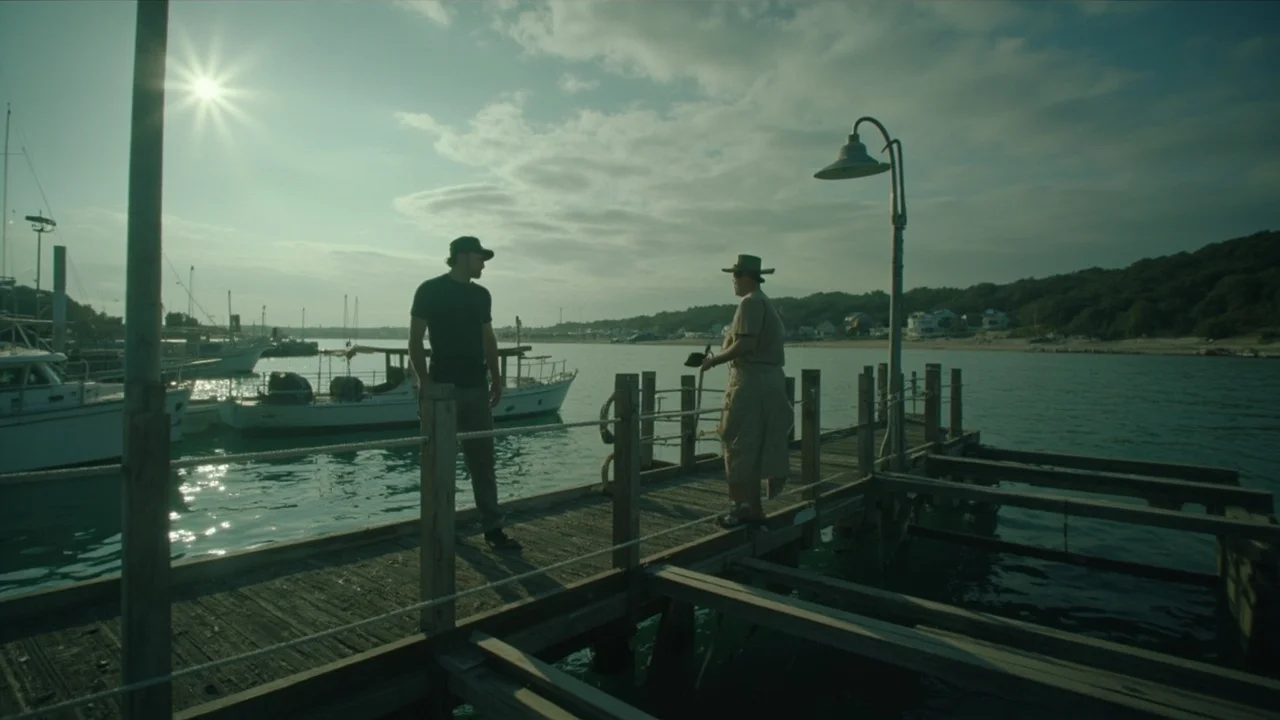
Block Island Safety & Health: 7 Must-Know Tips for a Worry-Free Trip
Planning a trip to Block Island? This safety & health guide covers 7 must-know tips across transportation, accommodation, outdoor activity risks, sudden weather changes, and medical emergencies. Whether it's your first visit or a return trip, these practical tips help you avoid common pitfalls and enjoy a safer, smoother Block Island getaway.
best time to visit charleston and savannah: How to Get There Most Conveniently — Comparison of 4 Main Transportation Options and Ticket Booking Guide
Wondering how to get between Charleston and Savannah most conveniently? This article systematically compares 4 main transportation options — flights, trains, self-drive, and long-distance buses — analyzing travel time, fare ranges, and suitable audiences, with official booking channels, optimal reservation windows, and baggage check-in tips to help you efficiently plan your trip between Charleston and Savannah.
A professional and thoughtful travel assistant website, dedicated to building a one-stop platform for trip planning and destination exploration. The platform brings together a wealth of high-quality travel resources, delivering diverse itinerary inspiration covering niche domestic getaways and popular overseas destinations. It also offers detailed and practical travel guides, including dining and accommodation recommendations, transportation tips, and pitfall avoidance advice, along with smart travel tools that customize suggestions based on trip duration, budget, and preferences, simplifying the complex preparation process and making every trip stress-free and full of new experiences.
View all articles →