
9 Insider Tips for Outer Banks Only Seasoned Travelers Know: A Hassle-Free Pre-Trip Guide
Planning a trip to Outer Banks? This guide gathers 9 practical tips only seasoned travelers know to help you avoid common pitfalls. From the best time to visit and self-drive routes to accommodation picks and seafood restaurant recommendations, it covers every essential pre-trip detail. Whether it's your first visit or a return trip, this Outer Banks practical tips guide makes your journey smoother and more enjoyable, helping you effortlessly kick off the perfect North Carolina coast vacation.

When Is the Best Time to Visit Outer Banks for Value?
Many first-time visitors planning an Outer Banks trip get stuck on the question: Which month should I go? The answer depends on whether you value budget or experience more. According to visitor traffic data released by the Outer Banks Visitors Bureau in 2024, the absolute peak season runs from mid-June to mid-August, when accommodation prices in beach towns such as Hatteras and Corolla double or triple, and popular restaurants typically require reservations 2-3 weeks in advance. *The windows from March to May and September to November, however, are "value-for-money windows." Temperatures still sit in the 18-26°C range, the ocean is pleasantly warm, nearly all attractions are open, and crowds drop by almost half.
A few things to keep in mind: hurricane season runs from June through November, and August to September is the high-frequency period. If you plan to travel in late summer, it's a good idea to follow forecasts from the National Hurricane Center and decide whether you need extra travel insurance. Families with kids tend to prefer late June to early July, when the water temperature is comfortable and it's before the king tide season. Travelers who enjoy wild horse herds, birdwatching, and hiking will find it's actually the best window in October, when small whales migrate along the shallow waters off the shoals.
How to Plan a Self-Drive Route in Outer Banks?
The Outer Banks itself is a chain of narrow barrier islands stretching roughly 200 miles, and self-driving is the most common—almost the only recommended—way to explore. For first-timers, we recommend traveling from north to south in sequence: fly into Norfolk International Airport (ORF), pick up a rental car, and drive southeast for about 1.5 hours to Corolla to see the wild horses and lighthouse; continue south through Duck, Kitty Hawk, and Kill Devil Hills, linking up the Wright Brothers Memorial; then head further south to Nags Head and Whalebone Junction; and finally reach Hatteras Island and the Ocracoke ferry terminal.
A few key pitfalls along the self-drive route:
-
If you're not used to the lanes, take note—parts of NC-12 run right along the coast, and high tide combined with wind-driven waves can occasionally submerge the road. Check real-time NC DOT traffic conditions before departure.
-
Choosing a rental platform—gas stations are scarce on the Hatteras and Ocracoke stretches, so after picking up a local car, it's best to fill up the tank the night before.
-
Parking tips—in popular beach towns from July to September, public parking lots are essentially full after 10 a.m., so the earlier you head out, the smoother your day.
-
Ferry reservations—getting from Hatteras to Ocracoke requires a ferry, and waits of 2-3 hours are common in peak season. You can register in advance on the NC Ferry System website.

How to Choose Outer Banks Accommodation with Peace of Mind?
Where you stay often determines how relaxed your whole trip feels. Outer Banks accommodation roughly falls into three tiers: beach vacation homes (Bungalow / Cottage), chain hotels, and B&Bs / inns. Beach houses are a local specialty—standalone villas with 4-6 bedrooms and private beach access, ideal for families or groups of friends, averaging $350-650 USD per night in peak season. Chain hotels are concentrated in the Kitty Hawk and Nags Head stretches, with standardized facilities suited to short stays or budget-conscious travelers.
A few easily overlooked details when choosing accommodation:
- Cancellation policy—weather along the coast is changeable, so prioritize listings offering "full refund up to 14 days before check-in."
- Drinking water—some older homes use well-fed pipes that give coffee a rusty taste. Confirm municipal water connection before booking.
- Pet-friendly—if you're traveling with a dog, confirm the pet fee separately (usually $75-150 USD).
- Changeover day—most beach villas only change over on Saturdays, limiting itinerary flexibility. Plan your weekends accordingly.
How to Pick a Seafood Restaurant in Outer Banks?
The Outer Banks is famous for blue crab, snapper, and oysters, but restaurant quality varies widely and the chance of a dud is real. Seasoned travelers agree: the closer to the dock, the more reliable the freshness. Hatteras Village's Ferry Slip and Ocracoke's Howard's Pub are decades-old establishments with unfussy menus but ingredients flown in the same day. The Duck stretch is better for dinner with a sunset view, and although Duck Donuts is a chain, its origin-only flavors are worth a try.
A few tips for choosing a seafood restaurant:
- Look for menus listing specific fish species under "Catch of the Day" with no more than three options—those are more trustworthy;
- Avoid places with parking lots full of tour coaches; they're usually tourist traps;
- For crab, choose live weight and steamed to order—your wallet will thank you—pre-cooked crabs kept in warmers turn out tough;
- When paying the bill, ask whether the tip is calculated on the pre-tax amount. Some older Outer Banks restaurants calculate 18-20% on the pre-tax total.
7 Outer Banks "Don'ts" That Are Easy Pitfalls
The following "avoid list" gathers pitfalls seasoned Outer Banks travelers have stepped into. Checking against it can save you a lot of detours:
- Don't squeeze all your plans into one day—the islands span a long stretch north to south. Keep daily driving to no more than 2 hours.
- Don't underestimate tide effects—for beach activities, avoid the hour before high tide, when the sand line narrows.
- Don't pull over at protected dune areas—during sea turtle nesting season (May to August), entering fenced zones results in heavy fines.
- Don't forget sun and wind protection. Coastal wind makes people underestimate UV exposure—SPF 50+ waterproof sunscreen is recommended.
- Don't push through holiday weeks. Around the U.S. Independence Day (July 4), lodging is tight and prices spike. Booking 6 months ahead is safer.

Frequently Asked Questions
Q1: How many days do I need for Outer Banks?
A: 5-7 days is most comfortable—long enough to reach both ends of the islands while leaving one full day for pure beach lounging.
Q2: What can kids do in Outer Banks?
A: The Wright Brothers Memorial, a dolphin cruise, and the Currituck Lighthouse wild horse tour are recommended. The pace is relaxed and educational.
Q3: Is Outer Banks suitable for solo travelers?
A: Absolutely. Corolla and Duck have plenty of small B&Bs, self-driving is flexible, and beachside cafés and hiking trails are great for unwinding alone.
Further Reading & References
- Outer Banks geography and history overview
- Wright Brothers National Memorial – National Park Service
- Visit North Carolina official tourism board
- Lonely Planet North Carolina coast guide
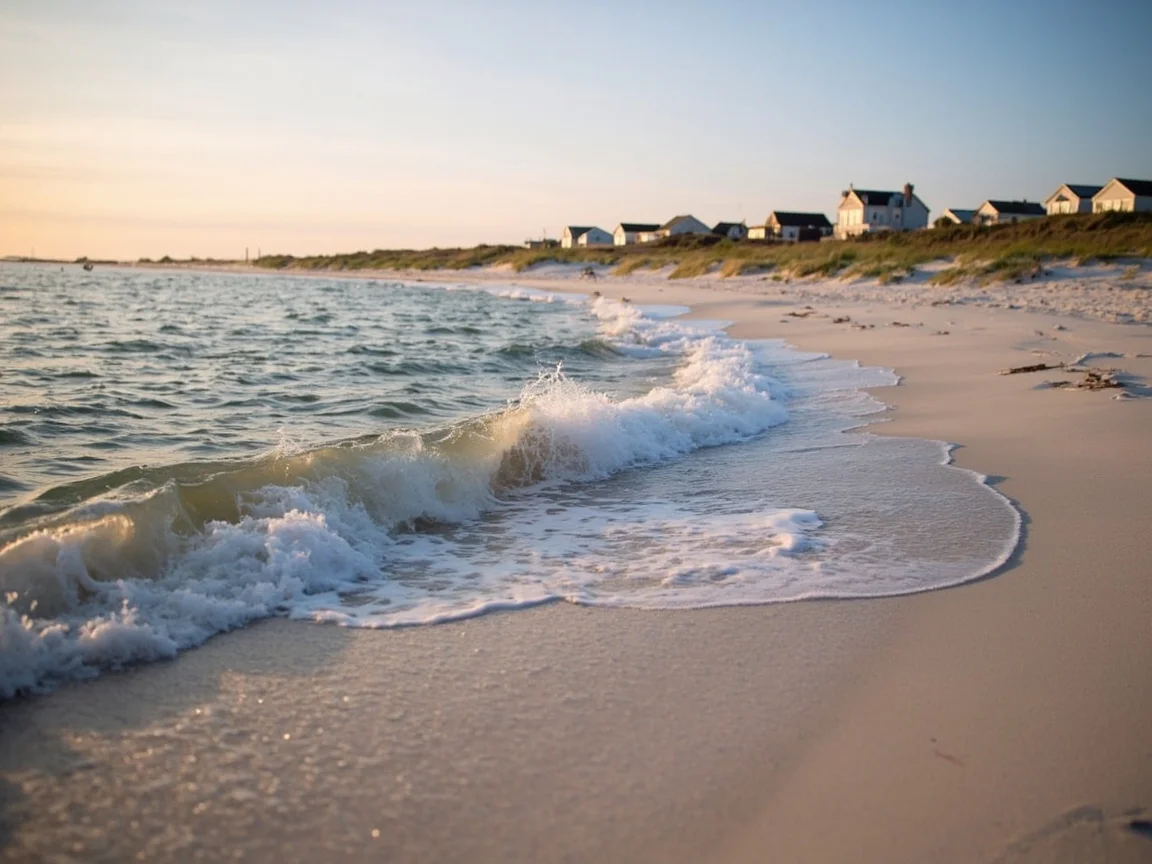
The charm of Outer Banks unfolds slowly between long shores, slow lanes, sea breeze, and lighthouses. With these 9 insider practical tips in hand, your next beach vacation will be even more effortless than you imagined.
Related articles

9 Practical Tips for North Cascades National Park Only Seasoned Travelers Know: A Stress-Free Pre-Trip Guide
9 practical tips for North Cascades National Park that only seasoned travelers know, helping you avoid common pre-trip pitfalls. Covering best self-drive routes, seasonal choices, lodging, and in-park dining recommendations, this guide walks through the full itinerary planning process. Compiled specifically for in-depth tour players, it's efficient and stress-free, letting you focus on enjoying the natural scenery of North Cascades National Park—a must-read practical guide before your trip.

Acadia National Park Solo Travel Guide: 7 Safe, Free, and Hassle-Free Itineraries
This complete Acadia National Park solo travel guide curates 7 safe, free, and hassle-free arrangements for independent travelers. Built around the real needs of a solo trip, it covers accommodation recommendations, transportation routes, and the best seasonal timing—while weaving in a food exploration angle with lists of local restaurants and offbeat cafés. Solo travelers to Acadia National Park will find a balance between avoiding crowded trails, finding solitude-friendly viewpoints, and keeping a flexible itinerary, making the journey both reassuring and full of surprises.

travel trends 2026 simon kucher: How to Get There Most Conveniently — A Comparison of 4 Mainstream Transportation Options and a Ticket Booking Guide
Centered on the topic of travel trends 2026 simon kucher, this article provides a detailed comparison of the convenience and cost of four mainstream transportation methods—self-drive, air, rail, and bus—in 2026, along with practical booking guides and scenario-based recommendations. It helps readers quickly choose the most suitable option based on budget, time, and route, and includes an FAQ and pitfall-avoidance tips to improve travel efficiency.
St Pete Beach TOP 10: Popular Experiences Ranking & Dedicated Trip Guide
This St Pete Beach TOP 10 ranking of popular experiences is designed for travelers making a dedicated trip—featuring beach sunsets, water sports, local seafood restaurants, and hidden gems. Includes itinerary planning, accommodation suggestions, and a food exploration route, with clear seasonal tips and holiday guidance for first-time visitors, so you can fully enjoy St Pete Beach without any pitfalls.
A professional and thoughtful travel assistant website, dedicated to building a one-stop platform for trip planning and destination exploration. The platform brings together a wealth of high-quality travel resources, delivering diverse itinerary inspiration covering niche domestic getaways and popular overseas destinations. It also offers detailed and practical travel guides, including dining and accommodation recommendations, transportation tips, and pitfall avoidance advice, along with smart travel tools that customize suggestions based on trip duration, budget, and preferences, simplifying the complex preparation process and making every trip stress-free and full of new experiences.
View all articles →