
Petrified Forest National Park with Kids: 6 Family-Friendly Itineraries and Pacing Tips
Is Petrified Forest National Park kid-friendly? This family travel guide offers 6 safe, low-effort, and fun activities with pacing advice, covering self-drive routes, viewpoints, dining and rest stops, plus local safety, medical resources, and emergency contacts to help parents enjoy a worry-free and fulfilling trip.
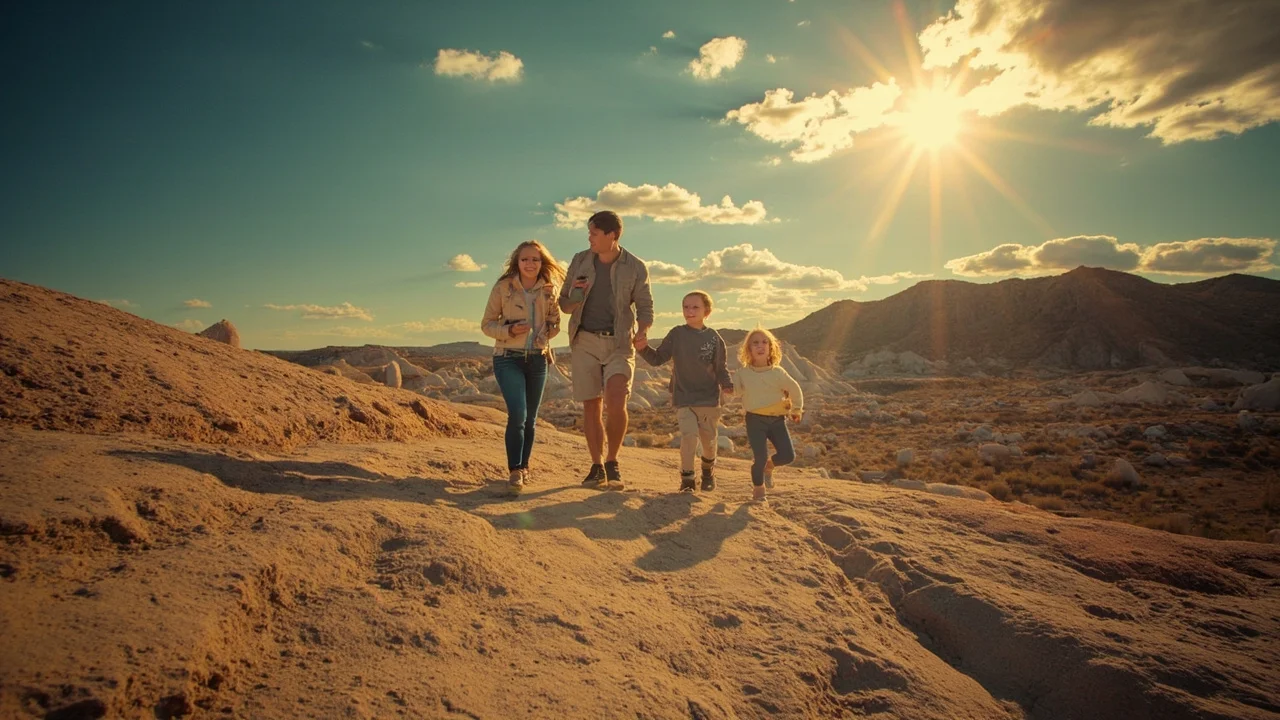
Taking a 6-Year-Old into Petrified Forest National Park: What's the Easiest Route and Pacing?
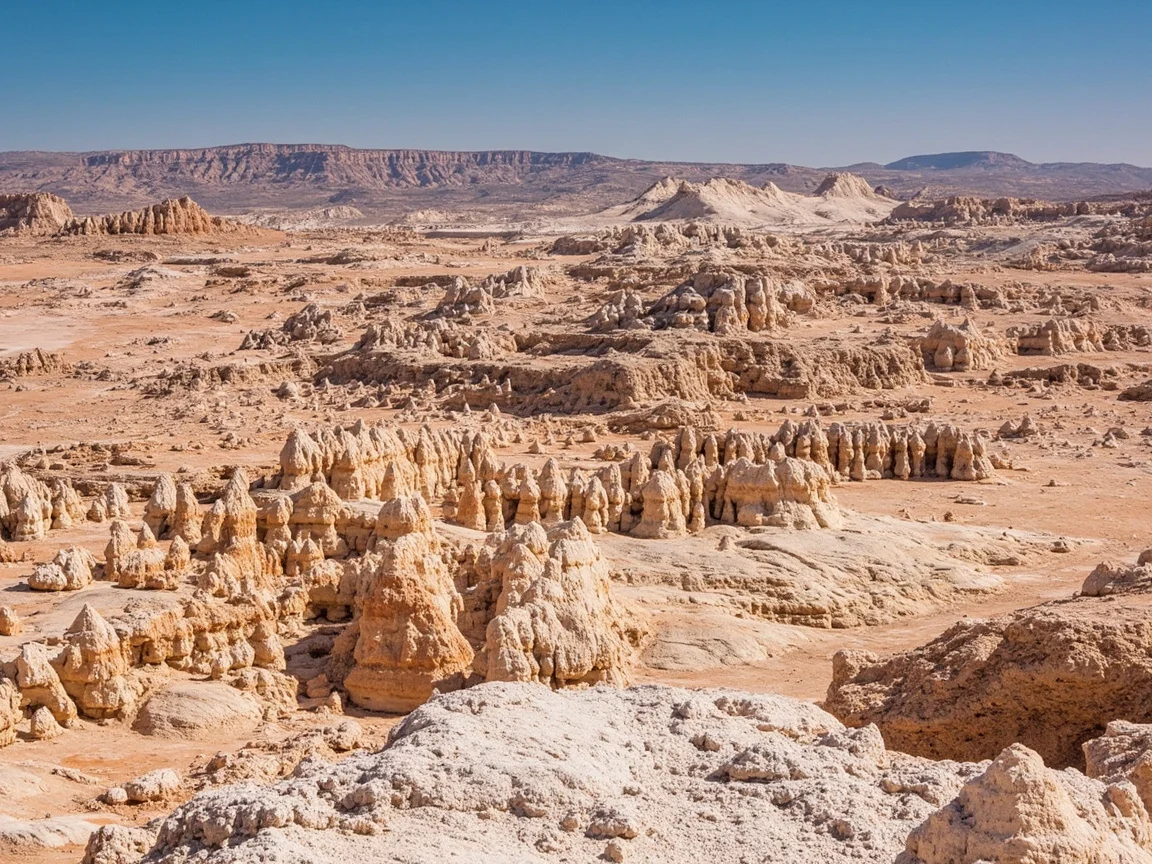
Petrified Forest National Park lies in eastern Arizona—an "open-air archive" of colorful petrified wood dating back 200 million years to the Triassic Period. According to National Park Service (NPS) 2025 park data, the park welcomes roughly 600,000 visitors a year, with families and parent-child groups making up a steadily rising share. A single road, Park Road, runs north to south across the park—about 45 km (28 miles) in total—lined with short trails and viewpoints that require almost no climbing, letting children get close-up views of rainbow wood grain, desert grasslands, and Native American petroglyphs. It's one of the lowest-effort stops on a self-drive family loop through the American Southwest.
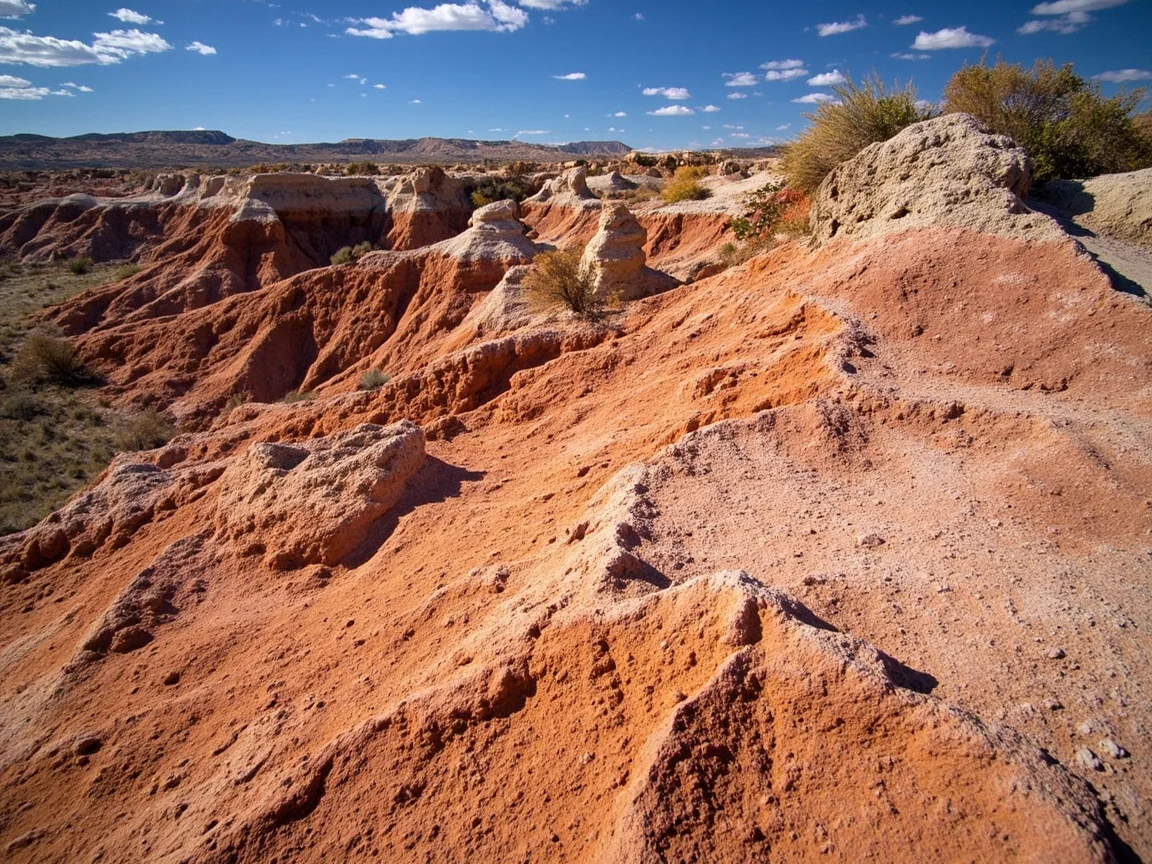
Activity 1: Painted Desert at the North End—Easy for Kids to Walk
The Painted Desert Rim Trail at the north entrance is about 1.6 km (1 mile) round-trip and almost entirely flat—stroller-friendly throughout. This section is famous for its purple, orange, and gray badlands hills; the strongest midday light actually brings out the color layers best. Aim to arrive before 9 a.m. to beat the midday heat and let kids catch a nap in the car beforehand. Restrooms and shade shelters sit right by the viewpoint—an ideal "warm-up" starting point with kids.
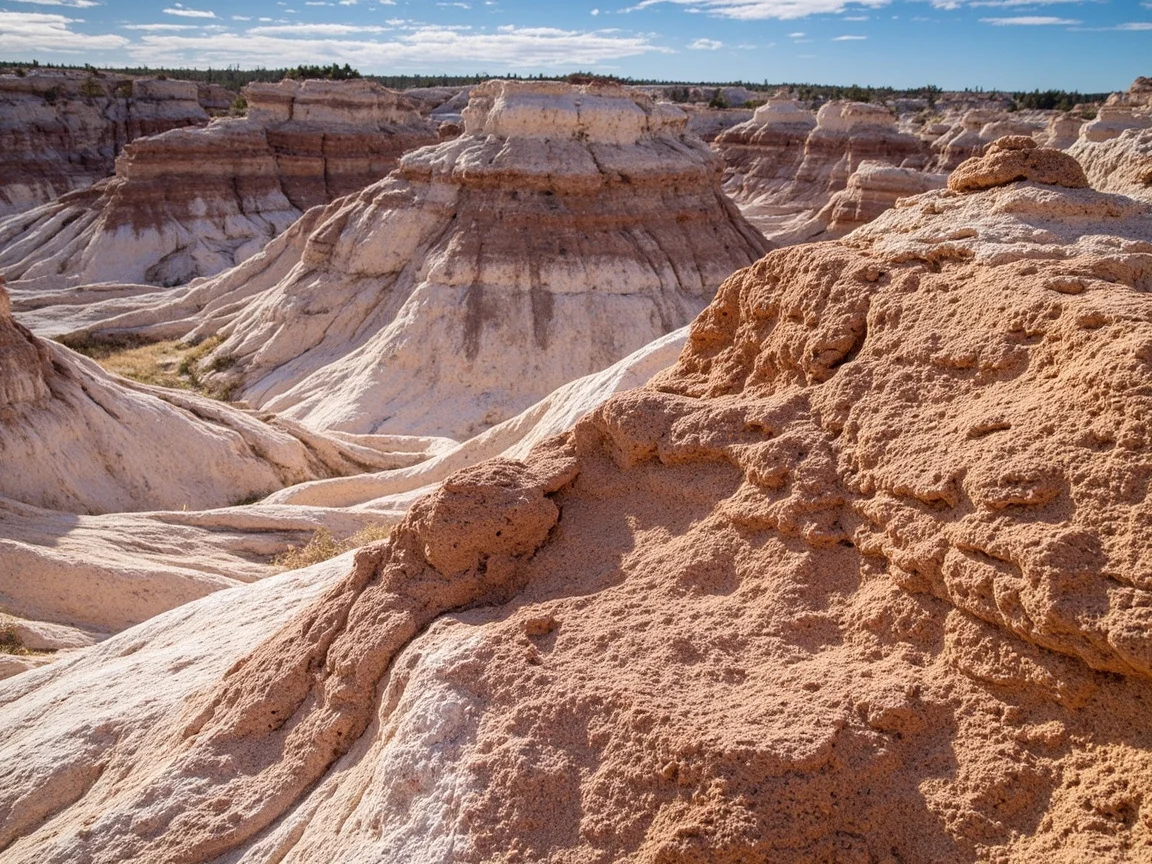
Activity 2: Rainbow Forest at the South End—See the Fallen "Rainbow Trees"
Rainbow Forest, near the south entrance, is the most exciting stretch for kids. The Giant Logs Trail is only 0.4 km (0.25 mile) and passes fallen petrified logs whose cut ends show blue, purple, and yellow growth rings clearly visible to the naked eye. Parents can prep a scavenger-hunt checklist in advance: count the different-colored mineral veins, compare log-to-root sizes. A large shaded ramada and interpretive signs sit at the trailhead—after 4 p.m. the temperature drops and a relaxed half-hour wander is very comfortable with kids.
Activity 3: Agate House and Jasper Forest—A Short Family Hike Loop
If the kids are a bit older (6+), add the Agate House Loop (about 1.6 km / 1 mile). The trail leads to a reconstructed Ancient Puebloan site built from seven types of petrified wood; signage explains "why stone can burn," offering an easy nature-science moment even for younger kids. The return route passes the Jasper Forest overlook, where a hillside of petrified wood "forest" is visible right from the car. Allow about 90 minutes for the full hike, including breaks and water.
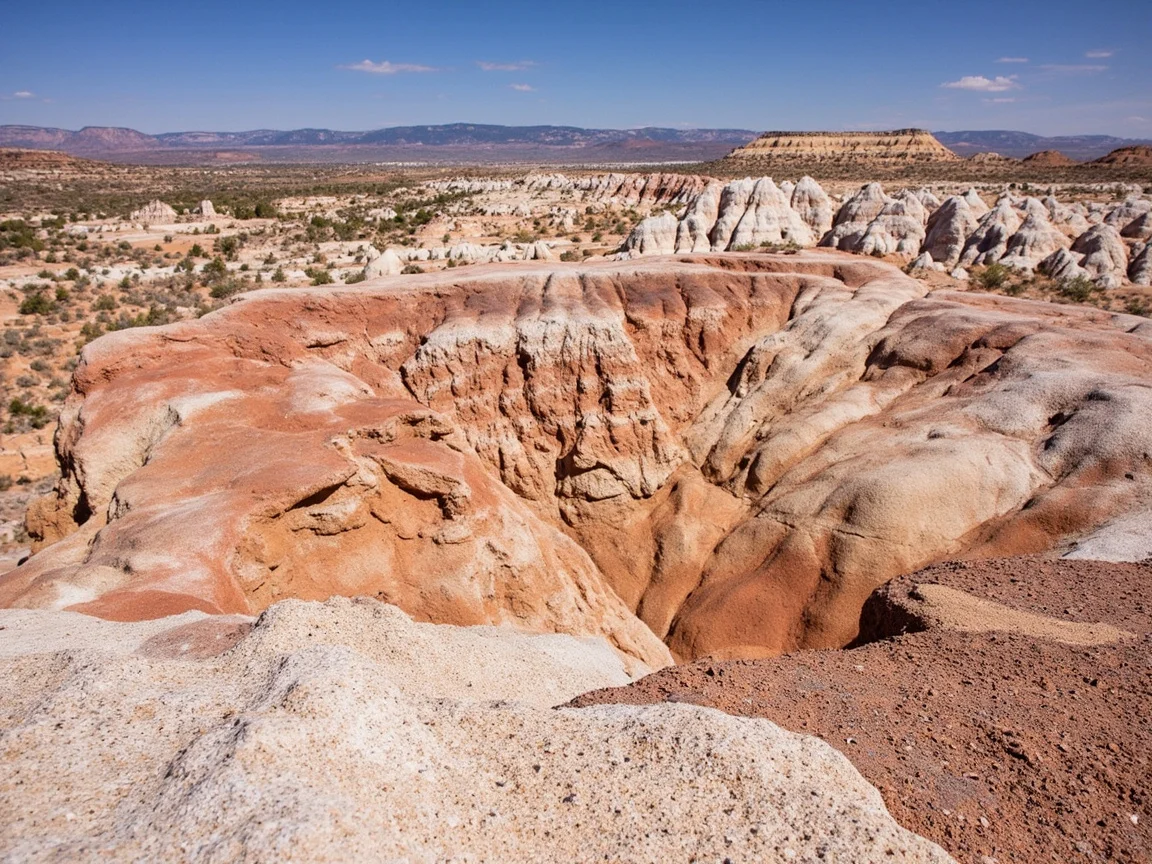
Activity 4: Slip a "Geology Lesson" into Puerco Pueblo and Newspaper Rock
Puerco Pueblo, in the park's midsection, is an archaeological site where kids can loop an accessible trail around 14th-century Ancestral Puebloan ruins. Just beside it, Newspaper Rock is a sandstone panel covered in petroglyphs—kids won't necessarily read the symbols, but a quick "find something that looks like a snake, or a footprint" game makes the walk fly by. Parents can download the NPS official app's offline audio tour in advance so kids can listen to the stories on site.
Activity 5: Dining and Rest—Holbrook as the Family Resupply Stop
The park has no gas stations or restaurants inside; lodging and supplies are usually arranged in Holbrook, about 30 km (19 miles) west of the south entrance. The town has several family restaurants and gas stations, plus Route 66-themed motels—an easygoing stop for an overnight with kids. If you want to catch a sunset, staying one night is safer than a same-day round trip—desert temps drop fast after dark, and winter (Nov–Feb) nights can fall well below freezing, which isn't safe for kids sleeping in the car. Book through platforms like Booking two weeks ahead, and lock in a free-cancellation room during holidays.
Activity 6: Split the Day into "Half-Morning + Half-Evening"—Not One Long Sprint
Park temperatures swing widely through the year: summer surfaces can exceed 40°C (104°F), while winter mornings often sit below freezing. Split your day into a morning session + an evening session, with a midday break back at the car or in town to escape the heat and avoid child heatstroke. NPS officially recommends that family visitors compress outdoor activity into before 10 a.m. and after 4 p.m. from May through September—the safest summer pacing with kids. In winter the pattern flips, and midday is most comfortable; adjust as needed.
7 Common Pitfalls to Avoid When Traveling with Kids
- Don't pick up petrified wood chips off the ground. Collecting is banned park-wide; fines can reach $1,000, and pieces "weather and crumble" once removed—wasted effort all around.
- Don't let kids wear brand-new shoes on longer trails. Mixed quartz sandstone and sandy grit will rub feet raw; broken-in hiking shoes or sneakers work best.
- Don't bring just one water bottle. Eastern Arizona is dry—stash an extra case in the car as a baseline, and in winter still pack sunscreen and lip balm at summer standards.
- Don't rely fully on cell signal. Signal is weak across most of the park; download offline maps in advance and jot the park emergency number on paper.
- Don't leave kids alone in the car. Even with the A/C on, desert heat can spike cabin temps in minutes—it's a legal child-safety red line.
- Don't climb the dirt mounds just outside the Painted Desert viewpoint fences. Loose sandstone collapses easily, and rescue response times grow longer once you're off-trail.
- Don't make "seeing every sight" the goal. The park isn't large—pacing matters more than checklist counts. Leave room to breathe so kids stay engaged.
Safety, Medical Care, and Emergency Contacts
According to publicly available 2025 information from NPS and the Arizona Office of Tourism, in-park safety is generally good and serious crime is rare, but vehicle break-ins and theft of valuables remain the most common issue for self-drive visitors. When parking, stow valuables (camera, wallet, passport) in the trunk or carry them—never leave bags visible on seats. In-park police and emergency services share the single number 911, and the park communication center can be reached at +1 (928) 524-6226. The nearest full-service hospital is Holbrook Regional Medical Center (along Highway 77), roughly 30 minutes' drive from the south entrance. For insurance, families on a self-drive trip should consider an overseas travel medical policy covering interstate self-drive in the American Southwest, including emergency rescue and helicopter evacuation; with kids, adding trip-change and medical-repatriation riders is worthwhile.
Frequently Asked Questions
What age is Petrified Forest National Park suitable for? 3 and up. Rainbow Forest, Giant Logs, and Painted Desert Rim are all short, flat, stroller-friendly trails.
Can I camp inside the park? No. There is no campground inside the park—overnight stays are usually arranged in Holbrook (or Gallup for visitors approaching from the north).
Can I bring pets into the park? No. All trails and viewpoints prohibit pets; only service dogs are permitted.
Further Reading and References
- Petrified Forest National Park - Wikipedia
- Petrified Forest National Park Official Page (NPS)
- Visit Arizona Official Tourism
- Lonely Planet Petrified Forest Travel Guide
When bringing kids into Petrified Forest National Park, pacing matters more than chasing sights. Split the day into "morning session + evening session," and let children hunt for colors in the petrified wood and symbols on Newspaper Rock—that builds more memories than two extra viewpoints. Wishing your family a safe and relaxed self-drive trip.
Related articles

Where to Stay in the Best Travel Destinations in the US: A Complete Guide to 4 Accommodation Areas and Price Ranges
Wondering where to stay in the best travel destinations in the US? This guide highlights 4 core accommodation areas, comparing price ranges and location pros and cons from budget hotels to high-end vacation rentals. Combined with local safety data, medical resource distribution, and anti-theft tips for solo female travelers, it provides a practical list to avoid high-risk areas, helping you book a convenient, safe-at-night, and great-value place to stay in one go.

8 Overlooked Details for Outer Banks Travel: Pre-Trip, In-Trip, Accommodation & Money-Saving Guide
Before heading to the Outer Banks, make sure you know these 8 easily overlooked details: how local safety and medical resources are distributed, which insurance provides adequate coverage, how to handle hurricane season and blizzards with confidence, how women traveling solo can protect themselves, and how to safeguard valuables and rental cars. This FAQ-style guide breaks down pre-trip, in-trip, accommodation, and money-saving steps to help you avoid the pitfalls that popular travel guides never mention.

Things to Do in Las Vegas Strip Food Map: 7 Must-Try Local Dishes & Hidden Street Flavors
Things to do in Las Vegas Strip food map: from classic steakhouses to street snacks, a curated list of 7 must-try local dishes and hidden gems tucked away in the alleys. Designed for self-drive and self-guided tour travelers on tight schedules, with safety reminders, medical resources, and tips for protecting valuables—so you eat well and eat with peace of mind.
Pinnacles National Park 2026 Budget Checklist: Smart Allocation for Transport, Lodging, Food, and Tickets
This Pinnacles National Park 2026 budget checklist helps travelers allocate spending across transport, lodging, food, and entrance fees. It factors in local safety and medical resources, provides budget ratio references for different trip lengths, and shares money-saving tips, value-for-money picks, and common pitfall warnings—so your national park trip is both safe and economical.
A professional and thoughtful travel assistant website, dedicated to building a one-stop platform for trip planning and destination exploration. The platform brings together a wealth of high-quality travel resources, delivering diverse itinerary inspiration covering niche domestic getaways and popular overseas destinations. It also offers detailed and practical travel guides, including dining and accommodation recommendations, transportation tips, and pitfall avoidance advice, along with smart travel tools that customize suggestions based on trip duration, budget, and preferences, simplifying the complex preparation process and making every trip stress-free and full of new experiences.
View all articles →