
Phoenix Safety and Health: 7 Must-Know Tips for a Worry-Free Trip
Planning a trip to Phoenix but worried about safety and health? This guide brings together 7 practical reminders covering desert heat, areas to avoid, emergency contacts, and self-drive risks—helping you plan your itinerary with confidence. Whether it's your first visit or a return trip to Phoenix, you'll find actionable pitfall-avoidance advice in this checklist for a safer, more assured Phoenix journey.
Phoenix Desert Climate: How to Handle Extreme Heat and Strong Sun
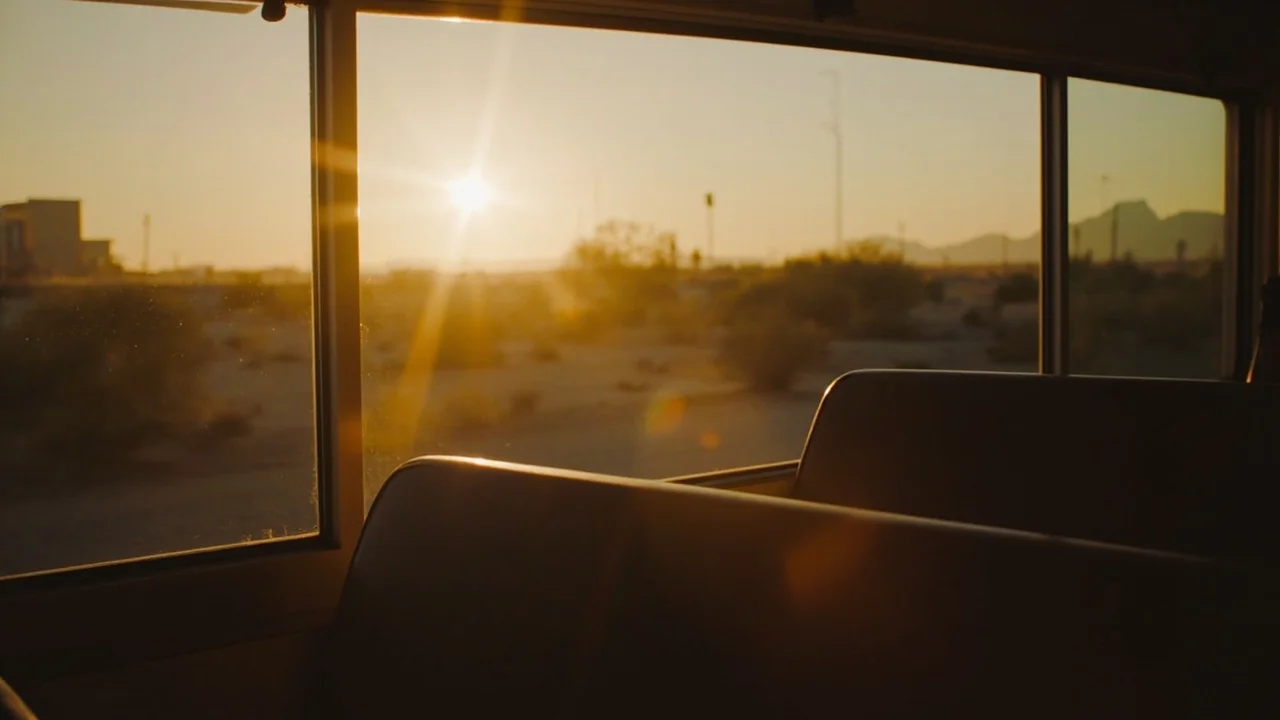
Phoenix sits in the heart of the Sonoran Desert in Arizona, USA. From June to September, surface temperatures frequently exceed 46°C (115°F), and nighttime lows often stay above 30°C (according to 2025 National Weather Service public data). Without proper preparation, summer outdoor activities carry a high risk of heat exhaustion and heat stroke. Upon arrival, stock up on three essentials at a supermarket or pharmacy: a wide-brim sun hat, SPF 50+ sunscreen, and a water bottle of 2 liters or more. Stay indoors between 10 a.m. and 4 p.m.—hiking spots like Papago Park and Camelback Mountain are best attempted at 5 a.m. or skipped entirely. This advice applies to visitors planning their Phoenix trip in peak summer.
Hydration strategy matters too: don't wait until you're thirsty. Sip 150-250 ml every 20 minutes. Electrolyte drinks (sports-type) are better suited for prolonged exposure than plain water. Children, the elderly, and travelers with chronic conditions should further shorten outdoor time. When driving a rental car from the airport into the city, air conditioning and sunshades are essential—interior temperatures can reach life-threatening levels within 10 minutes. Never leave children or pets in the car.
Phoenix Safety Essentials: Areas to Avoid
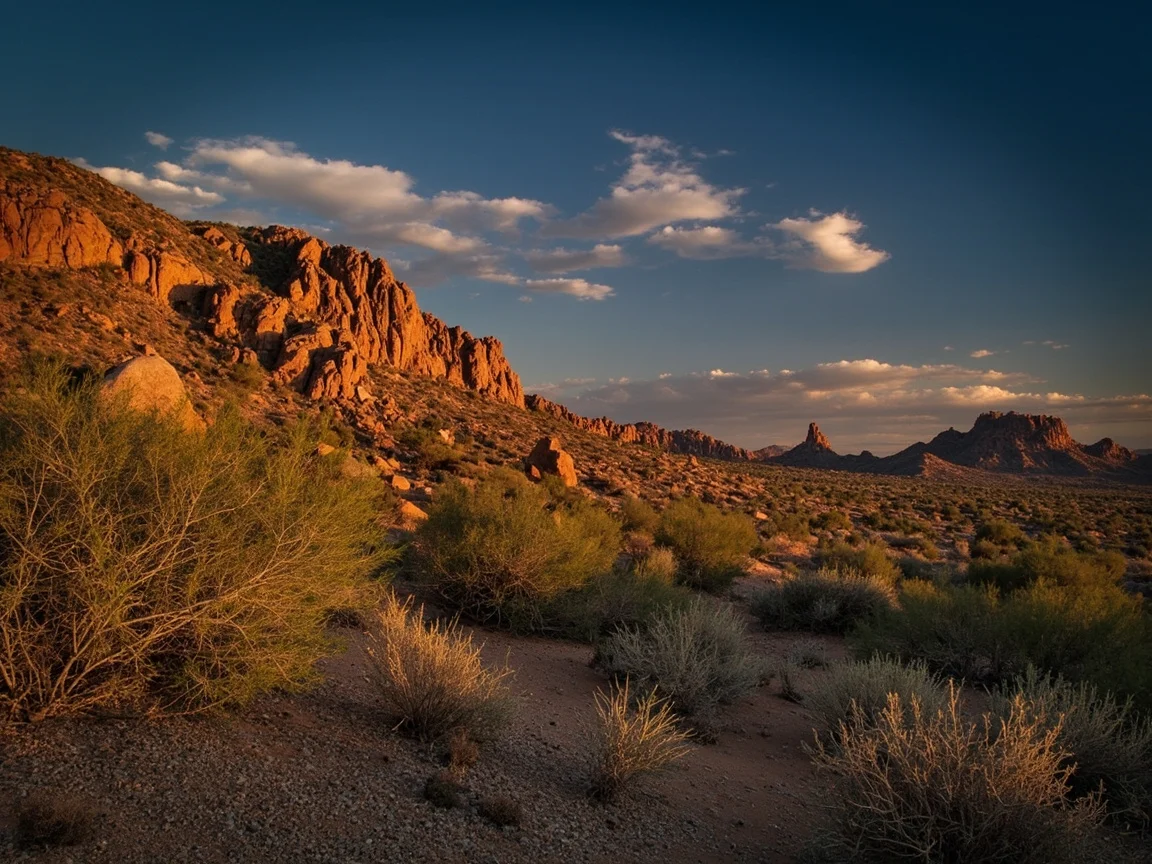
Overall, Phoenix ranks at a moderate level among major cities in the U.S. Southwest, but safety differs markedly by neighborhood. Some blocks of South Phoenix, Maryvale, and the southern foothills of South Mountain see concentrated robbery and car break-in incidents after dark (referencing the 2024 Phoenix Police Department annual crime map). Tourist areas such as Downtown, Roosevelt Row, Old Town Scottsdale, and the Biltmore area are relatively safe, but traveling alone late at night still warrants a rideshare rather than walking.
Self-drive visitors should be especially alert to in-car theft. Parking lots at popular Phoenix hiking spots and attractions (such as South Mountain, Papago Park, and Desert Botanical Garden) are hotspots for window-smash thefts—never leave backpacks, cameras, or handbags in plain sight. Keep valuables on your person, or store luggage in the hotel safe. When parking at your hotel at night, choose a spot under lights and cameras, and stash your GPS unit and phone mount in the glove compartment before turning off the engine.
Phoenix Medical Care and Emergency Contacts: How to Prepare
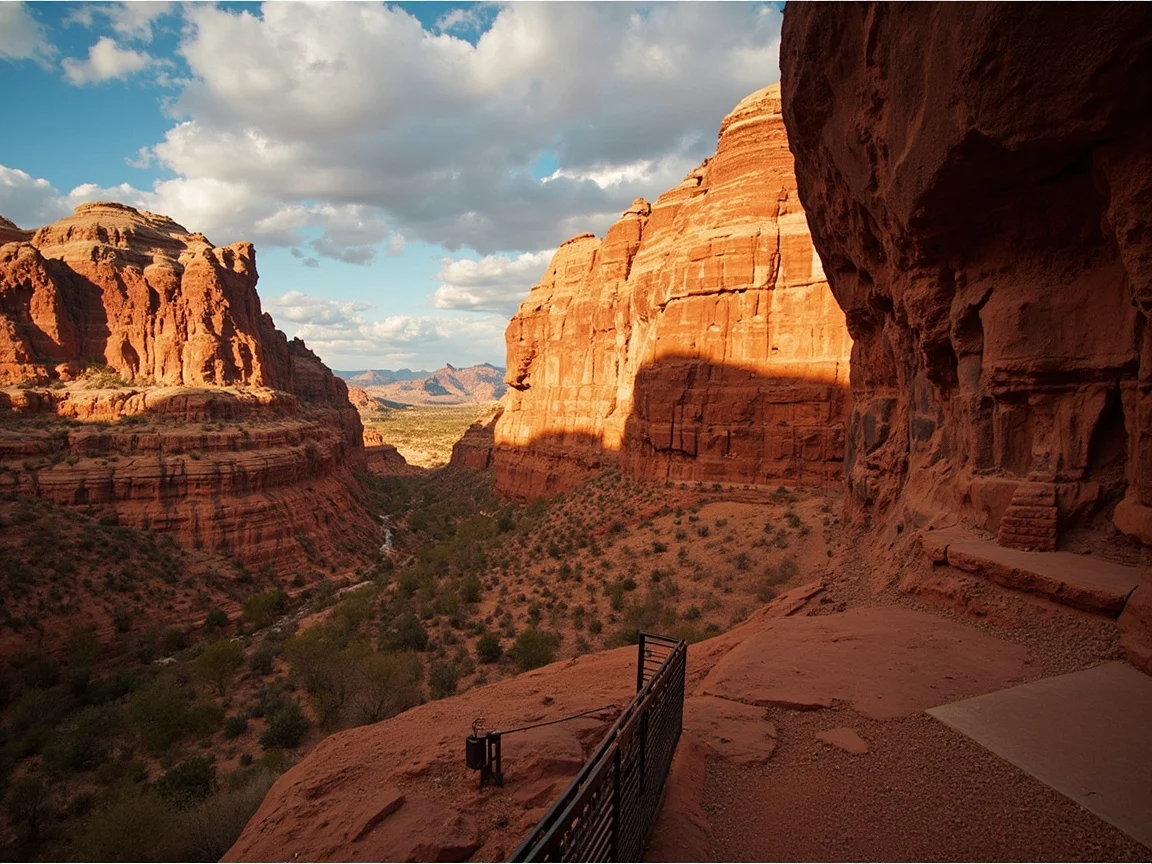
If you experience heat stroke, a fracture, or cardiac issues while traveling in Phoenix, dial 911 immediately—response is fast citywide. Common medical resources: Banner Health and HonorHealth operate 24-hour emergency departments in Scottsdale and near Camelback; for non-urgent care, visit CVS MinuteClinic or NextCare Urgent Care. Regarding medications, U.S. pharmacies (such as Walgreens and CVS) require a prescription from a U.S. doctor for antibiotics, insulin, and other specialized drugs. Bringing an adequate supply of your routine medications is the most reliable approach.
Save this emergency contact list to your phone's lock-screen notes or print a copy for your wallet:
- U.S. emergency number: 911 (police, fire, and ambulance, unified)
- Chinese Consulate General in Los Angeles, consular protection: +1-213-807-8088 (covers the U.S. Southwest region)
- Phoenix tourism police hotline: 602-262-6151 (multilingual service)
- Major hospital Banner – University Medical Center Phoenix: 602-839-2000
If you're renting a car, also note your rental company's 24-hour roadside assistance number. After an incident, file a police report first to obtain a case number, then contact your insurance company.
Phoenix Self-Drive and Transit: Pitfall Checklist
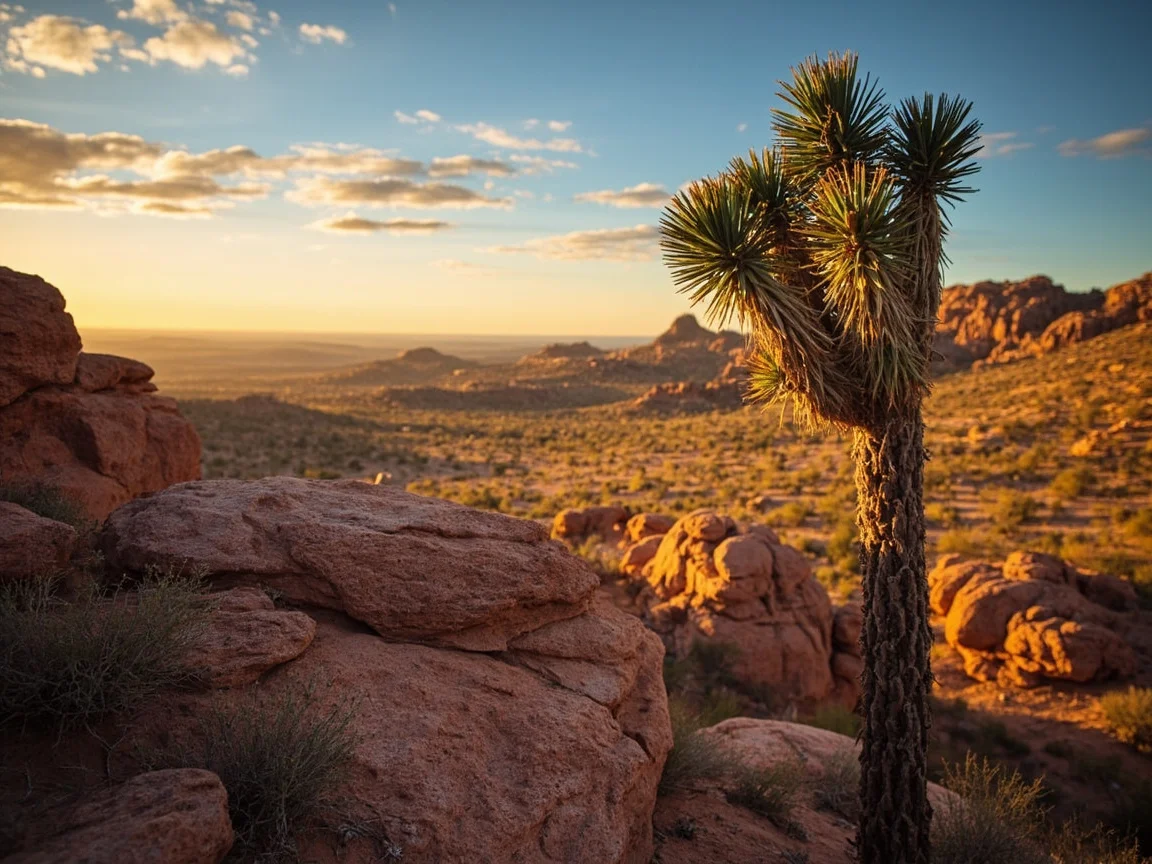
The Phoenix metropolitan area is vast—driving from Sky Harbor Airport to Scottsdale, Glendale, or Chandler routinely takes 30-60 minutes, and getting around without a car is nearly impossible. For this reason, self-drive is the mainstream choice for a Phoenix self-guided tour. However, there are several common pitfalls:
- Don't rush a yellow light—major Phoenix intersections have red light cameras; fines start at 50 admin fee.
- Don't park in time-limited spaces—most Downtown street parking requires payment at meters or via the ParkPhoenix app; overstaying results in $30-60 fines.
- Don't return a rental with less than a half tank—companies like Avis and Hertz charge $8-9 per gallon in refueling fees, roughly three times the market price.
- Don't drive slowly in the left lane on I-10 / Loop 101—Arizona drivers travel fast; going 10 mph below the speed limit increases rear-end collision risk.
DUI penalties in Phoenix are severe. Even after just one beer, a blood alcohol concentration over 0.08% is illegal. If you're not planning to drive that night, skip the alcohol entirely.
Phoenix Itinerary Planning: Pitfalls in Accommodation and Season Choice
Season choice directly determines your Phoenix experience. The best travel months are November through April, with temperatures of 15-25°C, ideal for hiking, cycling, and golf. May and September are transitional months—daytime temperatures still run high, but much better than peak summer. June through August is not recommended unless you're on a tight budget and plan to stay by the hotel pool. MLB Spring Training typically takes place in February and March, driving up hotel prices citywide—travelers hoping to avoid the peak season should adjust their timing accordingly.
Choice of accommodation area also matters. Budget-conscious travelers can choose Downtown Phoenix or Tempe, both with relatively convenient public transit. Families should opt for North Scottsdale or Biltmore—quiet environments with dense restaurant options. Hiking enthusiasts should pick Paradise Valley or Ahwatukee, close to mountain trailheads. Avoid the budget motel strip directly south of the airport in South Phoenix—prices look attractive, but safety and noise are real concerns.
On the food front, Phoenix is a stronghold of Sonoran-style Mexican-American cuisine. Locals recommend Carmel's seafood, El Bravo burritos, and Pizzeria Bianco pizza. Booking restaurants through OpenTable is more reliable than walking in. On holidays (such as Thanksgiving and Christmas), most businesses close—self-guided travelers should confirm opening hours in advance.
Phoenix Safe Travel: 7 Things to Avoid Checklist
Compress the scattered reminders above into a single "never do" checklist, easy to print before departure:
- Hiking or cycling outdoors for extended periods during summer daytime.
- Leaving bags, cameras, or phones in plain sight in a rental car or at attraction parking lots.
- Walking at night in parts of Maryvale or South Phoenix.
- Setting off on a desert trail without water or a hat.
- Leaving children or pets alone in a parked, switched-off vehicle—even for a few minutes.
- Running red lights or driving improperly in highway left lanes, triggering camera fines.
- Ignoring early signs of heat stroke (dizziness, nausea, cessation of sweating) and pushing through without seeking medical help.
Avoiding these seven items will significantly reduce the chance of incidents on your Phoenix trip.
Frequently Asked Questions
Q1: When is the best time of year to visit Phoenix? A: November through April offers mild weather ideal for outdoor activities; June through August is too hot and best avoided.
Q2: Do I need to rent a car for a self-guided Phoenix tour? A: Essentially yes—the city spans a large area, and public transit coverage is weaker than in other major U.S. cities.
Q3: Which Phoenix areas should visitors avoid at night? A: Some parts of South Phoenix and Maryvale have weaker safety at night; Downtown and Scottsdale are comparatively safe.
Further Reading and References
- Phoenix city and climate background (English Wikipedia)
- Arizona national parks and outdoor safety guide
- Brand USA official Arizona page
- Lonely Planet Phoenix travel guide
Add this checklist to your pre-departure notes, and your Phoenix trip will shift from an unfamiliar city to a journey you feel in control of.
Related articles
How to Get to viral travel backpack costco Most Conveniently: Comparison of 4 Main Transportation Options and Ticket Booking Guide
Focused on how to get to viral travel backpack costco most conveniently, this article organizes 4 main transportation options: self-drive, flights, high-speed rail, and long-distance bus, comparing duration, ticket price, flexibility, and suitable travelers item by item, with ticket booking channels, advance booking windows, and pitfall avoidance tips to help travelers quickly lock in the most suitable departure plan during the viral travel backpack costco itinerary planning stage, saving time and budget.
Florida Beaches TOP 10: Popular Experience Rankings & Dedicated Trip Guide
Planning a dedicated trip to Florida Beaches but unsure where to start? This TOP 10 ranking highlights Miami Beach, Clearwater, Sanibel and other popular destinations, with each experience paired with highlight descriptions, recommended traveler types and best seasons. It also organizes 3-7 day itineraries, transportation connections, accommodation areas and must-try foods to help you plan your Florida Beaches dedicated trip in one go.
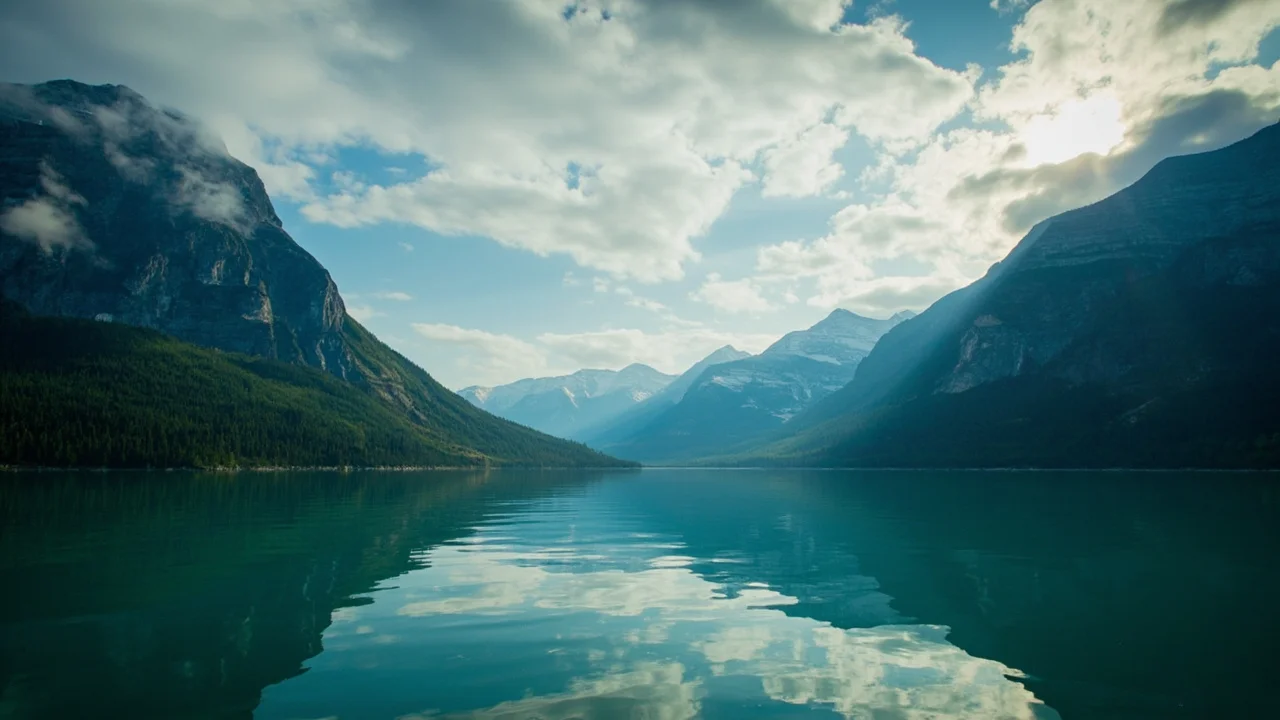
Lake Clark National Park: 9 Practical Tips Only Seasoned Visitors Know — A Hassle-Free Pre-Trip Guide
Lake Clark National Park is one of Alaska's most pristine national parks, and these 9 practical tips from seasoned visitors help you avoid detours before your trip. This guide covers transportation connections, lodging choices, best seasons, gear checklists, and pitfall avoidance, so even first-time visitors to Lake Clark National Park can easily plan an in-depth itinerary.
Things to Do in Big Sur in One Day Solo Trip Complete Guide: 7 Safe, Free and Hassle-Free Stops
Things to do in Big Sur in one day solo trip complete guide, featuring a 1-day 7-stop safe route designed for solo travelers. Covers stop order for Bixby Bridge, McWay Falls, Pfeiffer Beach, driving time, parking tips and cell signal dead zones, plus solo dining and accommodation choices to help you complete the California Highway 1 highlight stretch hassle-free.
A professional and thoughtful travel assistant website, dedicated to building a one-stop platform for trip planning and destination exploration. The platform brings together a wealth of high-quality travel resources, delivering diverse itinerary inspiration covering niche domestic getaways and popular overseas destinations. It also offers detailed and practical travel guides, including dining and accommodation recommendations, transportation tips, and pitfall avoidance advice, along with smart travel tools that customize suggestions based on trip duration, budget, and preferences, simplifying the complex preparation process and making every trip stress-free and full of new experiences.
View all articles →