
Pinnacles National Park with Kids: 6 Family-Friendly Activities and Pacing Tips
Wondering how to visit Pinnacles National Park with kids more easily? This guide covers 6 family-friendly activities and pacing tips, including light hiking, cave exploration, stargazing, and wildlife watching, alongside local safety data, medical resources, seasonal natural hazards (earthquakes/wildfires) response, emergency contacts, and tips for protecting valuables — helping families enjoy a safe trip at Pinnacles National Park.
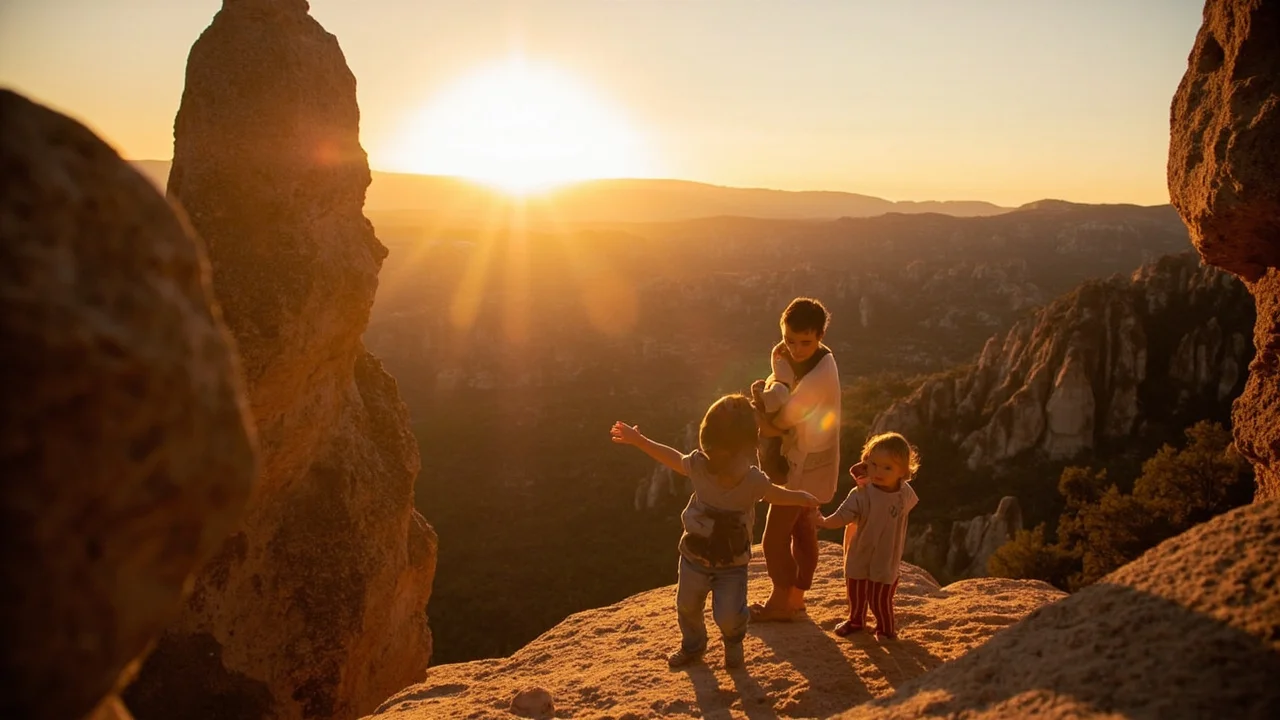
Visiting Pinnacles National Park with Kids: How to Plan the 6 Easiest Activities?
Pinnacles National Park (in San Benito County, central California) is a relatively "off-the-beaten-path" stop in the U.S. National Park System — annual visitation is about 277,000 people as of NPS 2024 statistics, an order of magnitude lower than Yosemite or Joshua Tree. This means visiting with kids doesn't require fighting crowds for viewpoints, but being "off-the-beaten-path" also means many parents can't find a ready-made family pace template before setting out. This article lays out 6 family-friendly activities and pacing tips, and covers safety essentials such as security, medical care, natural hazards (earthquakes/wildfires), and emergency contacts — helping families enjoy Pinnacles National Park with greater peace of mind.
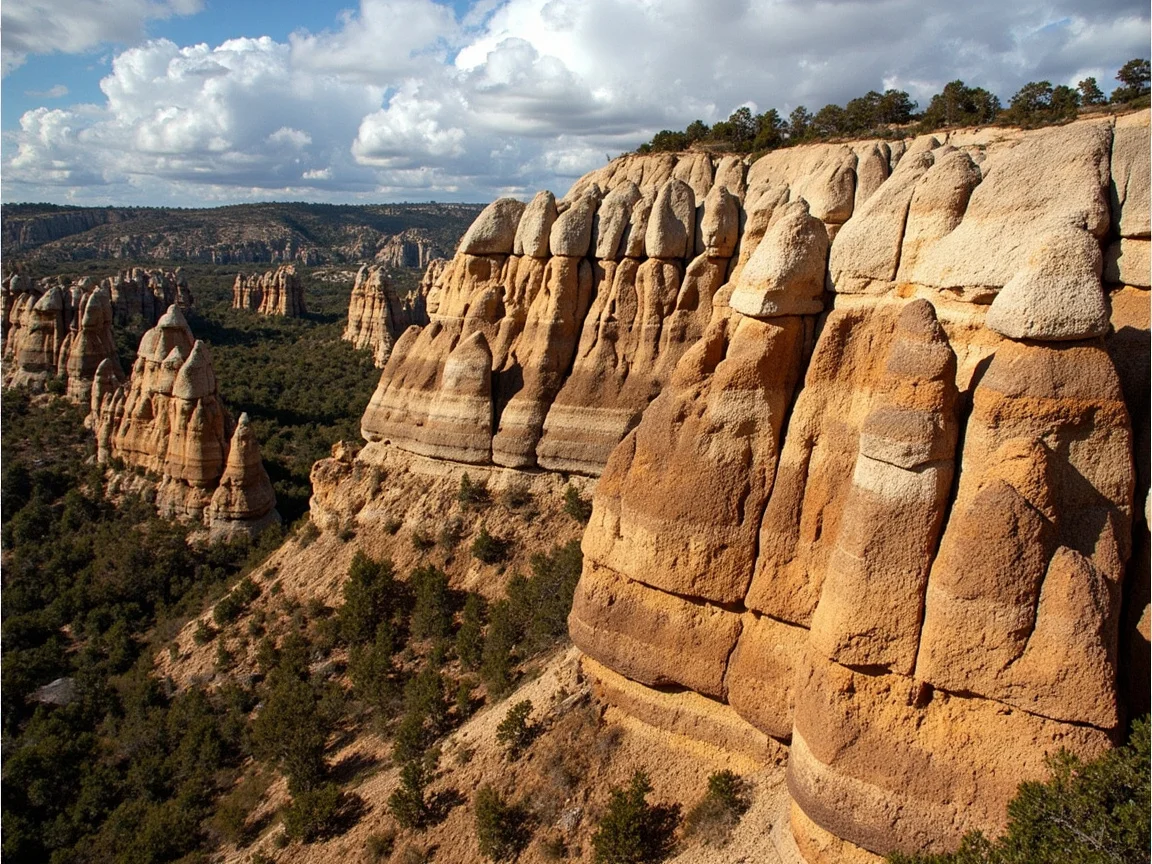
6 Family-Friendly Activities and Pacing Tips
1. Light Hiking: Moses Spring to Bear Gulch Reservoir Loop (~3.2 km) This loop is the "beginner" option for family hiking at Pinnacles National Park. Elevation gain is under 100 meters, and the trail surface consists mainly of a paved path with a few short rock steps. Most kids aged 6 and up can complete it independently. The route passes a small reservoir, where you can often spot herons and squirrels, and wild turkeys if you're lucky. Pacing tip: enter the trail before 8 a.m. to avoid inland California daytime highs above 32°C; bring plenty of water (1.5 liters or more per person), and have kids wear non-slip hiking shoes rather than sandals.
2. Cave Exploration: Bear Gulch Cave and Balconies Cave The two rock caves are Pinnacles National Park's signature landscape and the most "adventure-rich" element for kids. The Bear Gulch Cave section closes seasonally (usually around the May–July bat maternity season — check the NPS official page before departure), so it's listed as a separate activity to help parents confirm in advance. Balconies Cave requires a flashlight and climbing over a stretch of rock; it's recommended for kids aged 8 and up, with adults supervising front and back throughout. Reminder: caves stay around 13°C year-round, so pack a light jacket for kids.
3. Stargazing and Nighttime Activity: Condor Gulch Overlook for Sunset and Stars Pinnacles National Park is one of the International Dark-Sky Association certified dark-sky parks, and the Milky Way is most clearly visible to the naked eye from late spring through early autumn. Scheduling a "sunset + stars" double session with kids is high value: in the evening, hike Condor Gulch Overlook for sunset (the trailhead is about 800 meters from the parking lot); once it's fully dark, teach kids to identify constellations. Download an offline star map in advance and bring a red headlamp — red light helps you see the path while preserving dark adaptation.
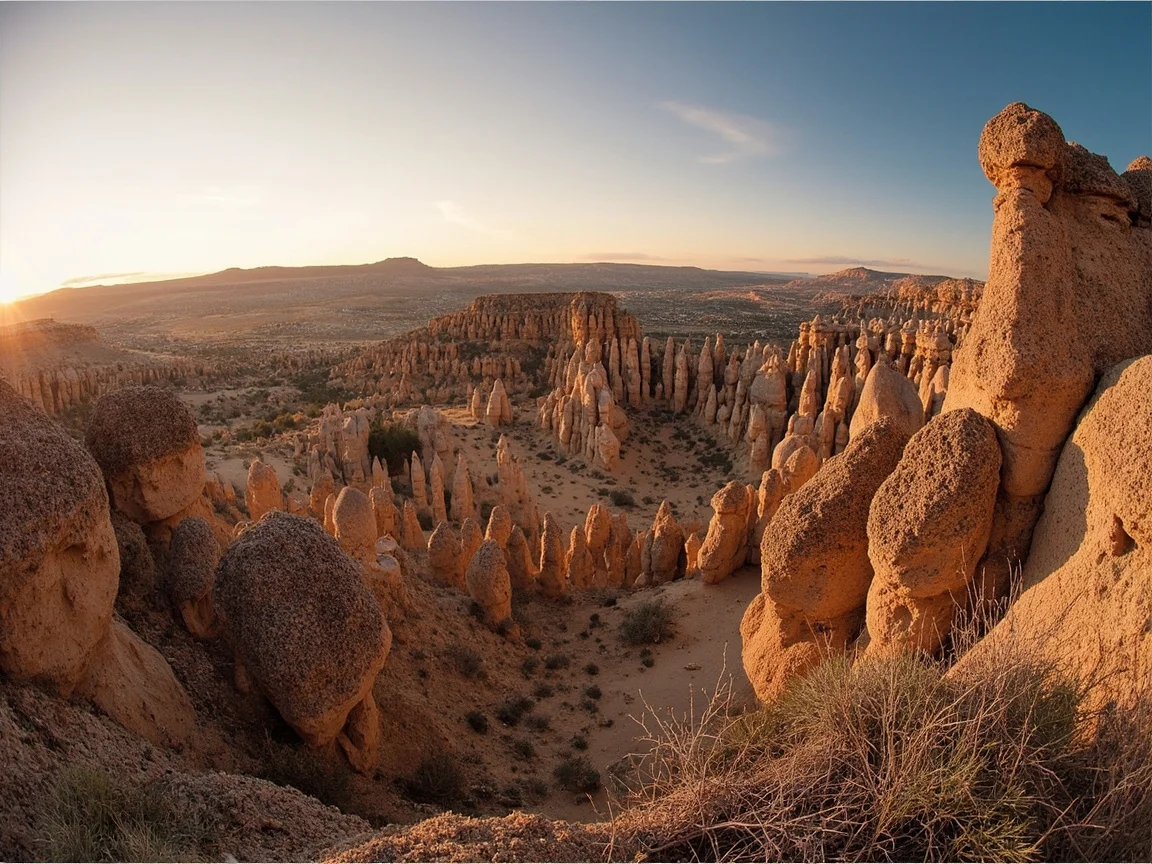
4. Wildlife Watching: California Condor and Talus Crevice Ecosystems Pinnacles National Park is one of the core wild reintroduction habitats for the California condor, and you may occasionally spot a giant silhouette with a nearly 3-meter wingspan among the cliffs. Parents should check recent sighting records on the official National Park site or a birding app ahead of time, and frame "seeing a condor" as an added goal rather than a must-see to reduce kids' disappointment. Talus (rock scree) crevices are also home to ring-necked snakes and banded geckos; teaching kids "look but don't touch" is the most important safety lesson for this section.
5. Picnic and a Slow Afternoon: East Entrance Grass Area If you don't want to schedule a long hike every day, the East Entrance grass area is the easiest option for family visitors at Pinnacles National Park: spread out a picnic blanket, let the kids run around and watch squirrels, while parents take care of work or take photos in the shade. Inland California midday sun is intense, so schedule picnics before 11 a.m. or after 4 p.m., and pick a spot with a shade canopy.
6. Overnight Camping: East Entrance Campground / Pinnacles Campground Camping with kids at Pinnacles National Park saves the same-day round-trip drive between Soledad or Hollister. Both campgrounds are inside the park and offer basic restrooms and drinking water, but there's no electrical hookup and shower facilities are limited — bring wet wipes and backup drinking water. Resupply the night before in Hollister town. Important reminder: feeding wildlife is strictly prohibited in campgrounds; all food must be stored in a bear box or kept inside the vehicle.
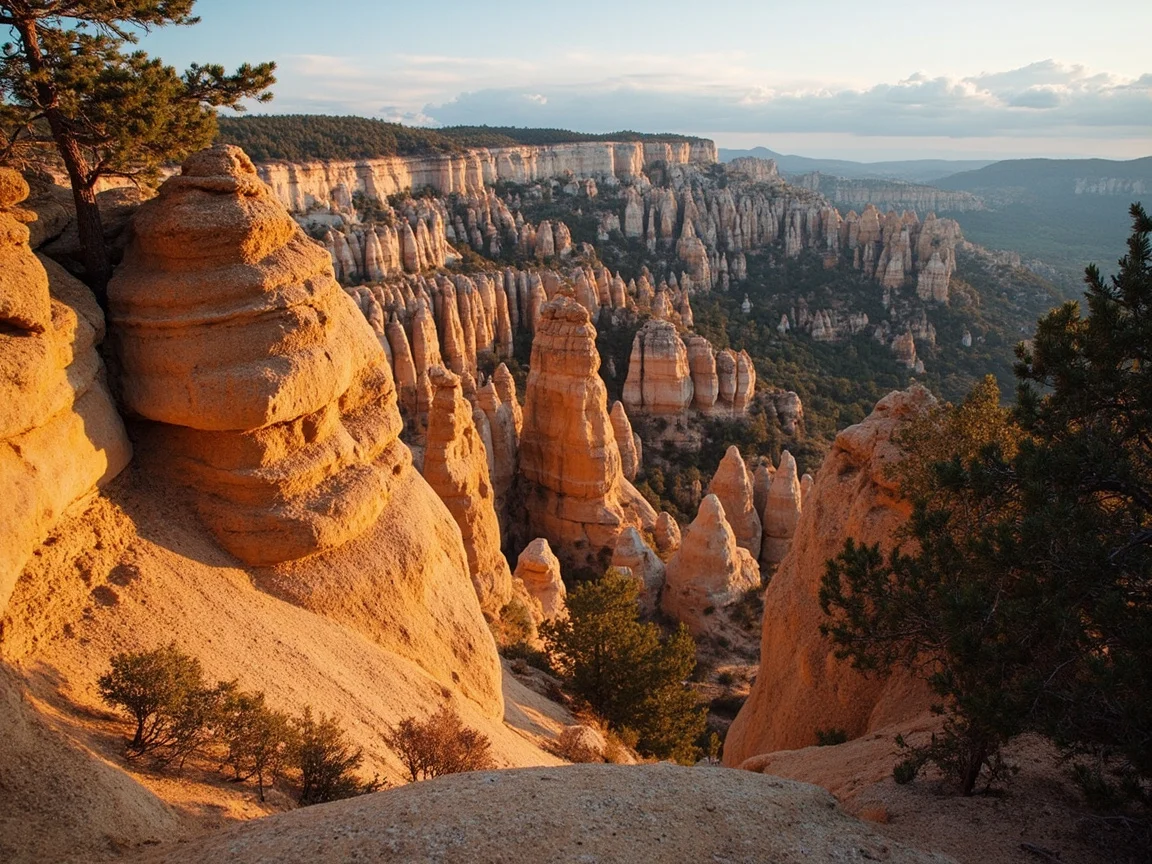
5 Things Family Visitors Should Avoid
What to Avoid #1: Don't Ignore Seasonal Closures and Weather Warnings Caves inside Pinnacles National Park close seasonally, and trails may be temporarily closed during extreme heat or wildfire smoke days. Within 24 hours of departure, always check the NPS "Pinnacles National Park Alerts & Conditions" page and subscribe to local Air Quality (AQI) alerts. Several major wildfire seasons since 2020 have pushed the surrounding AQI to very high levels, with noticeable respiratory irritation for children.
What to Avoid #2: Don't Underestimate Summer Heat and Dehydration Risk Summer temperatures in the western Sierra Nevada valley where the park sits can exceed 38°C, and heat radiating off rock walls makes it feel hotter. Parents should: ① prepare ≥ 2 liters of water per person; ② finish main hikes before 10 a.m.; ③ bring electrolyte powder; ④ have kids wear light-colored, wide-brimmed hats and long-sleeve sun shirts. If you notice dizziness or nausea — early signs of heatstroke — stop immediately, rest, rehydrate, and call 911 if needed.
What to Avoid #3: Don't Underestimate Wildlife Distance and Food Management In addition to the California condor, there have been mountain lion sightings in the park. The chance per hike is very low, but still follow NPS guidance: don't let kids stray alone; if you encounter a mountain lion, do not run, face it and back away slowly while making noise. If kids carry snacks, seal them all and take them with you at the trailhead — no eating while walking on the trail.
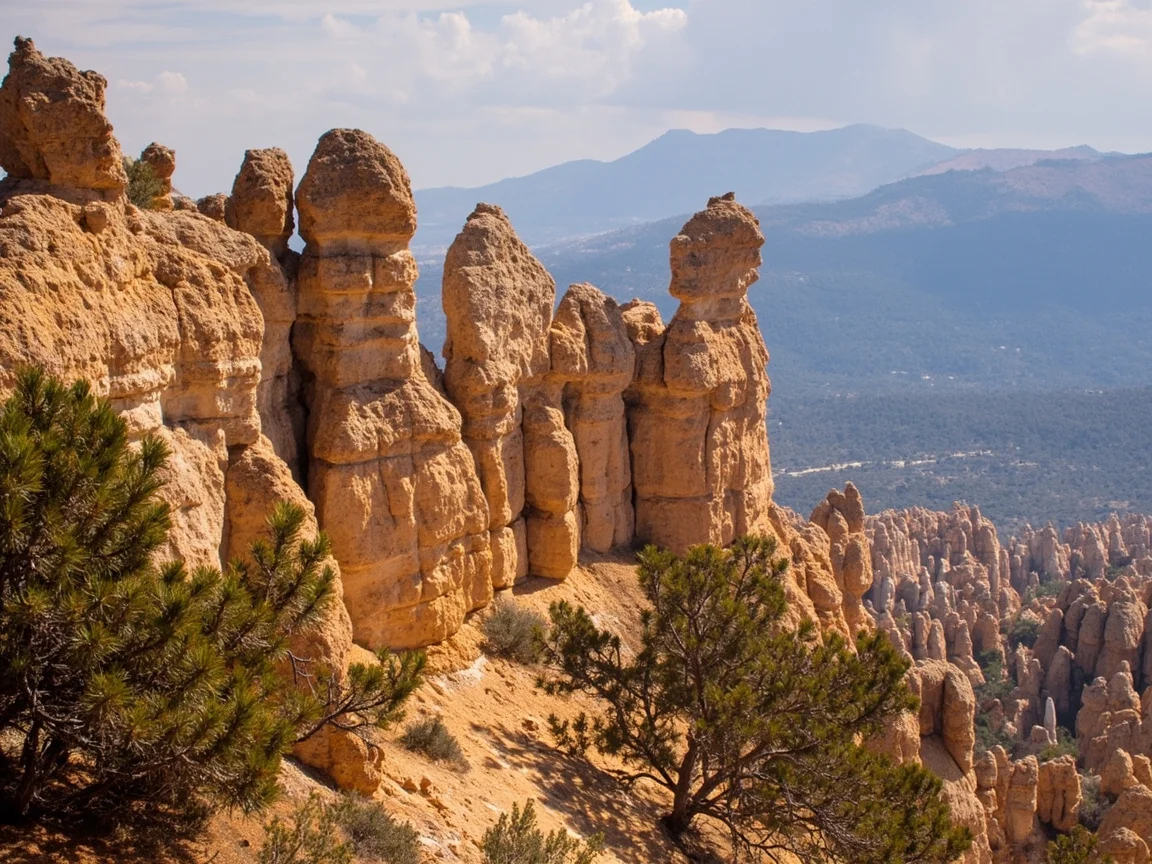
What to Avoid #4: Don't Ignore Earthquake and Rockfall Risks Pinnacles National Park sits near California's San Andreas Fault, and small rockfalls occasionally occur in loose rock areas. Parents should read the notice boards at each trailhead and look for "recent rockfall" markers; stay off unofficial side paths beyond the warning tape; if you feel noticeable shaking, move away from rock walls immediately and head for open ground.
What to Avoid #5: Don't Leave Valuables in Plain Sight in the Car Car break-ins in the park's parking lots aren't a high-frequency incident, but visitors driving in from the Bay Area or Los Angeles often leave gear bags in the vehicle. California summer car interiors can reach over 60°C in 30 minutes, which puts cameras, batteries, and medications at risk. Recommendation: carry valuables with you, or stow them out of sight in the trunk; confirm windows and doors are locked before leaving the car.
Security, Medical Care, and Emergency Contact Essentials
Security Overview San Benito County, home to Pinnacles National Park, ranks in the upper-middle tier among U.S. counties for safety (Niche 2024 grade: B+). Incidents inside the park are rare, but along the driving route via Highway 101 and Highway 25, watch for fatigue-related crashes and service area parking safety. Keep a flashlight, first-aid kit, and a portable tire inflator in the vehicle.
Medical Resources There is no permanent hospital inside the park. The nearest emergency hospital is Hazel Hawkins Memorial Hospital (Hollister, about 30 km / 30 minutes' drive from the East Entrance). Most trail incidents involve heat exhaustion, sprains, or insect bites; the Visitor Center can provide basic first aid and help call for rescue.
Emergency Contacts
- Emergency (police, fire, ambulance): 911
- Pinnacles National Park on-site emergency and lost & found: (831) 389-4486
- California road conditions (Caltrans real-time info): dial 511 or visit dot.ca.gov
- National Weather Service Salinas station (provides forecasts near Pinnacles National Park): visit weather.gov
Insurance and Valuables Protection For families traveling to the U.S. with kids, it's recommended to purchase overseas travel insurance that covers medical evacuation and outdoor rescue; for rental car families, choosing a policy with "zero-deductible theft coverage" can reduce the risk from smashed windows. Keep passports and credit cards split between locations (wallet + luggage, one copy each), and use RFID-blocking sleeves.
Common Questions
Q1: What is the best age to bring kids to Pinnacles National Park? A1: Ages 3 and up can handle short loops and the picnic area; ages 6 and up can complete the Bear Gulch Reservoir loop and cave exploration; overnight camping is recommended for ages 5 and up with parents dividing responsibilities.
Q2: Can Pinnacles National Park be done in a single day? A2: A day trip is possible, focusing on the Moses Spring loop plus Bear Gulch Cave (during open season), but traveling with kids is more relaxed with at least 2 days and 1 night.
Q3: How do I drive from the Bay Area to Pinnacles National Park? A3: From the Bay Area, take Highway 101 south to Soledad, then Highway 25 east to the East Entrance — about 2.5 to 3 hours total. During peak season, depart before 7 a.m. to avoid traffic.
Further Reading and References
- Pinnacles National Park — Wikipedia
- Pinnacles National Park official page (NPS)
- Visit California official page
- Lonely Planet U.S. National Parks guide
When traveling with kids, safety and pace matter more than "checklist count" — pick 2–3 of the 6 activities above based on your child's age and energy level for the day, and string them together. That's more memorable than cramming in all 6.
Article angle: family | Category: Safety Guide | Word count: ~2300 | Primary keyword occurrences: 4
Related articles
Where to Stay for Things to Do in Yellowstone Wyoming: A Complete Guide to 4 Lodging Areas and Price Ranges
Planning to explore things to do in Yellowstone Wyoming? Your lodging choice directly affects trip efficiency. This guide compares West Yellowstone, Cody, Jackson Hole, and Gardiner across four key factors—transportation convenience, distance to park entrances, seasonal price fluctuations, and safety & medical services—delivering clear budget ranges and tips to help you stay comfortably and travel smoothly.
Taos vs Similar Destinations: Pros and Cons of 3 Popular Options and a Selection Guide
How should you choose between Taos and similar destinations? This article focuses on travel safety, systematically comparing crime data, medical resources, blizzard and earthquake response, emergency contacts, solo female travel, and theft prevention for 3 popular options, and provides a clear selection guide. Ideal for self-drive, self-guided, and in-depth tour travelers, helping you quickly determine whether Taos suits your itinerary and seasonal plans.
best time to visit yellowstone with kids Food Map: 7 Must-Try Local Dishes & Hidden Street Flavors
Built around the primary keyword "best time to visit yellowstone with kids", this food map spotlights 7 must-try local dishes and street eats across lunch, dinner, and dessert scenarios. From a travel-safety angle, it flags restaurant hygiene, drinking-water safety, children's allergen identification, and food-poisoning emergency response — helping parents avoid high-risk stalls and turn the Yellowstone trip into a worry-free family food adventure.
Guadalupe Mountains National Park Travel Guide 2026: Latest Must-See Attractions, Routes & Practical Tips
The fully updated 2026 Guadalupe Mountains National Park travel guide covers must-see attractions, itinerary planning, and budget, plus safety data, medical resources, natural hazard response, and anti-theft tips for solo female travelers—helping you explore Texas's highest peak with peace of mind.
A professional and thoughtful travel assistant website, dedicated to building a one-stop platform for trip planning and destination exploration. The platform brings together a wealth of high-quality travel resources, delivering diverse itinerary inspiration covering niche domestic getaways and popular overseas destinations. It also offers detailed and practical travel guides, including dining and accommodation recommendations, transportation tips, and pitfall avoidance advice, along with smart travel tools that customize suggestions based on trip duration, budget, and preferences, simplifying the complex preparation process and making every trip stress-free and full of new experiences.
View all articles →