
Portland Safety & Health: 7 Must-Know Tips for a Worry-Free Trip
When checking into a Portland hotel, safety details should never be overlooked. From the perspective of accommodation services, this article outlines 7 must-know tips covering room type comparison, floor and orientation, neighborhood verification, emergency contacts, and health precautions — helping travelers choose a more reassuring place to stay in Portland and adding an extra layer of security to the entire journey from the moment of check-in.

4 Most Common Accommodation Safety Questions Before Staying in Portland
Arriving at Portland airport with a suitcase in hand, the first thing on a solo traveler's mind isn't rushing to a trending café — it's confirming whether tonight's hotel or vacation rental is truly safe. Shuttle routes from the airport to downtown, the day-and-night foot traffic differences in certain Portland neighborhoods, and design details like elevator and room access control all directly affect sleep quality on the first night. When many travelers search for Portland safety and precautions, their core anxiety boils down to one question: "Will something go wrong with where I'm staying?" Below are the 4 most frequently asked scenarios from Portland accommodation-related inquiries over the past year.
Scenario 1: Arriving at the hotel late at night — is the 24-hour front desk truly reliable? Some chain hotels in downtown Portland and Beaverton do offer 24-hour front desks, but certain small vacation rentals use self-check-in lockboxes. When choosing, always confirm whether there is an after-hours emergency contact, and whether the lockbox code is only sent on the day of arrival.
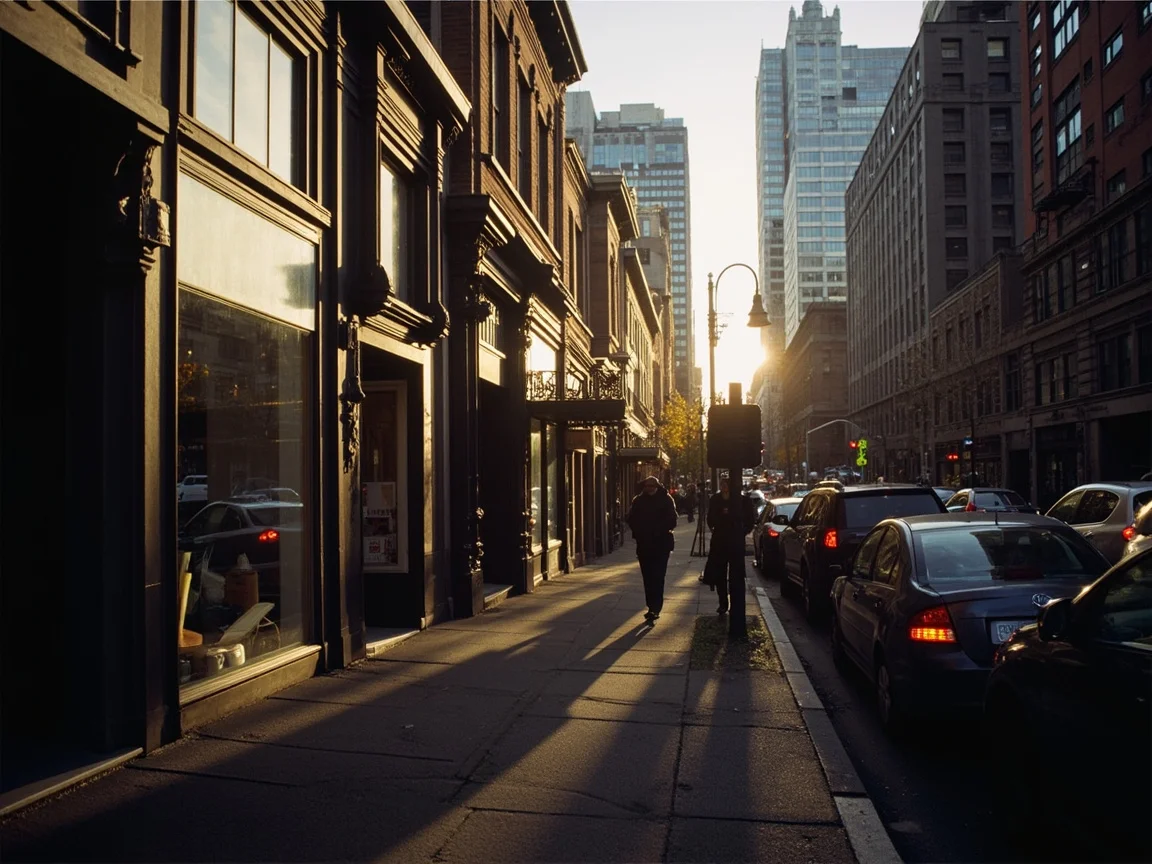
Scenario 2: Staying in Downtown or Pearl District — is it safe to cross the street? These two areas are the most densely packed accommodation zones for Portland tourism, with convenient public transit, but some street corners see a mixed crowd at night. It's recommended to prioritize properties within a 5-minute walk of a MAX light rail station and surrounded by 24-hour convenience stores.
Scenario 3: Traveling with family or as a solo female — how to choose floor and orientation? Solo female travelers are generally advised to choose rooms on floors 3–6, away from elevator shafts, and to avoid low floors near fire stairwells; families may prefer quiet high-floor rooms to reduce street-level noise.
Scenario 4: Self-driving and parking — is there a risk of theft in the hotel parking lot? Some older Portland hotel parking lots are open-air and unmonitored. Self-drive travelers should prioritize properties with gated entry or valet parking, and remove valuables from the car and bring them into the room.
Room Type Comparison & Floor Orientation: Choosing the Right Room Matters More Than the Right Hotel
In the same Portland hotel, a street-view room and an interior courtyard room can differ in price by 30%, but the gap in safety and comfort goes far beyond that. Considering Portland's seasonal and climate characteristics — wet autumns and winters, ample sunshine in spring and summer — room selection should weigh three dimensions: noise, lighting, and ventilation.
Street-view vs. interior courtyard rooms: Street-view rooms offer better views, but some streets in downtown Portland still have vehicle noise and emergency sirens in the early morning hours; interior courtyard rooms are usually quieter but may have limited ventilation. Before booking, check real photos on the hotel's official website or Booking.com to confirm whether windows can be opened and whether blackout curtains are provided.
Floor selection: According to safety guidance published by the American Hotel & Lodging Association (AHLA) in 2024, floors 3–6 offer the best balance of fire escape convenience and street-level isolation. Low floors (1–2) are easily affected by external disturbances, while top floors may face risks related to fire water pressure and elevator malfunctions. Families with children may prefer higher floors, but always confirm that windows have child safety locks.
Connecting rooms & adjacent rooms: Families traveling with seniors or children often need connecting rooms, but pay attention to the soundproofing once the connecting door is closed. When booking, note the request for a room away from elevators and vending machines.
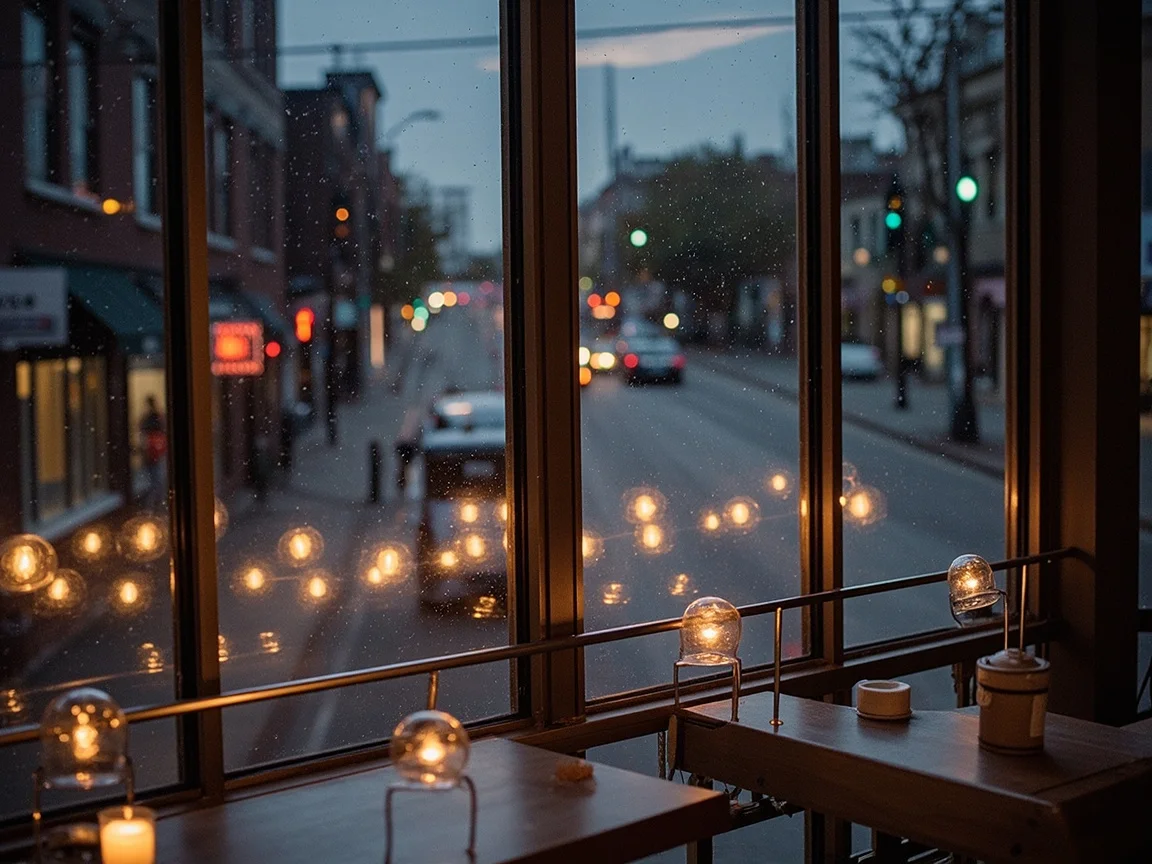
Orientation: Portland summers feature late sunsets, so west-facing rooms will receive strong afternoon-to-evening sun, affecting indoor temperature and sleep. It's recommended to choose east- or north-facing rooms, and note the preference for a quiet environment in the booking remarks.
Vacation Rental vs. Hotel: Service Differences & Safety Responsibility Boundaries
In Portland's accommodation ecosystem, vacation rentals (Airbnb / Vrbo) and chain hotels each hold roughly half the market. The differences between the two in Portland safety and health risk prevention often determine the floor of a trip's experience.
Advantages of vacation rentals: Larger space, full kitchen facilities, ideal for long stays or in-depth tour travelers with pets; flexible pricing, often offering a 10% discount for multiple consecutive nights.
Risk points of vacation rentals: ① Lack of a 24-hour front desk, slower response to nighttime emergencies; ② Low recovery rate for items lost after checkout; ③ Some older properties have outdated fire safety equipment. Booking.com and Airbnb have both introduced "Safe Stay Certification" labels in recent years — prioritize listings with this certification when booking.
Advantages of hotels: 24-hour front desk, surveillance coverage, daily housekeeping, and clear emergency evacuation procedures. Chain hotels are typically equipped with AEDs (Automated External Defibrillators), which is especially important for travelers with elderly companions or chronic conditions.
Risk points of hotels: Heavy foot traffic means shared elevators and breakfast areas are hotspots for lost items. It's recommended to use the in-room safe for passports, spare cash, and electronics.
Check-In Verification, Emergency Contacts & Health Precautions: Control Every Detail
Regardless of the accommodation type chosen, the check-in verification process on arrival day should never be skipped. According to a traveler safety report published by the U.S. Travel Safety Association (USTSA) in 2025, familiarizing yourself in advance with the surroundings of your accommodation and emergency contact methods can improve the response efficiency of nighttime emergencies by approximately 40%.
Four-step check-in verification: ① Confirm that the key card access is limited to your own floor; ② Test whether the door deadbolt and security chain work properly; ③ Check the smoke alarm and carbon monoxide detector (some older Portland properties still have gas appliances); ④ Locate the emergency evacuation map and the nearest emergency exit.
Emergency contact list: Front desk phone, local 911 (use 311 for non-emergencies), the Chinese Consulate General in San Francisco protection phone, and your insurance company's 24-hour assistance hotline — print a copy and keep it in your wallet.
Health precautions: Portland tap water is drinkable, but bringing a thermos is recommended in autumn and winter; hotel toiletries are mostly Western brands, so those with sensitive skin may prefer to bring their own; after long-haul flights, spend 10 minutes stretching in the room to ease jet lag.

Avoid These Practices: A 7-Point Pitfall List for Portland Accommodation
Putting together a reverse checklist can help travelers avoid detours when choosing Portland accommodation.
- Don't publicly share your real-time location and room number on social media — even showing just the hotel name can be exploited by bad actors.
- Don't leave your original passport outside the in-room safe for long — always take inventory before checkout.
- Don't trust "helpful" people at the airport offering to call a cab — Portland airport's official taxi and rideshare (Uber / Lyft) designated pickup points are safer.
- Don't book vacation rentals in street-facing buildings without access control — especially apartment buildings with low occupancy rates at night.
- Don't ignore seasonal factors — Portland has abundant autumn and winter rainfall, so self-drive travelers should avoid hotels with flood-prone underground parking.
- Don't choose vacation rentals near Brewery District during holidays (especially July 4th and St. Patrick's Day) — streets are crowded and noisy at night.
- Don't skip double-checking the cancellation policy — some listings are non-refundable during holidays; always verify before booking.
Frequently Asked Questions
Q1: Is it safe to go out alone in downtown Portland at night? Avoid certain street corners between midnight and 3 AM, prioritize main streets and stretches with open shops, and the overall situation is manageable. Carrying a portable phone charger is recommended.
Q2: What should I prepare in advance when bringing a pet to a Portland hotel? Confirm the hotel's pet policy in advance (most chain hotels charge an additional $25–75 cleaning fee), bring your own pet water bowl and sleeping pad, and avoid damaging room facilities.
Q3: What should self-drive travelers pay attention to when parking in Portland? Some downtown streets have time-limited parking (most commonly 2 hours), with more free sections on weekends. It's recommended to book hotels with gated parking to avoid tickets.
Further Reading & References
- Portland City Overview (Wikipedia)
- Real Reviews of Portland Hotels & Vacation Rentals (Tripadvisor)
- Oregon State Official Tourism Website (Travel Oregon)
- Portland Travel Guide (Lonely Planet)
Spending an extra ten minutes reviewing accommodation details before departure is far easier than fixing things after arrival. Wishing you restful nights throughout your stay in Portland.
Related articles

Complete Black Hills Solo Travel Guide: 7 Safe, Free-and-Easy Lodging Options
This complete Black Hills solo travel guide focuses on lodging choices, handpicking 7 safe, free-and-easy options. It covers platform price comparison, location selection, room type comparison, floor and orientation tips, length-of-stay discounts, and cancellation policies, while detailing the differences between vacation rentals and hotels. Whether you're a first-time solo traveler or a seasoned explorer, you'll find the right place to stay in the Black Hills to explore this land with confidence.
Hotels in Yellowstone National Park Wyoming: Best Months to Visit – Complete 2026 Weather, Crowds & Price Curve Comparison
What is the best month to visit hotels in Yellowstone National Park Wyoming? This guide uses three full-year curves—2026 weather, crowds, and pricing—to break down monthly hotel averages, occupancy rates, and weather comfort, showing you how to avoid peak season in the May–September busy period and which park-area lodges remain open during the December–March off-season.
weather in nashville in 10 days: How to Get There Most Conveniently — 4 Mainstream Transport Options Compared & Ticket Booking Guide
What's the most convenient way to travel for weather in nashville in 10 days? This article compares 4 mainstream transport options — flights, trains, self-drive, and long-distance buses — across arrival time, fare ranges, booking channels, and luggage limits, then recommends the optimal plan for different budgets and trip lengths, helping readers lock in the most suitable transport method for a 10-day Nashville trip with minimal decision-making effort.

Louisiana Bayou TOP 10: Popular Experience Rankings & Dedicated Trip Guide
Planning a dedicated trip to Louisiana Bayou and wondering how to pick lodging without hitting pitfalls? This guide ranks the TOP 10 popular lodging experiences, compares the differences between homestays and hotels, platform price-comparison tips, extended-stay discounts and cancellation policies, and offers selection advice by location, room type, floor orientation, plus safety notes—helping you plan a secure and distinctive estuary trip.
A professional and thoughtful travel assistant website, dedicated to building a one-stop platform for trip planning and destination exploration. The platform brings together a wealth of high-quality travel resources, delivering diverse itinerary inspiration covering niche domestic getaways and popular overseas destinations. It also offers detailed and practical travel guides, including dining and accommodation recommendations, transportation tips, and pitfall avoidance advice, along with smart travel tools that customize suggestions based on trip duration, budget, and preferences, simplifying the complex preparation process and making every trip stress-free and full of new experiences.
View all articles →