
9 Practical Tips Only Route 66 Veterans Know: A Hassle-Free Pre-Trip Guide
Planning a Route 66 road trip but don't know where to start? This guide gathers 9 practical tips only seasoned travelers know to help you avoid common pitfalls. Covering pre-trip preparation, seasonal weather, accommodation choices, and local food recommendations along the way, so you know what to expect before departure and enjoy a smoother, more relaxed journey—leaving your attention for Route 66's own scenery and stories.
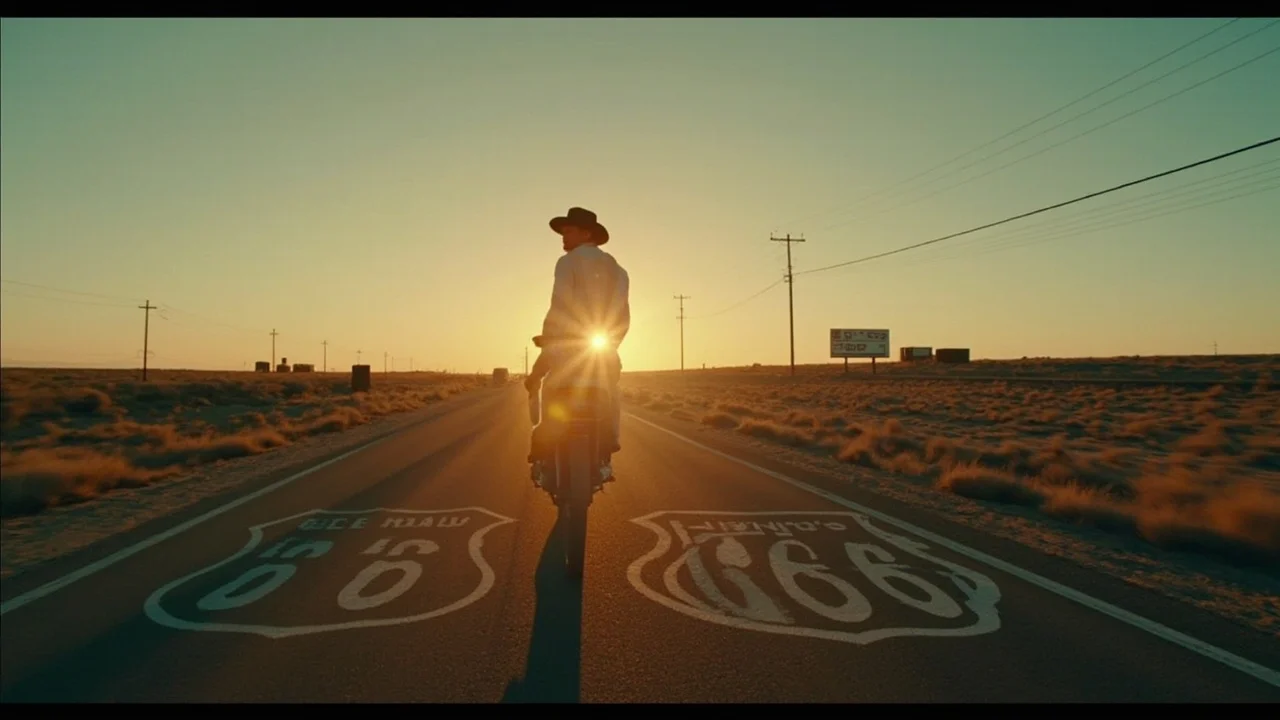
These 9 Route 66 Lessons—You Should Really Read Them Before You Go
Who could refuse a highway that crosses eight states and carries the title of "The Mother Road of America"? But after scrolling through hundreds of Route 66 road trip guides, you'll find that truly actionable practical tips are rare. The 9 Route 66 lessons gathered here come from travelers who've made the journey multiple times, retired guides, and self-drive editors who've covered this route long-term. They cover the four stages where pitfalls most often appear—pre-trip, season, lodging, and supplies—so you can keep your attention on Route 66 itself.
Why does everyone dream of Route 66, yet 70% regret their first trip?
Mental preparation matters more than any guidebook. Route 66 stretches over 2,400 miles (about 3,860 km), and many who try to drive it in full the first time later say, "I wish I'd just picked one section." That's because the small towns along the route are often more than 100 miles apart, and the density of restaurants and gas stations is far lower than on coastal interstates.
Before you leave, give yourself a clear answer: do you want to "tick off the whole route" or "find the stretch with the most character"? If you just want to soak up Route 66's nostalgic atmosphere, three sections are best preserved: Kingman to Seligman in Arizona, the area around Gallup in New Mexico, and the area around Pontiac in Illinois.
Don't believe the myth that you "must drive it all in one go." Whether you travel in sections or end-to-end, the core atmosphere of a Route 66 self-drive trip remains the same.
What does pre-trip prep really involve? Veterans always make a "two-list" plan
Many Route 66 tips look plentiful in search engines, but few people break pre-trip preparation into a "hard list + soft list."
Hard list: a translated driver's license (or an International Driving Permit translation), US dollar cash and small change (some old gas stations and museums only accept cash), the habit of recording fuel level and mileage, two spare phone charging cables, and a paper copy of your route.
Soft list: curiosity about Route 66 history. Catherine's Steakhouse, Cahto, Tee Pee Curios, and Ambercrombie's Pontiac—knowing the stories behind these names turns Route 66 practical tips into a journey rather than a rush.
A small tip: before you leave, mark the "towns you want to visit" on a map, then work backward to set daily mileage. It's more relaxing than planning by city alone.
Seasons and weather: which months are easiest to get caught out?
Route 66 crosses multiple climate zones, so your choice of season directly determines trip quality. In winter (December – February), northern New Mexico and Arizona mountains can see snowfall, while the Illinois stretch may drop below freezing. In summer (June – August), afternoon surface temperatures in the desert sections often exceed 45°C.
The most stable windows are mid-April through late May, and late September through mid-October. Both periods avoid extreme heat and catch the golden light of Route 66's American road trip high season, but still let you skip the Labor Day and Columbus Day crowds.
If your itinerary clashes with a holiday, book accommodation at least 2 months ahead—otherwise, motels and motor inns in the small towns along the route fill up within two days.
How to pick lodging so you don't get woken up halfway through the night?
Lodging is the most underestimated part of Route 66 itinerary planning. Along the route, three main types exist: chain hotels, vintage motor inns, and B&Bs.
Pick a chain hotel (cheap and reliable) for travel days; pick a vintage motor inn (great photo atmosphere and value-for-money) for stops of two nights or more; pick a B&B (hearty breakfasts with stories) for one reward night per week.
A pitfall to avoid: booking all your lodging along the interstate. Much of Route 66's original alignment runs parallel to I-40 but sits 5–10 miles off it. Staying on I-40 means higher prices and missed nightscapes. Travelers who really know the route always go 5–10 miles off the main road to find motor inns along the old alignment—you can still see neon signs at night.
Roadside food: what else can you eat besides Cadillac Ranch?
Route 66's food fame is often monopolized by a few "must-visit spots," but the real surprises come from local small-town eateries.
New Mexico's Frito Pie (corn chips with chili meat sauce), the Horseshoe (an open-faced sandwich) on the Illinois stretch, Toasted Ravioli in Missouri, and Arizona's Sonoran hot dog—all belong to this route. Slow down the food pace: at every town you stop in, ask "Which place do locals go to most?" That usually beats any guidebook list.
Avoid the morning rush at popular spots during holidays. Arrive after 9 AM and both the experience and service speed improve.
Vehicle, insurance, and emergencies: seasoned drivers never gamble on luck
The least-discussed part of Route 66 experience—and the most critical when things go wrong—is vehicle condition and emergency prep.
One month before departure, get an oil change and check brake pads, tires (including the spare); bring a tire pressure gauge and basic repair tools; download offline maps in case signal drops. On insurance, confirm whether your domestic policy covers you in the US—if not, adding a short-term American self-drive rider through your insurer is cheaper than arranging it after arrival.
Gas stations are sparse along the route. Top up whenever your fuel drops to half a tank—better too much than too little. In an emergency, dial 911 and give the nearest mile marker rather than the town name—it's more precise.
Avoiding these 8 things will cut half the stress from your Route 66 self-drive
- Don't try to drive the whole route in 7 days—traveling in sections is more cost-effective and more comfortable.
- Don't rely solely on Google Maps—some old sections along the route may not be in the default navigation recommendation, so download offline maps in advance.
- Don't ignore tire pressure and spare condition—desert-section rescue wait times tend to be long.
- Don't stay at chain hotels the whole way—the vintage motor inns in small towns along the route are the soul of Route 66.
- Don't visit Cadillac Ranch during holiday peak hours—choose early morning or late afternoon when the light is softer.
- Don't carry too much cash, but do keep small change—old gas stations and small museums often accept cash only.
- Don't overlook sun protection and hydration—desert temperatures swing fast, and water plus electrolyte drinks are essentials.
- Don't rush just to check off photo stops—the essence of Route 66 is the rhythm of stories along the way.
Frequently Asked Questions
Can Route 66 still be driven in full today?
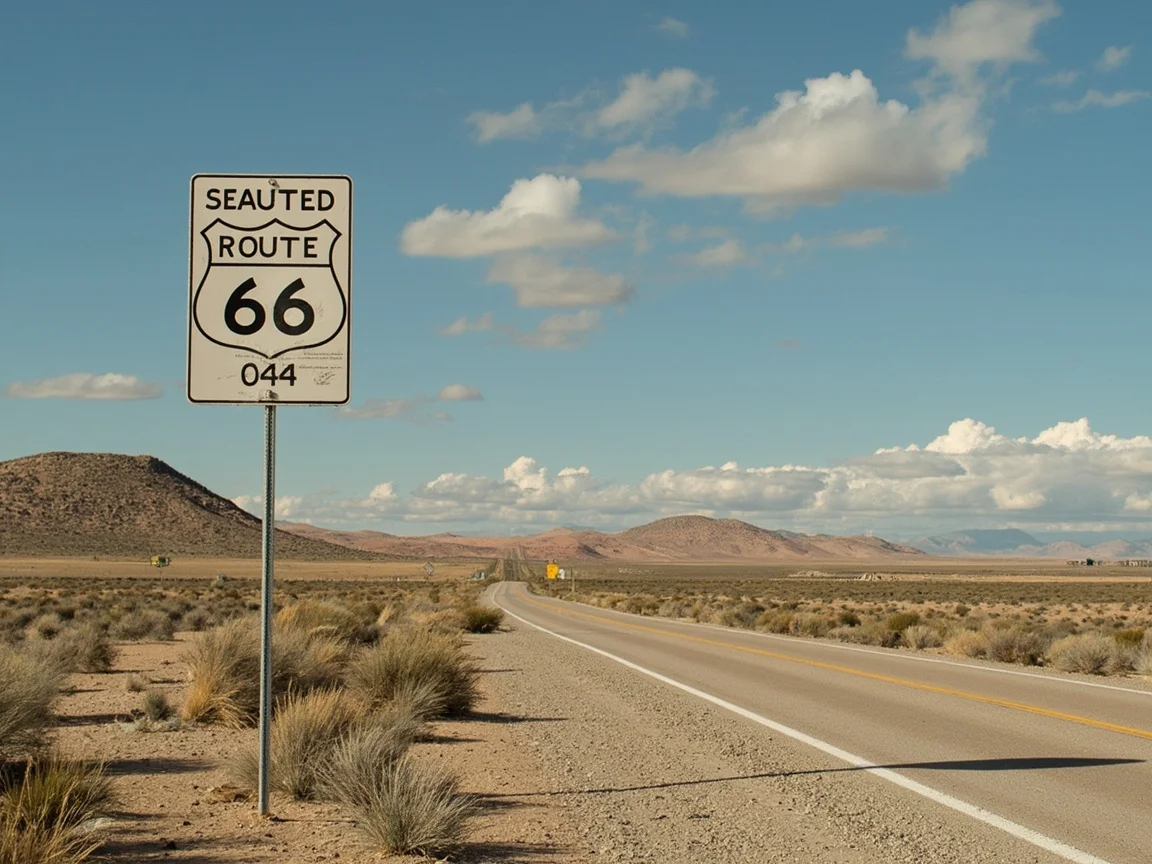
Yes. Signs, landmarks, and small-town character are preserved along Route 66, though it is no longer a continuous interstate. Self-drive travelers usually piece together historic alignments, original towns, and in-city preserved sections to recreate the full atmosphere.
What is the ideal duration for a Route 66 self-drive trip?
For the full experience, allow 12–14 days. If time is tight, choose the Arizona section (3–4 days) or the Illinois section (2–3 days) for a highlights-only trip.
What exactly is the relationship between Route 66 and the I-40 interstate?
I-40 took over Route 66's main function after the 1980s, but Route 66 still exists as old roads and small towns along the alignment. Self-drive itineraries typically "step off the interstate" to experience the old alignment.
Further Reading and References
- Route 66 (Wikipedia)
- Route 66 National Historic Trail (National Park Service)
- Visit Arizona Route 66 Feature (Arizona Office of Tourism)
- Lonely Planet USA Road Trips Guide
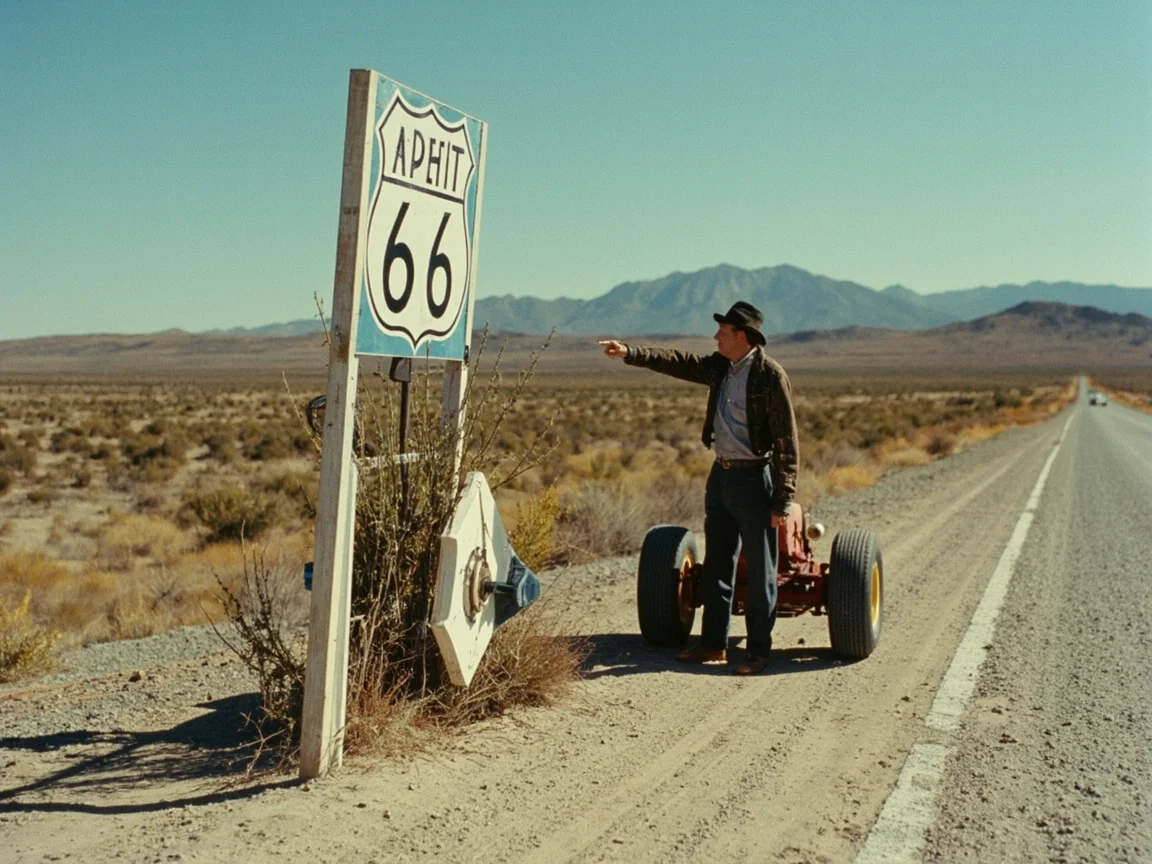
The charm of Route 66 has never been about the mileage—it's about the shopkeepers along the way who keep their neon burning and the travelers who slow down to take it in. Avoid a few pitfalls before you leave, and you'll find an extra measure of ease on the road.
Related articles
9 Insider Tips for Green Mountains Vermont That Only Experienced Travelers Know: A Hassle-Free Pre-Trip Guide
9 practical tips for Green Mountains Vermont that only seasoned travelers know, written specifically for pre-trip planning. Covering accommodation choices, food stops, off-peak seasons, self-drive routes, and pitfall avoidance across common self-guided and in-depth tour scenarios. Every tip comes from real experience, helping you sort out your itinerary, budget, and holiday crowds before departure—hassle-free and efficient, so even first-timers can follow along.
Weather in Orlando Today: The Complete Solo Travel Guide — 7 Safe, Free & Stress-Free Plans
Planning a solo trip out with weather in Orlando today in mind? This guide centers on Orlando's real-time weather conditions and lays out 7 safe, free, and hassle-free planning ideas—covering accommodation location, daytime routes, nighttime safety, and contingency responses. Whether it's your first solo trip or you're looking to streamline your itinerary, you can follow it step by step and turn uncertain weather variables into a predictable travel experience.

Summer Destinations East Coast: Best Months to Visit – 2026 Full-Year Weather, Crowds & Price Curve Comparison
Wondering which months are best for summer destinations on the East Coast? This article lays out three parallel curves—2026 year-round weather, crowds, and pricing—and breaks down monthly temperature, rainfall, crowd levels, and average airfare and hotel rates for the East Coast's top cities. Lock in the sweet-spot windows of May–June and September, sidestep the July–August peak-season crowds and pricing traps, and get actionable month-by-month itinerary planning tips.
Park City 5-Day In-Depth Itinerary Template: Daily Routes, Transfers and Time Allocation
A 5-day in-depth Park City itinerary template that breaks down each day's route, transfers, and time schedule. The template covers attraction order, gondola and shuttle transfer points, restaurant dining windows, and evening activity plans, helping self-guided travelers avoid queues and detours so every hour is spent on scenery and experience.
A professional and thoughtful travel assistant website, dedicated to building a one-stop platform for trip planning and destination exploration. The platform brings together a wealth of high-quality travel resources, delivering diverse itinerary inspiration covering niche domestic getaways and popular overseas destinations. It also offers detailed and practical travel guides, including dining and accommodation recommendations, transportation tips, and pitfall avoidance advice, along with smart travel tools that customize suggestions based on trip duration, budget, and preferences, simplifying the complex preparation process and making every trip stress-free and full of new experiences.
View all articles →