
San Francisco Safety & Health: 7 Must-Know Tips for a Worry-Free Trip
A 2026 in-depth guide to San Francisco's 3-day classic route, based on San Francisco travel tips that help you avoid Tenderloin, SoMa nighttime risks, and Market Street pickpocketing. Covers must-see sights like the Golden Gate Bridge, Alcatraz, and Lombard Street, plus Fisherman's Wharf dining and a Napa day trip. Includes seasonal and holiday-based recommendations for the best months to visit. Ideal for self-guided and self-drive travelers—full itinerary and accommodation guide.
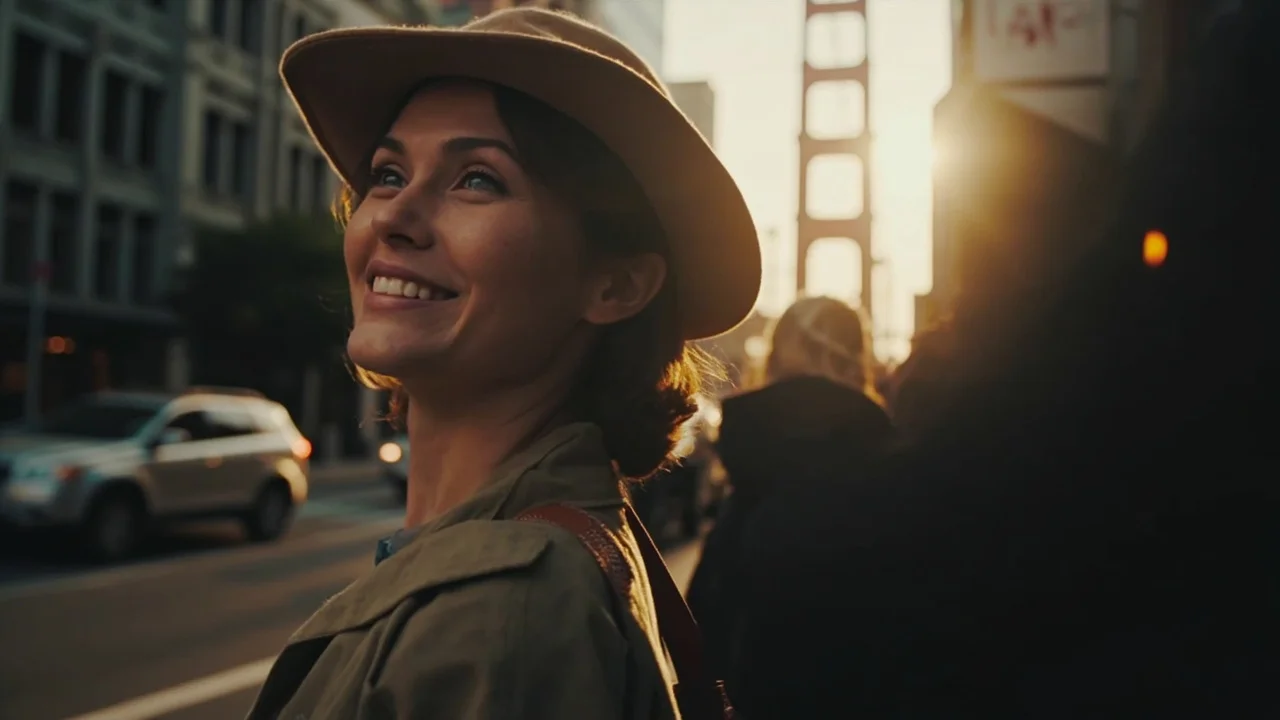
Got your rental car window smashed on night 1 of a San Francisco 3-day trip? What to do next
For travelers heading to San Francisco, the biggest fear isn't the fog—it's coming back to a roadside car at night with a smashed window. According to 2024 SFPD (San Francisco Police Department) data, the city saw over 12,000 vehicle thefts, nearly 40% of which occurred around the SoMa, Tenderloin, and Mission neighborhoods (source: SFPD 2024 Annual Report). If this is your first time in the city, this San Francisco travel guide will help you navigate the classic 3-day route more smoothly—fewer pitfalls, more sights.
I. San Francisco Travel Guide Essentials: 7 Safety & Health Tips
1. Avoid Tenderloin and the Edges of SoMa for Accommodations
Tenderloin is one of San Francisco's most complex neighborhoods in terms of public safety. Northern SoMa still sees occasional robberies and smash-and-grab incidents past midnight. Consider booking a hotel in Union Square, Nob Hill, Marina, or Cow Hollow—prices are slightly higher but walking to attractions is safer, and getting a late-night ride back to the hotel is easier.
2. Market Street Is a Pickpocket Hotspot—Keep Valuables Close
Market Street from Powell to Van Ness is the densest stretch for pickpocketing, especially around the Powell light-rail station, the Westfield mall entrance, and the cable car boarding area. Locals and tourists alike wear backpacks on their front, keep phones out of sight, and lock passports in the hotel safe.
3. Don't Leave Luggage Overnight in a Self-Drive Car; Choose Large Parking Garages
If this trip is self-drive, on San Francisco day trips (like Napa or Muir Woods), never leave bags, chargers, or paper bags—anything that "looks like it has something inside"—in the car overnight when returning to the city. Bay Area smash-and-grab theft is mostly opportunistic, targeting small bags casually tossed on the passenger seat. Park at hotel valet or a municipal garage instead.
4. Layer Up for the Weather—Bring a Jacket Even in Summer
San Francisco in June–August often means 13°C mornings and 20°C afternoons—the classic "jacket plus T-shirt" combo. September–October is the most reliably sunny period. It's windy and UV is strong, so a windproof jacket is almost always needed at Fisherman's Wharf and the Golden Gate Bridge viewpoints. Those who run cold should add a sweater for the November–March visit.
5. Be Cautious on Late-Night Transit; Don't Miss the Last BART
The last BART train usually runs around midnight, and late-night cars can get crowded with a mixed crowd. Self-guided travelers heading to/from the airport should try to take rides before 10 PM; if you miss the last train, switch to Lyft/Uber rather than lingering at Civic Center or 16th Street Mission stations.
6. Health Tips: Lots of Hills, Bring Knee Support, Stay Hydrated
San Francisco streets are steep, and 15,000–20,000 steps per day is the norm. Lombard Street, Coit Telegraph Hill, and Russian Hill are especially tough on the knees. Wear cushioned sneakers, carry a portable water bottle, and remember that even though San Francisco summers are cool, UV is still strong.
7. Emergency Contacts & Check-In Habits
The U.S. emergency number is 911 (non-emergency police: 311). Download Google Maps offline maps in advance—cell signal is weak in parts of San Francisco (like Twin Peaks and the deeper Presidio trails). Agree on a "regroup point if we lose contact" with your travel companions; Union Square entrance is the most common choice.
II. San Francisco Must-See Attractions on a 3-Day Route: The Smoothest Way to Go
Day 1: The Classic Central Axis
Start at 9 AM from Union Square and take the Powell Street cable car up to Nob Hill, experiencing this San Francisco transit artery that opened in 1873 (per the 2025 NPS National Register of Historic Places). For lunch, head to the North Beach Italian district for pasta. In the afternoon, walk to Coit Telegraph Hill for a view of the Bay Bridge, then head to Fisherman's Wharf in the evening for sourdough seafood bowls and sea lions. Try to return to your hotel area by 4 PM to avoid the mixed late-night crowds.
Day 2: Alcatraz & the Golden Gate
Book Alcatraz tickets 2–4 weeks ahead at alcatrazcitycruises.com; standard adult tickets run around $49. In the afternoon, cross the Golden Gate Bridge to the Marin side and catch the sunset at Vista Point. If you have energy to spare, add a stroll through the town of Sausalito—the best-value half-day experience around San Francisco.
Day 3: Napa Day Trip or the Cultural Route
Self-drive travelers can head an hour north to Napa Valley for wine tasting (confirm in advance whether a designated driver is required). Public-transit travelers should stay in the city: De Young Museum, the Japanese Tea Garden in Golden Gate Park, and the Haight-Ashbury vintage district. End the day at Dolores Park in the Mission District watching locals walk their dogs and the sunset—it's the perfect finale.
III. Eating Your Way Through San Francisco: A 3-Day Restaurant List
San Francisco is widely recognized as a food capital on both U.S. coasts, but random picks can backfire. This section curates a 3-day dining plan so self-guided travelers can avoid the pitfalls:
- Breakfast: Tartine Bakery (Mission) is famous for its country loaf; a 30–45 minute line is normal, so arrive before 9 AM.
- Lunch: Fisherman's Wharf's Boudin sourdough seafood bowl is the tourist standard. For a locals' spot, try Hog Island Oyster at the Ferry Building.
- Dinner: For upscale, choose State Bird Provisions + The Progress—book 60 days ahead. For affordable, North Beach's Tony's Pizza Napoletana is hailed as the most authentic Neapolitan pizza on the U.S. West Coast.
- Avoid: Steer clear of cheap buffets and dollar-menu spots in Tenderloin—hygiene and safety are both concerns.
IV. Best Month to Visit San Francisco: Picking by Season & Holidays
Spring (March–May)
End of the rainy season; the city is at its greenest, and cherry blossoms stretch from Japan Center to Golden Gate Park. Pros: cheaper lodging. Cons: the Golden Gate Bridge is often shrouded in fog.
Summer (June–August)
San Francisco's July average high is only 22°C, making it one of the few U.S. cities that doesn't heat up in summer—but that also means chilly mornings and evenings. The holiday calendar is packed (Independence Day, Pride, Outside Lands), so lodging prices double.
Fall (September–October)
The top-recommended season for this trip. Temperatures stay steady at 15–25°C, rain is rare, and Golden Gate Bridge visibility is highest. Late November after Thanksgiving kicks off the rainy season again—just avoid that window.
Winter (November–February)
Rainy, but the Fisherman's Wharf holiday lights are worth a look, and lodging is at its annual low—great for budget travelers. Not recommended if you're chasing "sunny photo ops."
V. "Don't Do This" Checklist for the 3-Day Classic Route
These are the most common pitfalls for first-timers—every item comes from high-frequency 2025 Tripadvisor forum feedback and local reddit/r/AskSF posts:
- Don't park overnight on Market Street—already explained above; the smash-and-grab rate is highest here.
- Don't jog alone at night through Tenderloin or southern Mission—drug and alcohol issues persist after dark.
- Don't carry your passport in a front pocket or the outer pocket of your backpack—pickpockets' favorite spots.
- Don't order the "$99 crab feast" at Fisherman's Wharf—usually frozen meat; locals don't go there.
- Don't drive down Lombard Street's curves on weekends—one-way rules are complex, and illegal parking fines run $100+.
- Don't show up at trendy brunch spots without a reservation—Sausalito and Mission brunch spots regularly have 1–2 hour weekend waits.
- Don't hike Coit Hill in flip-flops—the downhill stone pavement is very slippery.
- Don't skip booking BART during holidays and just grab a taxi—ride-app surge pricing hits 3–5x on Independence Day and the San Francisco Marathon.
VI. Where to Stay: 3 Days, 2 Nights by Budget Zone
High Budget (500/night)
Fairmont Heritage Place Ghirardelli Square, Hotel Vitale, St. Regis. Highest safety factor, great views—ideal for honeymoons or families.
Mid Budget (250/night)
Hyatt Regency San Francisco Downtown SOMA (note: this is the southern end of SoMa, not the Tenderloin border), Hotel Zeppelin, Hotel Zelos. Around Union Square, with transit, cable cars, and restaurants all within walking distance.
Low Budget (130/night)
Hostel HI San Francisco Downtown, Hotel Whitcomb. If staying at a small hotel on the Tenderloin edge, confirm it has an in-room safe and a 24-hour front desk.
For this San Francisco 3-day itinerary, choosing a mid-budget chain hotel, 3 days and 2 nights of lodging total around 500. Add dining, transit, and attraction tickets, and a per-person budget of 1,200 is recommended (excluding Napa wine tasting and shopping).
Frequently Asked Questions
Q1: How safe is San Francisco really—is it still worth visiting in 2026? 2025 SFPD data shows violent crime is down roughly 18% versus 2022, putting the city in the mid-range among major U.S. cities. Avoid Tenderloin and SoMa at night and you can travel with confidence.
Q2: On the 3-day San Francisco highlights route, which attractions are must-keep? Golden Gate Bridge, Alcatraz, Lombard Street, and Fisherman's Wharf are the consensus top four—the recommended route above covers all of them.
Q3: Self-guided tour vs. self-drive—which is more cost-effective for 3 days? If you add a Napa day trip, self-drive saves about 35–$60/day). For a 1-day city-only itinerary, self-guided plus BART is the better call.
Further Reading & References
- San Francisco - Wikipedia
- Golden Gate National Recreation Area - NPS
- San Francisco Travel Official Tourism Site
- Lonely Planet San Francisco Travel Guide
Safety was never a reason not to travel—it's the foundation for traveling more steadily. This city deserves a full 3 days to explore at a relaxed pace. Chat with locals when you run into questions, and you'll find that San Francisco's charm far outweighs the stereotypes built around those 12,000 incidents.
Related articles
Boston Safety & Health: 7 Must-Know Tips for a Worry-Free Trip
This Boston 3-day self-guided travel guide centers on a Boston travel itinerary, offering the latest 2026 schedule. It covers must-visit attractions, the best time to visit Boston, Boston food recommendations, and Boston's history and culture, combined with FAQs and pitfall avoidance tips to help you deeply experience this ancient American capital in three days.
things to do in austin today: How to Get There Most Conveniently — A Comparison of 4 Main Transport Options & Ticket Booking Guide
Want to visit Austin but unsure what's the most cost-effective way to get there? This guide breaks down the 4 main transport options — self-drive, flight, train, and bus — by time, budget, and traveler type, comparing fares, duration, and ideal use cases. It also covers official and third-party booking channels, refund/change policies, baggage rules, and pitfall-avoidance tips to help you lock in the best Austin travel plan in 10 minutes.
Things to Do in Phoenix Tonight: 9 Insider Tips Only Locals Know — Hassle-Free Pre-Trip Guide
This hassle-free things to do in Phoenix tonight guide compiles 9 insider tips only seasoned locals know: from the best timing for booking shows, to nighttime transport options, to desert-climate wardrobe picks and restaurant-queue pitfalls. Whether you're a first-time visitor or a short-stay business traveller, you can follow the checklist directly, avoid detours, and enjoy more of the city.
Fort Worth Texas Solo Travel Complete Guide: 7 Safe, Free, and Hassle-Free Itinerary Plans
This Fort Worth Texas solo travel complete guide selects 7 safe, free, and hassle-free itinerary plans, designed specifically for one person. Content covers accommodation selection, popular attractions routing, local food recommendations, transportation connections, and seasonal pitfall tips, helping Fort Worth Texas solo travelers efficiently plan routes, skip tedious decisions, and leave time for scenery along the way and free experiences.
A professional and thoughtful travel assistant website, dedicated to building a one-stop platform for trip planning and destination exploration. The platform brings together a wealth of high-quality travel resources, delivering diverse itinerary inspiration covering niche domestic getaways and popular overseas destinations. It also offers detailed and practical travel guides, including dining and accommodation recommendations, transportation tips, and pitfall avoidance advice, along with smart travel tools that customize suggestions based on trip duration, budget, and preferences, simplifying the complex preparation process and making every trip stress-free and full of new experiences.
View all articles →