
Seattle Safety and Health: 7 Must-Know Tips for a Worry-Free Trip
Traveling to Seattle means enjoying the scenery while preparing for safety and health. This guide focuses on Seattle safety and health, offering 7 practical tips covering crime risks, outdoor hiking, medical resources, emergency response, and seasonal considerations, helping travelers avoid common issues in advance and enjoy a more worry-free and smooth Seattle experience.

Seattle Safety and Health: 7 Must-Know Tips for a Worry-Free Trip
Safety preparation before arriving in Seattle directly shapes the quality of your entire trip. This article focuses on Seattle safety and health across four dimensions—crime, outdoor activities, medical care, and seasons—offering 7 practical tips to help travelers build risk awareness and response plans in advance. According to travel safety guidance issued by the U.S. Department of State in 2024, visitors to major cities along the U.S. West Coast need to pay special attention to both personal safety and health risks (per the 2024 U.S. Department of State travel advisory). Seattle, with its mix of mountains, bays, and urban areas, presents safety characteristics distinct from other major metropolitan areas. Below, the details are broken down by section.
1. Seattle Crime Overview and Nighttime Travel Advice
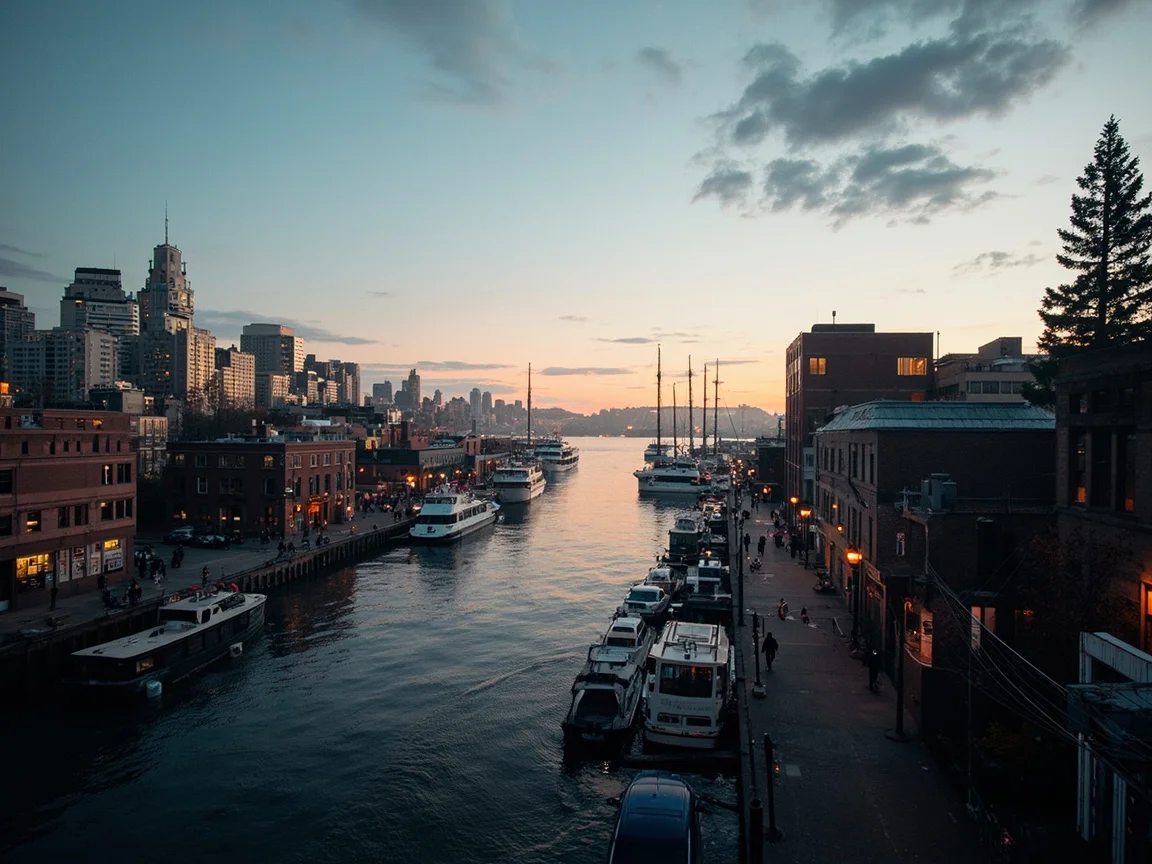
Seattle's overall public safety ranks above average among major U.S. West Coast cities, but the southern end of downtown, parts of Belltown, and areas along the I-5 corridor occasionally see property theft and conflicts involving unhoused individuals at night. According to public data from the Seattle Police Department in 2024, property crimes in the three downtown precincts showed a downward trend year-over year (a decrease of about 7%), and violent crime remained generally manageable. Self-guided tour travelers who need to go out at night are advised to travel in groups, avoid lingering for extended periods at street corners near 3rd Avenue and the edges of Pioneer Square, and use ride-hailing services such as Uber/Lyft instead of walking.
For accommodation, neighborhoods such as Capitol Hill, Queen Anne, Fremont, and Ballard receive favorable safety feedback and offer greater convenience for nighttime outings. If booking hotels downtown or near Pike Place Market, pay attention to room orientation, confirm the room is above the 5th floor, and verify whether the property has access control and a 24-hour front desk.
2. Seattle Outdoor Hiking Risks and Gear Checklist
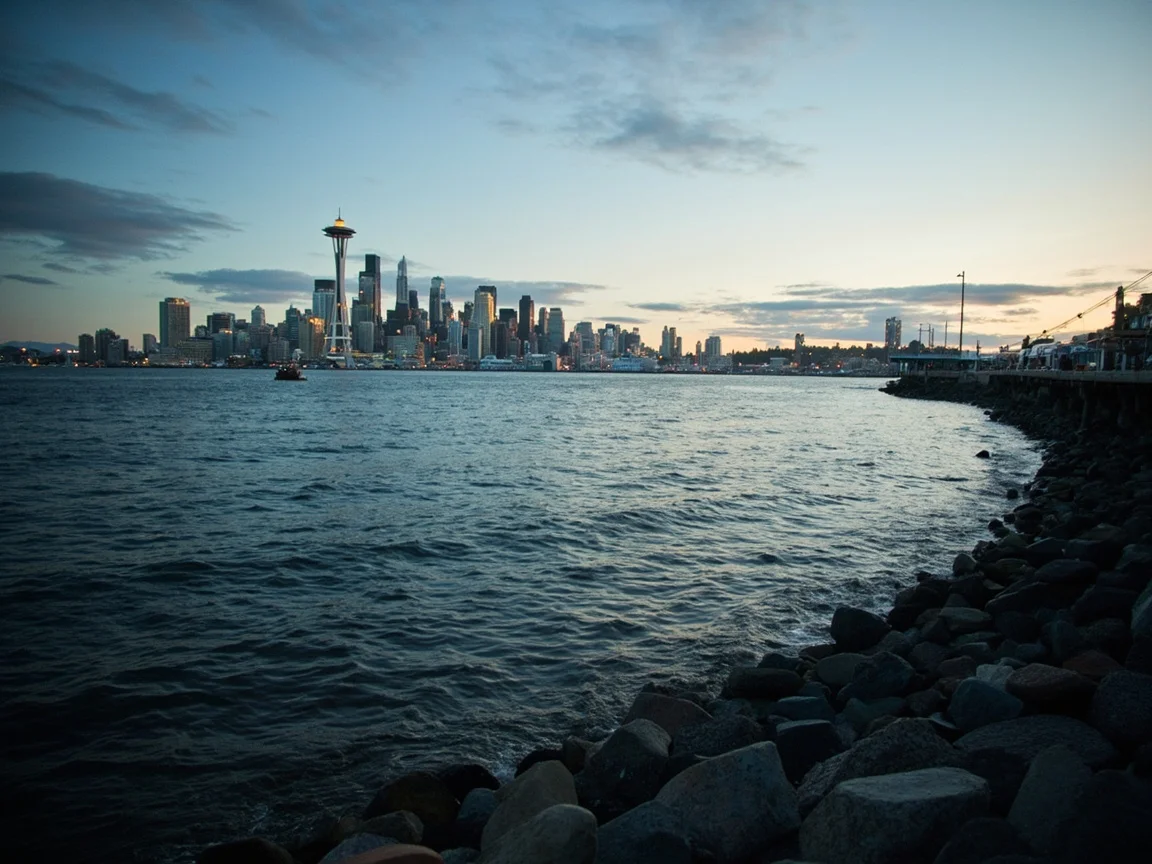
Known as the outdoor capital, Seattle places Rainier Mountain, Olympic National Park, and North Cascades all within 2–3 hours by car. The outdoor segment is a high-risk area for Seattle travel, and self-drive travelers need to focus on three types of risks: sudden weather changes, wildlife, and altitude sickness. According to the mountain hiking guide issued by the NPS (National Park Service) in 2025, Mount Rainier sees an average of 2–3 hiker disappearance incidents per year, the vast majority caused by failing to carry GPS devices or check the weather.
Recommended gear checklist: waterproof hiking boots, layered shell jacket, insulating mid-layer, headlamp, first aid kit, at least 2L of water, and offline maps (Gaia GPS, AllTrails offline packs). In-depth tour travelers planning to tackle Camp Muir or the Wonderland Trail must apply for a wilderness permit in advance on the NPS website and register their itinerary.
3. Seattle Medical Resources and Sudden Illness Response
Seattle's medical resources rank among the best in the United States, with top-tier hospitals including Harborview Medical Center, UW Medical Center, and Virginia Mason. Visitors experiencing sudden illness can call 911 for emergencies or visit a nearby urgent care clinic for minor conditions. According to the seasonal influenza advisory jointly issued by the CDC and the Washington State Department of Health in 2024, Seattle's winter flu season runs from December through February.
Before traveling, it is recommended to purchase international travel medical insurance covering the United States, with particular attention to whether it includes emergency rescue and hospital advance payment. Bring prescription medications in their original packaging along with an English-language prescription to avoid being identified as controlled substances at customs. Patients with chronic conditions can contact local pharmacies (CVS, Walgreens) for short-term prescription refills by presenting a passport and a domestic prescription.
4. Seattle Seasonal Weather and Clothing Guide
Seattle is known as the "Rainy City," but actual precipitation is concentrated between November and March, with about 150 overcast days per year (per 2025 NOAA climate data). Seasonal clothing choices significantly affect health: autumn and winter rain can cause joint discomfort and low mood, so a windproof and waterproof jacket, thick socks, and vitamin D supplements are recommended; summer temperatures often exceed 30°C with strong UV rays, so sunscreen, sunglasses, and plenty of water are essential.
During holidays (such as July 4th Independence Day and Memorial Day), book accommodation and transportation in advance, as downtown Seattle experiences traffic controls due to celebrations, and water activities and coastal hikes should avoid the midday peak sun hours.
5. 8 Things to Avoid When Traveling to Seattle
This section summarizes common pitfalls for self-guided tour and self-drive travelers to help optimize your itinerary:
- Avoid leaving valuables in your car (vehicle break-ins top the property crime list at Seattle attractions).
- Avoid relying solely on phone maps when heading into the mountains (signal dead zones are common; offline maps are essential).
- Avoid opening your wallet and counting cash in public at Pike Place Market.
- Avoid hiking without telling anyone your exact route.
- Avoid getting into ride-hailing vehicles without visible license plates (always verify the license plate and driver name).
- Avoid eating raw shellfish (though Washington State oysters are famous, choose reputable restaurants and ensure proper refrigeration).
- Avoid going to coastal rocks for photos without checking tide times.
- Avoid arriving at the airport only on the last night of a holiday—allow at least a 3-hour buffer.
6. Practical Emergency Contact Channels
Save the following information to reduce response time in emergencies: emergency number 911 (police, fire, medical); non-emergency police line 206-625-5011; tourism police hotline (operated by Visit Seattle) 1-866-724-1222; Chinese Consulate General in San Francisco consular protection hotline (covering Washington State) +1-415-852-5924.
Regarding language barriers, many Seattle hospitals and 911 dispatch centers offer real-time interpretation services. Visitors can also download offline translation apps (such as Google Translate) for contingencies. When exploring food and encountering allergies, it is recommended to write down allergen names in English in your phone's notepad in advance to communicate with restaurant staff.
Frequently Asked Questions
Is Seattle safe? Can I travel alone? Seattle's overall public safety ranks among the top tier of major U.S. cities. Solo travelers should avoid downtown edge areas late at night and choose accommodation in popular neighborhoods; Capitol Hill and Ballard are particularly friendly to solo visitors.
Which months are the safest and most comfortable to visit Seattle? July through September offers stable weather and long daylight hours, making it the best window for outdoor and city sightseeing, with both crime and severe weather risks lower than in winter.
What should I watch out for when self-driving in Seattle? Mountain roads require snow chains in winter. For downtown parking, choose paid garages rather than street meters to avoid fines for time expiration or vehicle break-ins.
Further Reading and References
- Seattle - Wikipedia
- Mount Rainier National Park - NPS Official
- Washington State Tourism - USA Travel
- Seattle Travel Guide - Lonely Planet
- Travel - The New York Times
Following the 7 tips and pitfall-avoidance checklist recommended in this article, prepare a solid safety and health foundation for your Seattle itinerary in advance, and save your energy for the coast, the mountains, and the city itself.
Related articles
Things to Do in Phoenix This Weekend for Adults: How to Get There Most Conveniently — 4 Main Transport Options Compared & Ticket Booking Guide
Planning a trip to Phoenix this weekend but unsure how to get there? This adult-friendly transport guide compares 4 main options — self-drive, flight, train, and local transfers — with details on fares, travel time, and booking channels, plus common pitfalls to avoid. Lock in the quickest, most budget-friendly route and kickstart your Phoenix weekend activities with ease.
Hilton Head TOP 10: Popular Experiences Ranking & Dedicated Travel Guide
A curated TOP 10 ranking of popular Hilton Head experiences and a dedicated travel guide covering ten must-do activities—beaches, golf, nature preserves, and family activities. Highlights are filtered by ranking, with recommended traveler types and best seasons noted. Includes first-time transportation, accommodation, and dining tips to help plan an efficient itinerary and avoid peak-season pitfalls.
9 Practical Tips Only Long Beach Veterans Know: A Hassle-Free Pre-Trip Guide
These 9 practical tips, known only to Long Beach veterans, help you complete all your pre-trip research in one go. From picking where to stay and avoiding restaurant pitfalls, to navigating transport connections and handling seasonal and holiday crowds—every tip comes from firsthand experience. Read this hassle-free guide and skip the mistakes on your Long Beach trip, playing more relaxed and going deeper.
Best Places to Visit in August: A Complete Solo Travel Guide — 7 Safe, Free, and Hassle-Free Itineraries
When traveling alone in August, safety, freedom, and convenience matter most. This guide focuses on best places to visit in august and selects 7 solo trip-friendly destinations, covering safe areas, self-guided travel pacing, and hassle-free arrangements. The first half answers the top 3–5 questions solo travelers care about most, while the second half lists common pitfall tips to help you efficiently plan your solo August trip, with food, accommodation, and transport covered in one go.
A professional and thoughtful travel assistant website, dedicated to building a one-stop platform for trip planning and destination exploration. The platform brings together a wealth of high-quality travel resources, delivering diverse itinerary inspiration covering niche domestic getaways and popular overseas destinations. It also offers detailed and practical travel guides, including dining and accommodation recommendations, transportation tips, and pitfall avoidance advice, along with smart travel tools that customize suggestions based on trip duration, budget, and preferences, simplifying the complex preparation process and making every trip stress-free and full of new experiences.
View all articles →