
Taos vs Similar Destinations: Pros and Cons of 3 Popular Options and a Selection Guide
How should you choose between Taos and similar destinations? This article focuses on travel safety, systematically comparing crime data, medical resources, blizzard and earthquake response, emergency contacts, solo female travel, and theft prevention for 3 popular options, and provides a clear selection guide. Ideal for self-drive, self-guided, and in-depth tour travelers, helping you quickly determine whether Taos suits your itinerary and seasonal plans.
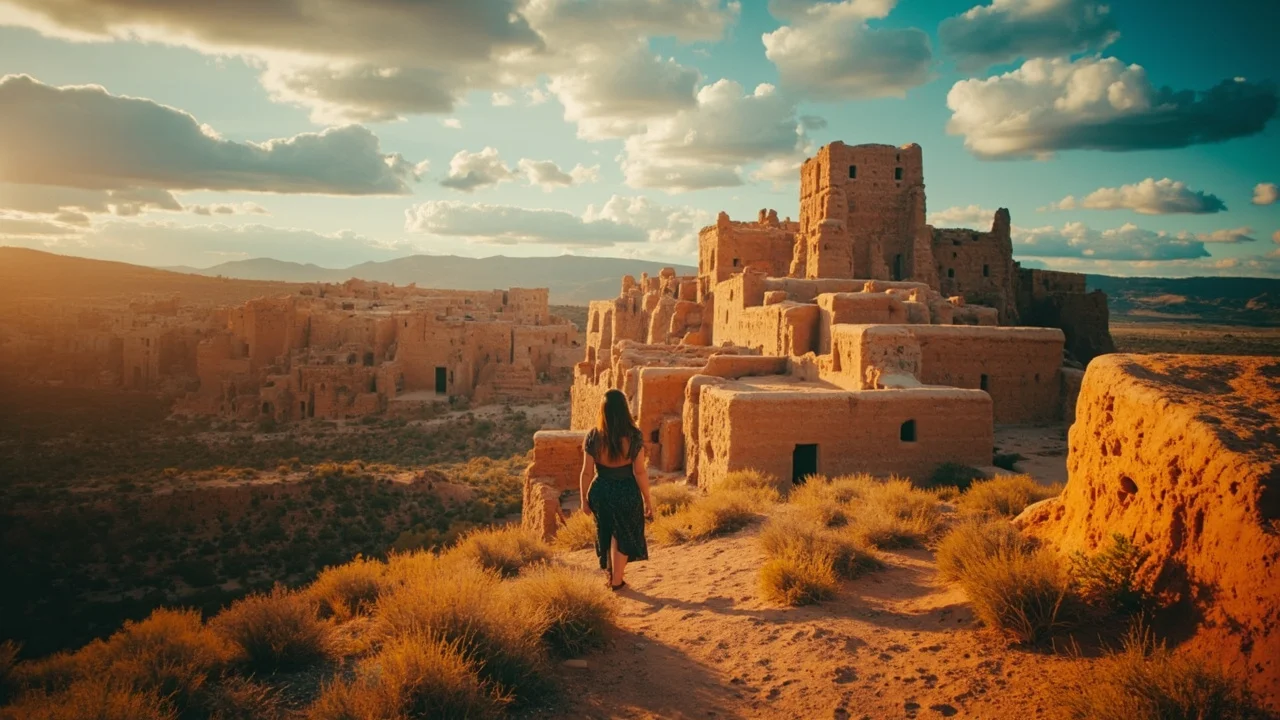
Taos Comparison: Hit a Blizzard on a Winter Self-Drive — Which of Three Destinations Should You Pick?
Taos sits in a high-altitude mountain region where winter cold, snowfall, and icy roads are common, especially around Taos Ski Valley, Highway 675, and the surrounding mountain passes. If you're planning a self-drive between December and the following March, prioritize renting a vehicle with four-wheel drive or all-wheel drive and winter tires, and break your itinerary into short daytime segments. Before departure, check road conditions with the New Mexico Department of Transportation; if a road is closed, don't detour onto unpaved mountain roads.
Santa Fe is also at high elevation, with possible early-morning ice in winter, but as a larger city it generally offers more snow removal and a wider range of accommodation. Albuquerque sits at a lower elevation with milder winters, making it better suited to combining outdoor activities with urban dining. In all three destinations, avoid long-distance night driving after a blizzard warning, and don't rely solely on navigation to judge whether a mountain road is safe.
If your core goal is skiing, snow-mountain scenery, and a sense of seclusion, put Taos first. If you want a balance of cultural venues, restaurants, and transport convenience, Santa Fe is more well-rounded. For first-time visitors hoping to complete a multi-day self-guided trip with lower complexity, Albuquerque is usually the easiest option.
Which City Is Safer for Self-Guided Travel and Solo Female Travelers?
Choosing a destination shouldn't rely only on the overall city crime rate — you should also look at specific neighborhoods, accommodation locations, business hours, and nighttime walking conditions. Taos town center and the area around Taos Pueblo are fairly walkable during the day, but commercial areas are spread out and nighttime public transit is limited. In the main pedestrian areas of downtown Santa Fe and downtown Albuquerque, the sense of safety can also vary noticeably by neighborhood beyond those zones, so don't draw conclusions based solely on a city's reputation.
For solo female travel, choose accommodation near main roads with a 24-hour front desk and a well-lit parking area, and avoid walking late at night from bar districts to remote guesthouses. For late-night arrivals, pre-book a legitimate taxi or rideshare, and don't accept unsolicited touts at the airport or around stations. Keep valuables, documents, and a backup bank card in separate places, and never leave all your luggage inside the car.
Avoid labeling any of the three destinations simply as "absolutely safe" or "very dangerous." A more useful approach is to narrow your radius: in Taos, focus on the arts district, the Pueblo, and main roads; in Santa Fe and Albuquerque, prioritize blocks with foot traffic and good lighting at night. If you experience harassment, stalking, or a suspicious tail, immediately enter an open business and call 911 — do not go alone to a location suggested by the other party.
Medical Resources and Earthquake Risk: How Should You Assess Travel Safety in Taos?
Taos has a community hospital, clinics, and pharmacies, but complex emergencies, specialist treatment, and large-scale medical equipment usually require going to Santa Fe or Albuquerque. Before a long self-drive, prepare basic medications, English names of prescription drugs, your insurance card, and allergy information, and confirm in-network hospitals. U.S. medical costs are high, and a serious illness or accident can quickly produce a large bill; when buying travel health insurance, check the emergency medical, hospitalization, emergency evacuation, and pre-existing condition exclusion clauses.
Western New Mexico has seismic activity, but you can't assume any one town is more dangerous simply because earthquakes have occurred there. When staying in older stone buildings or rural guesthouses, ask in advance about evacuation routes, fire extinguishers, and emergency exits; if you feel noticeable shaking, stay away from windows, light fixtures, and unsecured heavy objects, and don't drive across a bridge while a building is shaking.
Avoid mistaking altitude sickness for ordinary fatigue. Some parts of Taos are at high elevation; if you develop headaches, nausea, or shortness of breath while hiking or skiing, stop ascending and hydrate; if symptoms worsen, seek medical care promptly. For emergencies, dial 911; for non-urgent medical issues, contact the local hospital or clinic. International travelers should also note the emergency contact details for the United States embassies and consulates abroad and for their insurance provider.
Taos Similar Destinations: Who Are Taos, Santa Fe, and Albuquerque Each Best For?
Taos's strengths are its Indigenous culture, Taos Pueblo, mountain scenery, and artistic traditions, making it ideal for in-depth tour travelers, photographers, skiers, and those willing to accept a smaller city's pace. The downsides are scattered accommodation, fast-changing winter weather, and limited options for nightlife and specialist medical care. It's best to concentrate your itinerary in a few areas and reduce daily cross-city travel.
Santa Fe suits visitors who value museums, galleries, food, and historical atmosphere, with rich urban cultural resources and relatively complete medical and transport infrastructure. The drawback is higher accommodation prices during peak holidays and crowding around the Old Town area. Albuquerque offers a richer airport, downtown services, and dining choices, making it suitable for families, seniors, travelers who need flexible transport, or self-guided tourists incorporating multiple national parks into their itinerary; the city is large, and some areas aren't ideal to explore on foot alone.
A simple standard for choosing: if "mountain views and cultural experience" matter more than "convenience," prioritize Taos; if "a balance of exhibitions, dining, and medical care" matters more, choose Santa Fe; if "flights, accommodation tiers, and an easy urban experience" come first, Albuquerque is the safer bet. Season should also factor in: in winter, prioritize safety and road conditions; spring and fall suit outdoor routes; in summer, take sun protection, stay hydrated, and avoid afternoon heat.
Avoid Doing This: Common Mistakes When Comparing Taos vs Similar Destinations
First, don't look only at crime statistics and ignore accommodation location. All three destinations can see theft, vehicle break-ins, and property loss. Don't leave cameras, bags, luggage, or accommodation details visible on your navigation device in the car. When parking, lock the doors, use parking lots that are lit, monitored by cameras, or staffed where possible, and check the back seat and trunk before leaving the vehicle.
Second, don't treat a short distance as inherently safe. Attractions around Taos may look close together, but mountain roads, rural routes, and winter conditions can significantly extend travel time. Plan only one main area per day, allow time for fuel, supplies, and weather delays; when renting a car, confirm roadside assistance, spare tires, charging options, and mountain driving restrictions.
Third, don't overlook high-risk items in your insurance policy. Standard travel insurance may not cover skiing, rock climbing, horseback riding, hiking rescue, or other high-risk outdoor activities. Before buying, verify each activity type, emergency medical coverage, rental car damage, and trip cancellation terms item by item, and keep a digital copy of your policy and the claims phone number.
Fourth, don't rely on a single navigation app. Signal can drop, and navigation may lead you onto unpaved roads. Download offline maps, carry a paper address, and set up at least one backup route; if you encounter wildlife, flooded road sections, or closure notices, turn around — don't force your way through to complete a checklist.
Fifth, don't overlook holiday crowds. During Taos Pueblo events, art festivals, ski season, and U.S. holidays, popular areas and roads can be more crowded. Choose accommodations with free cancellation where possible, confirm parking rules, front desk hours, and late-arrival procedures in advance, and avoid arriving only to find yourself scrambling due to full bookings or last-minute switches.
Frequently Asked Questions
Which Is Better for Solo Female Travelers — Taos, Santa Fe, or Albuquerque?
There is no absolutely safe option. Taos suits travelers who can narrow their radius and self-drive; Santa Fe and Albuquerque offer more complete urban services. Solo travelers should stay in legitimate, well-lit accommodation, use legitimate vehicles late at night, and not share lodging or itinerary details with strangers.
Do You Have to Rent a 4WD for a Winter Self-Drive in Taos?
Four-wheel drive or all-wheel drive improves starting traction but doesn't shorten braking distance. For Taos mountain areas in winter, a vehicle with winter tires is recommended; check road conditions before departure, and avoid driving up the mountain at night during blizzard warnings.
Should I Buy Travel Insurance for All Three Destinations?
It's recommended to buy insurance that includes emergency medical, hospitalization, rental car damage, and emergency evacuation. If you plan to ski or take part in high-risk outdoor activities, also confirm whether those activities are covered, and keep your policy and claims phone number handy.
Further Reading / References
- Overview of Taos and New Mexico
- U.S. National Park Service Travel Safety Tips
- Official New Mexico Tourism Information
- Lonely Planet New Mexico Travel Guide
A note for readers: first consider the season and transport, then look at safety and medical needs; finalize accommodation, rental car, and insurance before you pay, and Taos — along with the other two cities — can become a more reassuring self-guided travel choice in the United States.
Related articles

best time to visit yellowstone with kids Food Map: 7 Must-Try Local Dishes & Hidden Street Flavors
Built around the primary keyword "best time to visit yellowstone with kids", this food map spotlights 7 must-try local dishes and street eats across lunch, dinner, and dessert scenarios. From a travel-safety angle, it flags restaurant hygiene, drinking-water safety, children's allergen identification, and food-poisoning emergency response — helping parents avoid high-risk stalls and turn the Yellowstone trip into a worry-free family food adventure.
Guadalupe Mountains National Park Travel Guide 2026: Latest Must-See Attractions, Routes & Practical Tips
The fully updated 2026 Guadalupe Mountains National Park travel guide covers must-see attractions, itinerary planning, and budget, plus safety data, medical resources, natural hazard response, and anti-theft tips for solo female travelers—helping you explore Texas's highest peak with peace of mind.
Theodore Roosevelt National Park 2026 Budget Checklist: Smart Allocation for Transportation, Lodging, Dining & Entrance Fees
Planning a 2026 trip to Theodore Roosevelt National Park but worried about blowing your budget? This checklist breaks down practical allocation across transportation, lodging, dining, and entrance fees. Whether you prefer a self-drive or a self-guided tour, you'll find money-saving tips and value-for-money options that make every dollar count—keeping your itinerary stress-free.
How to Enjoy the Ozarks with Kids: 6 Family-Friendly Activities & Pacing Tips
Wondering how to enjoy the Ozarks with kids while keeping peace of mind? This guide takes a travel-safety angle and offers 6 family-friendly activities and pacing tips, covering local safety data, medical resources, insurance tips, natural disaster preparedness, emergency contacts, and anti-theft tips for valuables—helping family travelers plan a safe and relaxed Ozarks trip.
A professional and thoughtful travel assistant website, dedicated to building a one-stop platform for trip planning and destination exploration. The platform brings together a wealth of high-quality travel resources, delivering diverse itinerary inspiration covering niche domestic getaways and popular overseas destinations. It also offers detailed and practical travel guides, including dining and accommodation recommendations, transportation tips, and pitfall avoidance advice, along with smart travel tools that customize suggestions based on trip duration, budget, and preferences, simplifying the complex preparation process and making every trip stress-free and full of new experiences.
View all articles →