
Texas Hill Country Safety & Health: 7 Must-Know Tips for a Worry-Free Trip
Texas Hill Country is one of the most popular in-depth tour destinations in Texas, but mountain driving, sudden weather changes, and outdoor activities all carry hidden risks. This article compiles 7 up-to-date safety and health tips for 2026, covering rental car checks, motion sickness relief, venomous snakes and insects, emergency contacts, and hospital locations—helping you plan a calmer, more confident Texas Hill Country itinerary, ideal for families and self-guided travelers.
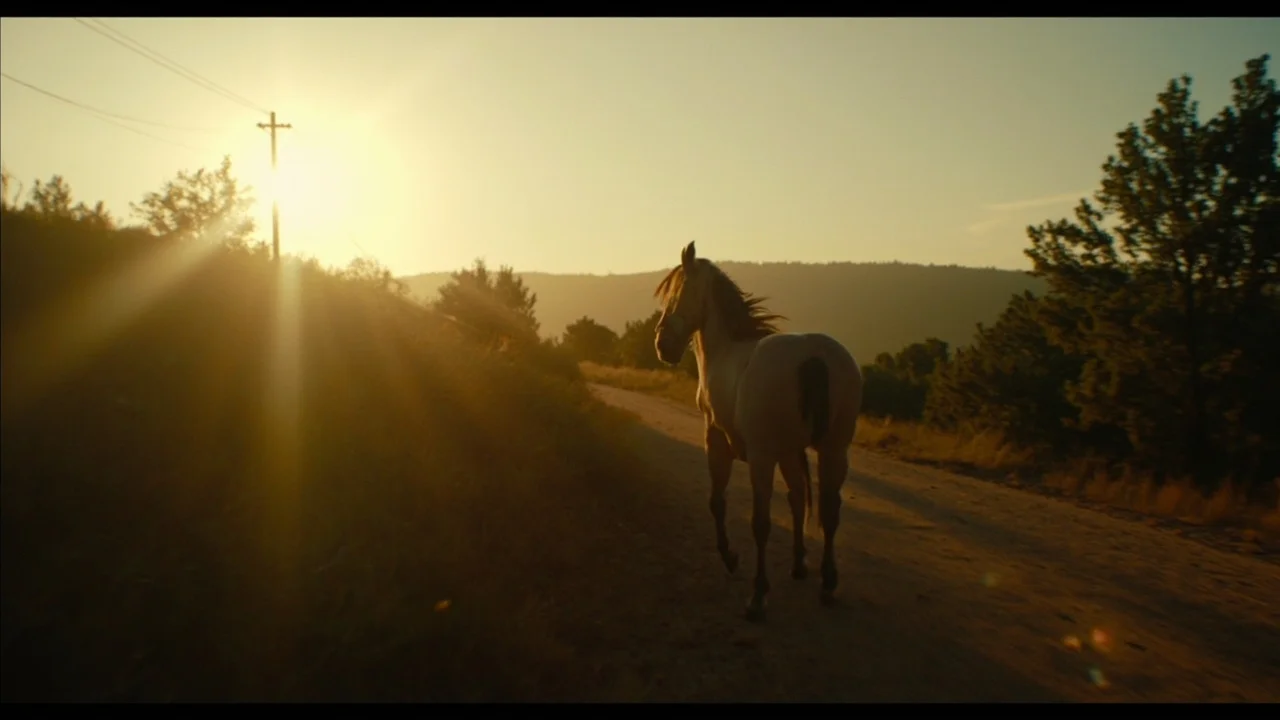
How to Drive Safely in the Hills? Texas Hill Country Road Conditions at a Glance
For first-timers taking a car into the Texas Hill Country, the most common question is "Are the country roads easy to drive?" The answer is both reassuring and requires caution: the main highways (US 290, TX 46, RM 12) are all paved two-lane roads, but the Farm-to-Market Roads between ranches are full of curves and elevation changes, with no street lighting at night. Drive during daylight, sound the horn lightly before curves, and slow down to yield to cattle and deer. If you plan to visit Lost Maples State Natural Area (according to 2025 data from the Texas Parks and Wildlife Department, the park receives about 180,000 visitors per year), the switchback grades can reach 8%, so novice self-drivers should assess their stamina and vehicle condition. When renting a car, make sure ABS, tire-pressure warning systems, and a spare tire are all included, and save the rental company's 24-hour roadside assistance number to your phone.
How to Handle Sudden Weather? Texas Hill Country Seasonal Health Tips
Spring and fall (March–May, September–November) are the most comfortable travel windows for Texas Hill Country, but the weather can still switch "from summer to storm in a heartbeat." April averages 12–26°C, yet the same day can bring 30°C heat alongside a hailstorm warning. During the rainy season (May–June, September–October), flash floods are common, and campsites along the Guadalupe River and Frio River are often closed on short notice. Check the National Weather Service Austin/San Antonio forecasts 24 hours before heading out; if the chance of rain exceeds 60%, consider adjusting your plans and avoid hiking at night or camping in river valleys. Pack a light rain jacket and non-slip shoes—more practical than scrambling to find a convenience store.
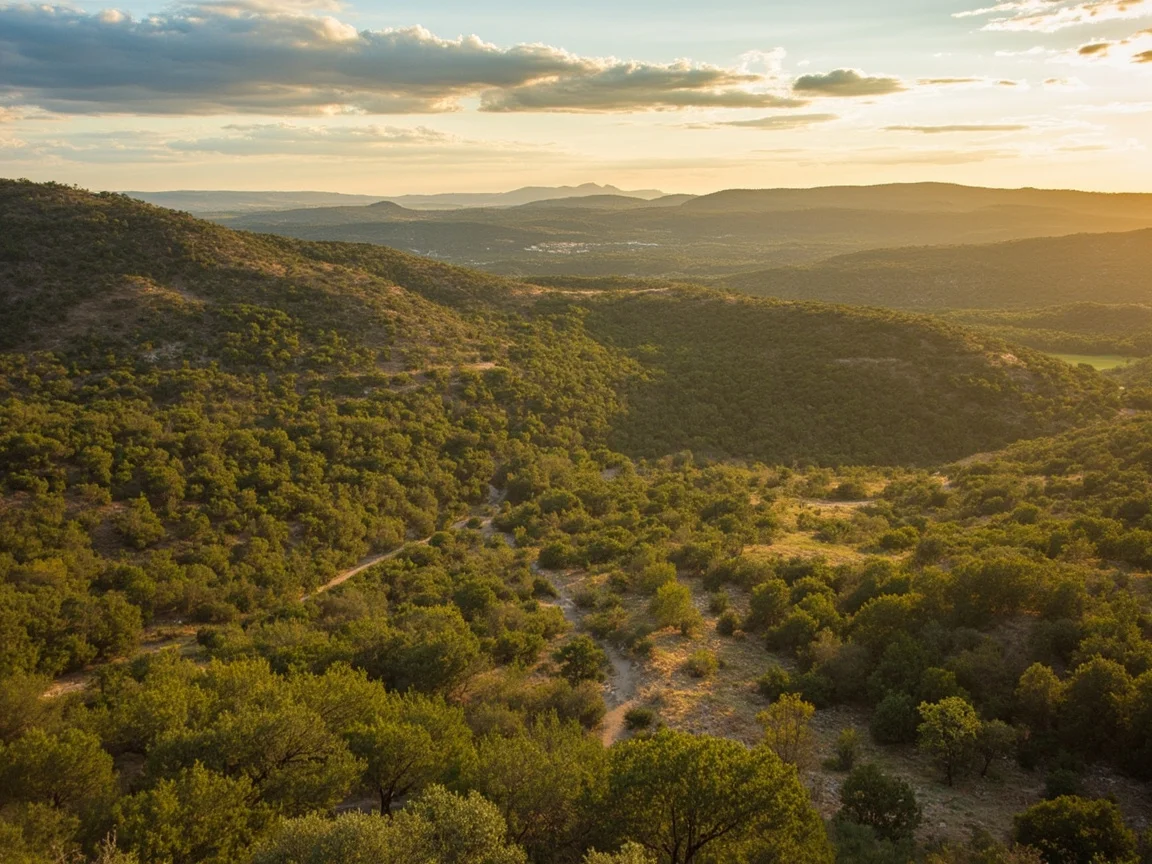
What Hidden Risks Lurk Outdoors? Venomous Snakes, Ticks, and Heatstroke
This limestone terrain is home to western diamondback rattlesnakes, copperheads, and cottonmouths, which are active from April through October. When hiking, wear ankle-high sturdy shoes, avoid turning over rocks, and step back two paces immediately if you hear a rattle. Ticks are another major threat and can transmit Lyme disease; do a full-body check within 2 hours of returning indoors, and groom pets as well. Summer afternoon temperatures regularly exceed 35°C, and heatstroke cases are frequent. Follow the "before 10 a.m. and after 4 p.m." hiking rule, drink at least 500ml of water per person per hour, and carry electrolyte powder with you.
Where to Go in a Medical Emergency? Hospitals & Emergency Contact List
For self-guided travelers, emergency resources are a top concern. Within Texas Hill Country, tertiary hospitals are concentrated in Fredericksburg, Kerrville, and San Marcos, while most small rural towns only have Urgent Care clinics. If a car accident or medical emergency occurs during a self-drive, dial 911 (nationwide); non-English speakers can request Spanish or Chinese translator services. Rental car insurance must include Roadside Assistance and Medical Coverage. Sync your itinerary with family back home, keep a digital copy of your rental agreement, and screenshot your hotel address—these three steps can save precious time in an emergency.
Food & Lodging Pitfalls? The 7-Point "Avoid This" Checklist
Many people only remember photographing the bluebonnet fields and forget that local dining and lodging come with their own health and safety traps. Below is a 7-point "avoid this" checklist, compiled along our recommended route:
- Don't drink fresh-squeezed juice or unpasteurized apple cider from roadside stalls—Listeria clusters have occurred in rural Texas.
- Don't leave BBQ leftovers in the car for more than 2 hours; summer cabin temperatures can hit 60°C+ and cause food poisoning.
- Avoid booking unrated, old wooden Airbnb cabins—prioritize listings with fire extinguishers, smoke detectors, and clear cancellation policies (reference genuine Booking.com reviews).
- Don't park overnight on Fredericksburg's Main Street without locking your car—theft incidents spike during holiday travel seasons.
- Avoid walking into popular BBQ spots (Salt Lick, Cooper's) on weekends without a reservation—waits can exceed 90 minutes; book at least 1 week ahead.
- Don't head out with only a credit card—some gas stations and farm stands are cash-only.
- Avoid booking lodging less than 3 months ahead for holidays (the weekend after Thanksgiving, Easter)—prices can triple.
FAQ
What is the safest month to visit Texas Hill Country? Late March and early November bring 15–25°C temperatures, the fewest venomous snakes and mosquitoes, making these the best windows for in-depth tours and family trips.
Which rental car insurance coverage is essential? At minimum, include LDW (Loss Damage Waiver), SLI (Supplemental Liability Insurance), and Roadside Assistance—budget around $25–35 per day.
What should I keep in mind when traveling with kids? Avoid outdoor activities during summer afternoons, prepare child-safe tick repellent and electrolyte drinks, and book accommodations with door locks and fencing.
Further Reading & References
- Texas Hill Country Wikipedia
- Texas State Parks official camping and weather guide (NPS)
- Visit Texas official tourism site
- Lonely Planet Southern USA road trip guide
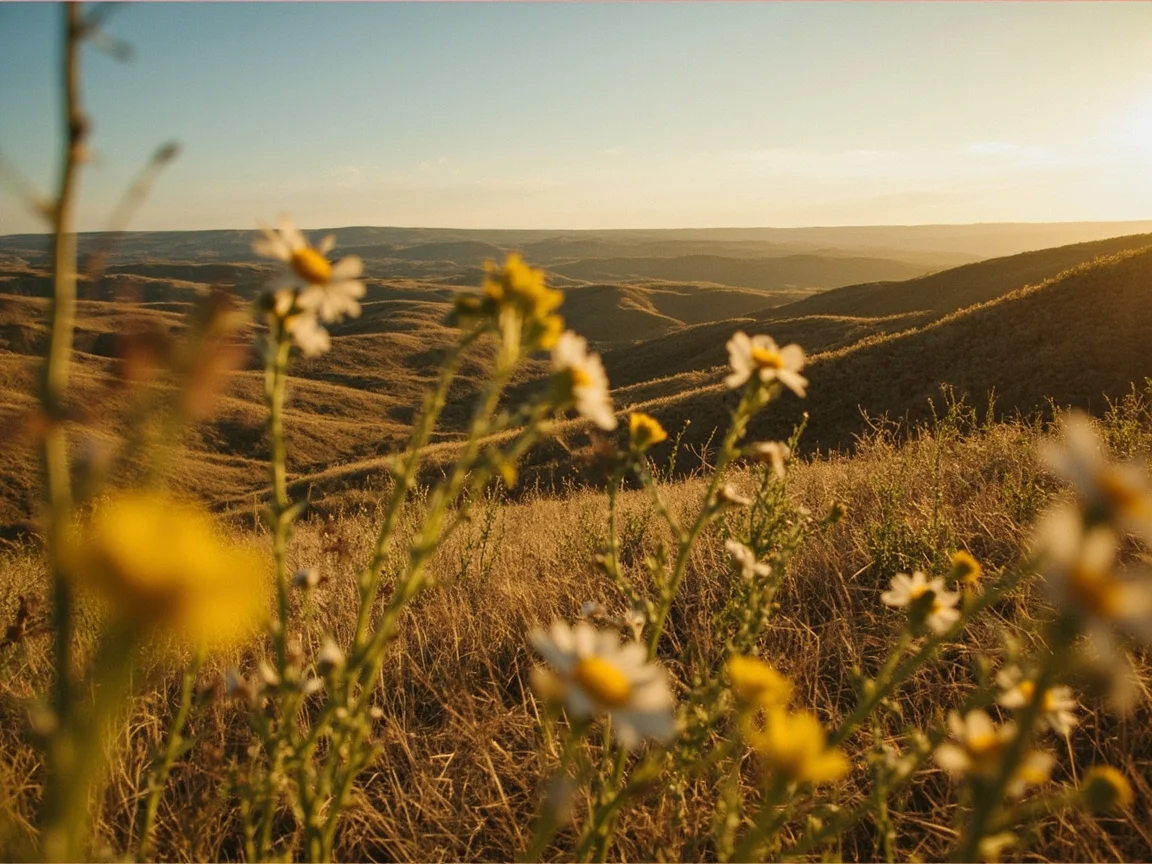
Pack these 7 must-know tips into your checklist, and Texas Hill Country's bluebonnet fields, sunset ranches, and small-town taverns will become your own relaxed in-depth USA tour.
Related articles

Weather in Austin in October: How to Get There Most Conveniently — A Comparison of 4 Main Transportation Options and a Ticket Booking Guide
What's the most convenient way to get to Austin in October? This article systematically compares ticket prices, travel times, and ideal travelers across four main transportation options — flights, trains, self-drive, and long-distance buses. Combined with October weather and passenger flow characteristics, it offers ticket-purchase timing tips and a common pitfall-avoidance checklist to help travelers lock in the most suitable plan in one go.
Capitol Reef National Park TOP 10: Popular Experience Rankings & Dedicated Trip Guide
Planning a dedicated trip to Capitol Reef National Park? This TOP 10 ranking of popular experiences covers Scenic Drive viewpoints, Hickman Bridge hiking, and hidden canyon gems you can't miss. Combined with practical tips for first-time visitors, recommended itineraries, and seasonal planning to help you map out an efficient route without regrets.

9 Insider Tips for Arlington Only Regulars Know: A Hassle-Free Pre-Trip Guide
9 insider tips for Arlington only regulars know, helping you sort out pre-trip prep in one go. This guide covers transportation, accommodation, food, seasonal and holiday pitfall avoidance, curating Arlington tips and seasoned recommendations into a practical checklist so you can skip the detours and travel with peace of mind.

Complete Breckenridge Solo Trip Guide: 7 Safe, Free and Hassle-Free Arrangements
This complete Breckenridge solo trip guide offers 7 safe, free and hassle-free arrangements, covering accommodation choices, dining recommendations and seasonal travel tips. Whether you're planning your first solo trip to Breckenridge or you're an experienced solo traveler, this guide helps you avoid common pitfalls with full breakdowns on transport connections, nighttime safety and itinerary pacing, making your Breckenridge solo trip easier and more relaxed.
A professional and thoughtful travel assistant website, dedicated to building a one-stop platform for trip planning and destination exploration. The platform brings together a wealth of high-quality travel resources, delivering diverse itinerary inspiration covering niche domestic getaways and popular overseas destinations. It also offers detailed and practical travel guides, including dining and accommodation recommendations, transportation tips, and pitfall avoidance advice, along with smart travel tools that customize suggestions based on trip duration, budget, and preferences, simplifying the complex preparation process and making every trip stress-free and full of new experiences.
View all articles →