
Theodore Roosevelt National Park Travel Guide: 2026 Must-Visit Attractions, Routes & Practical Tips
Theodore Roosevelt National Park is a renowned national park in North Dakota, USA, famous for its colorful canyons, free-roaming bison herds, and the historical footprints of President Roosevelt. This guide compiles the latest must-visit attractions for 2026, including the South Unit Scenic Drive, Maah Daah Hey Trail, and Painted Canyon Overlook, along with the best months to travel, self-drive route planning, camping and lodging options, and entrance fee budgets—practical tips to help you efficiently plan your Theodore Roosevelt National Park itinerary.
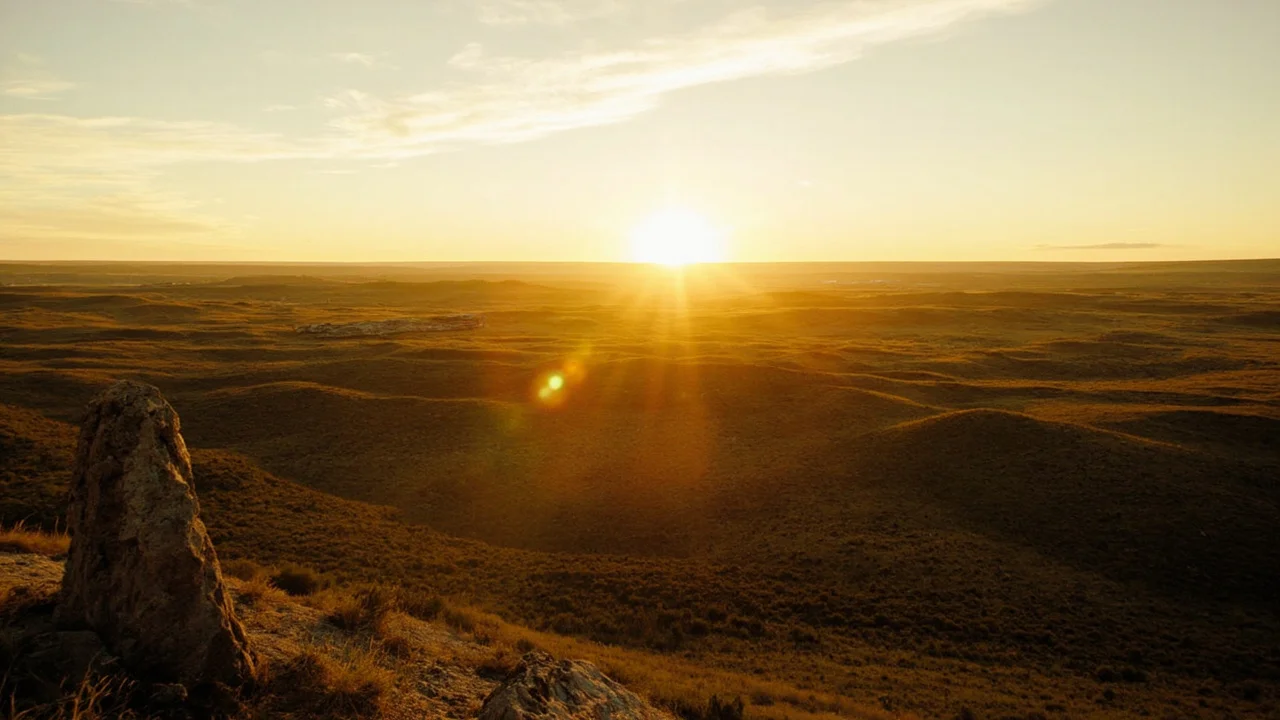
Theodore Roosevelt National Park Overview: A First Impression of Wilderness from Canyons to Prairies
When it comes to the American West wilderness, most travelers think of Yellowstone or the Grand Canyon first, but Theodore Roosevelt National Park in North Dakota is equally worth a dedicated trip. According to NPS official 2025 visitor statistics, the park receives approximately 700,000 visitors annually. Though modest in size, it is renowned for its well-preserved badlands terrain, free-roaming American bison herds, and the spiritual legacy of the 26th President Roosevelt, and has been named by Travel + Leisure as one of the "most underrated national parks in America."
Roosevelt once described this land as "a romance of the open country…for the men who ride and the men who roam," and it still retains the same character it had at the turn of the last century. From the Old West charm of the town of Medora to the colorful rock formations and prairies of the two main units, each season offers a distinctly different experience. For your 2026 travel plan, this article will lay out all the essential information in one place: must-visit attractions, best months to travel, self-drive routes, lodging, and entrance fee budgets.
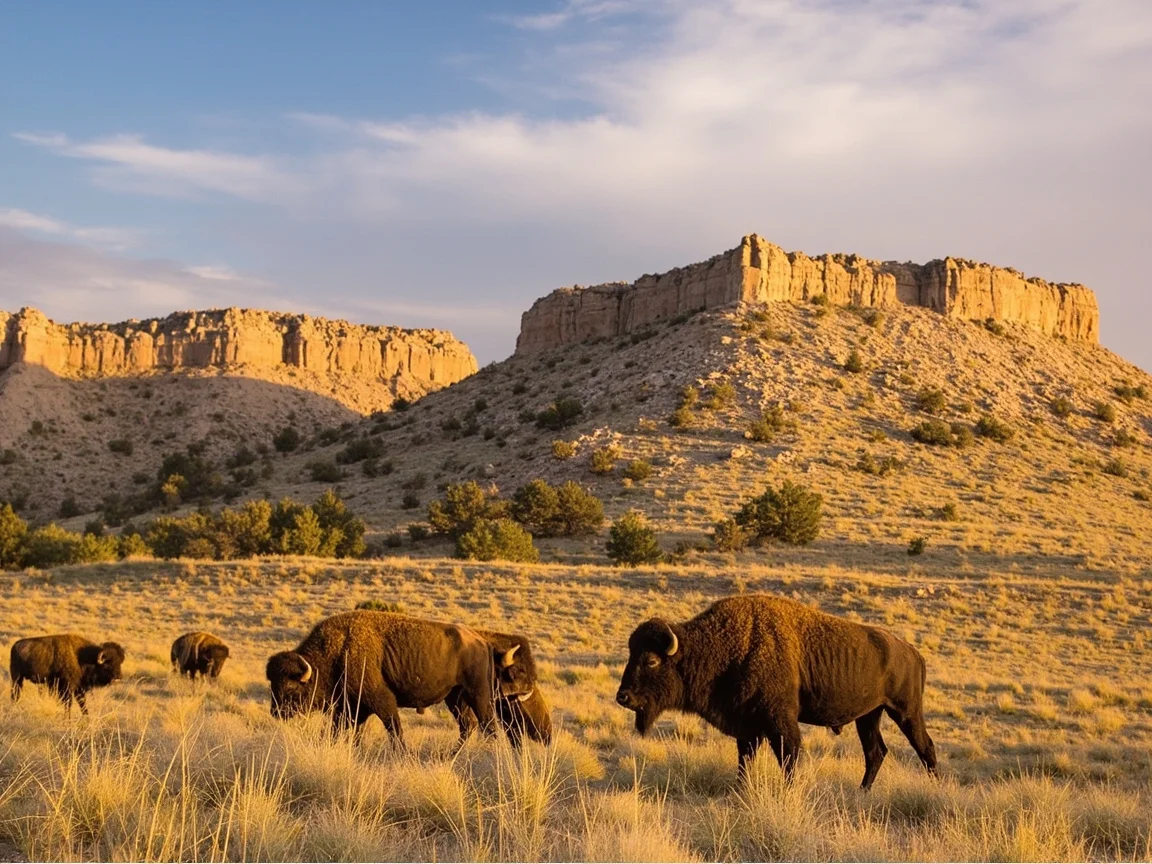
2026 Must-Visit Attractions: Colorful Rocks, Bison, and Roosevelt's Footsteps
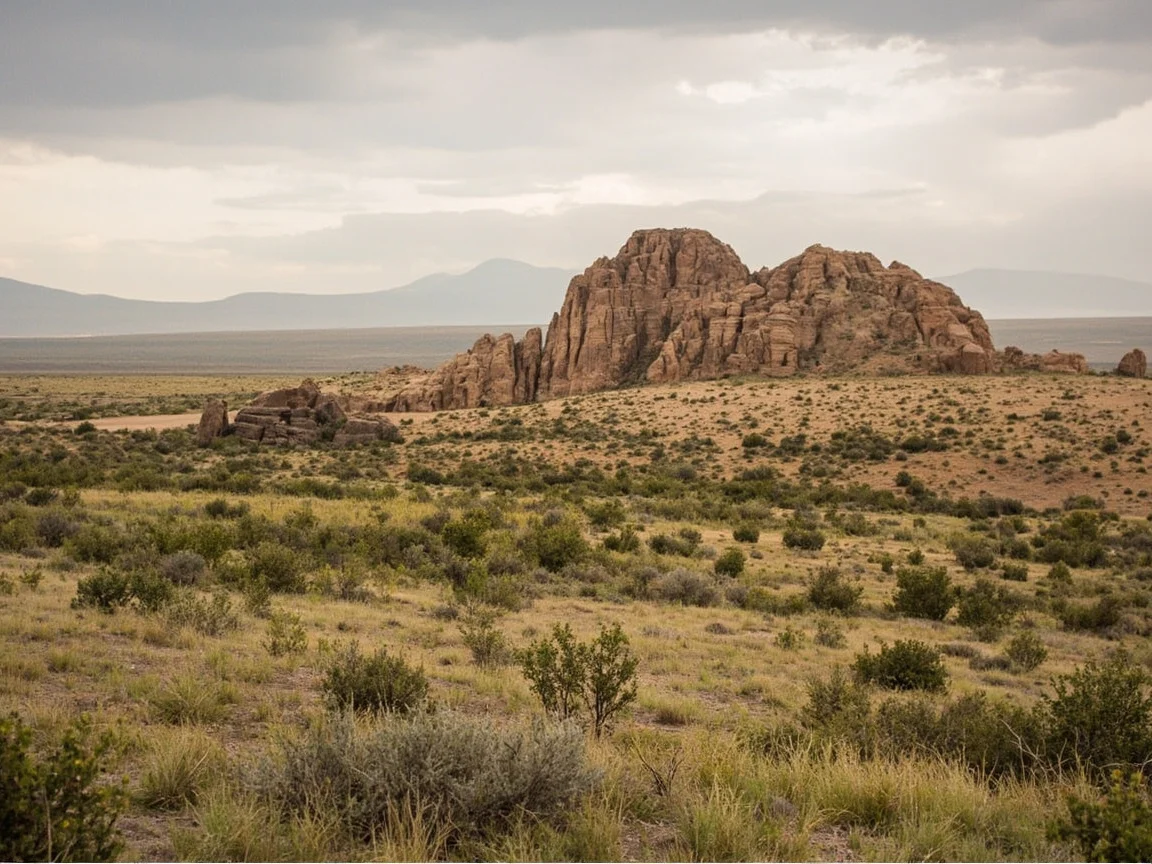
Theodore Roosevelt National Park is divided into three sections: the South Unit, North Unit, and the remote Elkhorn Ranch Unit, with 90% of visitors concentrated in the first two. The South Unit is just steps from Medora, featuring a roughly 36-mile scenic driving loop with pullouts at Painted Canyon, Spectacles, Buck Hill, and other viewpoints. The Painted Canyon Visitor Center, located right off I-94, is the first stop for travelers entering from east to west, offering a sweeping view of canyon-like layers of orange-red rock—an ideal starting point for the journey.
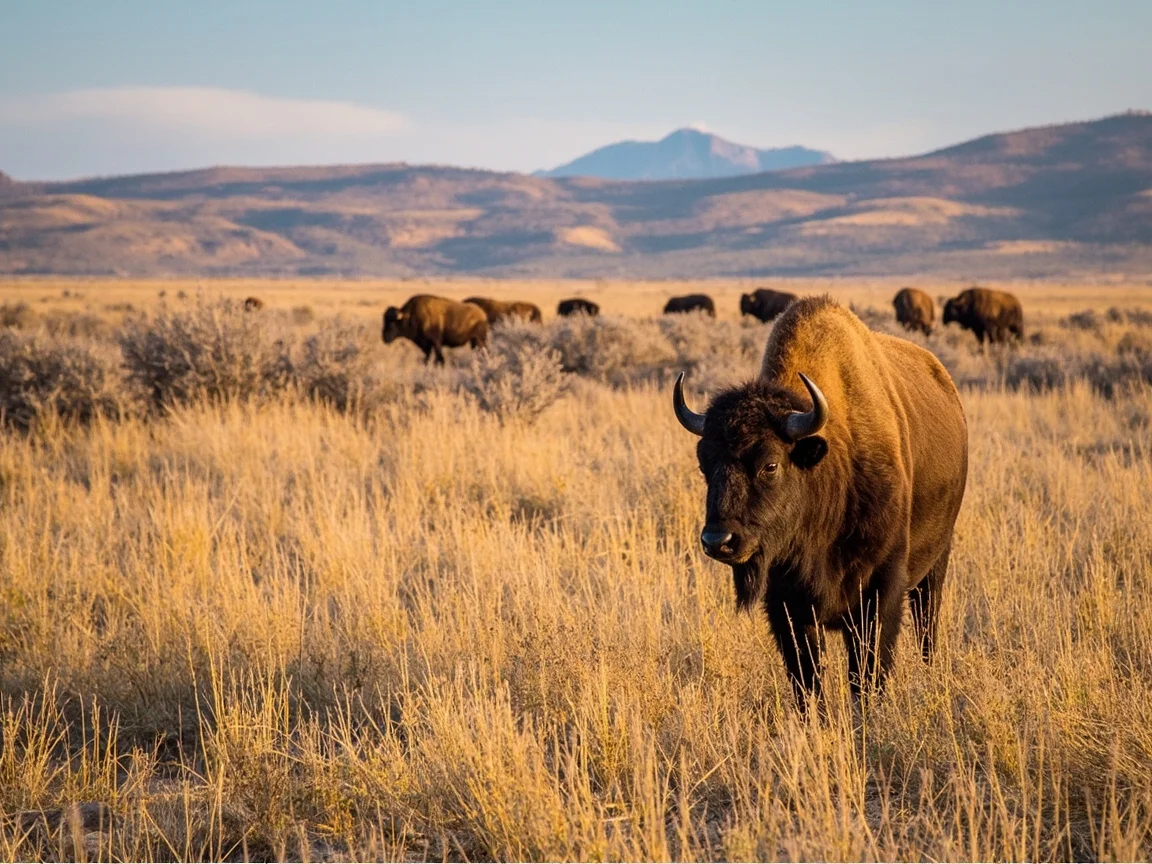
The North Unit feels wilder and more rugged. From River Bend Overlook, you can gaze out at the Little Missouri River winding through the badlands, with American bison, pronghorn, and prairie dogs commonly spotted along the way. If time allows, take the short Caprock Coulee Trail (a 4.4-mile loop) to venture deep into the transition zone between colorful rock layers and prairie. Travelers interested in Roosevelt's history should not miss the Elkhorn Ranch site, which requires a high-clearance vehicle to reach via a dirt road and offers a true sense of wilderness solitude.
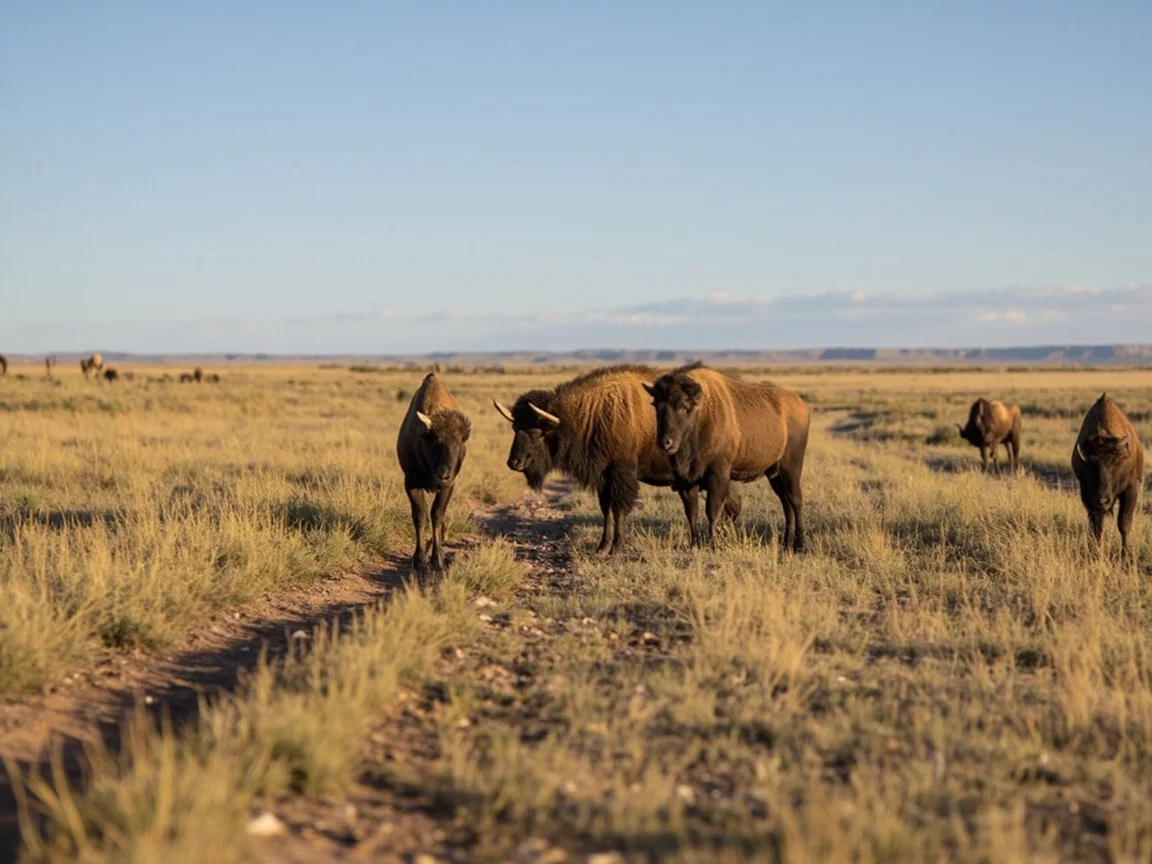
Self-Drive Route Planning: A Two-Day South & North Unit Itinerary
For first-time self-guided travelers, the classic approach is a "South & North Units Two-Day Tour." On the first day, depart from Medora in the morning and complete the South Unit Scenic Drive counterclockwise, with key stops at Painted Canyon, Wind Canyon, and Peaceful Valley Ranch; in the afternoon, head to the North Unit (about a 2-hour drive) and overnight in Watford City. On the second day, catch the morning light to photograph bison in the North Unit, then drive back to I-94 in the afternoon.
For a more in-depth experience, add a section of the Maah Daah Hey Trail—a nationally recognized premier mountain biking and hiking route stretching 144 miles. Beginners only need to tackle 1–2 miles to get a feel for its appeal. The park's official app offers offline map downloads, and since signals can be weak in busy areas, it's recommended to pre-load maps in advance. For entrance fees, a single vehicle costs $30 for 7 days, covering both the South and North Units; America the Beautiful annual pass holders enter free.
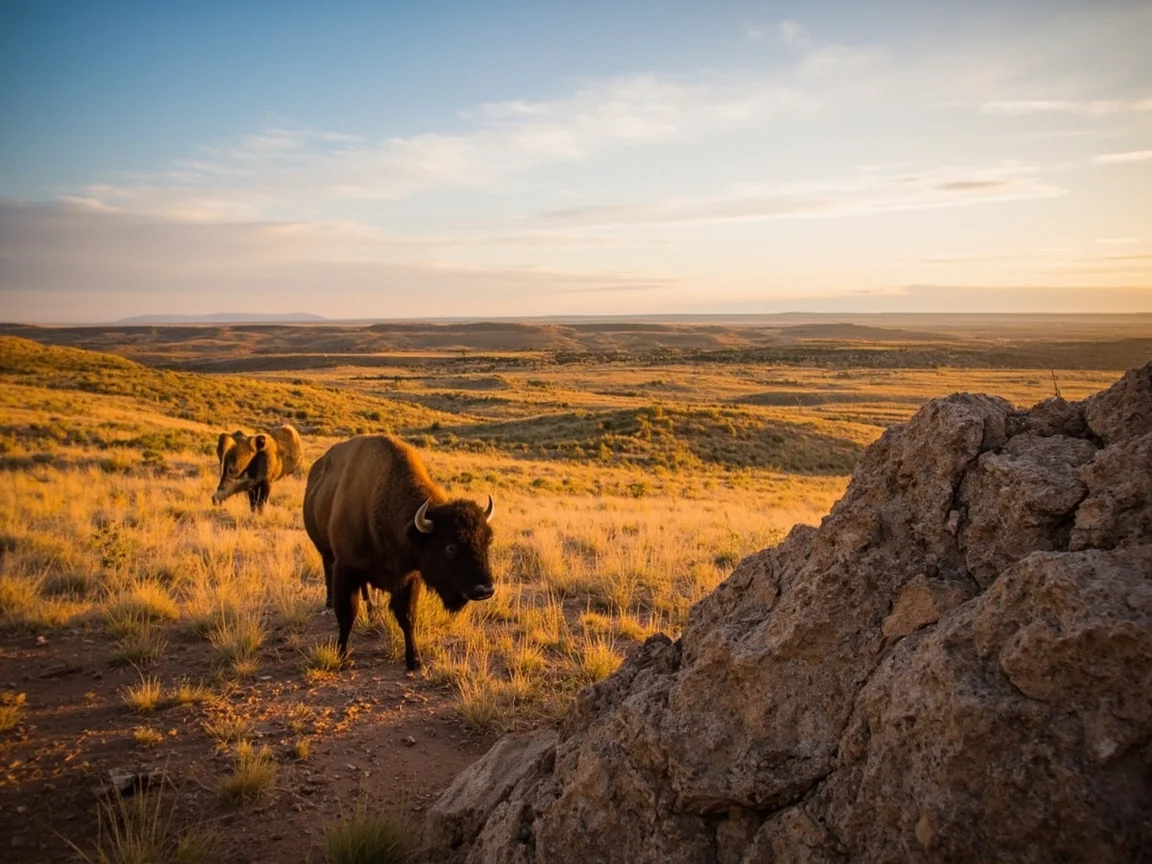
Best Time to Visit & Seasonal Experiences
Theodore Roosevelt National Park has four distinct seasons, but the vast majority of visitors come between May and October. June through August brings lush green prairies and active bison, making it the peak season for wildlife viewing, with temperatures typically between 20-28°C and cooler nights. From late September to early October, autumn colors paint the entire park in golden red—a golden window recognized by photographers—though some backcountry roads may close temporarily due to frost.
In winter (November through March), visitor numbers drop sharply and some roads close due to snow, but the South Unit's main road remains open. Winter's advantages are having the park nearly to yourself and exceptionally clear, starry skies, making it ideal for in-depth tour travelers who truly want to escape the crowds. Holidays from Memorial Day through Labor Day weekend are peak season, so lodging and campsites should be booked at least 2 months in advance. Note that North Dakota weather is changeable—even in midsummer, it's wise to carry a windproof jacket.
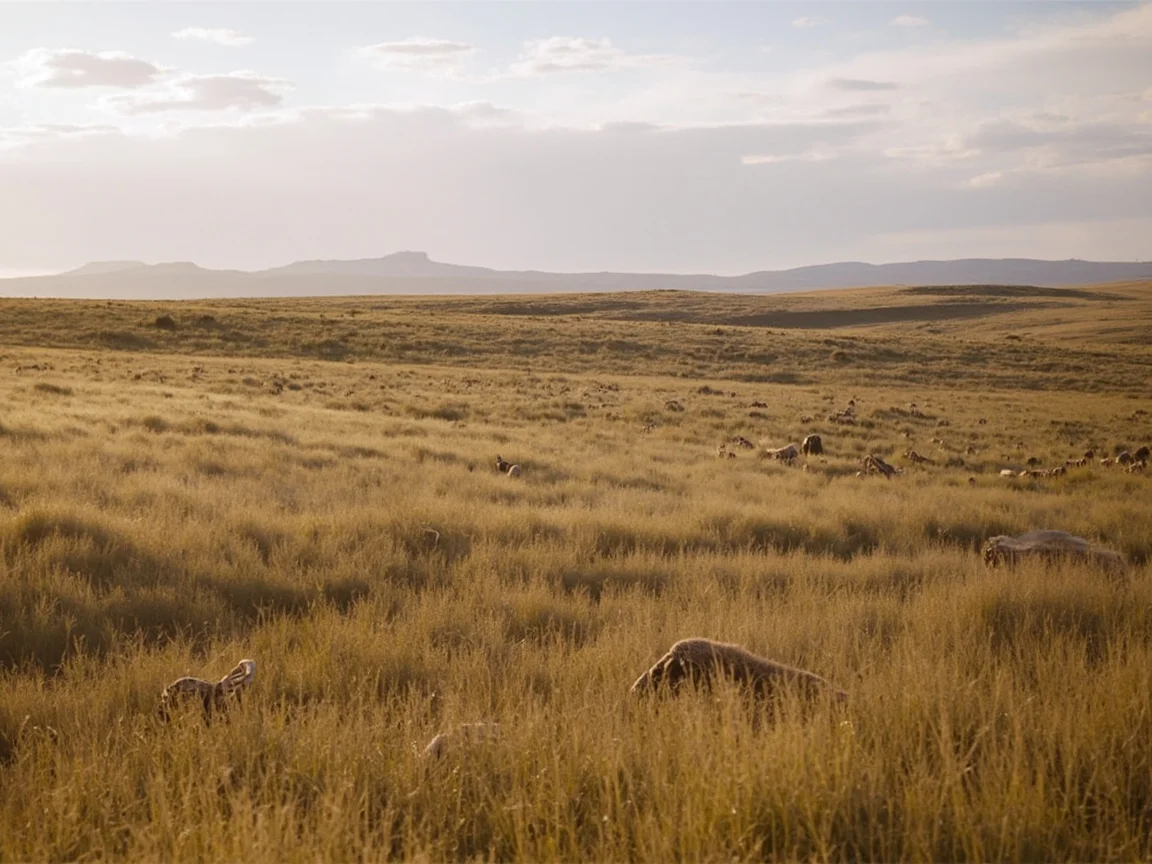
Lodging & Dining: From the Town of Medora to Backcountry Camping
Theodore Roosevelt National Park operates two official campgrounds: Cottonwood Campground (South Unit) and Juniper Campground (North Unit). Neither accepts reservations—it's first-come, first-served—with fees around 120–180 in peak season.
For dining, the Rough Riders Hotel restaurant on Medora's main street serves authentic Western steaks and BBQ, while Bullion Bloc Brewing is a popular local craft beer spot. The town of Watford City near the North Unit offers more variety, with Thai restaurants, burger chains, and local cafés all available. If you plan to dine outdoors, the park features numerous picnic areas and shade shelters—bring plenty of water and sun protection.
Trip Budget & Practical Tips
Taking a 2-day, 1-night Theodore Roosevelt National Park trip for two as an example, the cost budget breaks down roughly as follows: transportation (round-trip fuel + tolls) around 120, dining 30—totaling about 80–350, which is still within a manageable range.
Practical tips: 1) Be sure to refuel in Medora or Watford City—there are no gas stations inside the park; 2) Maintain at least 100 meters distance from wildlife—bison can charge at speeds up to 60 km/h; 3) The 2 hours after sunrise and 2 hours before sunset are the best times for wildlife viewing and photography; 4) Some hiking routes have no cell service, so travel with a companion and inform others of your itinerary; 5) In-park convenience store options are limited, so bring your own snacks and water. Keep these points in mind, and your 2026 Theodore Roosevelt National Park trip will go much more smoothly.
FAQ
Is Theodore Roosevelt National Park worth a dedicated trip? Absolutely, especially for travelers who enjoy wilderness self-drive tours and wildlife viewing. Compared to popular parks like Yellowstone, visitor density here is low and the unspoiled nature is well preserved—you can have an in-depth experience in just 2–3 days.
Can you camp overnight inside the park? Yes, the first-come, first-served Cottonwood and Juniper campgrounds are open year-round; remote areas like Elkhorn and Maah Daah Hey require a free backcountry permit.
What is the best month to see bison? May through October all work well. June and July bring fresh green prairies and highly active bison; September and October offer the best misty morning photography, but watch for frost-related road closures.
Further Reading & References
- Theodore Roosevelt National Park Wikipedia
- NPS official park information and entrance fee details
- Theodore Roosevelt National Park feature on the official U.S. travel portal
- Lonely Planet USA National Parks Guide
Theodore Roosevelt National Park doesn't require long flights or crowded queues—with just two or three days, you can complete a dialogue between wilderness and history. Before departing in 2026, remember to check the weather and road closure information in advance. Wishing you your own "wilderness moment" amid the prairies and canyons of North Dakota.
Related articles
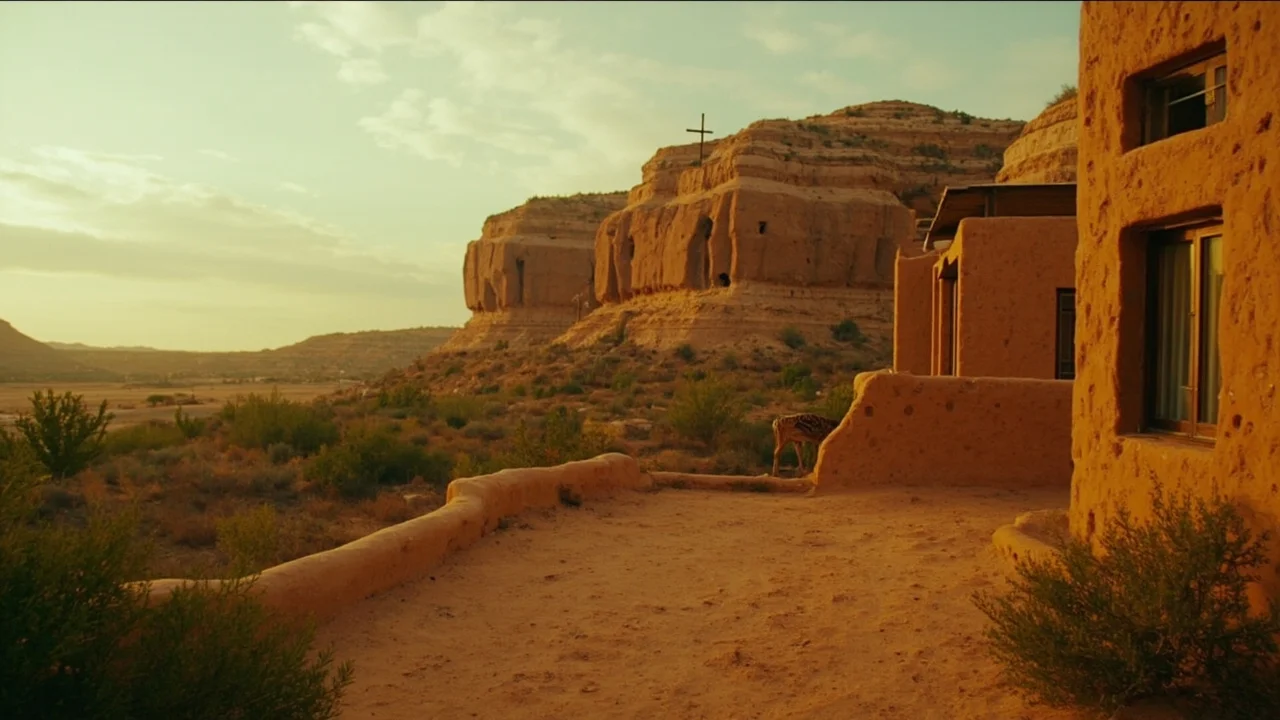
Taos 2026 Budget Checklist: Smart Allocation for Transport, Lodging, Food, and Tickets
Planning a 2026 Taos trip and worried about going over budget? This checklist breaks down the ideal allocation ratios across four key categories—transport, lodging, food, and tickets—and provides daily spending reference ranges along with budget-friendly alternatives. Whether you're doing a self-drive trip or a self-guided tour, you'll find tailored money-saving tips, master the key cost points of a Taos trip, and enjoy an in-depth tour experience without compromising value-for-money.
How to Enjoy Skagway with Kids: 6 Kid-Friendly Activities & Pacing Tips
Wondering how to enjoy Skagway with kids? This guide covers 6 kid-friendly Skagway activities and pacing tips, including hiking, the historic railway town, wildlife watching, and other family scenarios, plus daily schedules, seasonal tips, and dining and accommodation advice to help family travelers easily plan their Alaska Skagway trip.
Best Time to Visit Charleston in the Fall: Where to Stay – A Complete Guide to 4 Accommodation Areas with Price Ranges
Best Time to Visit Charleston in the Fall – where should you stay? This article centers on fall travel needs and organizes 4 accommodation areas in Charleston with their selections and price ranges, covering the Historic District, Market District, harbor area, and suburbs, helping readers pinpoint the right base by budget and itinerary. A FAQ and pitfall-avoidance checklist are also included to help you dodge peak-season price hikes and parking headaches.
8 Overlooked Details for a Sarasota Trip: Pre-Trip, On-the-Road, Lodging & Money-Saving Guide
Planning a trip to Sarasota but worried about pitfalls? This Sarasota travel guide covers 8 often-overlooked details—pre-departure checklists, in-trip tips, lodging choices, and budget tricks—to help you avoid common mistakes. Whether it's your first visit or you're returning, you'll find practical advice to make your Sarasota trip smoother and more affordable.
A professional and thoughtful travel assistant website, dedicated to building a one-stop platform for trip planning and destination exploration. The platform brings together a wealth of high-quality travel resources, delivering diverse itinerary inspiration covering niche domestic getaways and popular overseas destinations. It also offers detailed and practical travel guides, including dining and accommodation recommendations, transportation tips, and pitfall avoidance advice, along with smart travel tools that customize suggestions based on trip duration, budget, and preferences, simplifying the complex preparation process and making every trip stress-free and full of new experiences.
View all articles →