
Washington DC 5-Day In-Depth Itinerary Template: Daily Routes, Transit Transfers & Time Allocation
This Washington DC 5-day in-depth itinerary template organizes the National Mall, Smithsonian museums, and Georgetown into themed daily routes, with detailed metro and bus transfers and walking time allocation per day. Includes attraction reservation tips, ticket pitfall avoidance, and dining and accommodation recommendations to help you explore Washington DC efficiently.
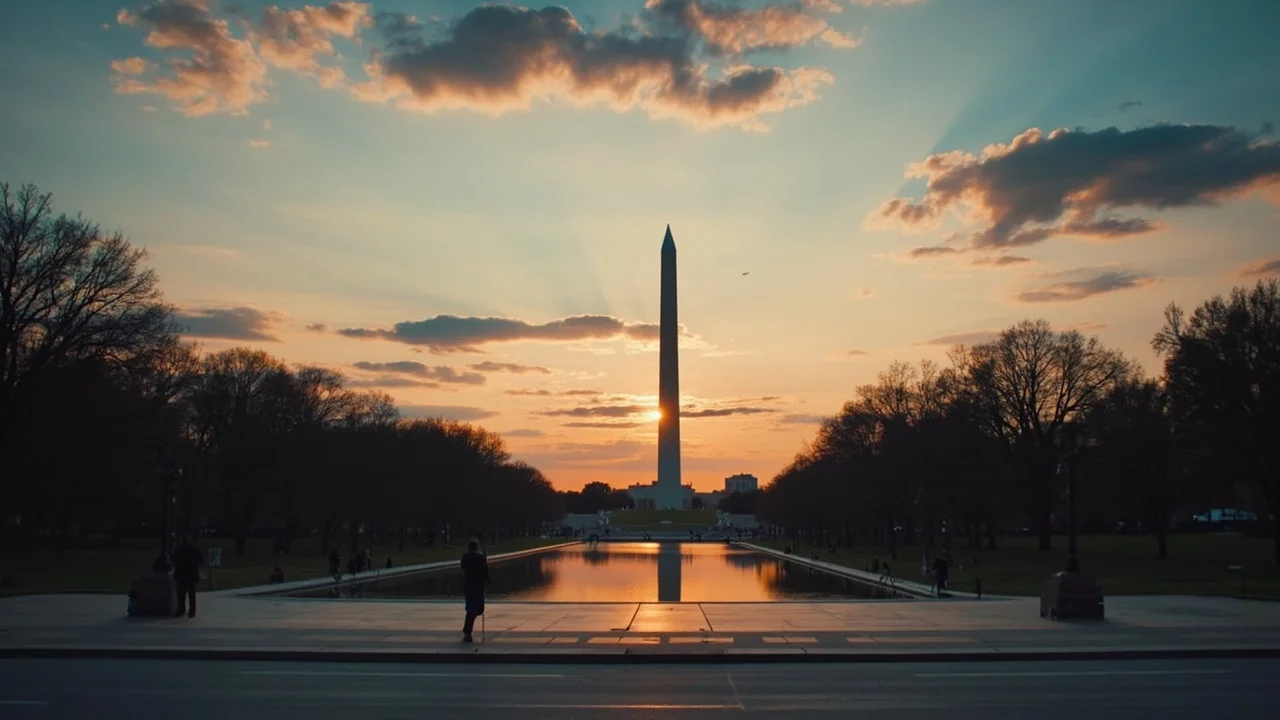
How to Plan a Washington DC 5-Day In-Depth Itinerary? Themed Daily Routes + Transit Transfer Full Guide
Is 5 days enough for a first trip to the American capital? According to 2024 visitor statistics released by the Smithsonian Institution, the 11 core institutions along the National Mall receive over 28 million visitors annually. Based on average queuing and touring pace, 5 days is just right to cover the three main sections — "museums + memorials + neighborhoods" — without rushing through. Below, each day is broken down by theme with routes, metro and bus transfers, and specific time windows. Just follow along.
Day 1 — National Mall Central Axis: A Must on Any Washington DC Itinerary
Arrive at the Smithsonian metro station (Blue/Orange/Silver lines) before 8:30, and head to the Reflecting Pool first for a quiet view of the Lincoln Memorial before 9:00. At 9:15, walk north along the east side of the pool, stopping at the Washington Monument and the World War II Memorial. At 10:00, enter the National Museum of American History (free) on the east side of the Mall — allow 2 hours, focusing on the "American Innovation" themed exhibit. At 12:30, exit for lunch at the museum's food court or grab food from a 7th St food truck.
At 14:00 in the afternoon, walk past the North Lawn of the White House (photo of the outer wall and iron fence only, no reservation needed). At 15:00, walk or take the 32 bus to the west lawn of the US Capitol. At 16:00, enter the Capitol Visitor Center, go through security, and reserve a free timed-entry ticket in advance on the official website (the visitors entrance under congress.gov). After 17:30, return to the hotel to rest; for dinner, pick a casual seafood spot in the Penn Quarter area.
Day 2 — Smithsonian Museums Free Reservation Deep-Dive Day
Today's theme is museums, but visiting each one for 3 hours would be exhausting. We recommend a "Natural History + Air and Space" combo to hit the highlights. At 9:00, head straight to the National Museum of Natural History; at 10:45, transfer to the adjacent National Museum of American History via a shared underground connector. At 12:00, picnic along the Mall or grab a nearby café; at 13:30, enter the Air and Space Museum, focusing on the Apollo lunar module and the Wright brothers' flyer replica.
If you still have energy after 14:30, add the National Gallery of Art East Building (free, but requires scanning a QR code at the entrance) — focus on the 4th-floor modern art galleries. Wrap up at 17:00. The key tip for this day: All Smithsonian museums are free with no ticket reservations required — the only line is at security, so arrive before 9:00 AM on a weekday.
Day 3 — Memorials and Embassy Row: The Cultural Axis of the Washington DC Self-Guided Route
Today, leave the National Mall and head east into Capitol Hill and the embassy district. Get off at the Eastern Market metro station at 8:30, grab coffee and breakfast at the market. At 9:30, walk to the Jefferson Building of the Library of Congress (free, ID required). Exit at 11:00 and head to the US Botanic Garden Conservatory (free). At 12:30, grab a quick lunch at the Union Station food court. In the afternoon at 14:00, visit the United States Holocaust Memorial Museum (free, online free reservation pass required). At 16:00, stroll along Maine Ave for waterfront views before heading back in the evening.
Day 4 — Georgetown & Dupont Circle: A Neighborhood Stroll on the Washington DC Itinerary
Today's theme is the other side of Washington DC — colonial-era streets and embassy café culture. At 9:30 in the morning, arrive at the Foggy Bottom metro station (G line), walk along the Chesapeake & Ohio Canal towpath for half an hour, and at 11:00 enter Georgetown's main street to explore Georgetown University's campus and the old stone buildings. For lunch, we recommend any one of 5 riverside restaurants — reservations recommended in advance.
In the afternoon at 14:00, take the G line to Dupont Circle, browse Kramerbooks and Afterwords bookstore and the Phillips Collection (ticket $18, per the museum's 2025 announcement). At 16:00, head to Embassy Row to photograph the exterior walls of select embassies (photos only, no entry). At 17:30, end the day with Mediterranean cuisine on 17th St.
Day 5 — Arlington + Dining and Accommodation Recap: The Wrap-Up Day of the Washington DC Self-Guided Route
For the last day, head across to Arlington National Cemetery on the Virginia side. At 8:00, get off at the Rosslyn metro station (Blue/Orange/Silver lines), walk to the Arlington National Cemetery visitor center, pick up a map, and follow the route: "Tomb of the Unknown Soldier Changing of the Guard (on the hour) → Kennedy Gravesite → Arlington House." 2-3 hours is enough. At 12:30, head back into DC for a French brunch like Beef Bourguignon to wrap up the 5-day trip.
Accommodation recap: For 5 nights, we recommend 3 nights in The Wharf area (5-minute walk from the L'Enfant Plaza metro station) + 2 nights in the Foggy Bottom / Golden Triangle area for easy access to Arlington on the last day. Dining budget: weekday lunch 30-50/person is typical — book ahead on OpenTable.

Pitfall Checklist: 6 Things You Should Never Do on a 5-Day Washington DC Trip
Based on 2024 NPS visitor feedback and high-vote TripAdvisor reviews, the 6 most common pitfalls when following this itinerary are:
- Don't wait in long lines at the White House for a tour. Public White House interior tours must be arranged through a congressional representative's office (21-90 days in advance); casual queues on the street are usually futile. For an interior view, check the ticket office for same-day UN-led tour openings.
- Don't drive into the National Mall. Weekend parking near the National Mall runs $30-50; the metro covers 80% of major attractions and is far more hassle-free than self-drive.
- Don't cram all the museums into one day. Out of the 11 major Smithsonian museums, you can realistically visit only 3 in a single day before exhaustion sets in.
- Don't ignore the season. July-August midday feels like 38°C+ with high humidity; in January, snow can temporarily close some memorials. Spring and autumn are the best seasons to visit Washington DC.
- Don't eat only at museum cafés. Penn Quarter, 14th St, and Adams Morgan are the three food streets where locals actually go.
- Don't buy "xx Pass" bundle tickets. Most major DC attractions are free; bundle passes often include meaningless discount items.
Frequently Asked Questions
Q1: Do I need to rent a car for a 5-day Washington DC in-depth trip? A: No. WMATA Metro covers 90% of National Mall attractions, and renting a car only adds parking hassle.
Q2: Which museums require free reservations? A: The Capitol Visitor Center, Arlington Cemetery, and the Holocaust Memorial Museum require free online reservations; the Smithsonian system does not.
Q3: Is it kid-friendly? A: Natural History, Air and Space, and the Zoo are family-friendly — arrive before 9:00 to avoid crowds.
Further Reading & References
- Washington, D.C. — Wikipedia
- National Mall Official Map & Visitor Info
- Official Washington DC Tourism Site
- Lonely Planet Washington DC Guide
Spending 5 days in Washington DC is neither too short nor overly generous — follow the themed daily plan above, and you can cover the capital's essentials without burning out. Leave some room for the small museums you encounter along the way.
Related articles
When Is the Best Time to Visit Zion National Park? Complete 2026 Weather, Crowd, and Price Comparison
Which month is best for visiting Zion National Park in 2026? Weather, visitor numbers, and accommodation prices vary significantly by season. This guide compares monthly experiences based on peak and off-peak periods, public holidays, and temperature changes, with practical itineraries and budget tips to help visitors avoid extreme heat, crowds, and price surges.
How to Get to Milwaukee: 4 Main Transportation Options and Ticket Guide
What is the most convenient way to get to Milwaukee? This guide compares four main transportation options—flights, trains, driving, and buses—covering fares, travel times, comfort, and ticket-booking channels. It also highlights each option’s key advantages, drawbacks, pitfalls, and practical booking tips, making it a useful reference for independent travelers and self-driving visitors heading to Milwaukee.
9 Practical Tips for Pocono Mountains Only Regulars Know: A Hassle-Free Pre-Trip Guide
Planning a trip to Pocono Mountains but unsure where to start? These 9 practical tips—known only to regulars—cover accommodations, seasonal choices, self-drive routes, dining pitfalls, and holiday crowd strategies in one go. Whether it's your first visit or a return trip, you'll find hassle-free travel ideas among these 9 Pocono Mountains recommendations to make your entire journey smoother.
Things to Do in Orlando Florida for Adults: The Most Convenient Way to Get There — Comparison & Ticket Booking Guide for 4 Main Transport Options
Wondering what's the most convenient way to get there for things to do in Orlando Florida for adults? This article systematically compares 4 main transport options — flights, self-drive, train, and coach — in terms of travel time, price, and flexibility, recommends the best booking platforms and advance booking tips for each, and helps adult travelers efficiently plan their Orlando itinerary.
A professional and thoughtful travel assistant website, dedicated to building a one-stop platform for trip planning and destination exploration. The platform brings together a wealth of high-quality travel resources, delivering diverse itinerary inspiration covering niche domestic getaways and popular overseas destinations. It also offers detailed and practical travel guides, including dining and accommodation recommendations, transportation tips, and pitfall avoidance advice, along with smart travel tools that customize suggestions based on trip duration, budget, and preferences, simplifying the complex preparation process and making every trip stress-free and full of new experiences.
View all articles →