
Yellowstone Travel Safety Guide: Insurance, Emergency Response & Practical Protection Tips
Before heading to Yellowstone, this safety guide covers the key essentials for wildlife encounters, sudden weather changes, insurance planning, and emergency assistance to keep your nature trip worry-free.
Yellowstone Travel Safety Guide: Insurance, Emergency Response & Practical Protection Tips
Yellowstone is one of the world's most renowned natural landmarks, and also a complex backcountry destination with variable terrain and shifting weather. Home to geysers, hot springs, wildlife, and high-mountain roads, the park's breathtaking scenery comes with a range of potential risks. Systematic safety preparation is the prerequisite for a smooth Yellowstone trip. This article organizes a clear and practical safety guide across four areas: pre-trip planning, in-park precautions, insurance configuration, and emergency response.
1. Pre-Trip Preparation: Mitigate Risks Before Departure
1. Understand the Climate and Best Visiting Period
Yellowstone sits at high elevation, with most areas above 2,000 meters. Winters are long and harsh, and some park roads close during the season. Summer (June through September) is the preferred window for most visitors. Even in summer, daytime and nighttime temperatures can differ significantly — short sleeves are fine during the day, but a fleece or light down jacket is needed at dawn and night. Check the weather forecast for the coming week before departure, paying special attention to rainfall, snowfall, and temperature-drop alerts.
2. Health Assessment and Basic Supplies
Sun exposure is intense at high elevation, with a high UV index. Bring sunscreen (SPF 50+), sunglasses, and a wide-brimmed hat. Visitors with cardiovascular conditions, respiratory issues, or altitude sensitivity should consult a doctor in advance and carry necessary medications. Medical facilities within Yellowstone are limited; treating serious conditions typically requires helicopter evacuation at high cost, so travelers with chronic conditions should pay extra attention to pre-trip evaluation.
3. Recommended Packing List
- Waterproof hiking boots or non-slip trail shoes
- Layered clothing (moisture-wicking base, insulating mid-layer, windproof outer shell)
- Headlamp or flashlight (park lighting is limited at night)
- Plenty of drinking water and high-energy snacks
- Paper map or offline navigation (signal can be weak in some areas)
- Binoculars for viewing wildlife from a distance
2. In-Park Safety: Wildlife and Geothermal Area Protection
1. Wildlife Encounter Principles
Yellowstone is home to grizzly bears, mountain lions, wolves, bison, and other wildlife — all of which can be potentially dangerous. Follow these basic rules:
- Keep your distance: Maintain at least 100 meters (about one football field) from all animals, including both grizzlies and black bears.
- Never feed wildlife: Feeding alters animal behavior and poses long-term threats to both humans and animals.
- Bear-aware hiking: Hike in groups, carry bear spray, and learn how to use it beforehand. Check with park visitor centers about current bear activity on trails.
- If you encounter a grizzly: Do not run. Slowly back away and give the bear room to retreat. If attacked and spray proves ineffective, drop to the ground and protect your head.
- If you encounter a mountain lion: Face it, try to look bigger, speak in a firm voice, and do not crouch or run.
2. Geothermal Area Safety
Yellowstone hosts more than half of the world's active geysers, with ground temperatures exceeding 90°C. Be sure to observe the following rules:
- Always stay on designated boardwalks; never stray off them.
- Soil that looks solid may conceal high-temperature acidic water below; a misstep can cause severe burns.
- Families with children should supervise them closely to prevent them from leaving the boardwalk or running.
- Do not throw any objects into geysers or hot springs.
3. Road Driving and Vehicle Preparation
Park roads are winding, and wildlife frequently crosses them. Recommendations:
- Observe speed limits throughout (typically 45 mph), and be especially alert for animals at dusk and night.
- Never feed animals from your vehicle, and keep windows closed.
- Before long drives, check fuel level, tire pressure, and spare-tire condition — gas stations inside the park are limited.
- If bison or elk block the road, be patient and wait; do not honk or approach to shoo them away.
3. Insurance Configuration: Reduce Risks to a Manageable Level
Yellowstone is far from major cities, with limited medical and rescue resources. The following types of insurance are recommended before traveling:
1. Overseas Medical Insurance
Given the high cost of medical care, the coverage limit for overseas medical insurance should be at least 500,000 RMB. Prioritize comprehensive products that cover emergency medical evacuation, hospitalization, and outpatient care.
2. Emergency Rescue Insurance
Helicopter rescue around Yellowstone National Park is typically expensive, and emergency rescue insurance can significantly reduce the financial burden at critical moments. When selecting a policy, check whether it includes "mountain rescue" and "helicopter rescue" coverage.
3. Trip Cancellation Insurance
Yellowstone trips are usually booked months in advance, covering flights, hotels, and tours. Trip cancellation insurance can reimburse a proportional refund or cover change fees if you cannot travel due to sudden illness, family emergencies, or natural disasters.
4. Personal Belongings and Documents Insurance
Carry-on documents, cameras, and lenses should be insured separately or added as an extension to your homeowner's policy, so you can be compensated for loss, theft, or accidental damage.
After purchasing, save the electronic policy to your phone's cloud storage, print a paper copy to carry with you, and note the insurance company's 24-hour emergency assistance number.
4. Emergency Response: Stay Calm When Facing the Unexpected
1. Handling Injuries
Most park visitor centers provide basic first-aid supplies. For minor scrapes or sprains, you can self-treat first. If attacked by wildlife or suffering severe burns, call emergency services immediately and head to the nearest hospital.
2. Vehicle Breakdown
Many areas of the park have unstable cell phone signal. If your vehicle breaks down:
- Pull over to a location that does not obstruct traffic and turn on hazard lights.
- Place a warning triangle behind the vehicle.
- Seek help via satellite phone, the park's emergency assistance line, or by walking to the nearest gas station.
3. Getting Lost and Sudden Weather Changes
- If you stray off the trail, stay put and avoid wasting energy wandering.
- Carry warm clothing and emergency food to delay the risk of hypothermia.
- Keep the park map with you and memorize the nearest trail number or landmark name.
4. Emergency Contacts
- Park emergency line: dial 911
- Park visitor center numbers can be found on the official website
- The Chinese Embassy in the U.S. consular protection and assistance number should be confirmed before departure
5. Final Advice for Travelers
Yellowstone's unique appeal lies in its raw, untamed character — and that wildness also calls for an added layer of respect and caution. Doing your homework before departure, strictly following park rules during the trip, and staying calm while seeking appropriate help in an emergency are the best ways to enjoy Yellowstone. We hope this guide helps you both experience the awe of nature and return home safely with treasured memories.
When planning your next journey, feel free to continue exploring safety guides for other outdoor destinations on Xingji Travel Notes, so that every trip can be a worry-free one.
Related articles

Best Time to Visit Big Sur CA: Where to Stay Conveniently — Full Guide to 4 Accommodation Areas & Price Ranges
Where is the most convenient place to stay when visiting Big Sur, CA? This article breaks down 4 accommodation areas through six lenses—crime data, medical resources, signal coverage, and natural disaster preparedness—delivering clear price ranges and nighttime safety tips. Whether you choose a Carmel luxury resort, a Big Sur coastal cabin, a Morro Bay budget hotel, or a Cambria B&B, you'll get advice on protecting valuables, solo female travel, and parking—so you can plan your Big Sur trip with peace of mind.

8 Overlooked Details for Hilton Head Travel: Pre-Trip, On-Trip, Lodging & Money-Saving Guide
Planning a trip to Hilton Head? Don't just focus on the beach and golf. This FAQ travel guide compiles 8 commonly overlooked safety details: local crime data, recent medical resource distribution, hurricane season response, insurance selection, solo female travel tips, theft prevention, car rental & lodging pitfalls, and practical money-saving tips. Full coverage of pre-trip, on-trip, and lodging processes to help you avoid pitfalls and unexpected expenses.
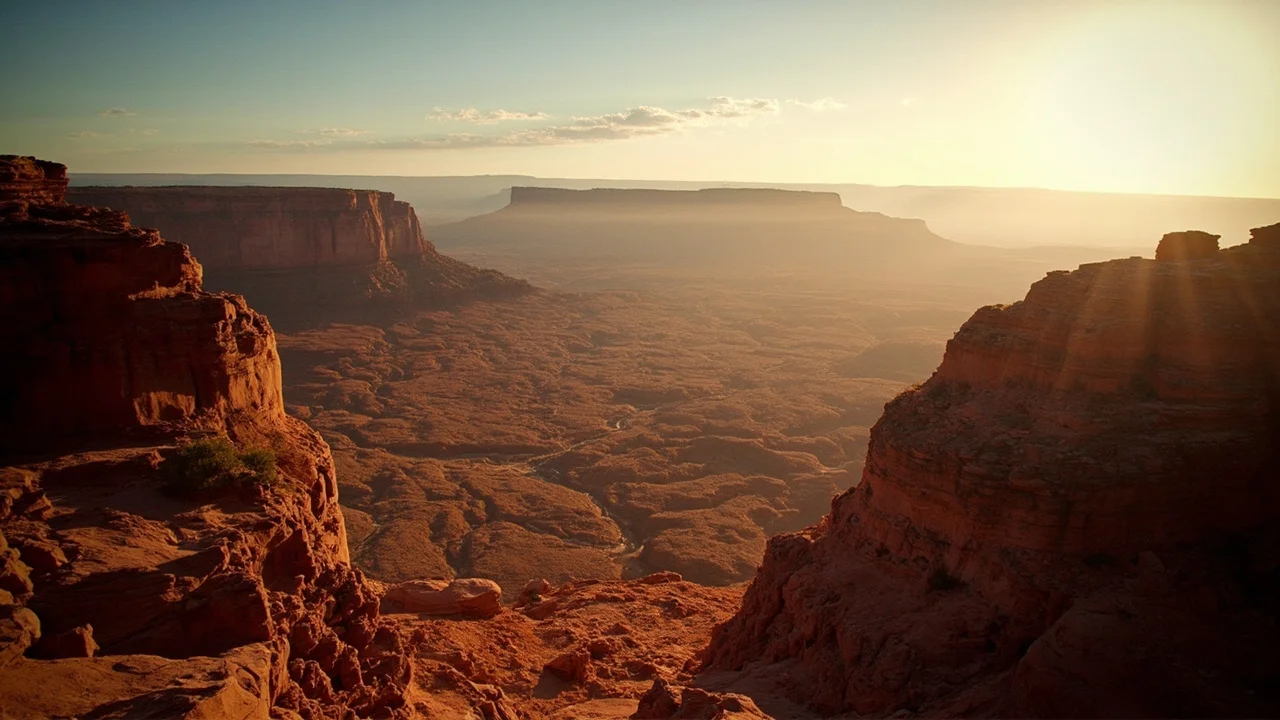
Canyonlands National Park vs Similar Destinations: A Pros & Cons Comparison of 3 Popular Options and Selection Guide
Want to visit Canyonlands National Park but can't decide which option to choose? This article compares 3 popular similar destinations across six safety dimensions: crime data, medical resources, natural disaster response, emergency contacts, solo female travel, and theft prevention of valuables, helping you avoid common pitfalls and quickly lock in the most suitable travel plan.

Things to Do in Yellowstone West Entrance Food Map: 7 Must-Try Local Dishes and Hidden Street Flavors
Plan a West Yellowstone food journey around things to do in Yellowstone West Entrance: a curated list of 7 must-try local dishes, street-side finds and hidden gems, plus transportation, hours, ordering tips, food safety and emergency info—balancing taste and travel safety.
A professional and thoughtful travel assistant website, dedicated to building a one-stop platform for trip planning and destination exploration. The platform brings together a wealth of high-quality travel resources, delivering diverse itinerary inspiration covering niche domestic getaways and popular overseas destinations. It also offers detailed and practical travel guides, including dining and accommodation recommendations, transportation tips, and pitfall avoidance advice, along with smart travel tools that customize suggestions based on trip duration, budget, and preferences, simplifying the complex preparation process and making every trip stress-free and full of new experiences.
View all articles →