
Yellowstone Travel Tools: A Practical Guide from Itinerary Planning to On-Site Exploration
Passion alone isn't enough for a Yellowstone trip. This guide compiles a practical toolkit covering itinerary planning, map navigation, wildlife identification, and weather queries to help travelers efficiently prepare for America's first national park.
Yellowstone Travel Tools: A Practical Guide from Itinerary Planning to On-Site Exploration
Yellowstone is one of America's most popular national parks, covering nearly nine thousand square kilometers across Wyoming, Montana, and Idaho. The park features geysers, hot springs, canyons, lakes, and vast forests, with abundant wildlife. Given the park's immense scale, planning ahead with the right tools can significantly enhance your travel experience. This guide recommends practical tools across categories such as planning, navigation, lodging, weather, and wildlife identification.
1. Itinerary Planning Tools
1. Official Park Resources
The National Park Service (NPS) website provides the most authoritative park information, including opening hours, road conditions, campground reservation links, and activity announcements. It's recommended to check again one week before departure for any temporary closures or alerts. Official map PDFs can be downloaded to your phone in advance for use in areas without cell signal.
2. Online Itinerary Editors
- Google My Maps: Allows you to manually add attractions, draw routes, and organize multiple layers—ideal for travelers who like customized itineraries.
- Roadtrippers: Designed specifically for road trips. Enter your start and end points, and it automatically recommends attractions, lodging, and dining along the way. It supports filtering by interest, such as geological landmarks, hiking routes, or family-friendly spots.
- AllTrails: Known for its hiking trail database. Yellowstone has hundreds of trails, sortable by difficulty, length, and user ratings, making it easy to find one that suits you.
3. AI Travel Assistants
AI travel assistants, which have emerged in recent years, can generate preliminary itinerary drafts based on the number of travel days, pace preference, whether you're traveling with kids, and more. The advantage of these tools is quickly providing a framework; the downside is that data may not be fully up to date. It's best to use AI output as a starting point and verify opening hours against official sources.
2. Maps and Navigation Tools
Yellowstone is vast, and cell signal within the park is unreliable. Your choice of navigation tools directly affects travel safety.
- Offline Map Apps: Maps.me and Guru Maps both support downloading offline map data. It's recommended to download the complete map package at home on Wi-Fi before departure.
- Dedicated Offline GPS: If you plan to hike for extended periods or visit remote areas, consider a professional GPS device such as the Garmin series. These devices come with detailed topographic maps and don't rely on cell signal.
- Official Park Map App: The NPS official app covers all attractions, restrooms, trailheads, and visitor center locations within the park, making it the most convenient tool for on-site queries.
3. Lodging and Campground Booking Tools
Lodging and campgrounds within Yellowstone typically need to be booked months in advance.
- Recreation.gov: The federal government's campground reservation platform, covering multiple campgrounds within the park, with availability alerts available.
- Reserve Yellowstone: The official booking channel for historic hotels within the park, such as Old Faithful Inn and Lake Hotel.
- Booking.com and Airbnb: Suitable for finding accommodations in gateway towns outside the park, such as West Yellowstone and Jackson.
When booking, pay attention to cancellation policies—during peak season, tight availability can lead to significant losses if your plans change.
4. Weather and Road Information
Yellowstone sits at high elevation, and weather can change rapidly. Even in midsummer, early morning temperatures can approach freezing.
- National Weather Service (NWS): Provides real-time data from multiple weather stations around the park, including temperature, precipitation, and wind speed.
- AccuWeather and Windy: Visualize precipitation and wind direction, helping you decide the best times for photography.
- Park Road Information: The NPS website and official Twitter account provide real-time road closure updates, such as temporary restrictions due to bear sightings or construction.
5. Wildlife Identification and Safety
Yellowstone is a premier destination for wildlife viewing, home to grizzly bears, black bears, wolves, bison, elk, and other large animals. It's recommended to download dedicated animal identification tools and read relevant safety guidelines in advance.
- iNaturalist: A community-based species identification app. Snap a photo to identify plants and animals, and browse other users' observation records.
- Merlin Bird ID: Developed by Cornell University, ideal for identifying birds within the park.
- Official Park Safety Guide: Be sure to read guidelines on what to do if you encounter a bear and how to maintain a safe distance. In most cases, observing wildlife from a distance of at least 25 meters is the basic rule.
6. Itinerary Management Tips
- Create a Unified Document: Use a note-taking tool (such as Notion or Evernote) to centrally store booking confirmations, routes, and emergency contacts for easy offline access.
- Set Key Reminders: Check weather and road conditions before departure, the night before, and each morning—add these to your calendar.
- Organize an Offline Resource Pack: Download map PDFs, hotel confirmations, insurance documents, passport scans, and more to your phone or cloud storage in advance.
- Keep Flexible Time: Don't overpack your itinerary—leave buffer time for weather changes or spontaneously discovered points of interest.
7. Summary
Your Yellowstone experience largely depends on upfront planning and tool selection. Official resources provide authoritative information, offline maps handle on-site navigation, booking platforms secure logistics, AI assistants help build the framework, and wildlife identification tools add an educational and engaging dimension. It's best to combine these tools based on your own travel style rather than relying on a single app.
With thorough preparation, you'll be able to fully enjoy Old Faithful's punctual eruptions, the vivid colors of Grand Prismatic Spring, and herds of bison roaming freely across the plains. Wishing you an unforgettable America national park adventure.
Related articles
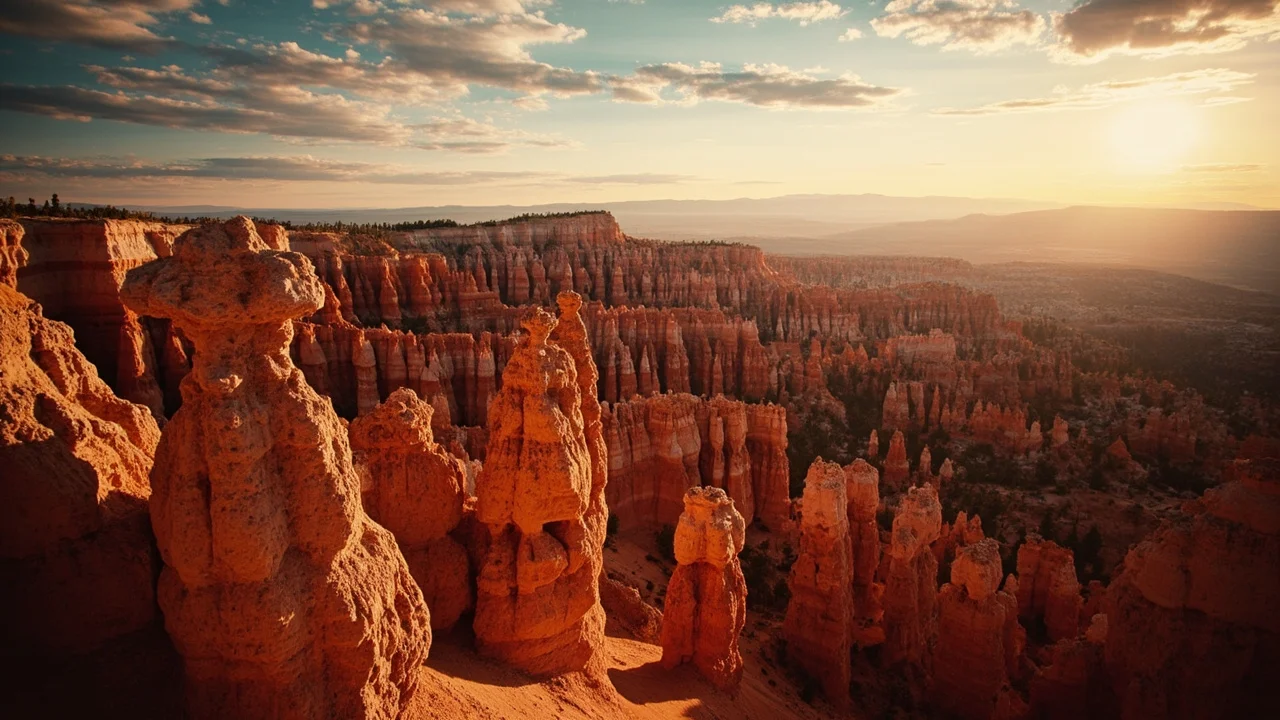
Bryce Canyon National Park出行常被忽视的 8 个细节:行前·行中·住宿与省钱指南
去Bryce Canyon National Park只看Hoodoo岩石?那就错过了太多细节。本文整理出行前常被忽视的8个要点:行前准备清单、必带物品、安全提醒、避坑指南全收纳,住宿省钱与行程安排一次讲清,自驾游与自由行都适用。

Weather in Phoenix This Week Food Map: 7 Must-Eat Local Dishes and Hidden Street Flavors
Your weather in Phoenix this week food map is here! From both tourist and local perspectives, this guide picks 7 must-eat Phoenix signatures and hidden street gems, covering Mexican tacos, BBQ, Cubano sandwiches, and more. Each dish comes with the restaurant address, hours, average price, and ordering tips, plus a weekday-vs-weekend best dining time table so you can eat your way through Phoenix in a week.

Mississippi Delta 2026 Budget Checklist: Smart Allocation for Transport, Lodging, Food & Tickets
This Mississippi Delta 2026 budget checklist focuses on the four core spending categories—transport, lodging, food, and tickets—offering practical allocation ratios and actionable plans. Combined with 2026 trends in gas, airfare, and B&B pricing, it provides scenario-based budget tables, budget-friendly alternatives, and a pitfall-avoidance list to help travelers complete an in-depth Mississippi Delta self-drive or self-guided tour within controlled costs without overspending.

Death Valley National Park with Kids: 6 Family-Friendly Itineraries and Pacing Tips
How to plan a Death Valley National Park family trip? This guide covers 6 kid-friendly activities, daily pacing tips, schedules that avoid the scorching midday heat, easy sightseeing paired with short hikes, and a self-drive pitfall checklist to help parents plan a relaxed national park family vacation.
A professional and thoughtful travel assistant website, dedicated to building a one-stop platform for trip planning and destination exploration. The platform brings together a wealth of high-quality travel resources, delivering diverse itinerary inspiration covering niche domestic getaways and popular overseas destinations. It also offers detailed and practical travel guides, including dining and accommodation recommendations, transportation tips, and pitfall avoidance advice, along with smart travel tools that customize suggestions based on trip duration, budget, and preferences, simplifying the complex preparation process and making every trip stress-free and full of new experiences.
View all articles →