
New England Fall Foliage 5-Day In-Depth Itinerary Template: Daily Routes, Transport Connections, and Time Allocation
This New England Fall Foliage 5-day in-depth itinerary template breaks down day-by-day autumn viewing routes across Vermont, New Hampshire, and Massachusetts, along with self-drive connections and time allocation. It includes daily departure windows, driving durations, gondola and scenic railway transfer tips, plus a transport pitfall checklist and accommodation and dining suggestions—helping you avoid weekend congestion and time every mountain road just right.
New England Fall Foliage 5-Day In-Depth Itinerary Template: Daily Routes, Transport Connections, and Time Allocation
Planning to see all of New England's fall leaves in 5 days—what's the most common pitfall? The answer is treating the straight-line distance on Google Maps as actual travel time. During New England Fall Foliage peak season, you often hit weekend traffic, slow mountain roads, sudden closures, and parking queues (traffic data can be cross-referenced with 2025 National Park Service road information for the US). When a day packs in three or four stops, usually only two can be enjoyed at a relaxed pace. This plan centers on Vermont, New Hampshire, and northern Massachusetts, restricting each day to a single valley or one scenic byway, and reserving the golden pre-sunset and post-sunset windows for the best autumn viewing.
How should a 5-day itinerary be linked to minimize backtracking?
Day 1: Boston—Keene—Jeffersonville, arriving at the fall foliage core area
Depart Boston early in the morning, navigating to Keene in New Hampshire, then onward to Jeffersonville in Vermont. On weekends, leave the city before 7:00 AM; after joining I-93 and I-89, you'll gradually enter country roads. Boston to Keene takes about 2 hours, and Keene to Jeffersonville about 2.5 hours, with time for fuel, a light meal, and brief stops along the way.
After arrival, check in first, then spend the afternoon around Jeffersonville—Stowe. Country roads in autumn are often bordered by private land—when stopping for views, use designated shoulders or public parking lots, and never block traffic lanes for a photo of the trees. In the evening, head toward the slopes around Stowe; on clear days you'll usually get longer views across the valley. On overcast or rainy days, the colors stay intense but the images have less contrast.
For accommodation, choose Jeffersonville, the outskirts of Stowe, or Waterville. In peak season, cabins often require a Friday-to-Saturday minimum stay; midweek check-ins are more flexible. For dinner, prioritize Vermont maple-themed desserts, local cheeses, and craft beer, and stock up on drinking water and snacks in advance.
Day 2: Stowe—Waterbury—Montpelier—Woodstock
On day two, adopt a west-to-east movement that ends at Woodstock to cut down on backtracking. After breakfast, photograph the church, snow-capped mountain backdrop, and river valley in Stowe, then head east along US-2 to Waterbury. This is a good place for a short stop around the Ben & Jerry's factory area, but holidays draw crowds and popular parking lots may fill up—don't build your experience around minute-perfect reservations.
After leaving Waterbury, turn onto Vermont country roads toward Montpelier, then continue to Woodstock. The total drive is roughly 2.5–3.5 hours, not counting lunch and photo stops. Plan a lunch and resupply in Montpelier, arrive in Woodstock before 17:00, then wander the town center, the Ottauquechee River area trails, and nearby farms.
This New England Fall Foliage self-guided route isn't about counting stops—it's about light and road rhythm. Woodstock lodging is tight in fall; accommodations with kitchens are especially suited for two consecutive nights. If you plan to shoot morning mist, head out around 6:30 AM and check the weather and forest road opening status first.
How do mountain roads, gondolas, and scenic railways connect?
Day 3: Franconia Notch—Cannon Mountain—North Conway
After breakfast, travel from Woodstock to Franconia Notch, about 2 hours. During fall foliage season, traffic on the Franconia Notch Parkway concentrates after 9:00 AM—self-drivers should place the stops that require parking in the morning and clear the congestion-prone sections earlier. Flume Gorge, Artist's Bluff, and Echo Lake can be chosen based on on-site parking availability; there's no need to make repeated U-turns just to tick off every viewpoint.
If you plan to take the Cannon Mountain gondola, reserve at least 1.5 hours for tickets, security, queues, and time at the summit. Summit wind chill is lower than the valley; in late October, bring a windproof jacket, light gloves, and slip-resistant footwear. If a scenic railway is the trip highlight, you can switch to the relevant shuttle service, but still confirm the schedule, seating, and the last return service from the station to your lodging.
In the afternoon, follow I-93 and US-302 into New Hampshire's White Mountains, arriving in North Conway after about 2–2.5 hours. Check in for the evening without heading further out to remote lodging. The next day can reserve Mount Washington as an option, but don't push for the summit in sudden weather changes—if the Cog Railway or road shuttle stops running, the plan should immediately switch to lower-elevation trails and slow-paced small-town time.
Where should the 5-day itinerary's lodging be placed to save time?
Day 4: North Conway—Kancamagus Highway—Conway
Day four focuses on the Kancamagus Highway. Entering before 7:30 AM from west to east on the scenic byway is recommended—driving from the Conway side toward Lincoln better matches the morning light and departure route. The full length is about 34 miles; pure non-stop driving is roughly 1 hour, but for autumn viewing, allow 4–6 hours, breaking Sabbaday Falls, Lower Falls, Rocky Gorge, and Albany Covered Bridge into a series of short stops.
Weekend parking areas fill up quickly. If you find a small-capacity overlook fully occupied, don't queue at the entrance waiting for a spot. Usually within ten or so minutes of continued driving, you'll find another legal parking area. When trails are slippery, wear shoes with good grip, and stay clear of cliff and stream edges. Carry out all picnic trash; food odors can also attract wildlife.
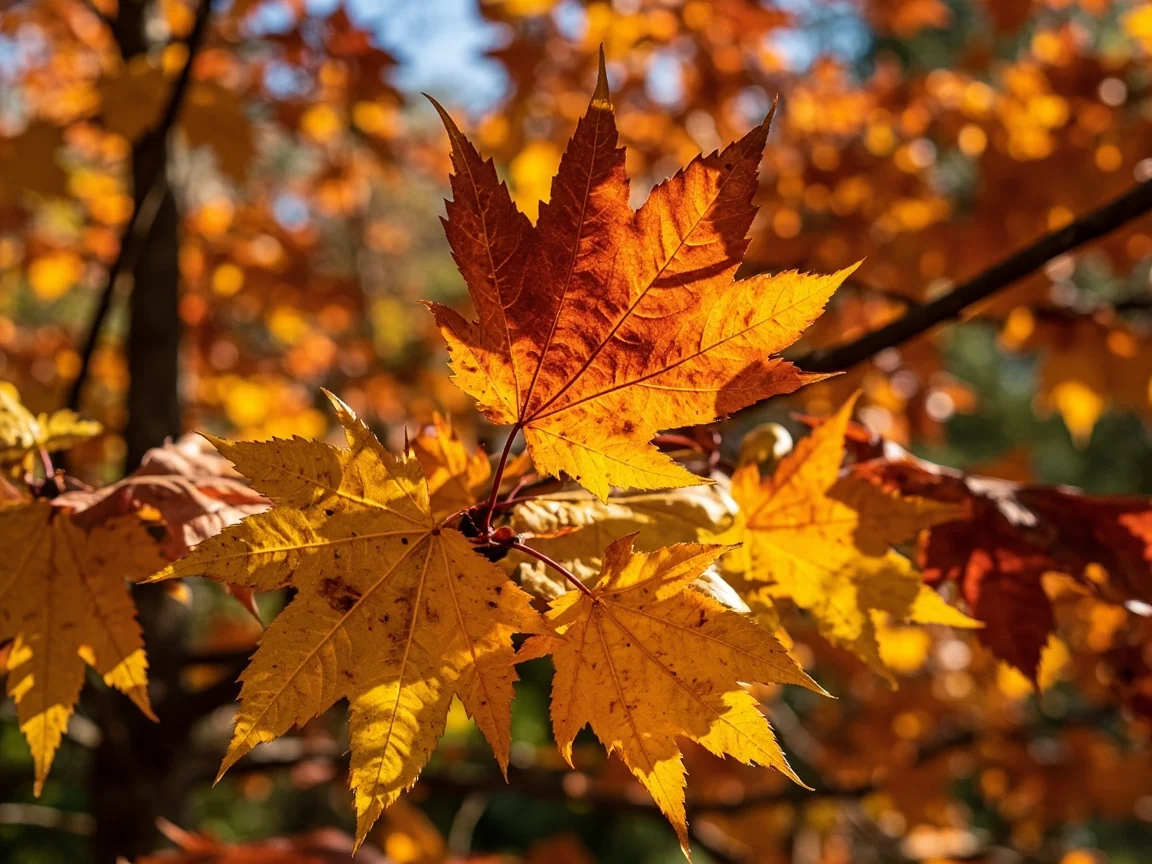
Return to North Conway or Conway in the evening. Staying two consecutive nights at the same place saves luggage shuffling and parking costs. For dining, choose bakeries, soup spots, pizza, and local craft breweries; during peak hours, wait times can exceed 45 minutes—a safer move is to eat between 17:00–17:30. If it rains that day, Lower Falls and short trails remain feasible, but driving speed must be reduced—fallen leaves can obscure curves.
Why shouldn't the last day be packed with a Boston night tour?
Day 5: Conway—Pinkham Notch—Jackson—Boston
The final day starts from Conway, passing Pinkham Notch and the town of Jackson on the way back to Boston. Under normal conditions this takes 5.5–7 hours, and holidays or rain and snow may extend it further. Early morning, photograph valleys and farms near your lodging, then choose a short stop around Pinkham Notch Visitor Center. If you plan to enter mountain trails, begin your turn-around before 12:00 to leave ample buffer for the drive ahead.
Jackson's covered bridges and riverbank colors are good for photos around lunchtime; dining options are more spread out than in remote mountain areas. After leaving the White Mountains, use real-time navigation to pick main arteries such as I-95 and I-93. Don't rely entirely on the shortest route—mountain road accidents, construction, or dense fog may cause the navigation to reroute frequently. Aim to leave the mountains around 15:00 and reach Boston between 20:00–22:00, avoiding late-night long-haul driving.
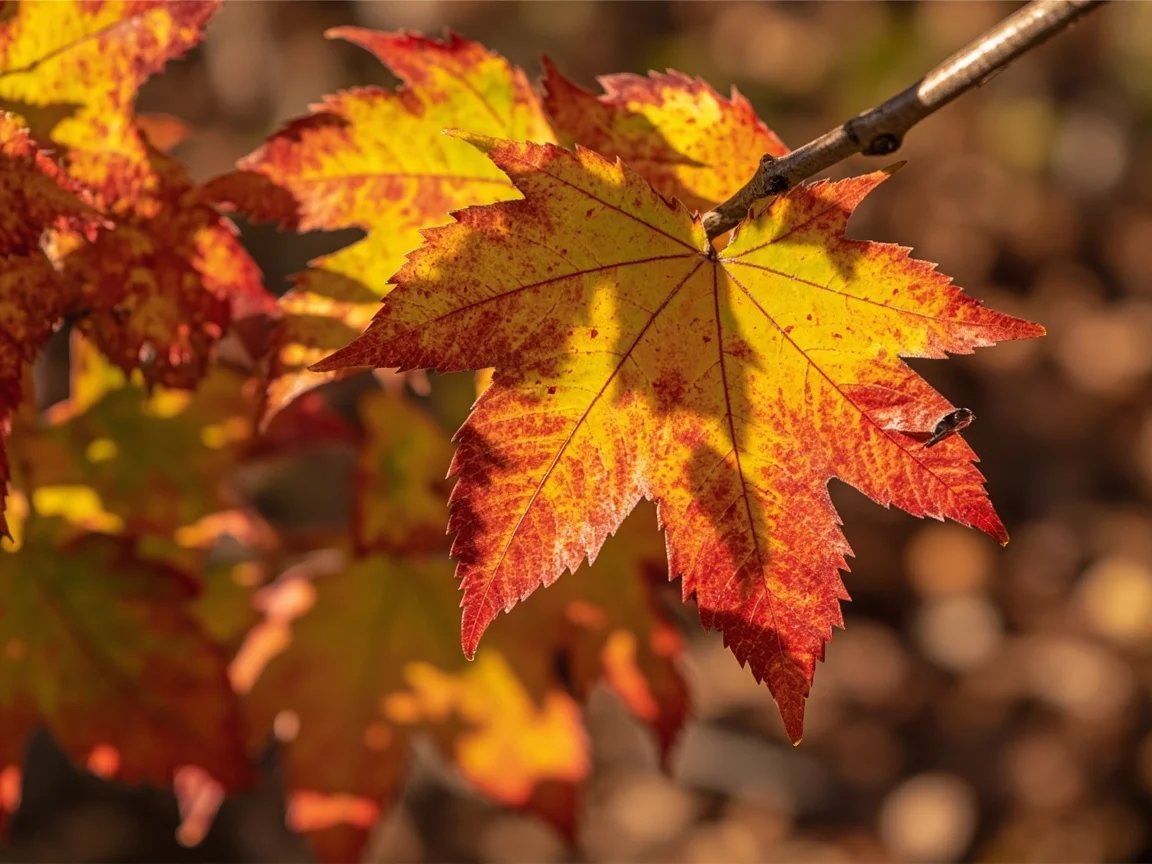
This is an adjustable New England Fall Foliage itinerary template—not a checklist that must be ticked off one by one. If the leaves haven't turned yet, or a storm or mountain road closure hits, swap stops for small-town museums, farms, cafés, and indoor dining. After November, some scenic area facilities enter seasonal shutdown—double-check opening hours before booking.
Which mistakes are most likely to ruin a fall foliage self-drive?
- Underestimating each day's drive time: country roads have many curves and low speed limits; maps don't account for fuel stops, lunch, photography, and weekend traffic—add a 25%–35% buffer.
- Staying in a different city every night: frequent hotel changes eat half a day and add luggage and parking costs; Woodstock and North Conway are worth two consecutive nights each.
- Booking only non-refundable rooms: weather changes will reshape mountain plans—prioritize cancellation deadlines and weekend minimum-stay requirements.
- Parking on the road shoulder: some shoulders are narrow and on private land—always use areas marked Parking, Trailhead, or Visitor Center.
- Over-relying on offline maps: download offline maps before departure, and save fuel stations, visitor centers, and lodging addresses; signal can be unstable in valleys.
- Chasing the last light into a night drive: temperatures drop fast after sunset—curves, animals, and slippery leaves all raise risk; start heading back before 17:00.
- Ignoring weekends and holidays: in fall, popular small towns, trailheads, and gondola stations queue easily—tickets, fuel, and supplies should be done the day before.
- Treating gondolas or scenic railways as guaranteed to operate: strong winds, storms, and mechanical maintenance can cause shutdowns—always have a low-altitude backup plan.
- Crossing three states in one day: interstate jumps look varied on paper, but the real experience is often fragmented by traffic. Focus each day on one region for a true in-depth tour rhythm.
- Flying drones over valleys: many parks, reserves, and private lands restrict flight—verify each location's rules before departure; don't assume open skies mean clearance.
Frequently Asked Questions
When is the best time to depart for New England's fall foliage season?
Late September to mid-October is usually ideal, but northern Vermont, the high White Mountains, and coastal areas turn at different times—keep checking park and state tourism information 7–10 days before departure.
Do I have to rent a car for the entire 5-day trip?
Not necessarily. From Boston, you can reach some towns by bus or regional transit, but to flexibly explore valleys, trailheads, and country sights, renting a car usually saves time.
Can elderly travelers or children complete this route?
Yes. Center the trip on Cannon Mountain, short sections of the Kancamagus Highway, and farms, and reduce long mountain hikes; children also need restraint systems appropriate for car seats.
Further Reading / References
- New England geography and regional overview
- National Park Service ng Estados Unidos (NPS) travel information
- Vermont official tourism website
- The New York Times travel section
Leave expectations to the weather and time to the scenery that truly makes you stop—may this 5-day itinerary help you take in New England Fall Foliage with ease.
Kaugnay na artikulo
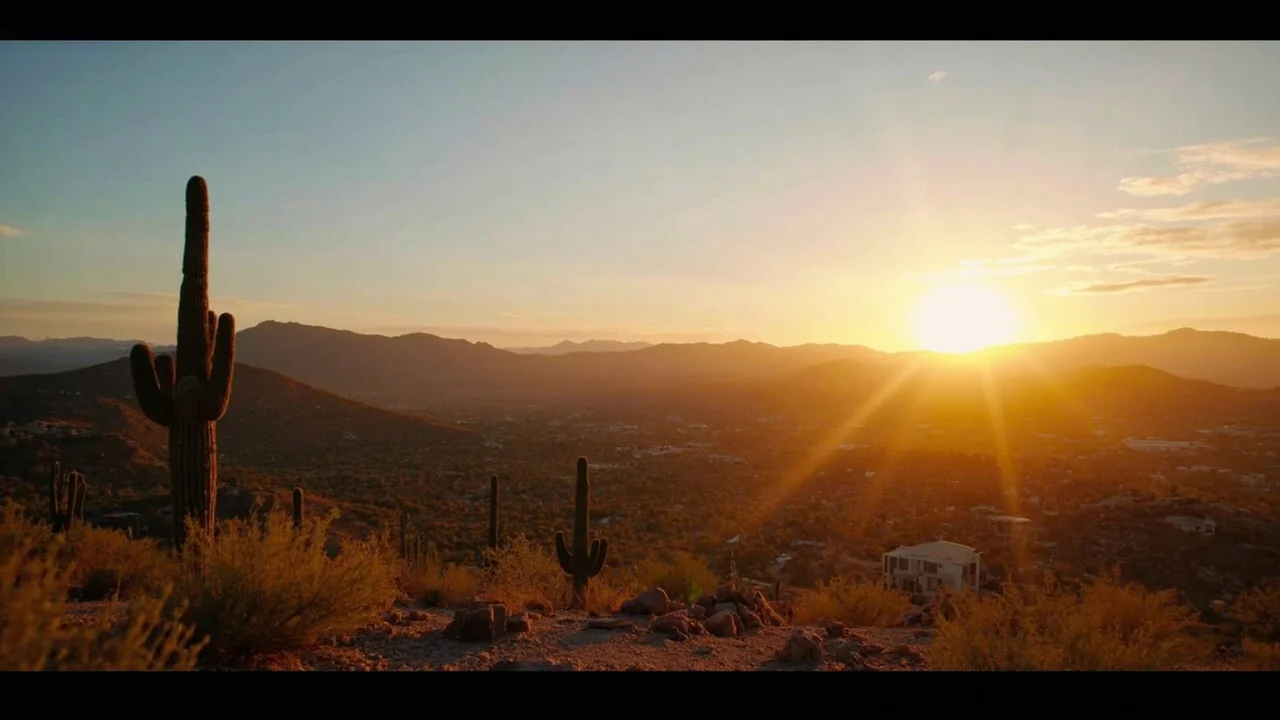
things to do in phoenix this weekend kailan ang pinakamagandang pumunta: 2026 na taunang weather,客流 at price curve kumpletong paghahambing
Kailan ang pinakamurang weekend sa Phoenix? Gamit ang artikulong ito, 12 buwang weather temperature, scenic spot客流, at hotel average price na tatlong kurba para sa 2026 ay lubos na inihahambing, na minamarkahan ang pinakamaganda at pinakamasamang buwan, at ibinibigay ang desert climate food exploration时段, rainy season避坑 points, at holiday price peak, na makakatulong sa iyo na i-optimize ang halaga at karanasan ng iyong weekend itinerary nang sabay.

Long Beach 5-Day In-Depth Itinerary Template: Daily Route, Transport Connections at Time Allocation
Ang Long Beach 5-day in-depth itinerary template na ito ay nagde-decompose ayon sa araw ng mga daily route, transport connections at time allocation, habang isinasaalang-alang ang local restaurants at ang节奏 ng mga hindi pangkaraniwang distrito sa ilalim ng food exploration category. Mula sa seaside walk sa unang araw hanggang sa isla day-trip sa ikalimang araw, ang lahat ng mga node ay minarkahan ng oras at paraan ng paglilipat, na makakatulong sa iyo na mabawasan ang oras ng paghihintay at pagpila, at makakuha ng tunay na maisasakatuparan na Long Beach itinerary planning reference.

Salt Lake City Kaligtasan at Kalusugan: 7 Mahahalagang Paalala para sa Mas Payapang Biyahe
Ang Salt Lake City ay sikat na destinasyon para sa self-guided tour at self-drive, ngunit ang mataas na elevation, tuyong klima, at outdoor na kapaligiran ay nagdudulot ng mga natatanging hamon sa kaligtasan. Nagsama-sama ang artikulong ito ng 7 mahahalagang paalala—sumasaklaw sa kalinisan ng pagkain, emergency na kontak, pagpili ng tuluyan, at seasonal na mga panganib—upang matulungan ang mga manlalakbay na masayang tuklasin ang kapital ng cuisine at kalikasan sa kanluraning Amerika, na may mas maayos na karanasan sa in-depth tour.
best time to visit charleston in the fall: Paano pumunta nang pinaka-maginhawa — 4 na pangunahing transportasyon na paghahambing at gabay sa pagbili ng tiket
Ang Charleston sa taglagas ay may kaaya-ayang klima at saganang pista, kaya isa itong mainit na travel window. Nakasentro ang artikulong ito sa best time to visit charleston in the fall at nagtitipon ng 4 na pangunahing transportasyon — self-drive, eroplano, tren, at long-distance bus — kasama ang oras, presyo, kalamangan at kawalan, at mga channel ng pagbili ng tiket. Matutulungan ka nitong marating ang destinasyon sa pinakamababang gastos, na may mga karaniwang pitfall na tip at pinakamagandang panahon ng paglalakbay.
Isang propesyonal at maalalahaning travel assistant website, nakatuon sa pagbuo ng one-stop na platform para sa pagpaplano ng biyahe at pagtuklas ng mga destinasyon. Pinagsasama-sama ng platform ang napakaraming de-kalidad na travel resources, patuloy na nagbibigay ng iba't ibang itinerary inspiration na sumasaklaw sa niche na lokal na destinasyon at sikat na internasyonal na destinasyon. Naglalaman din ito ng detalyado at praktikal na mga travel guide, kabilang ang mga rekomendasyon sa pagkain at accommodation, gabay sa transportasyon, at mga tip para maiwasan ang pitfalls, kasama ang mga smart travel tools na nag-customize ng mungkahi batay sa haba ng biyahe, badyet, at mga kagustuhan, na pinapasimple ang kumplikadong proseso ng paghahanda at ginagawang stress-free at puno ng mga bagong karanasan ang bawat biyahe.
Tingnan lahat ng artikulo →