
Arches National Park 2-Day Itinerary: Health & Emergency Tips
This Arches National Park travel guide focuses on the health and emergency details of a 2-day Arches itinerary: which months to avoid the heat, how to stay hydrated and protected from the sun while driving, what to prepare before hitting the must-see trails, and a response checklist for emergencies like heatstroke, dehydration, vehicle breakdowns, and getting lost. Read it before you go for a safer and more relaxed 2-day Arches trip.
Arches National Park 2-Day Itinerary: Best Months & Self-Drive Plan
If you're only planning to spend 48 hours in Arches National Park, what you should think about first isn't which arches to see, but which month to go, how to plan your self-drive route, and whether your body and car will conk out under the scorching sun. According to 2025 NPS statistics, the park receives about 1.7 million visitors per year, with daily highs approaching 8,000 people during April–October, and parking lots essentially full before 10 a.m. (source: NPS Arches Stats). This Arches National Park travel guide breaks things down into 3 common scenarios and ends with a "don't do this" list of common mistakes.
Best Months to Beat the Heat: October & March Are the Golden Windows
Many self-drive travelers through the American West plan Arches for summer, only to be shocked once they reach Moab: ground temperatures easily hit 45°C, and heat advisories come out almost every other day.
- Avoid June–August: Daytime temperatures routinely hit 38–42°C with no shade on the trails; the round trip to Delicate Arch is nearly 5 km and you'll need to drink at least 1.5 liters of water to be safe.
- October and April are top picks: Daytime 20–27°C, nighttime 5–10°C — comfortable for hiking without shivering.
- December–February may bring snow and road closures: The park will temporarily close parts of Devil's Garden, so self-drivers should check NPS alerts before departure.
If you can only travel during holidays, Thanksgiving and Presidents' Day are relatively comfortable windows, but book accommodation in Moab town 2 months in advance.
Self-Drive Itinerary: 2-Day Route & 4 Water Refill Stops
A 2-day Arches itinerary works best by self-drive, and even with tight timing you can see 80% of the must-see spots. Highly recommend staying in Moab town and leaving from there each day — only a 10-minute drive to the park's north entrance.
Day 1: Classic Arch Route
- Enter at 7:00 a.m., head to Devils Garden first for Landscape Arch and Double O Arch — 8 km round trip, the longest trail in the park.
- Back at the Windows Section by 10:00 a.m., see North Window, South Window, and Turret Arch on a 1.5 km loop that even older visitors and kids can handle.
- After 4:00 p.m., head to Delicate Arch for sunset — a photography classic, but bring 2 liters of water and a headlamp.
Day 2: Hidden Angles & Balanced Rock
- Enter Sand Dune Arch at 8:00 a.m.; the shaded sandy ground is a favorite with kids.
- At 9:30, see Balanced Rock and Double Arch — just a 5-minute stop from the roadside.
- In the afternoon, visit Fiery Furnace — a guided tour must be reserved in advance through NPS, otherwise you can only view from a distance.
Water refill points along the way: Visitor Center, north entrance, Devils Garden trailhead, Delicate Arch parking lot — don't skip any of them.
Heatstroke & Dehydration: 5-Step On-Site Response Checklist
Among Arches National Park health risks, the most common aren't falls or snakebites — it's dehydration-induced heatstroke. Sweat evaporates fast in the desert, and by the time you feel thirsty your body may already be 2% dehydrated.
- Recognize the signs first: Dizziness, nausea, hot skin without sweating, racing heartbeat — stop immediately, do not keep walking.
- Move to shade right away: Even the shadow of a single rock helps; avoid direct sun to prevent worsening symptoms.
- Rehydrate with electrolytes: Sip a sports drink or salted water (1/4 teaspoon salt per liter) in small amounts, do not chug.
- Cool down: Apply wet wipes to the carotid artery, armpits, and groin; if needed, pour water on clothing to carry heat away.
- Seek medical help if it worsens: Confusion, seizures, or vomiting more than twice — call 911 immediately. Emergency response inside the park takes about 15–25 minutes (source: Moab Regional Hospital).
Recommend at least one person in the group has basic first-aid training, and keep a thermometer, electrolyte powder, and extra water in a backpack within reach of the front passenger.
Arches National Park Emergencies: Breakdowns, Getting Lost, Sudden Weather
Another major risk of a free-and-easy self-drive trip through the desert is spotty cell service. If your vehicle breaks down or you stray off-trail, the response is completely different from the city.
- Vehicle breakdown: Move all passengers outside to the shaded side of the car and pop the hood to signal for help; don't linger on the asphalt — surface temperatures in July–August at Arches can burn through your shoe soles.
- Off-trail and lost: Stay put and use GPS to mark your current location; if signal is weak, use the iPhone SOS satellite feature (iPhone 14 and newer) — Moab-area coordinates can be sent.
- Sudden thunderstorm: The tall rock formations at Arches are natural lightning conductors — if you see lightning, retreat immediately and avoid trail summits and isolated arches.
- Wildlife: Don't approach rattlesnakes; detour at least 5 meters. If a coyote appears, don't feed it and don't run.
Don't Do This: 6 Common Mistakes at Arches National Park
Finally, the "mistakes to avoid" list for this Arches National Park travel guide. Based on hundreds of visitor reviews and incident reports over the past 7 days, here are the 6 most common — and most dangerous — behaviors.
- Hiking to Delicate Arch between 12–3 p.m.: Strong ground glare and the day's peak temperatures make this a heatstroke hotspot.
- Bringing only 1 bottle of water: Refill points are spaced far apart; 1 bottle won't last past the middle of Devils Garden.
- Hiking in sandals or flip-flops: Sand temperatures can burn your soles — sunglasses, hat, and hiking shoes are standard.
- Illegally parking by the roadside for views: Fines for illegal parking start at $250, and stopping is prohibited in some sections.
- Going into Fiery Furnace without checking NPS alerts: Entering without a guided permit can result in fines up to $5,000 and damages fragile desert crust.
- Driving at night right after dinner: US-191 outside Moab frequently has moose and deer crossings; nighttime accident rates are notably higher than daytime.
FAQ
Q1: Is a 2-day Arches itinerary enough? Yes. 2 days covers 90% of the classic arches, including Delicate Arch, Devils Garden, Windows Section, Double Arch, and Fiery Furnace.
Q2: Which month is most comfortable to visit Arches? October and April are ideal, with 20–27°C days and cool nights, great for both hiking and photography; December–February may bring road closures, so check NPS before departure.
Q3: Do I need a reservation for Arches National Park? Starting April 2025, the park requires a Timed Entry reservation. During peak season (April–October), reservations are required between 7 a.m.–4 p.m. and must be booked in advance on recreation.gov — free, but spots are limited.
Further Reading & References
- Arches National Park - Wikipedia
- NPS Arches official entry and weather information
- Utah Office of Tourism
- Lonely Planet Arches National Park Guide
For a 2-day Arches National Park itinerary, remember: "leave early, return late, and stay in the shade at midday." Bring plenty of water, check the weather, and don't park illegally — even the most spectacular arch requires energy to reach. Save this Arches National Park travel guide for next time and review the checklist before departure to stay calm in the desert.
Related articles

Complete Baltimore Solo Travel Guide: 7 Safe, Free and Hassle-Free Itineraries
How to plan a Baltimore solo trip that's both safe and hassle-free? This guide offers 7 itinerary plans designed specifically for solo travelers, covering accommodation, food, seasonal and holiday travel rhythms, plus popular Baltimore attractions and hidden gems. The first half is an FAQ addressing common questions, while the second half compiles a clear pitfall avoidance checklist, making your Baltimore solo trip a truly free and in-depth city experience.

Philadelphia 5-Day In-Depth Itinerary Template: Daily Routes, Transit Connections & Time Allocation
This Philadelphia 5-day in-depth itinerary template breaks down each day's route, subway and walking connections, and notes suggested visit durations and off-peak times for every attraction to help you avoid crowds. Whether it's your first visit or a return trip, you can follow the plan and string together Independence Hall, the Philadelphia Museum of Art, and Reading Terminal Market in one efficient sweep through this historic city.

Everglades National Park Safety & Health: 7 Must-Know Tips for a Worry-Free Trip
Planning a visit to Everglades National Park? This unique subtropical wetland offers breathtaking scenery, but mosquitoes, alligators, and sudden weather changes can disrupt your trip. This article covers 7 key safety and health tips, covering pre-trip prep, in-park driving, wildlife viewing on foot, and emergency contacts, helping you effectively reduce risks. Whether it's your first visit or you're a seasoned explorer, you'll find practical info to make your Everglades trip safer and more enjoyable.
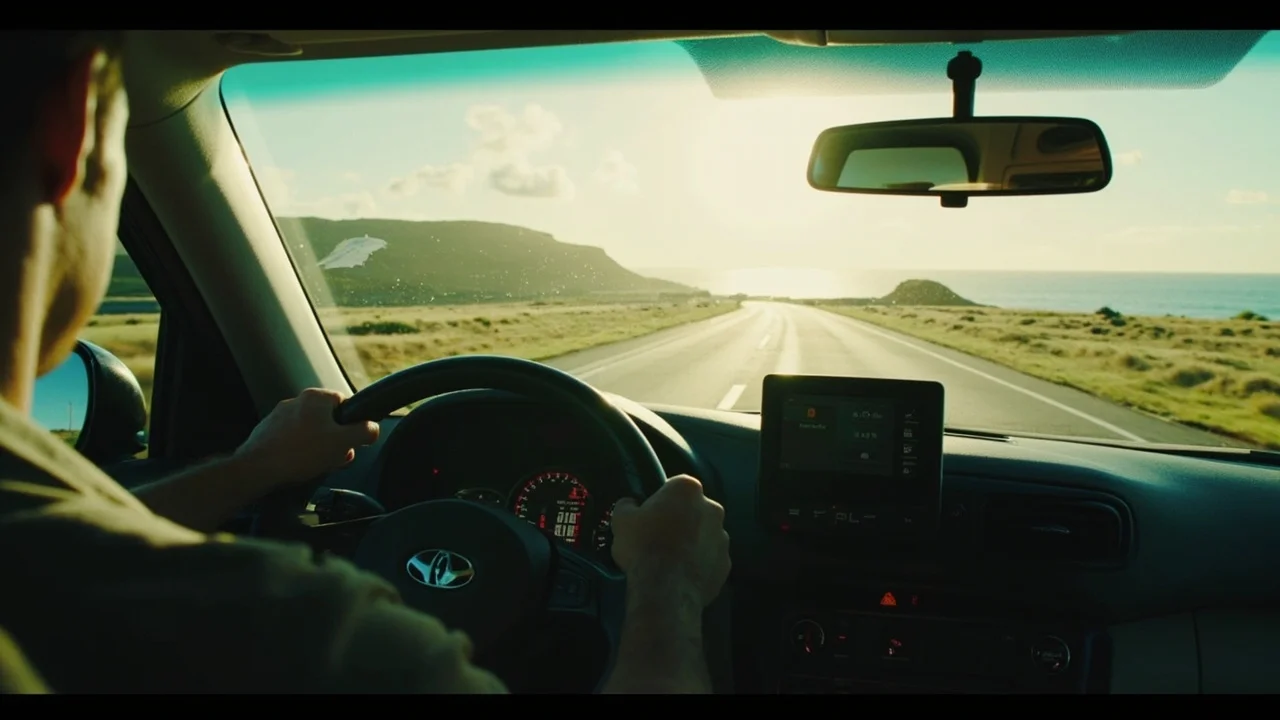
Best Time to Visit Maui Reddit: How to Get There Most Conveniently – Comparison & Booking Guide for 4 Main Transport Options
Want to visit Maui but unsure how to get there? This transport guide, built around the best time to visit Maui Reddit discussion, compares 4 mainstream options — self-drive, flight, train, and private car — listing the price range, travel time, and ideal users for each, along with official booking sites and ticket-snagging tips, helping you avoid peak-season surcharges and layover traps and lock in the most convenient route in one go.
A professional and thoughtful travel assistant website, dedicated to building a one-stop platform for trip planning and destination exploration. The platform brings together a wealth of high-quality travel resources, delivering diverse itinerary inspiration covering niche domestic getaways and popular overseas destinations. It also offers detailed and practical travel guides, including dining and accommodation recommendations, transportation tips, and pitfall avoidance advice, along with smart travel tools that customize suggestions based on trip duration, budget, and preferences, simplifying the complex preparation process and making every trip stress-free and full of new experiences.
View all articles →