
Best Time of Day to Visit Big Sur: 9 Practical Tips Only Experienced Travelers Know—Your Stress-Free Pre-Trip Guide
The best time of day to visit Big Sur is not just about when to see the ocean; it also determines where you stay and how you organize your trip. From viewpoints and room orientation to floor noise, length-of-stay discounts, cancellation policies, and differences between vacation rentals and hotels, experienced travelers share 9 practical tips to help you avoid parking issues, tides, last-minute price changes, and other headaches while planning a Big Sur trip.
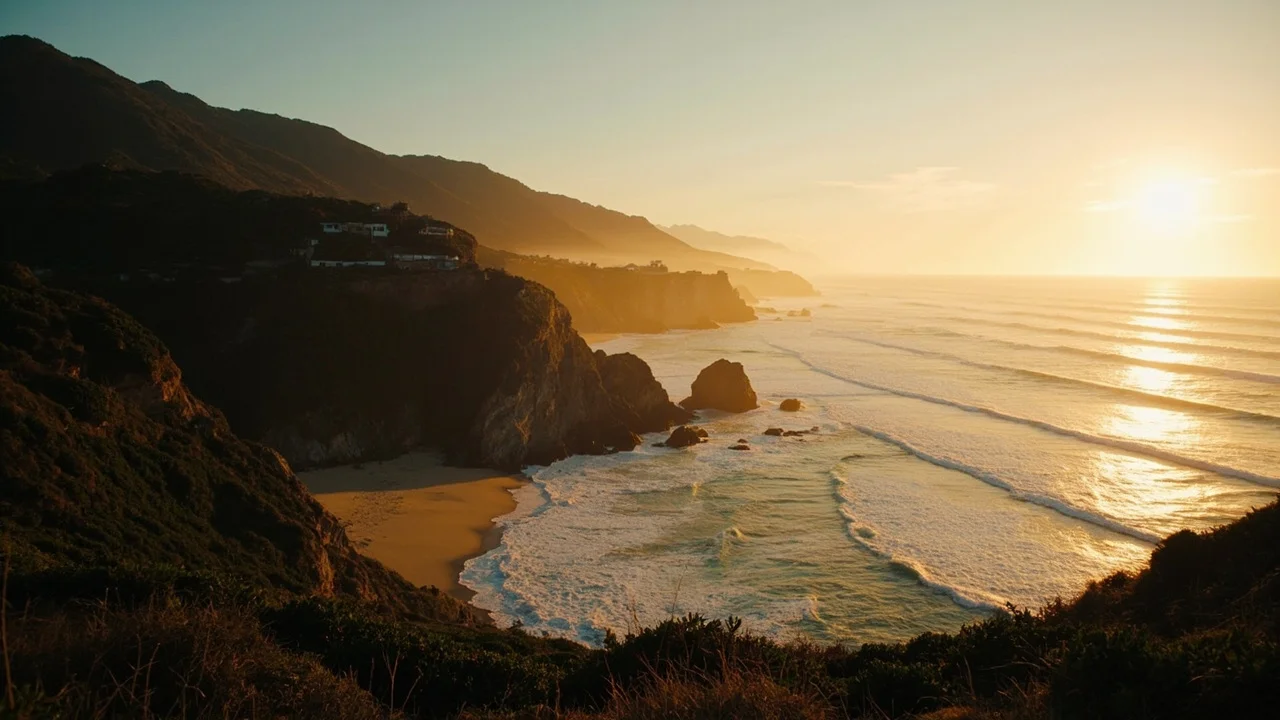
What do most people overlook when booking Big Sur accommodation?
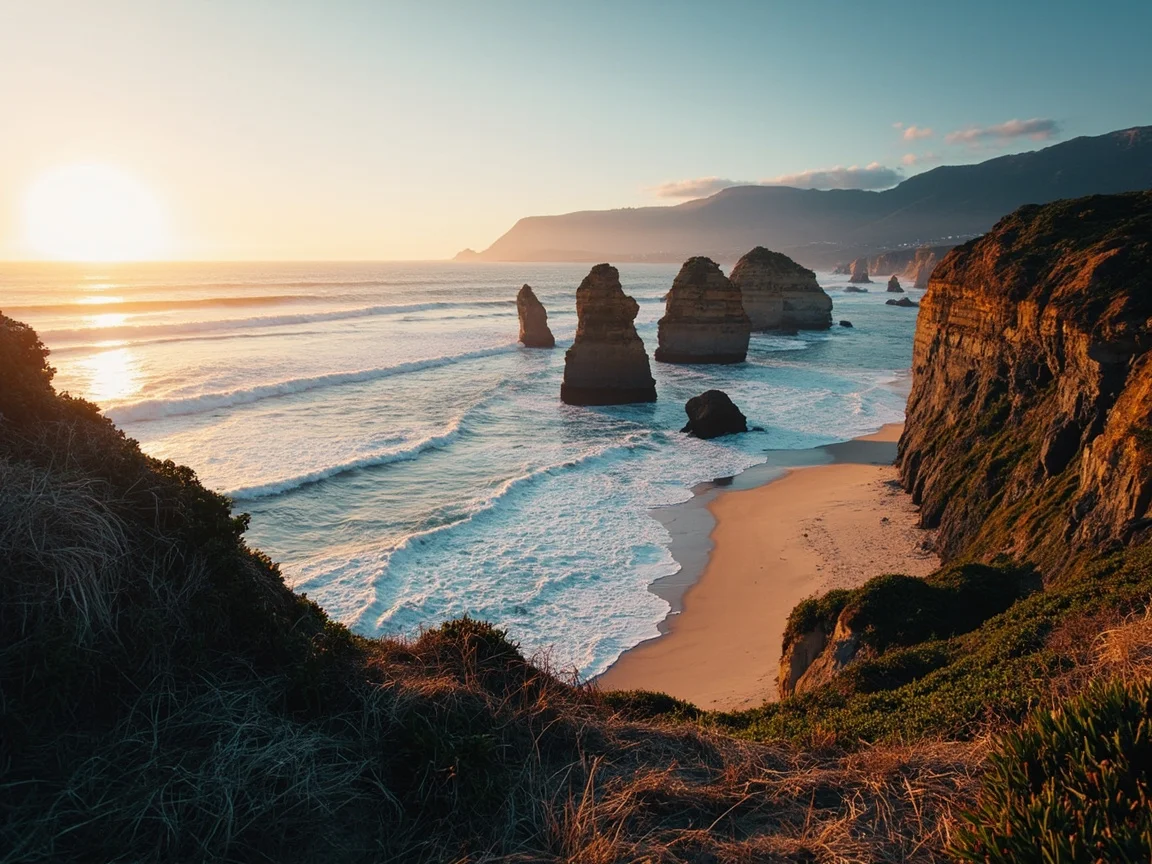
If you are researching the best time of day to visit Big Sur, what affects your experience is often not just the hour you go to see the ocean, but where you stay, which room type you choose, and whether the booking rules can accommodate changing weather and tides. According to 2025 National Park Service data, weather and road conditions along the Big Sur coast can change rapidly, and last-minute price increases, sold-out rooms, and cancellation disputes are common. Here are 9 practical tips covering location, room type, cost, and safety to help self-drive and self-guided travelers book with greater confidence.
How do you choose a Big Sur location that balances ocean views and travel efficiency?
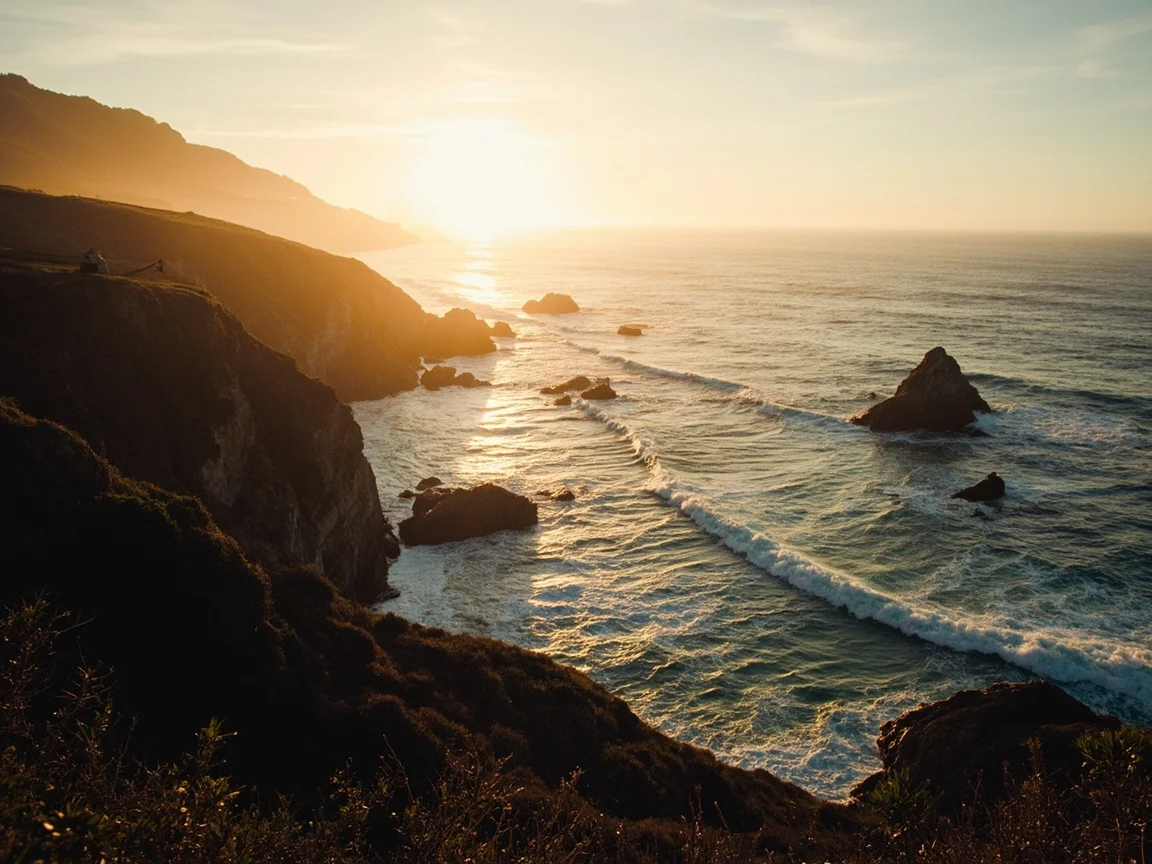
When choosing Big Sur accommodation, the closest option to the ocean is not automatically the best. Start by identifying the focus of your itinerary. Different communities are spread along the highway from south to north. Staying near America or farther south suits itineraries centered on McGreevy, Felton, and nearby attractions; going north may shorten the drive to more remote coastal areas. A “near Big Sur” label on a booking platform does not mean major attractions are only minutes away, as mountain roads, sharp turns, and seasonal traffic can significantly extend travel times.
When booking, check the map distance, road conditions, and the location of the nearest gas station. For an in-depth tour, staying three nights or longer in one place is generally less stressful than switching hotels frequently, but allow extra time for daily driving. Popular properties often sell out during holidays and summer weekends, making a free cancellation policy more valuable than the lowest rate. If the weather is uncertain, prioritize rooms with free cancellation and clearly stated parking arrangements.
To determine the best time of day to visit Big Sur, consider your room’s orientation as well. West-facing rooms generally offer better sunset views, while east-facing rooms are better for welcoming the morning coastal light. Always check sunset, tide, and cloud-cover forecasts before departure rather than booking a room solely for a fixed viewing time.
Big Sur hotels vs. vacation rentals: which is better for self-drive travelers?
Big Sur hotels generally offer more consistent service, helpful local information from the front desk, clearer parking procedures, and social common areas. Vacation rentals more often include a private kitchen, laundry facilities, and larger living spaces, making them suitable for groups, travelers who plan to cook, and self-guided visitors staying longer. Neither option is universally better; the best choice depends on your luggage, driving experience, and length of stay.
When traveling with three or more people, confirm the room’s actual occupancy and extra-bed policy. Some mountain vacation rentals and hotels use pull toilets, portable water treatment systems, or separate water tanks, so travelers who care about these features should ask in advance. Road construction or severe weather may also affect electricity and water supplies, so do not assume every facility operates as reliably as it does in a city hotel.
A vacation rental-versus-hotel comparison should consider more than interior photos. Check whether the cancellation policy covers road closures or weather events. When visiting America, Big Sur, and coastal areas farther north, use your accommodation as a stable base and take short daily drives instead of moving your luggage frequently.
How can room type and floor orientation help you avoid noise and moisture?
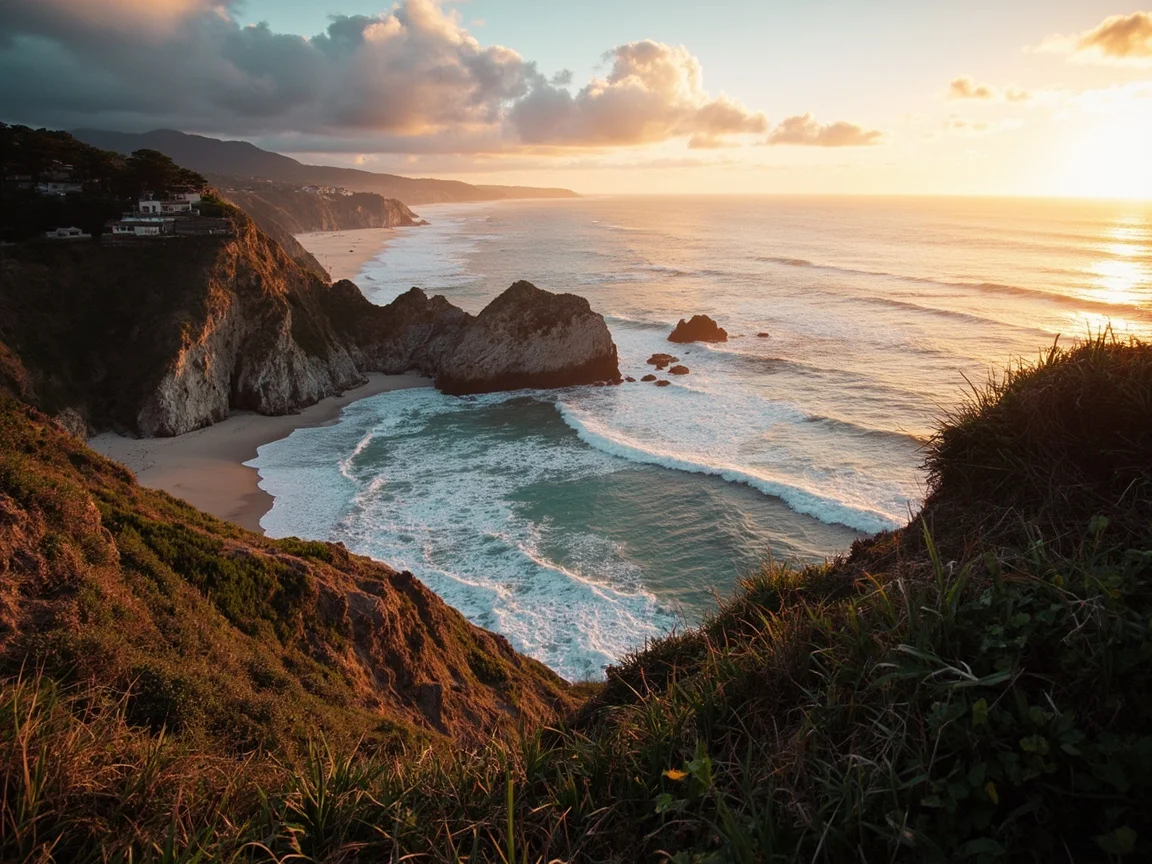
Common Big Sur hotel room types include ocean-view rooms, courtyard rooms, mountain-view rooms, and suites. Ocean-view rooms have excellent views but are not necessarily quiet all day. Rooms near the main road or parking area may experience traffic noise, while rooms near dining areas may be affected by voices, dishes, and waste collection. If you are sensitive to noise, give up some of the view rather than booking solely because a room faces the ocean.
Floor choice also requires careful consideration. Higher floors generally provide broader views and less ground-level moisture, but they may also bring stronger wind, more stairs, and higher prices. Lower floors are easier to access but may have moisture, insects, or early-morning construction noise. Buildings near cliffs are more exposed to sea winds, so shifting furniture and nighttime wind are not uncommon.
When choosing a room, consider whether the windows are well sealed and whether blackout curtains, air conditioning, or heating are provided. Humidity can be high during the fog and rainy seasons, causing walls to become damp. Bring a small amount of moisture-absorbing supplies, ventilate the room before leaving, and keep valuable electronics away from windows for extended periods. Do not place towels or luggage directly against exterior walls.
How should you compare length-of-stay discounts and cancellation policies to avoid last-minute price increases?
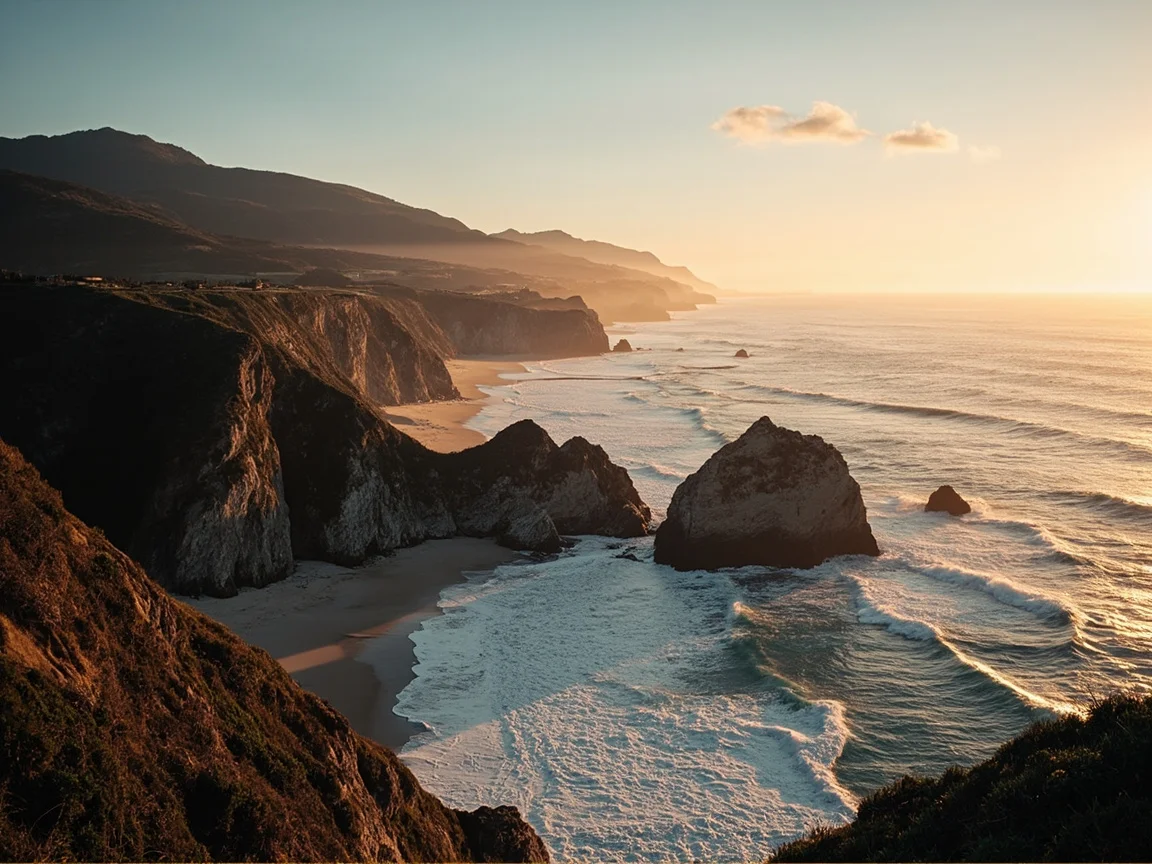
Whether a length-of-stay discount is worthwhile cannot be determined by the saying that longer stays are always cheaper. First calculate parking, fuel, meals, and the inconvenience of moving hotels during your full itinerary, then compare the tax-inclusive total. Some platform discounts do not apply on weekends, holidays, during peak season, or to nonrefundable rooms, and the final price usually cannot be confirmed until you enter specific dates.
Self-guided travelers can use a “double safeguard” by prioritizing free cancellation while also watching for member rates or length-of-stay offers. If a discount requires a nonrefundable booking, weigh it against the potential cost of changes involving roads, weather, or work commitments. According to Booking.com’s 2025 platform policy information, accommodation terms vary by property and date. Cancellation deadlines may be calculated in local time, and not every reservation supports cancellation until the day before arrival.
The key to avoiding last-minute price increases is to secure transportation hubs or planned road sections in advance. Parts of the Pacific Coast Highway may close temporarily because of rockfalls, repairs, or storms. If a closure occurs, do not turn onto an unverified side road without confirmation. Before booking, ask about stairs, luggage handling, and parking restrictions; this is more important than chasing a low price alone.
Essential safety details for watching sunrise and sunset from Big Sur accommodation
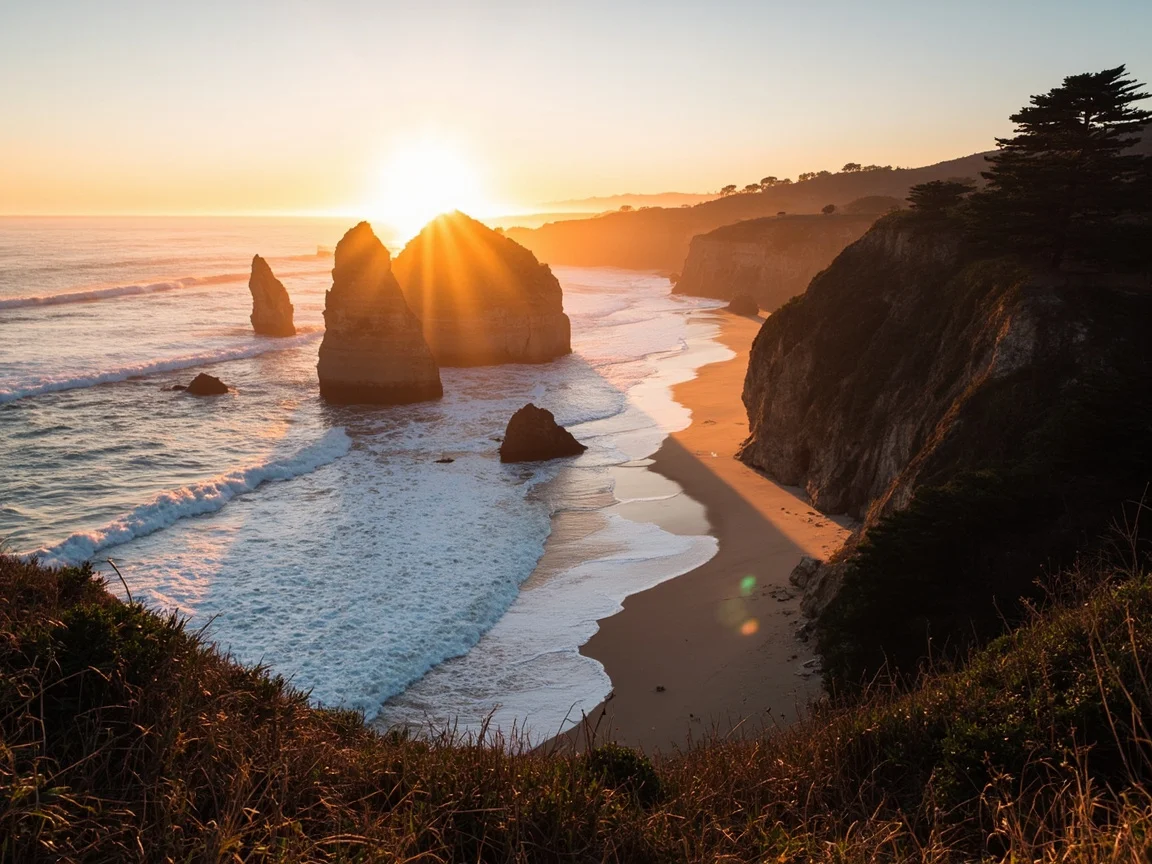
If the best time of day to visit Big Sur is your main goal, early morning and late afternoon are generally the best times for coastal views. Morning light is soft and crowds are lighter, while the period around sunset reveals the layered scenery of sea cliffs, evening colors, and the Pacific coast. However, the “best time” varies with the season, cloud cover, and tides. Allow an hour after sunrise and before sunset for easier photography and dining plans.
When taking photos near cliffs, stay away from unprotected cliffside areas. Never climb over barriers or enter private property for a better shot. Strong sea winds can instantly carry away hats, cameras, and lightweight objects. Coastal areas can be dark at night, so use a flashlight before returning and wear shoes with good traction.
Emergency communications in the mountains may be unreliable, and mobile signal strength can vary with the terrain. Download offline maps, carry a power bank, and save local emergency contact numbers. Do not enter closed roads or follow navigation into unpaved forest tracks. If severe storms, landslide risks, or unusually large waves are forecast, follow local authorities’ guidance and adjust your viewing plans and accommodation schedule accordingly.
A veteran traveler’s 9-item pitfall checklist
First, do not rank properties solely by distance from the ocean; driving distance better reflects real travel times. Second, do not assume the booking page displays the final tax-inclusive price. Third, do not overlook the impact of nonrefundable reservations when the weather changes. Fourth, ocean-view rooms are not necessarily quiet, so use caution near the main road and dining areas. Fifth, confirm occupancy and extra-bed arrangements before booking for three or more guests. Sixth, water, electricity, and communications may be disrupted in the mountains, so do not rely on immediate services. Seventh, ask in advance about parking space, entrance slopes, and luggage handling. Eighth, never cross barriers or enter closed areas when photographing cliffs and coastlines. Ninth, confirm accommodation at least several weeks ahead for holidays and leave flexibility for Pacific Coast Highway construction or weather disruptions.
If your trip lasts only one night, prioritize the coastal area you most want to see rather than changing hotels too often to collect more checkmarks. For a three-to-five-night stay, consider splitting the trip between America and the smaller communities along the coast. Reviewing tides, sunset, weather, and road notices the day before departure can prevent many last-minute problems.
Frequently asked questions
What is the best month to visit Big Sur, and is it also a good time to book accommodation?
Weather is generally more stable from late spring to early autumn, but availability is tight during peak season. Winter can bring heavy rain and road disruptions. Choose a refundable room and plan coastal viewing times around the tides.
Can I watch the sunset from accommodation near America?
Many coastal locations offer sunset views, depending on the terrain and room orientation. Check recent guest photos and potential obstructions when booking, and allow extra travel time before sunset.
How far in advance should I book Big Sur accommodation?
Holiday weekends, summer weekends, and rooms with views generally require booking several weeks ahead; popular dates should be secured as early as possible. Verify the cancellation policy first, then compare length-of-stay discounts with the total cost.
Further reading and references
- Overview of Big Sur’s geography and coastal environment
- Official Big Sur information from the National Park Service
- Official Visit California travel guide
- Lonely Planet Big Sur travel advice
A note for readers: choose the location first, then select the room type and cancellation rules; leave room in your plans for changing weather. Only then can the best time of day to visit Big Sur truly be a relaxed part of your journey.
Related articles
Best Time to Visit Phoenix Desert Botanical Garden: 5-Day Itinerary Template with Daily Routes, Transfers and Time Allocation
A 5-day deep itinerary template for the best time to visit Phoenix Desert Botanical Garden, covering daily sightseeing plans, transport transfers and time allocation, plus hotel locations, room types, multi-night discounts and cancellation policy comparisons to help you avoid peak heat and crowds.
summer destinations not too hot TOP 10: Popular Experience Rankings and a Guide to Destinations Worth the Trip
The summer destinations not too hot TOP 10 list ranks destinations by summer comfort, popular experiences, transport convenience and accommodation value, selecting places that are worth a dedicated journey. The guide covers price comparison across platforms, location choice, room type comparisons, floor and orientation, length-of-stay discounts, cancellation policies, plus the differences between homestays and hotels and safety notes, to help you plan a cool and comfortable summer stay.
Complete Black Hills Solo Travel Guide: 7 Safe, Free-and-Easy Lodging Options
This complete Black Hills solo travel guide focuses on lodging choices, handpicking 7 safe, free-and-easy options. It covers platform price comparison, location selection, room type comparison, floor and orientation tips, length-of-stay discounts, and cancellation policies, while detailing the differences between vacation rentals and hotels. Whether you're a first-time solo traveler or a seasoned explorer, you'll find the right place to stay in the Black Hills to explore this land with confidence.
Hotels in Yellowstone National Park Wyoming: Best Months to Visit – Complete 2026 Weather, Crowds & Price Curve Comparison
What is the best month to visit hotels in Yellowstone National Park Wyoming? This guide uses three full-year curves—2026 weather, crowds, and pricing—to break down monthly hotel averages, occupancy rates, and weather comfort, showing you how to avoid peak season in the May–September busy period and which park-area lodges remain open during the December–March off-season.
A professional and thoughtful travel assistant website, dedicated to building a one-stop platform for trip planning and destination exploration. The platform brings together a wealth of high-quality travel resources, delivering diverse itinerary inspiration covering niche domestic getaways and popular overseas destinations. It also offers detailed and practical travel guides, including dining and accommodation recommendations, transportation tips, and pitfall avoidance advice, along with smart travel tools that customize suggestions based on trip duration, budget, and preferences, simplifying the complex preparation process and making every trip stress-free and full of new experiences.
View all articles →