
summer destinations not too hot TOP 10: Popular Experience Rankings and a Guide to Destinations Worth the Trip
The summer destinations not too hot TOP 10 list ranks destinations by summer comfort, popular experiences, transport convenience and accommodation value, selecting places that are worth a dedicated journey. The guide covers price comparison across platforms, location choice, room type comparisons, floor and orientation, length-of-stay discounts, cancellation policies, plus the differences between homestays and hotels and safety notes, to help you plan a cool and comfortable summer stay.
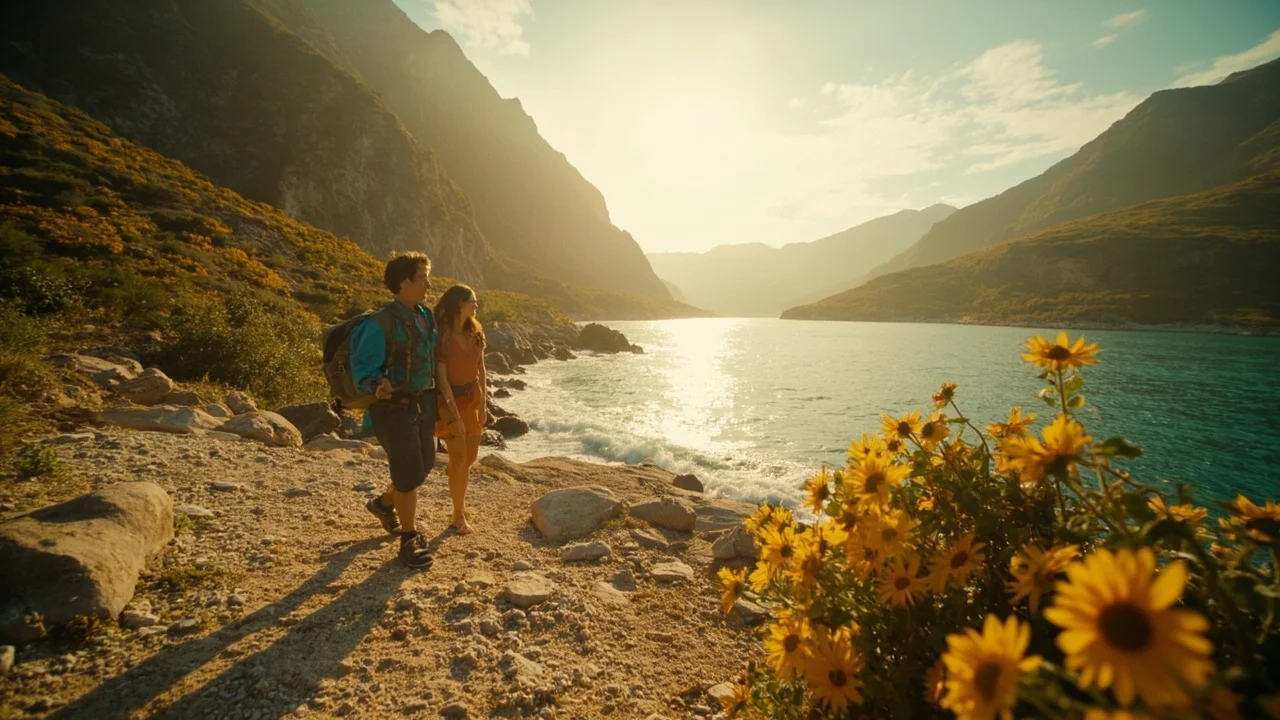
TOP 10 Cool Summer Destinations: Popular Experience Rankings and a Guide to Dedicated Travel
Among so many summer destinations not too hot, how do you find places that are cool, worth the dedicated journey, and where you won't get burned when booking accommodation? According to 2025 trend data from the World Tourism Alliance, more and more travellers put average temperature, accommodation prices and variety of experiences on the same checklist. This ranking selects 10 cool travel destinations based on summer comfort, popular experiences, transport convenience and accommodation value, and offers a summer accommodation guide covering price comparison, room type comparisons, floor and orientation, length-of-stay discounts and cancellation policies, helping self-guided travellers, self-drivers and in-depth travellers book with confidence.
TOP 10 Cool Summer Destinations — Popular Experience Rankings
No. 1: Lofoten Islands, Norway
Lofoten lies near the Arctic Circle, with long summer days; fjords, sea fishing, birdwatching and island villages combine naturally into an in-depth route. Accommodation is mainly holiday homes, sea-view apartments and boutique hotels; walking is convenient from the harbours, but prices are usually higher. Highlight: Fjords and fishing villages under the midnight sun are highly distinctive. Best for: Travellers who value natural scenery, photography and slow-paced itineraries.
No. 2: Queenstown, New Zealand
Queenstown is surrounded by lakes and mountains, and summer suits hiking, cruises, skydiving and golf. Restaurants, shops and public transport cluster in the town centre; when choosing a mountain-view apartment or lake-view hotel, compare whether breakfast, parking and lake-view fees are included. Highlight: A lake cruise and a mountain trail can both be done in one day. Best for: Travellers who love nature and outdoor activities and are willing to pay a premium for location.
No. 3: Banff, Canadian Rockies
Banff National Park offers lakes, hot springs, glacier trails and wildlife viewing, and summer remains a popular season. Most in-town hotels sit in the tourist core with full facilities; outlying cabins suit families and self-drivers better, but you should check road conditions and kitchen facilities. Highlight: National park scenery is concentrated, so switching between locations costs little time. Best for: First-time Canada self-drivers and in-depth national park travellers.
No. 4: Interlaken, Switzerland
Interlaken lies in the Alps, where summer brings paragliding, hiking, cable cars and lakeside cycling. Compare prices between the area around the train station and hillside scenic districts — the latter is quieter, but gradient, luggage carrying and bus connections deserve more attention. Highlight: Lake-and-mountain views connect tightly with short outdoor programmes. Best for: First-time visitors to Switzerland planning a short multi-day itinerary.
No. 5: Reykjavik, Iceland
Reykjavik has mild average summer temperatures, and you can plan the Golden Circle, south coast waterfalls, black sand beaches and hot springs. City accommodation is transport-convenient and suits longer stays; for the south coast, staying in Reykjavik as a base and driving in segments works better. Highlight: Rich variety of landforms and highly recognisable geological scenery. Best for: Self-guided travellers who enjoy driving, nature photography and wish to limit daily driving time.
No. 6: Scottish Highlands, UK
The Scottish Highlands are cool in summer, combining hiking, cycling, castle visits and seafood cuisine. Towns such as Inverness and Oban make good accommodation bases; hotels usually offer consistent service, while homestays feel more homely, though old stone houses may differ in soundproofing, damp protection and heating. Highlight: Mountain scenery, estate culture and food routes in one trip. Best for: People who prefer road trips, cultural experiences and longer in-depth itineraries.
No. 7: Torres del Paine National Park, Chile
The Torres del Paine area and surrounding lake district have blue-green glaciers, trails and distinctive accommodation in summer, with some holiday homes built in wood, well suited to stays of several nights. Rooms are limited on popular dates, and prices and cancellation policies change quickly; the town of Puerto Natales works well as a transport and service hub. Highlight: Glaciers and colourful vegetation create striking seasonal scenery. Best for: Travellers making a dedicated in-depth national park trip who value low-density experiences.
No. 8: Colorado Rockies, USA
In summer you can explore mountain towns such as Aspen, Breckenridge and Glenwood Springs, with hiking, rafting, hot springs and mountain biking in abundance. Mountain homes are mostly holiday homes, and common areas may have no lift; confirm parking, air conditioning and road access before booking. Highlight: Several small towns can be combined flexibly by altitude and activity preference. Best for: Families or friend groups who love American West scenery, self-driving and outdoor sports.
No. 9: Bergen, Norway
Bergen is often rainy in summer but comfortably warm, and fjords, harbours, museums and mountain-and-sea trails suit short city stays with regional extensions. Fjord harbours are transport-convenient; the old town streets sit closer to dining and nightlife; waterfront room types warrant attention to noise and blackout conditions. Highlight: City culture and fjord nature in a single trip. Best for: Travellers who want to control itinerary intensity while balancing food and natural scenery.
No. 10: El Calafate, Argentina
Patagonia in summer suits glacier hiking, birdwatching and horseback riding, and El Calafate is the main accommodation and supply centre. Some hotels and homestays include transport to the glacier or port, so check each item when booking. Highlight: Glacier viewing and Patagonian scenery are unique. Best for: People willing to invest longer travel time to remote destinations for pure nature experiences.
Summer Accommodation Guide: How to Compare Prices and Room Types
When comparing accommodation prices, don't look only at the displayed total — convert taxes, service fees, parking fees, breakfast and transport costs into a single figure. Within the same neighbourhood, a historic hotel may sit closer to the core attractions; an apartment usually offers more space and splits well between several people, but cleaning fees and lift access affect the real experience. Homestays suit travellers who value a kitchen, laundry and neighbourhood atmosphere, while hotels suit those who need consistent service, luggage storage and standardised check-in assurance.
For room type comparisons, focus on four points: space determines whether multiple guests feel cramped, bed type affects sleep quality, air conditioning or a fan determines how stuffy it feels, and soundproofing matters for street, bar and lift noise. If you plan to stay 4 to 7 nights, check the weekly rate first — it is often cheaper than nightly rates — but confirm whether the long-stay discount carries non-refundable conditions.
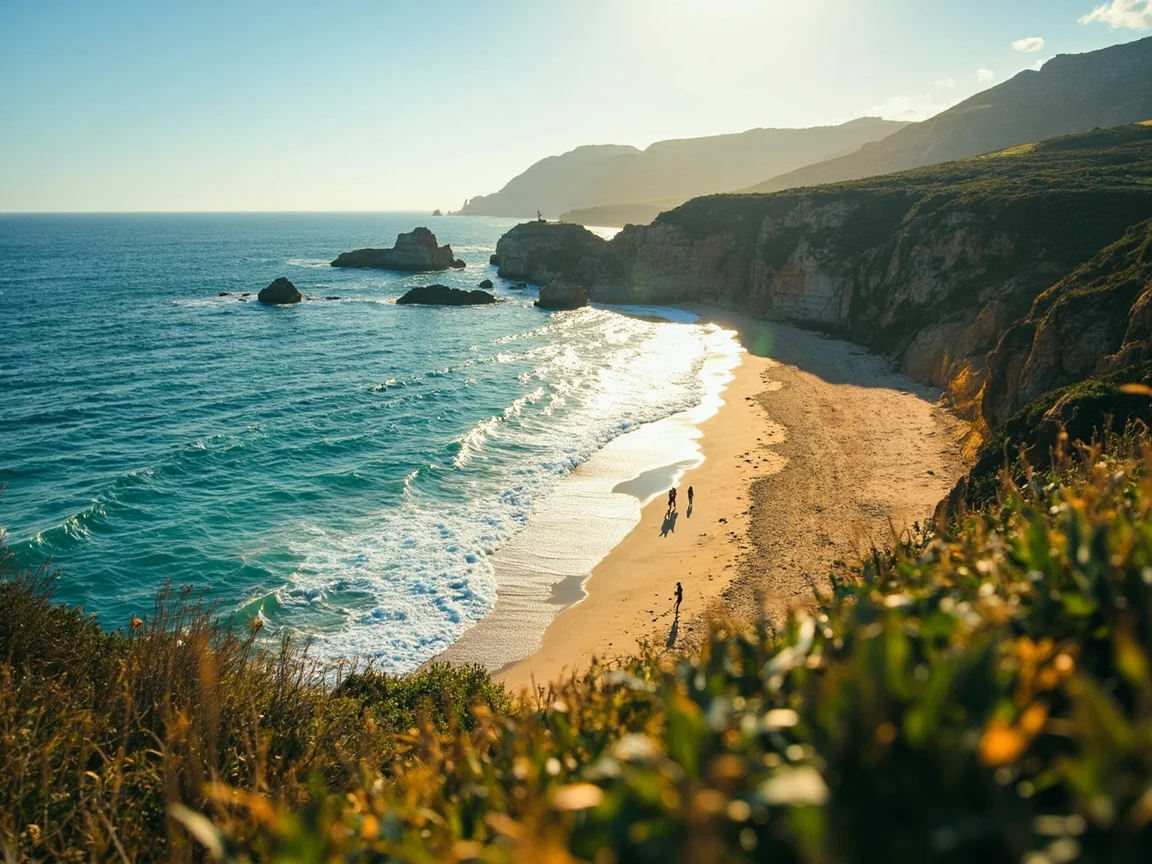
Location, Floor and Orientation: Where to Stay for More Coolth
When choosing a location in summer, the scenic core saves travel time but may bring tourist density, tight parking and night-time noise; station surroundings are usually convenient for commuting, though trains or buses can be noisy on ordinary weekdays. For island, mountain and old-town destinations, compare how far you are from the main experiences rather than chasing walking distance to every sight.
For floors, upper floors usually offer good views and noticeable breeze, but some old buildings have steep stairs and no lift; lower floors are easy to enter and exit but may be closer to damp ground or shared spaces. For orientation, west-facing rooms heat up in the afternoon while east-facing rooms get gentle morning light; north-facing rooms are steadier, but check whether they are blocked by buildings or trees. Southern hemisphere itineraries also require judging sun direction — "north-facing" cannot simply be equated with shade.
Transport and Itinerary Links for Popular Experience Rankings
A high popular experience ranking doesn't mean more sights is better. Banff, Queenstown, Iceland and the Rockies route suit self-driving, but fuel, parking and mountain insurance belong in the budget. Lofoten, Bergen, Interlaken and Reykjavik work better as bases in a city or town, combined with public transport or cruises. A dedicated journey usually requires advance booking for popular experiences, especially hiking guides, fjord cruises, whale watching, national park tickets and season-controlled roads.
In peak season, start tracking prices at least 4 to 6 weeks ahead and keep two or three options with different payment and refund rules. If your itinerary is tight, prioritise room types close to transport nodes with generous cancellation windows; for self-driving, compare whether outlying parking is free and whether large vehicles are allowed.
Length-of-Stay Discounts, Cancellation Policies and Holiday Bookings
Length-of-stay discounts often appear as "stay 5 nights, 6th night free" or as a weekly rate, but check which room types, dates and membership conditions the offer applies to. Prices can rise sharply around public holidays, and transport, accommodation and popular experiences get tight at the same time; if a fixed itinerary matters more, secure free cancellation or low-loss bookings rather than chasing the lowest displayed price.
Cancellation policies fall into free cancellation, tiered refunds, non-refundable and same-day cancellation. Cut-off times are usually calculated in local time, so cross-time-zone travellers should note the exact date and hour. When booking a homestay, also confirm whether the host may cancel for operational reasons; for hotels, ask about fallback arrangements in case of temporary closure.
On safety, it is not advisable to stay in unlicensed short-term rentals just for a low price. Check real recent reviews for door locks, fire extinguishers, stairs, night lighting and fire escape routes; for mountain homestays, confirm winter mountain road experience and rescue conditions. Once in the room, check smoke alarms, emergency exits and sockets, and keep common medications plus a small first-aid kit when staying in unfamiliar accommodation.
Frequently Asked Questions
For cool summer destinations, should I prioritise average temperature or apparent temperature?
Apparent temperature matters more. Humidity, wind speed, shade, altitude and the orientation of your room all affect how stuffy it feels, so check recent weather and the room's cooling facilities before booking.
When booking a dedicated trip, which cancellation policy is safest?
If your itinerary isn't fully settled, prioritise options that offer free cancellation up to a few days before check-in; if you need to lock in a peak-season price early, tiered refunds are acceptable, but don't ignore the final refund deadline.
For family trips, is a homestay or a hotel better value?
For longer stays with several people, homestays often win on kitchen and laundry, but vehicles, cots and extra beds must be confirmed in advance; if you value service and children's activities, hotels are usually easier.
Further Reading / References
- Lofoten Islands: geography and climate overview
- Official US National Park travel information
- Official US travel state destination guides
- Queenstown travel and accommodation references
A note to readers: choose your destination by experience first, then pick accommodation by location, room type and cancellation rules — a cool journey begins with the details of every single night.
Related articles
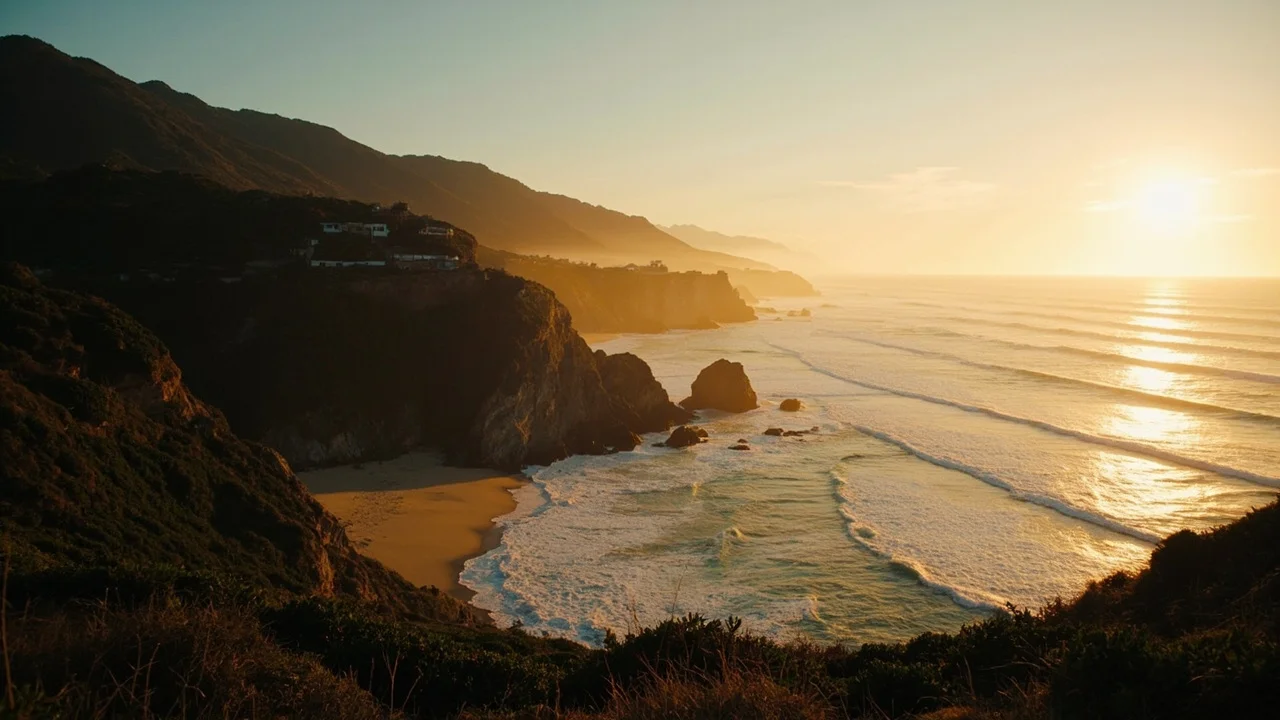
Best Time of Day to Visit Big Sur: 9 Practical Tips Only Experienced Travelers Know—Your Stress-Free Pre-Trip Guide
The best time of day to visit Big Sur is not just about when to see the ocean; it also determines where you stay and how you organize your trip. From viewpoints and room orientation to floor noise, length-of-stay discounts, cancellation policies, and differences between vacation rentals and hotels, experienced travelers share 9 practical tips to help you avoid parking issues, tides, last-minute price changes, and other headaches while planning a Big Sur trip.
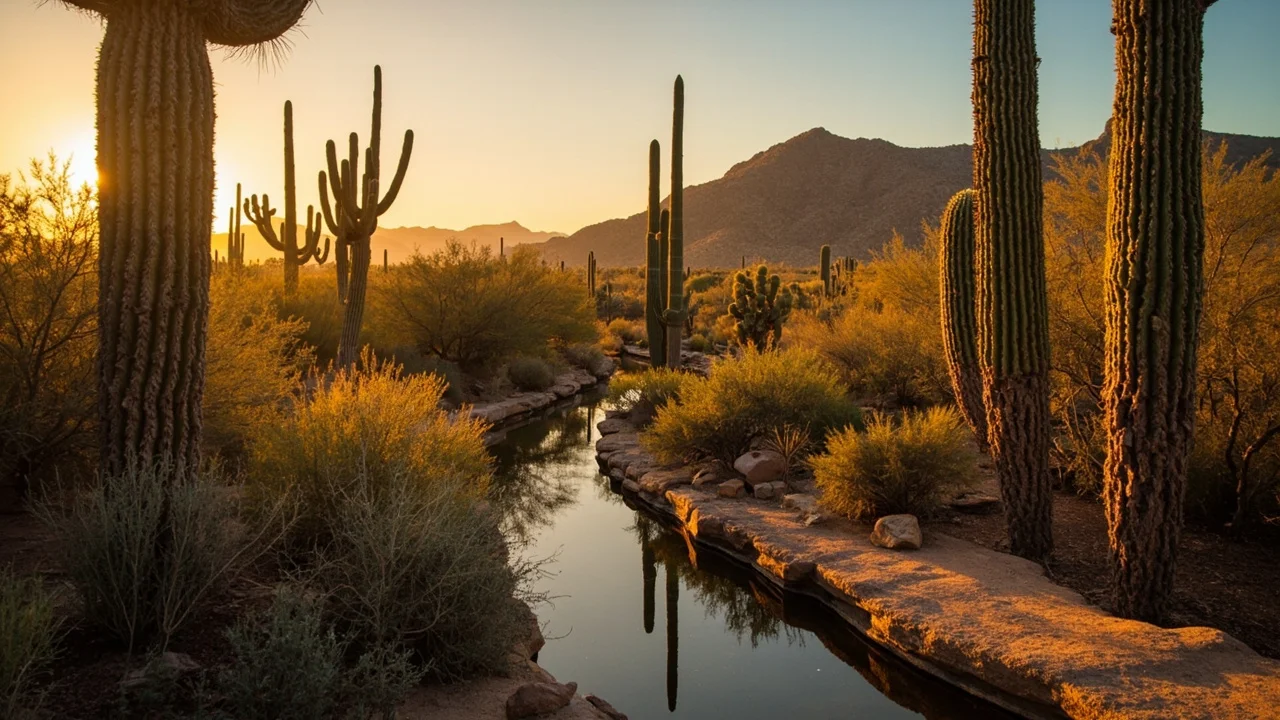
Best Time to Visit Phoenix Desert Botanical Garden: 5-Day Itinerary Template with Daily Routes, Transfers and Time Allocation
A 5-day deep itinerary template for the best time to visit Phoenix Desert Botanical Garden, covering daily sightseeing plans, transport transfers and time allocation, plus hotel locations, room types, multi-night discounts and cancellation policy comparisons to help you avoid peak heat and crowds.
Complete Black Hills Solo Travel Guide: 7 Safe, Free-and-Easy Lodging Options
This complete Black Hills solo travel guide focuses on lodging choices, handpicking 7 safe, free-and-easy options. It covers platform price comparison, location selection, room type comparison, floor and orientation tips, length-of-stay discounts, and cancellation policies, while detailing the differences between vacation rentals and hotels. Whether you're a first-time solo traveler or a seasoned explorer, you'll find the right place to stay in the Black Hills to explore this land with confidence.
Hotels in Yellowstone National Park Wyoming: Best Months to Visit – Complete 2026 Weather, Crowds & Price Curve Comparison
What is the best month to visit hotels in Yellowstone National Park Wyoming? This guide uses three full-year curves—2026 weather, crowds, and pricing—to break down monthly hotel averages, occupancy rates, and weather comfort, showing you how to avoid peak season in the May–September busy period and which park-area lodges remain open during the December–March off-season.
A professional and thoughtful travel assistant website, dedicated to building a one-stop platform for trip planning and destination exploration. The platform brings together a wealth of high-quality travel resources, delivering diverse itinerary inspiration covering niche domestic getaways and popular overseas destinations. It also offers detailed and practical travel guides, including dining and accommodation recommendations, transportation tips, and pitfall avoidance advice, along with smart travel tools that customize suggestions based on trip duration, budget, and preferences, simplifying the complex preparation process and making every trip stress-free and full of new experiences.
View all articles →