
Best Time to Visit Phoenix Desert Botanical Garden: 5-Day Itinerary Template with Daily Routes, Transfers and Time Allocation
A 5-day deep itinerary template for the best time to visit Phoenix Desert Botanical Garden, covering daily sightseeing plans, transport transfers and time allocation, plus hotel locations, room types, multi-night discounts and cancellation policy comparisons to help you avoid peak heat and crowds.
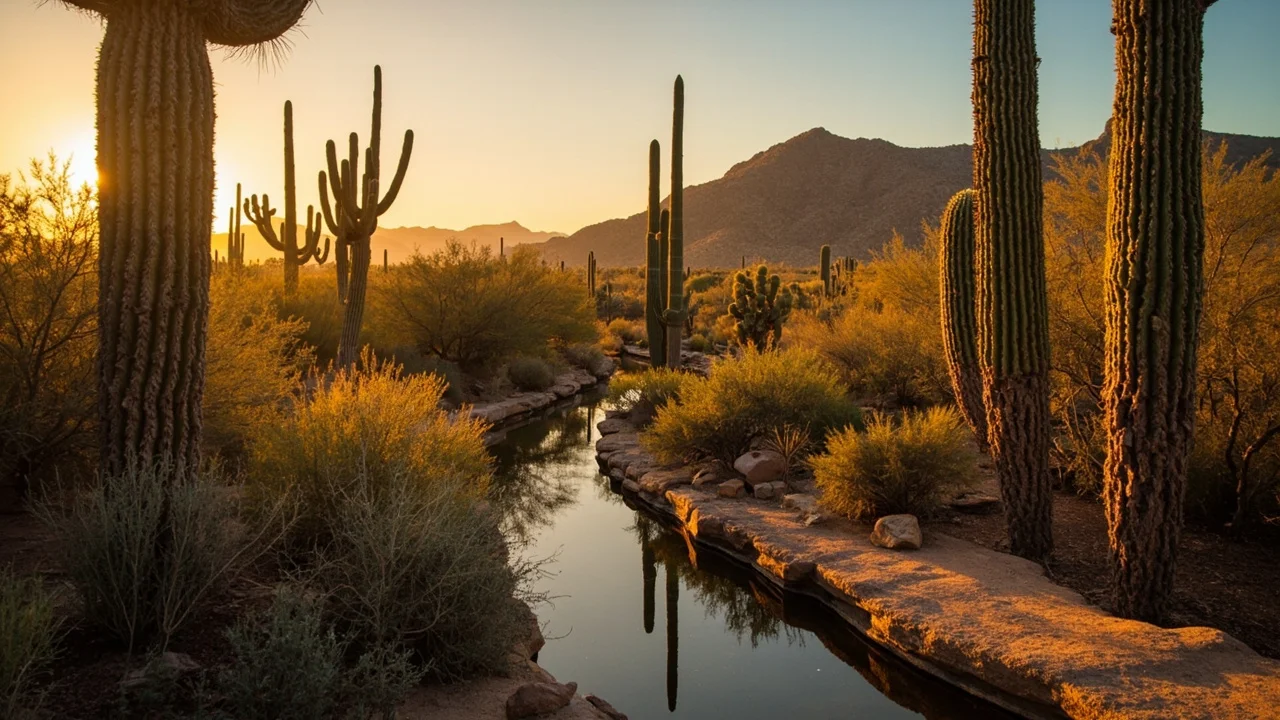
How to Choose the Best Season to Visit: Weather, Crowds and Budget Judgment for a 5-Day Phoenix Desert Botanical Garden Itinerary
"Best time to visit Phoenix Desert Botanical Garden" is not a single fixed date but a set of combined choices about temperature, sunshine, visitor flow and lodging budget. Take Phoenix as an example: winter daytime temperatures are mild and suit long walks; late spring brings layered blooming plants but stronger sunshine; midsummer offers very distinctive desert scenery, yet activities need to be concentrated in the early morning and evening. According to publicly available 2025 National Park Service (NPS) information, desert areas often face intense heat and harsh sun in summer afternoons, so a five-day itinerary should adjust outdoor timing accordingly. The route below centers on Phoenix Desert Botanical Garden and links it with the Old Town, museums and surrounding natural attractions, while providing hotel accommodation, room type comparisons, transport transfers and self-guided tour route advice.
5-Day Itinerary Template: How to Arrange Daily Routes, Time Allocation and Transport Transfers
On the first day, do not schedule high-intensity outdoor activity right after arrival. Check in, stock up on drinking water first, then head to the garden visitor center to get familiar with opening hours, in-park shuttle buses and trail distribution. On the second day, focus on the garden's East Garden and desert landscape area: complete the core walking in the morning, return to the hotel for a break in the afternoon, and then arrange dinner at a barbecue restaurant or Mexican restaurant in the evening.
On the third day, add a route through central Phoenix: visit museums or the arts district in the morning, return to the hotel to escape the heat in the afternoon, and head to a local scenic restaurant in the evening. On the fourth day, arrange a self-drive day trip to surrounding natural attractions, confirming fuel level, tire pressure and parking beforehand. Keep the fifth day flexible: you can finish the greenhouses and trails you did not complete in the garden, or arrange your return flight accordingly. Between daily attractions, a combination of self-driving, ride-hailing and hotel pick-ups saves the most time, while inside the garden it is best to use the official sightseeing shuttle first.
The point of this 5-day itinerary template is to place high-sunshine activities in the morning and seated activities in the afternoon. The garden is large, and walking plus in-park transport will take more time than expected, so allow about 4 hours of sightseeing per day.
How to Choose Accommodation: Location, Room Type Comparisons and a Multi-Night Discount Pitfall Guide
Accommodation areas mainly divide into the airport perimeter, central Phoenix, near the botanical garden and the convention district. The airport area suits the first night's arrival and the last day's return, with generally stable prices, but allow about 20–30 minutes of driving time to the garden. Staying near the garden makes walking or short transfers convenient, though dining options may not be rich. The city center suits self-guided routes, with more restaurants, shops and public events; the convention district may raise prices during large events and can become noisy due to venue crowds.
When comparing room types, do not look at the nightly rate alone — also compare parking fees, resort fees and cancellation policies. Couples usually choose between a standard room or a king room with a balcony; families are better served by two adjoining rooms or a suite with a sofa bed. Self-driving guests should confirm whether free parking is provided and whether spaces require booking.
According to a summary of Booking.com platform terms in 2025, whether multi-night discounts apply to all dates varies by room type, membership level and cancellation plan. Save screenshots of the cancellation terms and choose "pay at property" or "limited-time cancellation" options. During holidays, ball games and trade shows, lock in four to five nights well in advance and avoid non-refundable advance-purchase rates.
How to Handle Transport Transfers: Combining Self-Driving, Ride-Hailing and In-Park Shuttles
From the airport to your hotel, you can choose a taxi, a ride-hailing car or an airport shuttle in the arrivals hall, depending on the terminal signage on the day. For getting to Phoenix Desert Botanical Garden, self-driving is the most flexible option and works especially well for combining multiple city attractions; ride-hailing suits two people traveling together or one-way trips, but pick-up points should be in clearly marked pickup zones. On popular weekend afternoons when leaving the garden, demand can spike, so book the return trip in advance.
Walking inside the garden does not require relying on the sightseeing bus for the entire route, but the terrain at the Desert Botanical Garden is uneven and shaded areas are discontinuous. Guests with children, elderly travelers or anyone with limited mobility should prioritize the in-park shuttle, getting off at key stops and then completing short walks on foot. In summer, carry plenty of water; in winter, prepare a light jacket for mornings and evenings.
The real difficulty of transport transfers usually lies not in distance but in waiting, parking and heat exposure. Add transfer time into your rest schedule instead of packing every day with no buffer. Self-driving guests should also check parking lot opening hours and lighting conditions after leaving the garden.
How to Set Your Visiting Hours: Morning, Evening and Peak-Season Entry Strategy
When exploring best time to visit phoenix desert botanical garden, the safest peak-season strategy is to enter as early as possible after opening. Light strengthens gradually in the morning, desert plant silhouettes are crisp and temperatures are usually lower than in the afternoon. In winter, you can enter again just before closing to watch the sunset and long shadows; in summer, compress the main visit into the morning and schedule lunch, rest or indoor activities for the afternoon.
Clothing needs vary greatly by season. Spring has marked day-night temperature differences, so prepare a windproof layer; summer heat is intense, making a sun hat, sunscreen and electrolyte drinks more practical than an umbrella; in autumn and winter the early morning is cold, so a light down jacket or warm mid-layer is more suitable. Holiday crowds are heavy, popular greenhouses and events may queue early, so rely on the official announcements of the day.
For visitors staying only a few days, a five-day itinerary does not need to revisit the same area. Start with the park overview on day one, choose key trails on day two, add greenhouses and seasonal flowers on day three, adjust for weather on day four, and on day five decide whether to revisit. This approach keeps flexibility and avoids burning too much energy just to check items off a list.
What to Avoid: Six Easily Missed Details on a Five-Day In-Depth Trip
First, do not treat the botanical garden like an ordinary city park — desert trails are more exposed, so prepare water based on your actual walking distance. Second, do not schedule the longest route at 2 p.m., usually the hottest time in terms of perceived heat and highest hydration needs. Third, do not compare only hotel stars while ignoring parking fees, breakfast and cancellation terms. Fourth, do not overlap your flight day with a core sightseeing day, since delays will cascade into transfers.
Fifth, do not assume self-driving is always the best choice. If activities are concentrated, luggage is heavy or only two of you are traveling, airport transfers plus ride-hailing may be easier. Sixth, do not overlook safety. Stay on open trails when hiking, do not touch spiky plants and do not cross barriers; watch for signs of heat stroke in summer and keep children accompanied by adults; before returning to your hotel at night, confirm the ride-hailing pick-up point and road lighting.
Your self-guided tour route should also reserve at least one buffer segment for queues, weather changes or temporarily closed exhibits. If team members differ greatly in fitness level, separate the "shared route" from "free activity" to keep waiting from affecting the overall experience.
Frequently Asked Questions
Which day of the itinerary is best for the Phoenix Desert Botanical Garden?
Days two or three work well, preceded by arrival and city resupply, while keeping flexible time afterward.
Is staying near the garden or in central Phoenix more convenient?
For park efficiency alone, near the garden is closer; balancing dining, transfers and price, the city center is usually more balanced.
Do you really need a rental car for a five-day trip?
Self-driving is convenient when combining multiple attractions; when activities are concentrated, hotel transfers and ride-hailing are enough to complete the itinerary.
Can you get heat stroke at summer garden events?
The risk can be reduced but should not be ignored. Enter in the early morning, rest in the afternoon and hydrate promptly.
Further Reading and References
- Phoenix Desert Botanical Garden overview
- Official National Park Service (NPS) information
- Arizona tourism board
- Lonely Planet Phoenix travel resources
A line for the reader: first pick the right season and the right base, then leave the morning to the desert and the afternoon to rest — and this five-day journey will feel far more relaxed.
Related articles
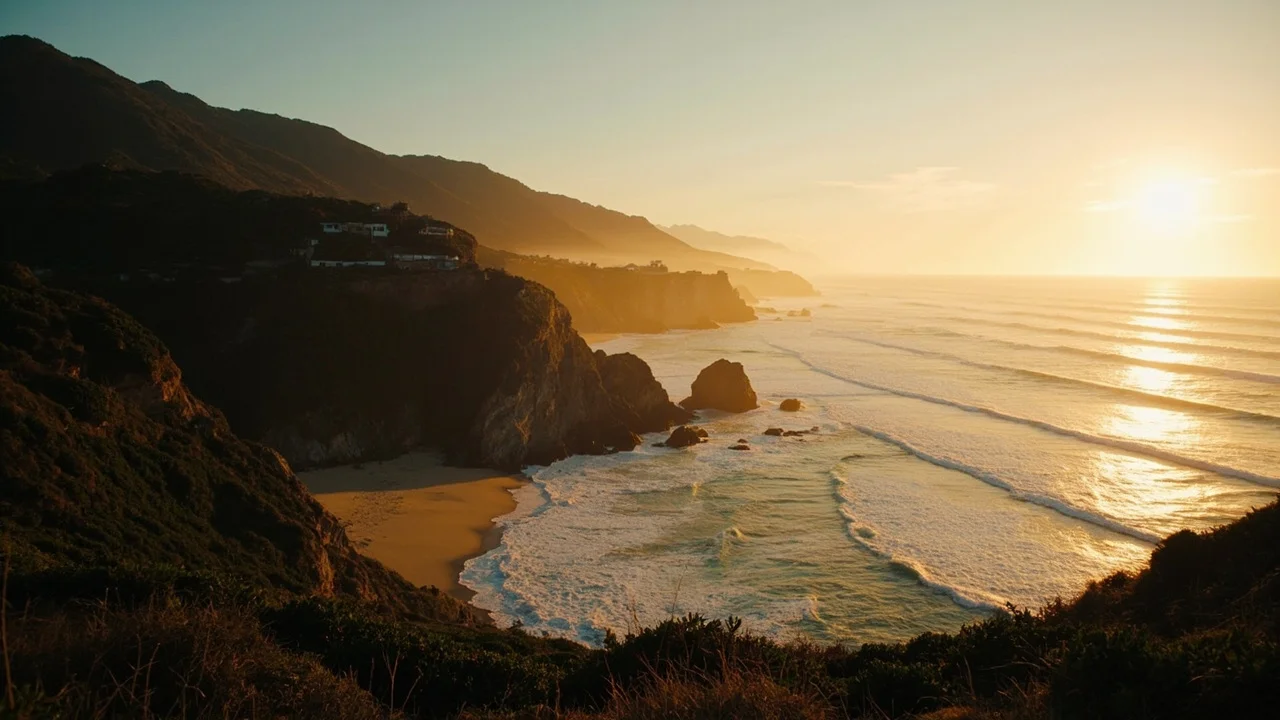
Best Time of Day to Visit Big Sur: 9 Practical Tips Only Experienced Travelers Know—Your Stress-Free Pre-Trip Guide
The best time of day to visit Big Sur is not just about when to see the ocean; it also determines where you stay and how you organize your trip. From viewpoints and room orientation to floor noise, length-of-stay discounts, cancellation policies, and differences between vacation rentals and hotels, experienced travelers share 9 practical tips to help you avoid parking issues, tides, last-minute price changes, and other headaches while planning a Big Sur trip.
summer destinations not too hot TOP 10: Popular Experience Rankings and a Guide to Destinations Worth the Trip
The summer destinations not too hot TOP 10 list ranks destinations by summer comfort, popular experiences, transport convenience and accommodation value, selecting places that are worth a dedicated journey. The guide covers price comparison across platforms, location choice, room type comparisons, floor and orientation, length-of-stay discounts, cancellation policies, plus the differences between homestays and hotels and safety notes, to help you plan a cool and comfortable summer stay.
Complete Black Hills Solo Travel Guide: 7 Safe, Free-and-Easy Lodging Options
This complete Black Hills solo travel guide focuses on lodging choices, handpicking 7 safe, free-and-easy options. It covers platform price comparison, location selection, room type comparison, floor and orientation tips, length-of-stay discounts, and cancellation policies, while detailing the differences between vacation rentals and hotels. Whether you're a first-time solo traveler or a seasoned explorer, you'll find the right place to stay in the Black Hills to explore this land with confidence.
Hotels in Yellowstone National Park Wyoming: Best Months to Visit – Complete 2026 Weather, Crowds & Price Curve Comparison
What is the best month to visit hotels in Yellowstone National Park Wyoming? This guide uses three full-year curves—2026 weather, crowds, and pricing—to break down monthly hotel averages, occupancy rates, and weather comfort, showing you how to avoid peak season in the May–September busy period and which park-area lodges remain open during the December–March off-season.
A professional and thoughtful travel assistant website, dedicated to building a one-stop platform for trip planning and destination exploration. The platform brings together a wealth of high-quality travel resources, delivering diverse itinerary inspiration covering niche domestic getaways and popular overseas destinations. It also offers detailed and practical travel guides, including dining and accommodation recommendations, transportation tips, and pitfall avoidance advice, along with smart travel tools that customize suggestions based on trip duration, budget, and preferences, simplifying the complex preparation process and making every trip stress-free and full of new experiences.
View all articles →